Creating a lush green lawn starts beneath the surface, with proper soil preparation being the cornerstone of successful lawn care. This fundamental step ensures your turf has the best possible growing environment, promoting healthy root systems that can withstand environmental stresses. Here’s a closer look at how to prepare your soil effectively for optimal lawn health.
The journey to a perfect lawn begins with understanding your soil’s current condition. Conduct a soil test to determine its pH level, nutrient content, and type. These tests reveal whether your soil is acidic or alkaline, a crucial factor because grass generally thrives in a slightly acidic to neutral pH range of 6.0 to 7.0.
- pH Level: If the soil test indicates your pH level is outside the ideal range, amendments are needed. Lime can raise the pH, while sulfur can lower it.
- Nutrient Deficiency: Inspect nutrient levels. If deficiencies are identified, a balanced blend of fertilizers containing nitrogen, phosphorus, and potassium is essential. Tailoring the fertilizer to your specific needs maximizes grass vitality.
Next, assess the soil texture. A well-draining, loamy mix is preferred, as it retains moisture without becoming waterlogged. Here’s a comparison table to help you understand different soil types and their characteristics:
| Soil Type | Characteristics |
| Sandy | Drains quickly, low in nutrients, easy for roots to penetrate. |
| Clay | Retains moisture, rich in nutrients, compacts easily, poor drainage. |
| Loamy | Balanced drainage and nutrient retention, ideal for lawns. |
If your soil is too sandy, incorporate compost or organic matter to improve nutrient content and water retention. Conversely, if the soil is clay-heavy, adding sand or gypsum can enhance drainage and reduce compaction, improving the soil’s overall structure.
Before sowing or laying sod, till the ground to a depth of about six inches. This step aerates the soil, allowing air, water, and nutrients to penetrate deeply, thus promoting robust root growth. Remove any debris, such as rocks or old roots, to create a smooth and inviting surface for new grass.
Finally, ensure the soil is level to prevent water pooling, which could lead to root rot or uneven growth patterns. You might need to add topsoil in low areas for a uniform surface. Proper grading guarantees optimal irrigation and helps distribute nutrients evenly across the lawn.
By investing time and effort into thorough soil preparation, you set the stage for a resilient and lush green lawn, creating an inviting outdoor space that’ll be the envy of the neighborhood. Proper groundwork now will minimize maintenance needs and enhance the overall success of your lawn care endeavors.
choosing the right grass
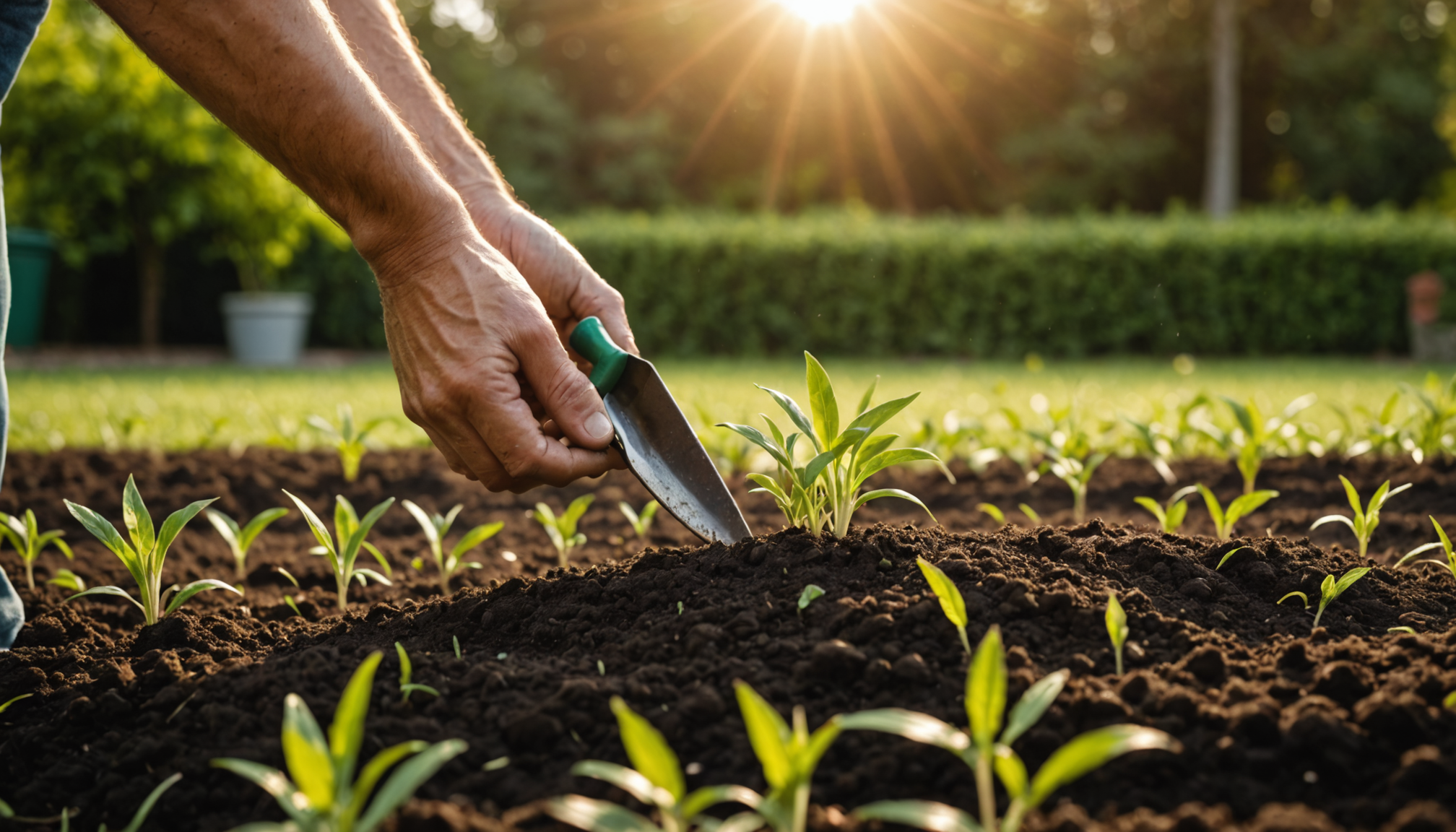 Selecting the right type of grass is fundamental to ensuring your lawn not only survives but thrives under the specific conditions your property offers. With so many varieties available, it’s crucial to choose a grass type that aligns with your climate, soil type, and how much sunlight your lawn receives. Follow these steps to make an informed decision:
- Understand Your Climate: Grass types are often categorized into cool-season and warm-season varieties. Cool-season grasses, like Kentucky bluegrass or perennial ryegrass, flourish in cooler regions, showing peak growth during spring and fall. In contrast, warm-season grasses, such as Bermuda or Zoysia, are designed to thrive in hotter climates, maintaining their vigor through the summer months.
- Analyze Sun Exposure: Some grasses require ample sunlight, while others tolerate shade better. Assess how much sunlight each area of your lawn receives throughout the day. For sunny areas, Bermuda grass and St. Augustine are excellent choices, while fescues or shade-tolerant ryegrasses better suit shaded locations.
- Assess Soil Type and Drainage: Matching the grass type with your soil’s characteristics can significantly affect the success of your lawn. For sandy soils, consider resilient grasses like Bahia, which withstands poor nutrient conditions. For clay soils, fescues or tall grasses are recommended, as they better adapt to heavy, compact soil and improve overall resilience.
- Consider Lawn Usage: Different grasses cater better to various levels of traffic and wear. If your lawn will endure heavy foot traffic, like from kids or pets, choose durable varieties such as Bermuda grass or Kentucky bluegrass. For a low-use lawn, aesthetic-focused options like bentgrass can be considered for their fine texture and lush appearance.
- Evaluate Maintenance Requirements: Your choice should align with how much time and effort you’re willing to dedicate to lawn care. Some grasses demand frequent mowing, watering, and fertilization, whereas others are more self-sufficient, needing minimal intervention. Zoysia, for example, is known for its low-maintenance properties.
Matching these criteria with your specific needs ensures you select a grass type that’s naturally equipped to flourish in your lawn’s environment. Not only does this reduce the extensive care needed to maintain a vibrant lawn, but it also promotes sustainable growth, keeping your grass healthy and lush all season long.
watering techniques
Whether you’re striving for a lawn that’s healthy year-round or simply trying to keep it lush through the peak growing season, watering techniques play a pivotal role in achieving your grass goals. Mastering the art of watering requires understanding not only frequency but also timing, techniques, and the specific requirements of your chosen grass type. Here’s how you can ensure your lawn receives the hydration it needs without overdoing it.
One common mistake homeowners make is overwatering their lawns. Overwatering can lead to shallow root growth, which is detrimental during dry spells, and can also create an environment conducive to pests and diseases. Instead, aim for a deep and infrequent watering regimen. This encourages roots to grow deeper in search of moisture, making your lawn more drought-tolerant and resilient.
To determine the right amount of water, check your lawn’s specific needs, which typically vary based on grass type, soil composition, and climate. Generally, lawns need about one to 1.5 inches of water per week, including rainfall. For best results, distribute this water over one or two sessions weekly, rather than sprinkling small amounts daily.
Timing is everything. The ideal time to water your lawn is early in the morning, between 6 a.m. and 10 a.m. This timing minimizes evaporation loss due to lower temperatures and gentler winds, allowing more water to be absorbed. Watering in the evening should be avoided if possible, as the cooler, damp night air can foster fungal diseases.
Equip yourself with the knowledge and tools to water efficiently. Sprinkler systems, whether in-ground or portable, are excellent for covering large areas consistently. However, be mindful of their settings to avoid excessive water pressure, which can lead to runoff rather than absorption. Consider using a timer to maintain a consistent schedule, and install a rain sensor to prevent watering post-rainfall, ensuring you’re not wasting water.
For smaller lawns or targeted areas, a soaker hose might be more effective. It delivers water directly to the soil, reducing evaporation and splash onto foliage, which can prevent disease. Rain barrels are another eco-friendly option, capturing rainwater for reuse and reducing reliance on municipal supplies.
That said, always stay observant and responsive to signs of underwatering or overwatering. Grass blades that are beginning to wilt, turn bluish-gray, or show footprints after being walked on may indicate a need for water. Conversely, if your lawn appears consistently soggy or has standing water, it may be time to cut back.
Ultimately, fine-tuning your watering routine is a crucial element that will significantly impact your lawn’s health and appearance. By implementing smart watering techniques and remaining attentive to your lawn’s needs, you can cultivate a robust and verdant landscape that effortlessly thrives through the seasons.
fertilization strategies
Fertilizing your lawn is akin to feeding it the essential nutrients it needs to grow healthy and strong. An effective strategy involves understanding your lawn’s specific nutritional requirements and the best times to apply fertilizer to maximize absorption and growth. Here’s how to refine your fertilization efforts for an enviable lawn that’s vibrant throughout the year.
The cornerstone of an effective fertilization strategy is choosing the right product based on your lawn’s needs. The primary nutrients involved in lawn care are nitrogen (N), phosphorus (P), and potassium (K). Each plays a unique role in grass health: Nitrogen promotes lush, green growth; phosphorus supports root development; and potassium enhances disease resistance and overall resilience.
Choose a balanced fertilizer that provides a proportional mix of these nutrients or tailor the formulation to your lawn’s specific requirements. Conducting a soil test can help reveal any deficiencies and inform your choice. This ensures you aren’t blindly adding nutrients, which could lead to imbalances and damage.
Timing is crucial in fertilization. To follow the natural growth cycles of your grass type, apply fertilizers at key times throughout the year. Cool-season grasses typically benefit from fertilization during early spring and fall, supporting vigorous growth and preparation for dormancy. Warm-season grasses, on the other hand, flourish with applications in late spring and summer when they hit their peak growing season.
When applying fertilizer, even distribution is key. Uneven application can lead to patchy growth and nutrient burn. Use spreaders—either drop or broadcast types—to apply the product evenly across the lawn. A drop spreader offers precise control, making it suitable for smaller lawns or intricate landscapes, while a broadcast spreader covers larger areas efficiently.
Mind the weather and soil moisture levels before fertilizing. Avoid applying fertilizers during drought conditions or when heavy rains are forecasted, as these can wash away the nutrients, reducing effectiveness and potentially causing runoff into waterways. Instead, choose a calm, cooler day, preferably when the soil is damp but not saturated, to enhance nutrient absorption.
Organic fertilizers, such as compost or well-rotted manure, offer a sustainable option, slowly releasing nutrients and improving soil structure over time. They’re an excellent choice for those looking to reduce chemical use and support a healthier ecosystem. However, bear in mind they often work more gradually compared to their synthetic counterparts.
Yet again, observation is important. Monitor your lawn’s response post-fertilization. If you notice excessive thatch, discolored patches, or weak growth, it may indicate over-fertilization or an imbalance in nutrient levels, signaling the need for adjustment.
By embracing a thoughtful and informed fertilization strategy, you’re not just feeding your lawn—you’re fostering an environment for strong, sustainable growth. This proactive approach offers the lush, green appearance you desire and contributes to a healthier ecosystem beneath the turf, nurturing both beauty and resilience in your outdoor space.
pest and weed control
Maintaining a lush green lawn also requires vigilant pest and weed control to keep your grass healthy and thriving. Pests and weeds can quickly become major nuisances, competing with your turf for water and nutrients and potentially transmitting diseases. A combination of preventive measures and responsive strategies ensures your lawn remains pristine and robust throughout the seasons.
Begin with regular monitoring to identify potential issues early. Watch for signs of pest activity such as discolored or chewed grass, which can indicate an infestation of insects like grubs, armyworms, or chinch bugs. The earlier you detect these unwelcome guests, the more effectively you can manage their impact.
Cultural practices, such as maintaining proper watering, mowing, and fertilization routines, can significantly reduce pest and weed problems. A healthy lawn, with dense grass coverage, leaves little room for weeds to establish and deprives pests of their ideal habitat. Keeping your grass at the recommended height—usually longer during hotter months—shades the soil, reducing weed seed germination.
When it comes to weed control, identify which types of weeds are prevalent in your lawn. Broadleaf weeds like dandelions and clovers require different treatments compared to grassy weeds such as crabgrass. Targeted herbicides are available for broadleaf weeds, while pre-emergent herbicides prevent grassy weeds from sprouting.
For those who prefer organic solutions, cultivating beneficial insects like ladybugs and predatory beetles can naturally control pest populations. Additionally, mixing your grass species to create diversity disrupts the life cycle of specific pests and weeds, making it more difficult for them to spread.
If chemical solutions become necessary, use them judiciously and according to manufacturers’ instructions to minimize environmental impact. Spot-treat areas rather than broadcasting insecticides or herbicides across your entire lawn, focusing only on high-traffic or problem areas.
Be diligent with mechanical methods as well, such as hand-pulling or hoeing weeds when they first appear, especially after a light rain when soil is loose. Similarly, regular dethatching and aeration promote better air circulation and nutrient uptake, making your lawn less attractive to pests.
The key to successful pest and weed control lies in consistent monitoring and adapting your strategies to address specific problems in your lawn. By balancing proactive and reactive approaches, you safeguard your lawn’s health and aesthetics, fostering an environment where grass can thrive.
By incorporating these key secrets and strategies, you’ll be well-equipped to cultivate a lush, green lawn that’s the highlight of your outdoor space. From preparing your soil to smart mowing and vigilant pest management, your efforts are sure to yield a stunning and resilient landscape, making your garden a true outdoor haven.