Understanding grout color options is crucial for ensuring that your tile installation achieves the desired aesthetic and functional results. The grout you choose can dramatically impact the overall look of your tile project; therefore, it’s essential to be familiar with the various options available.
Grout colors can be broadly categorized into three main types: neutral, contrasting, and matching. Each type serves a unique purpose and can complement or accentuate the tiles in different ways. Neutral grout colors, such as beige, gray, or taupe, are versatile and tend to blend seamlessly with a wide range of tile colors and designs. This can create a uniform, cohesive appearance that emphasizes the tile’s texture and shape rather than its grout lines.
Contrasting grout colors are more daring and typically used to make a statement. For instance, a stark white grout used with dark tiles can create a striking, high-contrast look that draws attention to each tile’s shape and layout. This option is ideal for adding a dramatic effect to spaces where a bold design is desired, such as feature walls or artistic installations.
Matching grout colors, which closely resemble the tile color, are used to minimize the appearance of grout lines, creating a more seamless and continuous look. This option works exceptionally well with solid-colored tiles or intricate mosaics, where the pattern or color is intended to be the focal point rather than the grout.
Beyond color, grout finishes also play an essential role in the final appearance. Glossy grout finishes reflect more light and tend to enhance the vibrancy of the tile colors. Conversely, matte finishes absorb light and can provide a more understated, rustic look. Both finishes have their places, depending on the desired ambiance and practical considerations, such as the amount of natural light in a room or the need for a non-slip surface.
To help visualize how these options might perform in different settings, consider the following comparison table highlighting the effects of various grout colors paired with typical tile scenarios:
| Grout Color | Tile Color | Effect | Recommended Use |
| Light Gray | White | Subtle contrast | Bathroom walls, kitchen backsplashes |
| Dark Gray | Marble | Elegant depth | Kitchen floors, high-traffic areas |
| White | Black | High contrast, dramatic | Feature walls, accent areas |
| Tan | Natural Stone | Blends well | Outdoor patios, rustic kitchens |
Ultimately, the choice of grout color should reflect the design intent of your space while considering practical aspects such as maintenance and overall harmony with the room’s color scheme. Understanding these options allows you to make an informed decision that enhances the aesthetic qualities of your tile installation and supports your long-term design goals.
Factors to consider in selection
 When selecting the ideal grout color, it’s essential to account for various factors that will influence both the aesthetic outcome and the functionality of the tiling project. To guide you through this decision-making process, consider the following key elements:
- Tile Size and Shape: The size and shape of your tiles can dramatically impact how grout appears. For larger tiles, grout lines are fewer and more spread out, which can minimize the grout’s visual impact. Smaller tiles or mosaics will have more grout lines, making the color choice more critical. Ensure the grout complements or contrasts effectively with the tile size and arrangement.
- Location and Intended Use: Determine where the tiles will be installed. Areas exposed to high moisture, such as bathrooms and kitchens, may require grout that is resistant to mold and stains. Consider using a darker grout for floors, where dirt is more likely to build up, as it can help mask stains between cleanings.
- Overall Design Aesthetic: Decide on the look you want to achieve — seamless and cohesive, or bold and contrasting. This will guide your choice between a matching grout color, which blends with the tile, or a contrasting color that highlights it. Think about the style of the room; for instance, a modern aesthetic might favor bold contrasts, while traditional spaces might benefit from softer blends.
- Lighting and Room Size: Consider the lighting in the room. Well-lit spaces may benefit from darker grout colors for a grounded feel, while lighter grout colors can help brighten up darker spaces. Additionally, light-colored grout can make rooms appear larger by blending more seamlessly with the tiles.
- Maintenance Considerations: Light-colored grout, while attractive, can show dirt and stains more readily and may require more frequent cleaning. Conversely, darker grout might hide stains better but can show signs of fading or discoloration over time. Evaluate the level of maintenance you’re willing to commit to when choosing grout color.
- Material and Grout Type: Grout is available in sanded and unsanded options, each suitable for different tile joints and materials. Sanded grout is ideal for wider joints due to its durability, while unsanded grout suits finer joints. The type of grout chosen can affect how well the color holds, so choose accordingly based on your tile configuration.
- Personal Preference: Lastly, personal taste is an essential factor. Consider what appeals to you aesthetically, as this ensures you’ll be satisfied with your choice for years to come. Visit showrooms and use sample boards to see how different grout colors look with your chosen tile in various lighting conditions.
Taking the time to evaluate these factors will aid in selecting a grout color that not only complements your tiles but also aligns with your practical needs and design preferences. This thoughtful approach will enhance both the longevity and beauty of your tile installation.
Matching grout to tile
Achieving harmony between tile and grout is a nuanced process that requires careful consideration of your design intentions and the existing features of your chosen tiles. The primary goal when aligning grout with tiles is to either enhance the existing design or maintain a subtle backdrop that allows the tiles to shine.
Highlighting vs. Blending: Deciding whether to highlight or blend the grout involves assessing the impact you want the grout to have in relation to the tiles. When aiming to highlight individual tiles or create a boundary-like effect, selecting a grout color that contrasts with the tile will make each tile pop. For example, using white grout with black tiles creates a high-definition border around each tile that accentuates its shape and size. On the other hand, if your goal is to create a continuous appearance, particularly with intricate tile patterns or monochromatic schemes, choosing a grout hue similar to the tile itself can effectively minimize the visibility of grout lines. This choice is especially beneficial in creating a seamless look that enhances the overall flow of a space, making it ideal for contemporary or minimalist designs.
Pattern Play: The grout color can emphasize or soften the geometry of the tiling pattern. When working with intricate patterns like herringbone or chevrons, a matching grout can maintain the emphasis on the pattern without distracting the eye with defining grout lines. Conversely, geometric installations such as hexagonal tiles may benefit from contrasting grout, allowing the shapes to stand out distinctly.
Color Coordination: Consider the surrounding decor and overall palette of the room. Matching the grout color with an element from the room, such as cabinetry or wall colors, can unify the space and reinforce a cohesive design theme. For instance, choosing gray grout to match stainless steel appliances can tie kitchen elements together beautifully.
Tile Material and Finish: The material and finish of your tiles can affect how grout interacts with them. For natural stone installations, complementary grout colors preserve the organic look. Conversely, for glossy tiles, reflective grout finishes can align aesthetically, ensuring the project doesn’t clash with the tiles’ inherent shininess.
Practical Implications: Beyond aesthetics, the function of the space is vital in matching grout to tile. Busy household areas are best served with practical grout choices that consider wear and visibility of dirt. Opting for a grout color that mimics the base tiles in high-traffic areas can reduce visible grime, whereas carefully selected contrasting grout can cleverly conceal staining between cleans.
Selecting your grout in relation to your tile isn’t merely about color, but also understanding how the combination will contribute to the overall functionality and style of your space. By thoughtfully choosing how these two elements work together, you can achieve a balanced and polished look that enriches your interior environment.
Maintaining grout appearance
Preserving the appearance of your grout can greatly impact the overall aesthetic and longevity of your tile installation. Neglecting these lines can lead to unattractive discoloration, mold growth, and damage, undermining the beauty of your entire tiling project. To maintain your grout’s appearance and ensure it enhances your space over time, a few essential practices should be adopted.
Regular cleaning is the most straightforward method to keep your grout looking fresh. Incorporating a cleaning routine that focuses specifically on your grout lines can prevent the buildup of dirt, mold, and mildew. Use a mild detergent or a cleaner specifically designed for grout, and pair it with a gentle scrubbing brush. This combination effectively removes surface grime without damaging the grout itself. For a natural cleaner, a baking soda and vinegar paste can also work wonders on tougher stains and mold without introducing harsh chemicals.
Sealing grout plays a critical role in maintaining its integrity and appearance. Unsealed grout is porous, meaning it’s more susceptible to absorbing water, stains, and dirt. Applying a grout sealer after installation—and reapplying it every six to twelve months—creates a protective barrier against these damaging elements, significantly extending the lifespan of your grout. This process is especially important in damp areas, like bathrooms and kitchens, where moisture can be a constant issue.
Consider grout color-specific maintenance as well, since different hues have varying susceptibilities to staining and visibility of dirt. Darker grout, while better at concealing stains, may show signs of fading over time. Using color-enhancing sealers can help preserve its original richness. On the other hand, lighter grout, which can easily reveal dirt and discoloration, benefits from regular cleaning to maintain its pristine appearance.
For persistent stains or mildew, a more targeted approach might be necessary. Oxygen bleach or a bleach pen can be effective for localized cleaning, especially in lighter-colored grout. However, it’s crucial to use these sparingly and with caution, as overuse can lead to discoloration or degradation of the grout material.
Another key aspect of grout maintenance is damage repair. Cracks and holes can develop in grout due to movement of the substrate, settling of the building, or improper installation. These gaps not only detract from your tile’s appearance but can also allow moisture to seep through, potentially damaging the substrate beneath. As soon as damage is noticed, prompt repairs should be made. This process typically involves removing the damaged grout, cleaning the area, and then applying fresh grout. Regular inspections can help catch such issues early, preventing more extensive damage and costly repairs.
Though maintenance might seem daunting, it’s a crucial part of ensuring the longevity and aesthetic of your grout. By investing some time and effort into these upkeep practices, you can enjoy a beautiful, pristine tile installation that looks great and serves you well for many years to come.
Popular grout color trends
Neutral tones remain extremely popular in the realm of grout colors, with shades like light gray, beige, and bone frequently chosen for their ability to seamlessly integrate with a wide variety of tile colors and designs. These colors provide a classic, timeless appeal that doesn’t overpower the tiles, making them a favorite in both residential and commercial spaces. Neutral grout colors also offer the practical benefit of better hiding dirt and stains compared to stark whites or very dark hues.
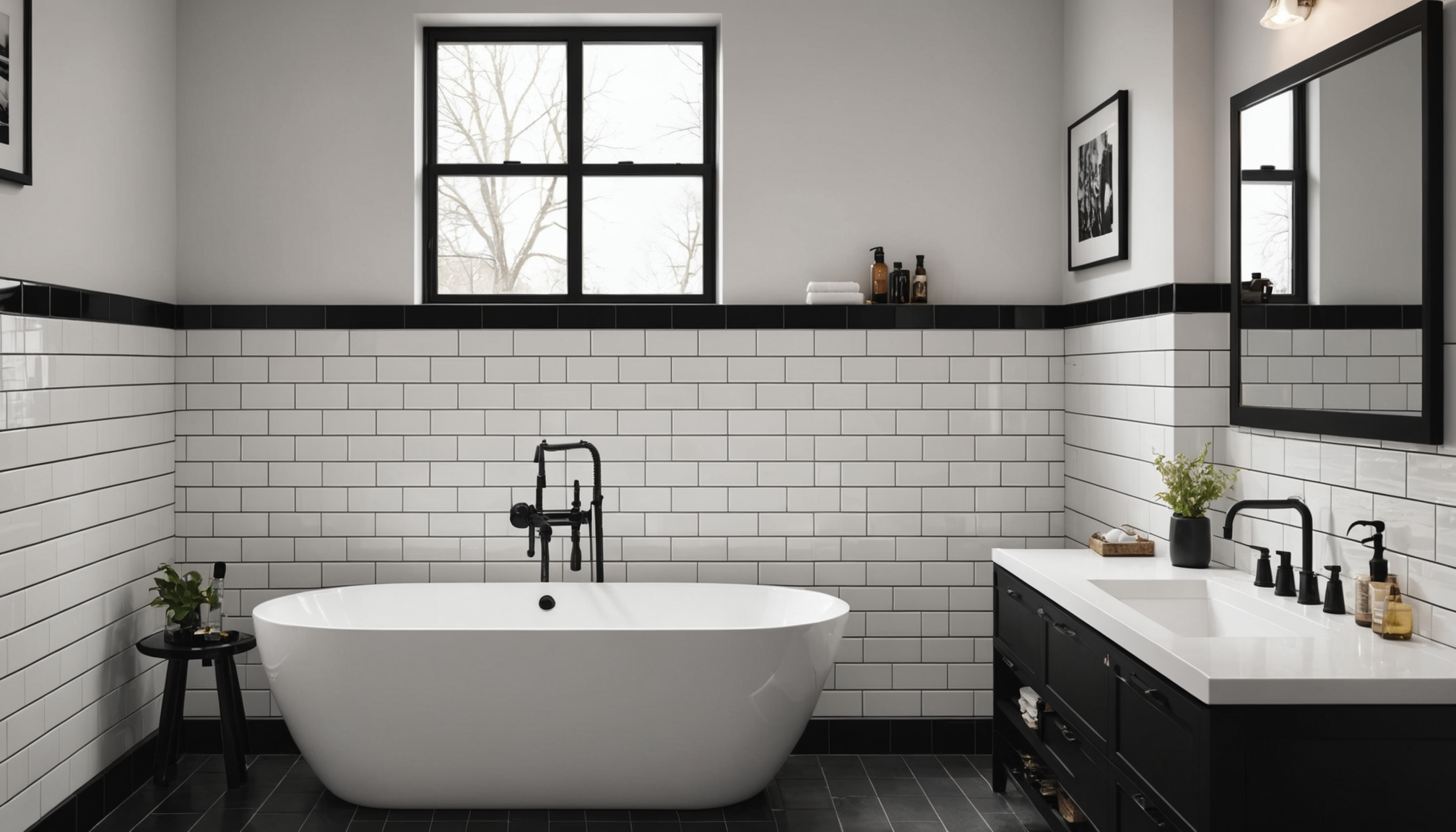
On the other hand, high-contrast combinations are gaining traction, particularly in more contemporary settings. White grout paired with dark, dramatic tiles creates a striking visual effect that highlights each tile’s shape and arrangement, offering a bold design statement. Similarly, using black grout with white tiles continues to be a trendy choice for those looking to add a modern twist to classic tile patterns, providing both elegance and a clean, graphic delineation.
Emerging trends also reflect an increased interest in non-traditional colors that add an unexpected element of interest to tiled spaces. Blues, greens, and even subtle pinks or yellows are being used both to complement unique tile designs and to create a cohesive theme with other decor elements in a room. These colorful grouts tend to be more prevalent in spaces where personalization is key, such as children’s bathrooms, playrooms, and specialty kitchens.
Metallic grout options are making waves as well, especially in settings where a touch of glamour is desired. Subtly shimmering gold or silver grout can transform an ordinary wall into a striking feature, catching the light and adding depth and dimension. These are particularly alluring when paired with glass or shiny ceramic tiles, offering a luxe finish to modern interiors.
As the popularity of large-format tiles and thin grout lines continues to rise, there’s also a growing trend towards matching grout to tile colors to achieve a near-seamless look. This approach not only enhances the overall fluidity and appearance of the tiled surface but is also an excellent way to create a bigger, more open appearance, especially in smaller spaces.
Ultimately, the trends in grout color are as varied and dynamic as the choices in tile themselves. From bold contrasts to subtle enhancements, today’s selections reflect a multitude of styles and preferences, each bringing its own unique contribution to the finished look of a tiled area. Staying informed about these current trends can help you select a grout color that not only fits your project aesthetically but also remains stylish and relevant for years to come.
In conclusion, selecting the right grout color involves balancing aesthetic considerations with practical needs. By understanding the impact of different colors, finishes, and maintenance demands, you can enhance your tile design and ensure its longevity. Whether you opt for a classic neutral, a daring contrast, or follow the latest trends, making an informed choice will ensure your project not only looks stunning but also withstands the test of time.