Recognizing the signs that a tree needs trimming is vital for maintaining not only the health of the tree but also the safety and aesthetics of your property. Trees can exhibit various indications that they require trimming, and being aware of these can prevent potential hazards and improve the tree’s overall vitality.
One of the most evident signs that a tree may need trimming is the presence of dead or hanging branches. These branches can be a serious safety hazard, especially during storms or high winds. Dead branches can fall unpredictably, posing risks to people and property below. Additionally, removing dead wood allows the tree to focus its energy on promoting the growth of healthy branches.
Another key indication that a tree needs trimming is the presence of overgrown or dense branches. When branches become too dense, they can cause excess shade, preventing sunlight from reaching necessary areas such as lawns or garden beds. This density can also limit air circulation, creating an environment where diseases and pests can thrive. Thinning out such branches helps in preventing these issues, fostering healthier growth.
Crossing or rubbing branches are also signs that trimming is necessary. When branches cross or rub against each other, they can cause wounds in the tree’s bark. These wounds can become entry points for disease and insect infestation. By addressing crossing branches early, you prevent long-term damage and the potential spread of disease within the tree.
Trees that have developed an uneven growth pattern, where one side of the tree has grown significantly more than the other, may benefit from strategic trimming. This uneven growth can lead to unbalanced weight distribution, which can, over time, increase the risk of the tree toppling or branches breaking off. Properly trimming the tree can help restore balance and promote symmetry.
Check for signs of tree disease, such as discolored leaves, unusual growths, or fungal infections. These signs often signify that the tree is under stress or battling a disease, and timely trimming can remove affected parts, potentially preventing the spread of the disease to the rest of the tree.
The presence of suckers or water sprouts is another sign that indicates the need for trimming. These growths usually emerge from the base of the trunk or from branches in response to stress, damage, or over-pruning. While these may seem like signs of vigorous growth, they can drain nutrients from the main structure of the tree, essentially weakening it. Removing them maintains the tree’s shape and directs energy to the main branches.
To better understand these issues, consider the following table that compares common indicators that a tree needs trimming, with their effects and benefits of trimming:
| Indicator | Effect | Benefit of Trimming |
| Dead or Hanging Branches | Safety risks, energy wasted on dead parts | Prevents accidents, promotes new growth |
| Dense Branches | Limited sunlight and air circulation | Improved sunlight exposure, healthier environment |
| Crossing/Rubbing Branches | Wounds, disease entry points | Prevents disease, promotes structural integrity |
| Uneven Growth | Risk of imbalance, increased topple risk | Restores balance, enhances tree shape |
| Suckers/Water Sprouts | Depletes nutrients from primary branches | Focuses growth, strengthens main structure |
By keeping these indicators in mind and taking timely action, tree owners can ensure their trees remain healthy, safe, and aesthetically pleasing, contributing positively to the surrounding landscape. Regular inspections and proactive maintenance are key elements in extending the life and beauty of your trees, ensuring they thrive for many seasons to come.
seasonal considerations for tree maintenance
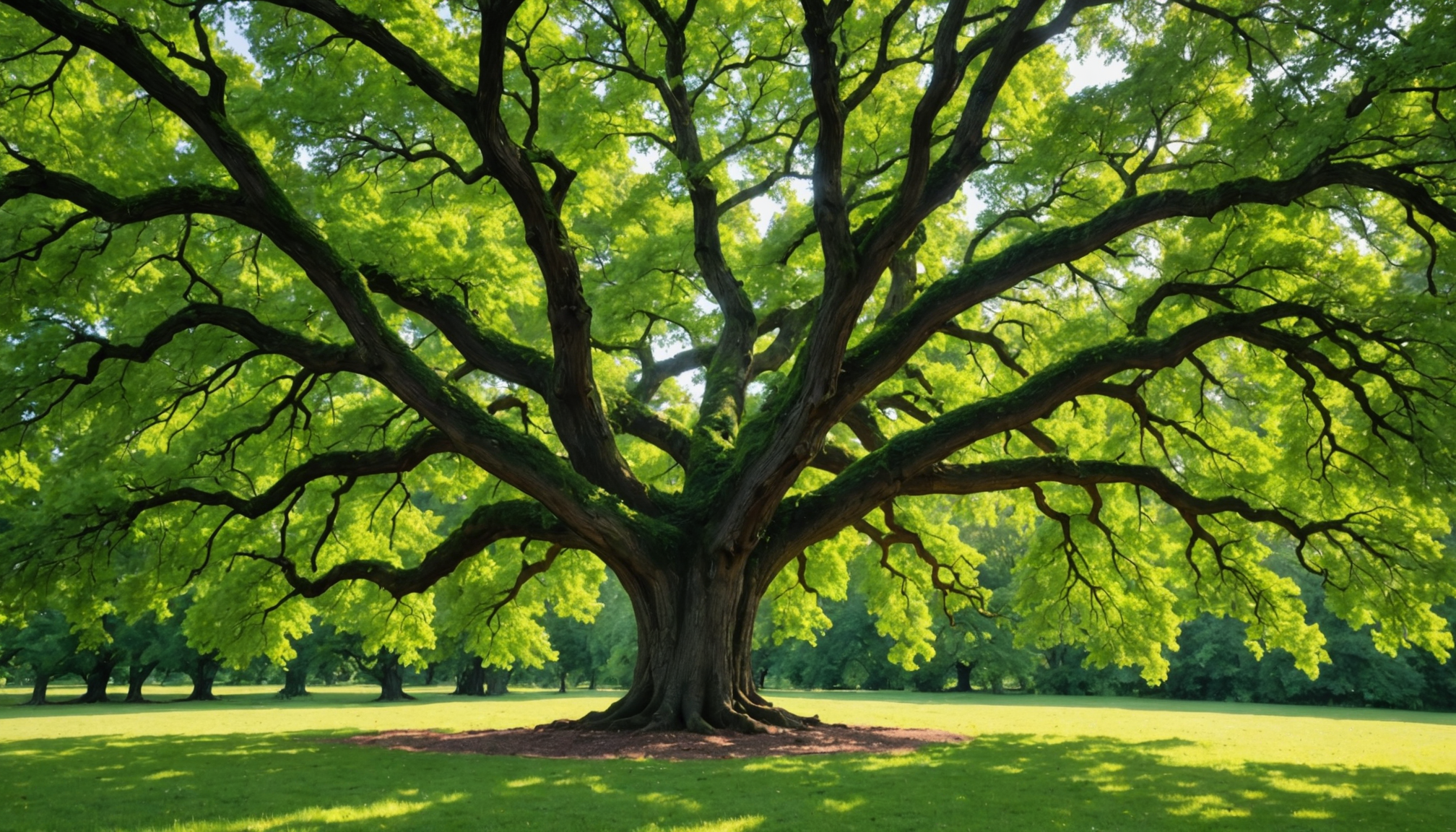 When considering tree maintenance, the timing of your efforts can significantly impact the health and growth of your trees. Different seasons bring varying conditions that affect how and when maintenance tasks like trimming and pruning should be performed. Understanding these seasonal nuances will help you keep your trees in optimal condition.
1. Winter
– Trees are typically dormant during the winter months. This is often considered the best time for pruning because the lack of leaves allows you to see the structure of the tree more clearly.
– Undertake major trimming during this period as it minimizes stress on the tree and reduces the risk of diseases and pests, which are less active during the colder months.
2. Spring
– As trees begin to emerge from dormancy, they are in a stage of rapid growth. Pruning during early spring can encourage vigorous growth and strengthen the tree structure.
– However, avoid heavy trimming during late spring when trees are more vulnerable to diseases and pests, which could enter through the pruning cuts.
3. Summer
– This is a slower growing period for many tree species. Moderate trimming can be done to manage any growth that obstructs views, power lines, or structures.
– Remove any dead or damaged branches noted during this time to ensure safety and prevent potential hazards during summer storms.
4. Fall
– Trimming and pruning in the fall should be minimal, primarily focusing on removing deadwood. Trees prepare for dormancy in fall, making significant pruning potentially harmful.
– Avoid heavy pruning as it can stimulate new growth that might not harden before winter, making it vulnerable to damage from frost.
Each season presents distinct conditions that influence tree health and how they respond to trimming. Knowing the appropriate timing for these activities maximizes the benefits and minimizes stress on the trees. By aligning your tree maintenance with these seasonal guidelines, you support healthier, more resilient trees that can withstand environmental challenges throughout the year.
tools and safety measures for tree trimming
Proper tree trimming not only requires knowledge of when and what to cut but also necessitates the use of the right tools and adherence to essential safety measures to ensure both the health of the tree and the safety of the person performing the trimming.
The Right Tools
Investing in high-quality tools is critical for effective and safe tree trimming. Pruning shears are perfect for small branches, offering precision cuts that help prevent unnecessary damage to the tree. For slightly larger branches, lopping shears provide the extra leverage needed, while pruning saws are indispensable for branches too large for shears but not big enough to necessitate a chainsaw.
When tackling substantial tree limbs, a chainsaw becomes an essential piece of equipment, allowing for clean cuts with efficiency. However, it’s crucial to select the right type and size of chainsaw, tailored to the specific tree and its branches. For additional reach without the need for ladders or climbing, pole pruners offer a safer alternative, enabling the trimming of elevated branches while staying grounded.
To ensure clean cuts that aid in the tree’s healing process, tools should be kept sharpened and well-maintained, reducing the risk of disease and poor cut quality.
Safety Measures
When dealing with tools that can be as dangerous as they are effective, implementing meticulous safety measures is non-negotiable. Personal Protective Equipment (PPE) is a must: safety glasses or goggles protect the eyes from debris; sturdy gloves provide grip and shield hands from scrapes and cuts; and a hard hat is crucial when working overhead to prevent injury from falling branches.
Moreover, wearing appropriate footwear, such as steel-toed boots, ensures stability and protection of the feet. When utilizing power tools or working at height, consider wearing a harness, especially if you are climbing into the tree or using a ladder. Remember, ladders must be securely based on stable ground, and it’s wise to have an assistant to hold the ladder steady.
Understanding the limitations and proper use of each tool is also key to safety, requiring regular training and practice, particularly with power tools like chainsaws. Reading the manufacturer’s instructions and following all recommended guidelines prevents accidents and increases efficiency.
Above all, assessing the immediate environment is vital. Look out for hazards like power lines or unstable branches, and always ensure there’s enough clearance for safe tool operation. Be mindful of the weather conditions; high winds or wet surfaces can significantly increase the risk of accidents.
By employing the right tools and prioritizing safety, you not only protect yourself but also ensure the job enhances the tree’s health and appearance. This careful and considered approach to tree trimming enables efficient work, yielding the aesthetic and practical benefits of well-maintained trees.
how to decide if a tree should be removed
Deciding if a tree should be removed is a crucial consideration that balances the integrity of your outdoor environment with safety concerns and aesthetic preferences. A number of factors influence whether a tree’s removal is the most appropriate course of action, each of which should be carefully weighed to make an informed decision.
One of the primary factors to evaluate is the overall health of the tree. A tree that appears to be in a state of decline, evidenced by symptoms such as extensive dieback, significant N chronic fungal infections, or pest infestations resistant to treatment, may no longer be viable. Once considerable portions of the tree are dead or diseased, it’s often challenging to restore its health, making removal a better option to prevent the spread to surrounding vegetation.
Safety is another critical element when considering tree removal. Trees that pose a risk to buildings, people, or infrastructure due to positioning or structural weaknesses, such as cracked trunks or branches, should be assessed with urgency. Likewise, trees leaning precariously, especially those exhibiting root damage or soil upheaval, should be considered for removal to avoid potential fall hazards during storms or high winds.
The location and growth patterns of a tree can also necessitate removal. Trees growing too close to structures, like homes or utility lines, may cause damage to foundations or pose fire hazards. Additionally, root systems that interfere with underground utilities, sidewalks, or landscaping can create costly maintenance issues. In such scenarios, removal may be the most practical solution to preserve property integrity.
Consider the tree’s environmental impact and species appropriateness for the area. Non-native or highly invasive species can disrupt local ecosystems, potentially harming indigenous plant life and the wider environment. Removing such trees can aid in restoring ecological balance and promote the proliferation of native species.
Moreover, aesthetic contributions and personal preferences should not be overlooked. If a tree no longer fits within your landscape design or blocks desirable views, its removal might enhance your property’s visual appeal and function. Similarly, the tree’s value must be balanced with your long-term landscaping goals and needs.
Evaluating these factors often requires a holistic approach, incorporating professional input where necessary. Consulting with an arborist can provide valuable insights, helping you understand the tree’s condition, potential interventions, and the implications of removal. While removal is a significant decision, it can ultimately preserve the safety and beauty of your property, ensuring the longevity and health of the surrounding landscape. By carefully considering these aspects, you’re poised to make informed choices that align with both immediate needs and future aspirations for your outdoor space.
choosing professional tree care services
Choosing the right professional tree care service is an essential step in ensuring the health and safety of your trees, as well as the overall aesthetics and safety of your property. With numerous companies available, making an informed choice can feel daunting, but by considering several key factors, you can select a service provider that aligns with your needs and standards.
First and foremost, confirm that the tree care service you’re considering is duly certified and insured. Look for companies with arborists certified by reputable bodies such as the International Society of Arboriculture (ISA). Certification indicates that the arborists have met recognized standards of knowledge and practice in tree care. Additionally, verify their insurance coverage to protect against liability in case of accidents or damage during the service.
Experience is another critical attribute to weigh. An experienced tree care company will offer insights and services that less seasoned providers might overlook. They can handle a variety of tree species, tackle any concerns ranging from trimming to full removal, and manage unexpected challenges efficiently and safely.
Licensing is also essential. Ensure that the company complies with local regulations and requirements for tree work in your area. Confirm that they have the necessary permits for particular tasks, especially if large trees or tree removal are involved.
Customer reviews and references provide practical insights into the reliability and quality of service a company offers. Online reviews from previous clients, as well as detailed interviews with references, can provide crucial feedback on their experiences and satisfaction levels. This feedback can inform your decision significantly, highlighting aspects such as punctuality, professionalism, and problem resolution.
Communication is pivotal in differentiating between good service and excellent service. A reputable tree care company should be willing to discuss their processes, explain the scope of work, provide transparent pricing structures, and offer detailed quotes. They should also be open to addressing any concerns or questions you may have, ensuring you’re comfortable with every aspect of the proposed service.
Additionally, consider the range of services offered. Some companies specialize in particular areas of tree care, while others provide a comprehensive suite of options, including emergency services, which can be crucial when dealing with storm damage or hazardous trees.
Finally, sustainability practices are worth considering. Opt for companies that employ environmentally conscious practices and those that prioritize eco-friendly methods in their tree care routines. Such practices not only contribute to preserving the environment but often align with long-term landscape management goals.
By sifting through these elements, you can select a tree care service that offers peace of mind, knowing that your trees and property are in competent and caring hands. Taking the time to choose wisely ensures professional execution and a lasting, positive impact on your landscape.
—
In conclusion, understanding when to trim or remove a tree involves evaluating several factors, including the tree’s health, seasonal timing, necessary tools and safety precautions, and when professional care might be needed. An informed decision not only enhances the aesthetics and safety of your property but also contributes positively to the local environment. By staying attentive and proactive in maintaining your trees, you protect their value, enrich your landscape, and ensure the safety and enjoyment of your outdoor spaces for years to come.