When considering trees for shady yards, understanding the types of shade they provide is crucial. Not all tree shades are created equal, and recognizing the differences can help you make informed choices about the right trees to plant in your landscape.
A major determinant of a tree’s shading capabilities is its canopy. Trees with dense, broad canopies are known for creating a more uniform and consistent shade, which can significantly impact the growth of other plants beneath them. In contrast, trees with thinner, more open canopies offer dappled or filtered shade, allowing some sunlight to trickle through.
Here’s a more detailed look at the various types of tree shade you might encounter:
- Full Shade: Trees that provide full shade typically have dense, overlapping branches and foliage, creating a cool, sheltered environment beneath them. These trees can dramatically decrease ground-level sunlight, making them ideal for areas where total shade is desired.
- Partial Shade: Often produced by trees with sparser foliage or those that defoliate seasonally, partial shade allows some sunlight to penetrate through the canopy. This type of shade supports a variety of understory plants that require some direct sunlight.
- Dappled Shade: Found under trees with airy, open canopies, dappled shade is characterized by spots of sunlight filtering through the leaves. It offers a balanced microclimate that mimics the shifting light patterns of a forest edge.
Below is a table with examples of tree species and the type of shade they typically offer:
| Tree Species | Shade Type |
| Sugar Maple (Acer saccharum) | Full Shade |
| River Birch (Betula nigra) | Partial Shade |
| Redbud (Cercis canadensis) | Dappled Shade |
| Eucalyptus (Eucalyptus spp.) | Partial Shade |
| Dogwood (Cornus florida) | Dappled Shade |
Choosing the right type of shade for your yard depends on the specific needs of the space and the intended use of the area beneath the trees. For example, a densely shaded area might be perfect for creating a cool retreat on a hot summer day, while a spot with dappled shade might better support a vibrant woodland garden. Understanding these distinctions allows you to design a yard that complements your lifestyle and gardening ambitions.
Deciduous vs. evergreen options
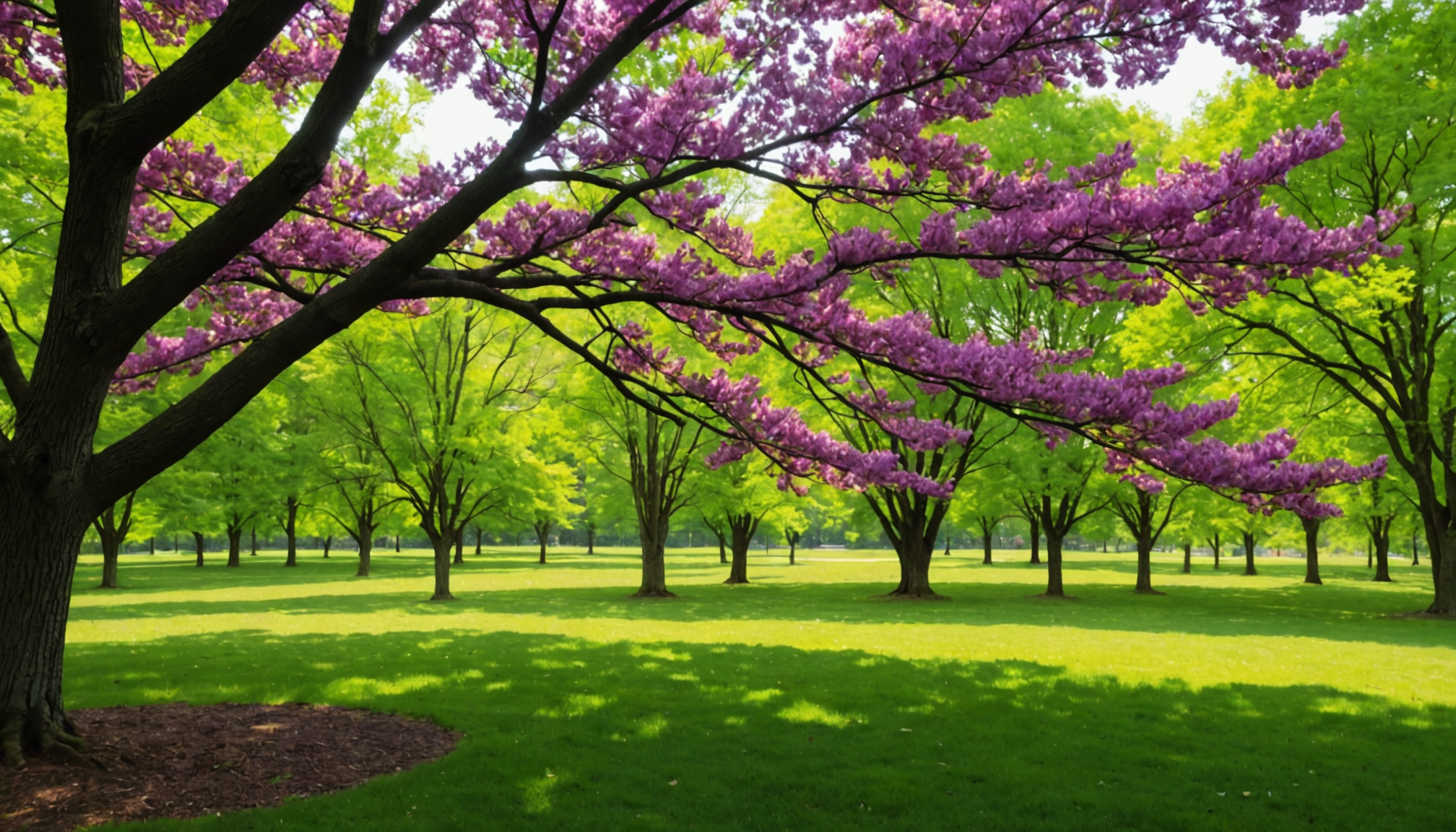 When selecting between deciduous and evergreen trees for your shady yard, it is essential to understand the fundamental differences between these two categories and how they can impact your landscape throughout the year.
1. Deciduous Trees:
– Seasonal Change: Deciduous trees are known for their seasonal cycle of shedding leaves in the fall and regrowing them in the spring. This trait can offer a varied aesthetic appeal, providing lush, full canopies in the warmer months and an open, sunlit space during winter.
– Shade Dynamics: In the spring and summer, deciduous trees provide ample shade, which can create a cool, retreat-like environment. As leaves fall, the increased sunlight can warm the space significantly, benefiting gardens that need light during the cooler months.
– Environmental Benefits: The fallen leaves from deciduous trees enrich the soil as they decompose, fostering a rich mulch that supports soil health and biodiversity.
2. Evergreen Trees:
– Year-Round Foliage: Evergreen trees maintain their foliage year-round, providing constant color and structure to your yard. This makes them ideal for maintaining privacy and greenery during the winter when deciduous trees lay bare.
– Consistent Shade: An evergreen canopy offers a stable shade throughout all seasons, beneficial for areas that require constant cover, such as protecting certain plants or providing a permanent shelter for outdoor seating.
– Low Maintenance: With a slower growth rate and less leaf drop compared to deciduous trees, evergreens demand less frequent clean-up, making them a low-maintenance option for homeowners seeking a tidy landscape.
3. Making Your Choice:
– Cultural Preferences: Consider your personal preferences for seasonal change versus year-round consistency. Some homeowners appreciate the vibrant autumn foliage of deciduous trees and the dynamic change in scenery they bring throughout the year, while others favor the reliability and simplicity of evergreens.
– Landscaping Goals: Determine the primary role of your trees—is it shade, privacy, or aesthetic appeal? Each type offers distinct advantages that align with different landscaping objectives.
– Climate Considerations: Your local climate can greatly influence your decision. In regions with harsh winters, evergreens might provide the necessary shelter for your garden and home, while deciduous trees can be beneficial in areas with hot summers by offering cooling shade.
By weighing these factors, you can select the right variety of trees that align with your aesthetic desires, functional requirements, and environmental conditions, ensuring your shady yard is both beautiful and practical year-round.
Choosing trees for privacy
When it comes to creating privacy with trees, the key is to select varieties that not only thrive in shady environments but also provide dense foliage to establish a natural barrier. This helps ensure your yard remains secluded, shielding it from prying eyes and undesirable noise while adding an aesthetically pleasing element to your landscape.
First, consider trees with a compact, bushy growth habit. Maples and hornbeams, for instance, are excellent choices as they develop broad, leafy canopies that can act as effective visual screens. In addition, they can adapt to various soil types, making them a versatile choice for many different regions and yard conditions. For year-round privacy, American holly can be particularly effective. Its solid, evergreen foliage maintains its structure and color through each season, ensuring constant cover even during the winter months.
Another factor to consider is the height of the trees at maturity, as this will ultimately determine the level of privacy achieved. Leyland cypress and Thuja Green Giant are fast-growing evergreens that can reach impressive heights relatively quickly, making them ideal for creating vertical barriers along property lines or around specific areas within your yard.
To maximize the natural privacy screen effect, planting trees in staggered rows can provide an additional layer of density and depth, making it more challenging for onlookers to see through. This creates an overlapping pattern that increases coverage without requiring a huge volume of trees, which can be an economical solution for those mindful of their landscape budget.
Additionally, consider the breadth and variation in foliage types and colors to enhance aesthetic appeal. Choosing trees that boast a diversity of textures and hues can transform your privacy perimeter into an intriguing feature of your garden rather than just a utilitarian boundary. The Laurustinus offers beautiful white to pinkish flowers, providing both a practical and decorative contribution to your landscape design.
The choice of trees for privacy should also factor in the maintenance level you are prepared to commit to. For a more hands-off approach, favor low-maintenance species that require minimal pruning and care. Deciduous trees like black alder are suitable, as they often need less attention and can still deliver seasonal privacy.
Ultimately, assessing your yard’s unique conditions, such as soil quality, light availability, and water drainage, will influence which tree species will flourish and achieve the desired level of privacy. By integrating these considerations and selecting a mix of deciduous and evergreen options, you will curate a landscape that not only meets your privacy needs but also thrives under the natural shade of your chosen trees.
Low-maintenance tree recommendations
If you’re looking to enjoy the beauty of trees without a heavy commitment to upkeep, consider species that are renowned for their low-maintenance characteristics. These trees can thrive with minimal intervention, allowing you to enjoy their benefits without investing excessive time in care and management.
First off, the Serviceberry (Amelanchier spp.) stands out as an excellent choice. This hardy deciduous tree is not only visually appealing with its beautiful spring flowers and vibrant fall colors, but it also adapts well to a variety of soil types and requires minimal pruning. Its moderate growth rate ensures that it establishes quickly without demanding frequent attention.
Another remarkable option is the Eastern Redbud (Cercis canadensis). With its stunning pink blossoms and heart-shaped leaves, it’s a low-maintenance favorite that does particularly well in dappled shade settings. It’s drought-tolerant once established and requires little more than occasional pruning to maintain its shape.
For evergreen enthusiasts, the American Holly (Ilex opaca) offers year-round greenery and requires minimal maintenance. Known for its resilience, this tree can withstand varying soil conditions and seldom needs pruning, except to shape it as desired. Additionally, its biodiversity benefits extend to providing shelter and food for local wildlife.
The Birch tree family, particularly the River Birch (Betula nigra), presents another low-maintenance option for shady areas. Its peeling, textured bark adds visual interest all year long, and it adapts well to wet, sunny, or semi-shady sites. This tree is relatively pest-resistant and doesn’t require much pruning, making it an excellent low-care option.
If you’re seeking a tree that offers both privacy and ease of care, the Northern White Cedar (Thuja occidentalis) could be an ideal candidate. It grows well even in less fertile soils and offers dense foliage that can form an effective privacy screen. This hardy tree can endure cold climates and requires only occasional shaping to maintain its natural form.
These low-maintenance trees not only simplify the gardening process but also enhance the aesthetic and functional appeal of your shady yard. By selecting species that naturally require less upkeep, you can cultivate a beautiful landscape that provides enjoyment while freeing up time for you to appreciate your outdoor space.
Considerations for tree placement
When planning where to place trees in your shady yard, several key considerations will ensure both optimal growth and aesthetic appeal. Begin by assessing your yard’s layout, noting areas that receive varying degrees of shade throughout the day. Existing structures, such as buildings and fences, and the natural terrain can influence light patterns. Understanding how the sun moves across your yard will help you determine the most suitable locations for specific tree species that thrive in certain light conditions, thereby maximizing their growth potential.
Consider the mature size of the trees you intend to plant. When initially designing your yard, it may be easy to overlook how much space young trees will eventually occupy. To prevent overcrowding and ensure healthy growth, allow ample room for the tree’s mature height and canopy spread. Overcrowded planting can lead to competition for sunlight, water, and nutrients, which may hinder their development and compromise the aesthetic balance of your landscape.
The proximity to buildings, power lines, and underground utilities is vital. Large tree roots can sometimes disrupt sidewalks, driveways, and underground pipelines, while expansive canopies may interfere with power lines and structures, posing safety hazards or necessitating constant maintenance. Consulting a local utility company before digging can prevent inadvertent damage to utilities.
Soil type and drainage capabilities must also be evaluated. Trees that prefer well-drained soil might struggle in areas prone to waterlogging, while those adapted to wetter conditions may not thrive in dry, sandy soils. Conducting a soil test can inform appropriate amendments to create optimal growing conditions tailored to your selected trees’ needs.
Incorporating existing landscape features into your tree placement plan can enhance the overall aesthetic of your yard. For instance, placing trees that offer seasonal beauty, such as colorful foliage or blooms, near windows or outdoor living spaces can enrich your daily experience of your yard, acting as natural focal points with changing visual interest through the seasons.
Finally, consider the functional aspect of tree placement. Strategically located trees can serve as windbreaks, protect against soil erosion, or provide shade that reduces heat around homes or patio areas. By planning thoughtfully, you can achieve a harmonious integration of natural elements into your landscape design that fulfills both practical and aesthetic objectives.
In conclusion, selecting the best trees for your shady yard involves careful consideration of shade types, tree characteristics, and placement factors to create a thriving, harmonious landscape. By weighing deciduous and evergreen options, focusing on privacy, and choosing low-maintenance species, you can enhance your outdoor space with greenery that complements your lifestyle and the environment. Thoughtful planning and selection ensure your shady yard remains inviting and sustainable, offering enjoyment for years to come.