Identifying common fence problems is an essential step in maintaining the integrity and appearance of your property. Whether you are a modern homeowner or involved in real estate, being able to recognize issues early can save time and money. Fences, like any other outdoor structure, are subject to wear and tear over time, which may lead to both minor and significant problems. Being proactive in your approach to fence inspection can prevent more extensive repairs in the future.
One of the most apparent issues you may notice is physical damage to the fence. This could be in the form of broken or splintered wood, bent or rusted metal, and cracked vinyl. Such damages not only diminish the aesthetic appeal of the fence but can also compromise its structural stability. It is crucial to inspect for physical damage routinely, as unresolved issues could lead to further deterioration. Moreover, with the increase in eco-friendly materials in modern fence installations, certain materials may require specific care to prevent damage.
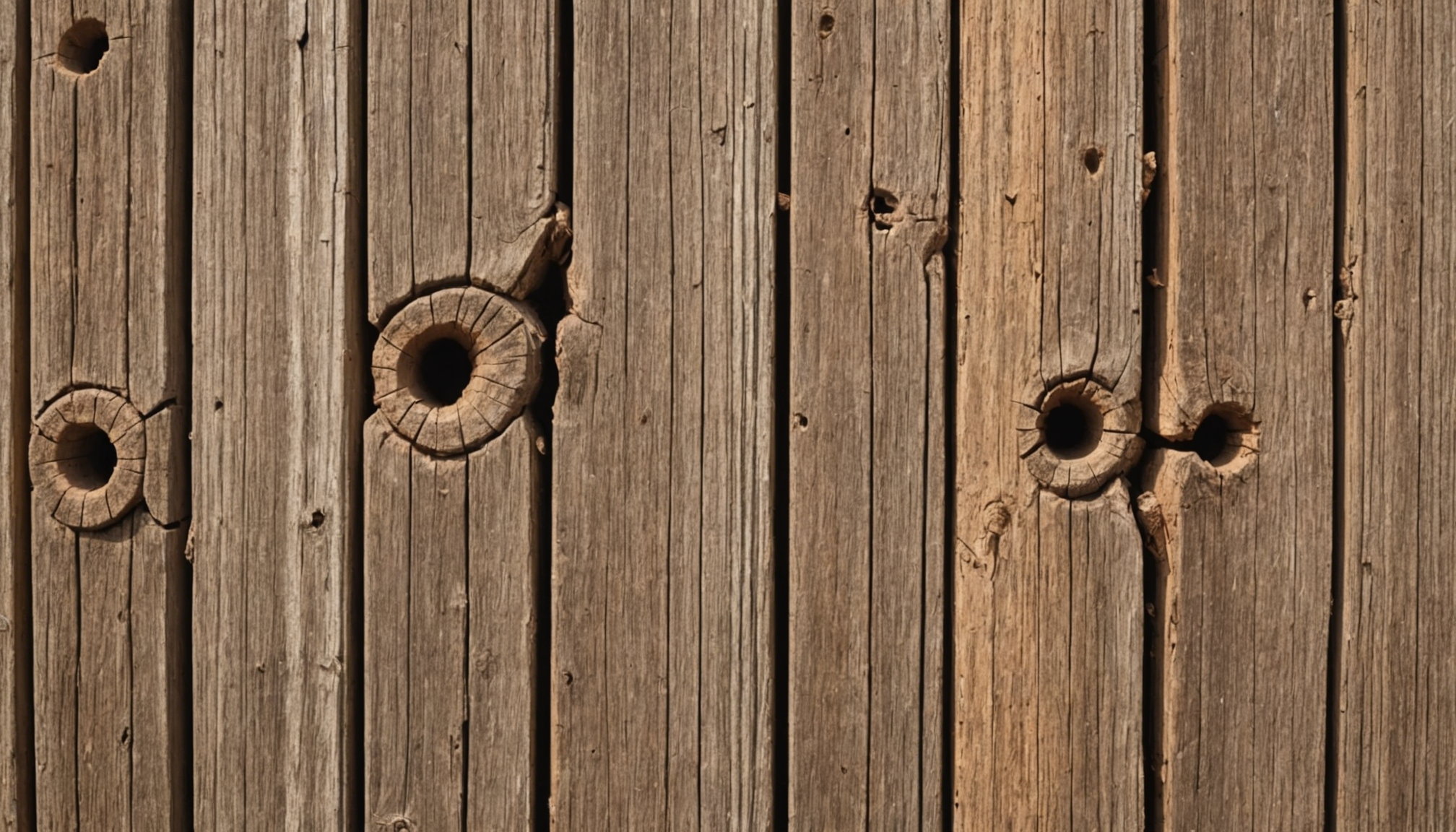
Another common problem is pest infestation. Termites and other wood-boring insects are notorious for causing significant harm to wooden fences. Inspect for signs of these pests, such as small holes in the wood, powdery residues, or even visible swarms. Metal and vinyl fences are less prone to pest damage, yet it’s still important to inspect all types of fences for pests regularly to ensure comprehensive maintenance.
Rot and mold are also prevalent issues, particularly for wooden fences. Moisture is the primary catalyst for rot and mold, so inspecting your fence after heavy rain or during periods of high humidity is beneficial. Black spots on the wood or a musty odor can indicate mold presence, while soft, crumbly spots are signs of rot. Prevention measures, such as applying sealants, can be effective in protecting wood from moisture-related problems.
Assessing the stability and alignment of your fence is vital as well. Fences that lean or have become loose are usually indicative of foundation issues. This problem can be caused by soil erosion, root growth, or a failure in the fence posts. Regularly inspect the ground around your fence and ensure it remains properly aligned to prevent these issues from compromising the fence’s durability.
The table below provides a quick reference to help identify and address the most common fence problems:
| Problem Type | Signs | Potential Cause | Recommended Action |
| Physical Damage | Broken wood, rusted metal, cracked vinyl | Weather conditions, physical impact | Repair or replace damaged sections |
| Pest Infestation | Small holes, powdery residues, visible insects | Termites, wood-boring insects | Consult pest control and treat affected areas |
| Rot and Mold | Discolored spots, musty odor, soft wood | Excessive moisture | Clean mold, apply wood sealant |
| Stability Issues | Leaning fence, loose posts | Soil erosion, root growth | Secure posts, realign fence structure |
Inspecting fences for these common issues should become part of any routine property maintenance plan. By staying vigilant and addressing problems as they arise, you can preserve your fence’s functionality and appearance for years to come.
tools needed for inspection
 To perform a thorough fence inspection, having the right tools at your disposal is essential. Equipped with these items, you can address any issues you may identify while ensuring a comprehensive examination of your fence. Here’s a list of tools you should consider gathering before you start the inspection process:
- Flashlight: A good flashlight is crucial, especially when inspecting areas obscured by shadows or inspecting during twilight hours. It helps in spotting cracks, pest infestations, or any irregularities that may not be visible in ambient light.
- Screwdriver Set: Often necessary for adjusting loose screws or tightening hardware on the fence. A set with different head types will cater to various screws used in different fence materials.
- Level: Use a carpenter’s level to ensure that your fence is straight and vertical. A leaning fence can indicate structural problems such as weakening posts or soil erosion.
- Measuring Tape: This tool is vital for checking any misalignment in the panels or for planning repairs. Accurate measurements can help determine if any sections have shifted over time.
- Hammer: Useful for securing loose nails or dislodging any tightly stuck debris. Choose a hammer suitable for outdoor use to deal with weathered nails and fixtures.
- Protective Gloves: These should not be omitted, as inspecting and handling fence materials can sometimes expose you to splinters, sharp edges, or chemical treatments used for preservation.
- Wire Brush: Perfect for scrubbing away any rust on metal fences or for cleaning wood surfaces of mold and dirt to expose any underlying damage.
- Putty Knife: Ideal for scraping off chipped paint or to help fill in minor cracks on wooden fences. It is essential for preparing surfaces for maintenance tasks such as painting or sealing.
- Binoculars: These might come in handy if your fence is extensive and you need to inspect the top and far edges without climbing or physically reaching over.
- Notebook and Pencil: Documenting your observations during the inspection process is vital. A simple notebook to jot down notes or sketch any areas of concern will greatly assist in planning repairs or when consulting with professionals.
Having this toolkit on hand will not only streamline your inspection process but also ensure that you’re ready to tackle both minor repairs and to identify when professional help is necessary. Being prepared with the appropriate tools can make a significant difference in maintaining your fence’s condition and extending its lifespan.
step-by-step inspection process
Embarking on a thorough examination of your fence might seem daunting, but breaking it down into manageable steps makes the process more straightforward and efficient. This methodical approach will help in detecting any hidden problems that might interfere with your fence’s structural integrity or aesthetic appeal.
Begin by walking the perimeter of your property to visually inspect your fence from top to bottom. Pay close attention to any signs of physical damage such as chips, cracks, or broken sections. Make use of your flashlight to shine into areas that might be hidden by shadows, especially if the inspection is happening during early morning or late afternoon when natural light is not at its strongest.
Next, examine the individual fence posts and panels. Utilize the carpenter’s level to check the verticality of each post. If you notice any leaning or instability, it could indicate deeper foundation issues possibly due to soil erosion or tree root growth. These issues often require more immediate attention to prevent further structural decline.
As you progress, use the measuring tape to ensure that there are consistent distances between the panels. Misalignment may suggest that sections of your fence have shifted over time, perhaps due to extreme weather conditions or gradual soil movement. It’s important to document any significant deviations you find in your notebook for later reference.
Analyze the condition of any metal components using your wire brush to remove rust and examine the underlying metal for corrosion. This is particularly important for those living in moist climates where metal fences are more susceptible to rust. Similarly, inspect wooden fences for signs of wood rot or mold; employ the putty knife to scrape away any chipped paint or mold to reveal the underlying wood condition.
Inspect both sides of the fence thoroughly. If your fence is extensive, consider using binoculars to assess the topmost sections and far edges effectively. This will give you a comprehensive view without the need to physically reach awkward or high places, reducing the risk of injury during the inspection process.
Don’t forget to review the hardware, such as hinges, screws, and bolts. Tighten any loose pieces with your screwdriver set and hammer nails back into place as necessary. Hardware serves as the backbone for your fence’s structure, and keeping it properly maintained ensures that the entire system remains robust and secure against external forces such as wind or inadvertent collision.
Throughout the inspection, be meticulous with note-taking. Document specific areas of concern with clear descriptions and measurements. This log will be invaluable if future repairs are needed or if you need to consult a professional for more substantial issues.
By adhering to these detailed steps, you ultimately uphold the fence’s durability and maintain the property’s overall appeal. Establishing this routine in your property maintenance plan empowers you to address small issues before they turn into major problems, saving both time and cost in the long term. This proactive approach not only enhances your real estate’s attractiveness but also aligns with the needs and standards of modern homeowners who value sustainable and cost-effective solutions.
seasonal maintenance tips
Regular upkeep throughout the year can greatly extend your fence’s life, maintaining both its function and aesthetic appeal. As each season brings different challenges, a tailored approach to maintenance ensures your fence remains in excellent condition.
In the spring, focus on cleaning and repair. As the frost thaws, inspect your fence for any winter damage such as cracks, warping, or loose nuts and bolts. This is the ideal time to wash away dirt or mildew that may have built up over the colder months. Use a mild detergent and a soft brush to avoid damaging the materials. If your fence is painted or stained, spring is an excellent time to refresh these finishes to protect against impending summer sun.
Summer is all about protection against heat. For wooden fences, ensure they have a good quality sealant applied, which can prevent warping and cracking from prolonged exposure to the sun. Metal fences might require a protective rust-resistant coating to help them withstand humidity or sudden downpours typical of summer storms. It’s also the perfect time to trim back any plant overgrowth that can trap moisture and lead to decay or pest attraction.
As fall approaches, focus on stabilization and preparing for potential storms. Check the fence posts for stability, as strong autumn winds can wreak havoc on poorly secured fences. Use this time to tighten or replace any loose or damaged hardware that could be compromised by heavy winds. Clear leaves and debris that can accumulate on or around the fence, which might lead to unwanted moisture buildup or added weight.
Winter demands a keen eye on weather-related wear and tear. Regularly inspect for signs of ice damage or rust if you’re dealing with metal. It may be beneficial to install temporary windbreaks or additional supports if your area is prone to strong winter gales. If snow and ice are prevalent, occasionally clear these off of your fence to prevent excess weight or ice buildup that may cause damage to both the material and structure.
By being mindful of the unique demands each season places on your fence, you establish a proactive maintenance schedule. Not only does this approach fortify your fence against common seasonal threats, but it also aligns with the priorities of the modern homeowner who seeks to maintain real estate value through efficient and sustainable practices. Consistent seasonal care is a testament to your commitment to property preservation, reflecting a thorough understanding of fencing as an integral component of a well-maintained home and yard.
when to call a professional
There are certain situations where calling in a professional is the best course of action. One key indicator is the presence of significant structural damage, such as large sections of the fence that are leaning or have collapsed. These issues may require expertise beyond basic repairs, especially if the damage is due to foundational problems or extensive corrosion in metal fences.
If you encounter widespread pest infestation, such as termites in a wooden fence, professional pest control should be prioritized. These experts possess the knowledge and treatments necessary to eradicate the issue without further damaging the fence or the surrounding environment. Additionally, they can offer advice on preventive measures to protect against future infestations.
In cases where there is extensive rot or mold, especially if it is widespread or deeply ingrained in the wood, a professional can provide a more thorough assessment and recommend the appropriate treatment options. They may suggest replacing large sections of the fence or applying specialized products to safeguard against future issues.
When dealing with complex repairs, such as replacing intricate hardware or addressing advanced alignment issues, a professional can ensure that the job is performed correctly and securely. Incorrect repairs might exacerbate the damage or decrease the fence’s longevity.
Another scenario to consider is the need for compliance with local building regulations or homeowners’ association guidelines. Professionals are often familiar with these rules and can offer guidance to ensure that the repairs comply with necessary standards. Going this route can help avoid potential fines or the need to redo work that does not meet specific requirements.
Finally, if your schedule does not allow time for proper inspection and maintenance, entrusting the task to a professional can alleviate the stress of managing fence care as part of your overall real estate maintenance plan.
In conclusion, maintaining your fence through regular inspection and seasonal care not only enhances its longevity and aesthetic appeal but also supports the overall value of your property. Timely identification and repair of issues, whether handled personally or by professionals, ensure that the fence remains a robust, integral part of your home. By staying proactive and informed, you uphold your fence’s integrity, reflecting a thoughtful and responsible approach to real estate maintenance.