Before you embark on the journey of enhancing your attic’s insulation, it is crucial to assess the current state of your insulation. This initial evaluation provides a foundation for any improvements and ensures that your efforts are both cost-effective and efficient. Knowing the state of your attic insulation will help you determine whether a complete overhaul is necessary or if minor adjustments will suffice.
Begin by inspecting the attic for visible signs of wear and tear in the existing insulation material. This might include noticing places where insulation appears thin, where there might be mold growth due to moisture, or any areas that are frequently subject to drafts. A comprehensive look around the attic space will also account for any damage caused by pests or other environmental factors.
- Check for visibly uneven insulation levels across the attic. Uneven layers or gaps can lead to cold spots during the seasonal decline in temperatures, negatively impacting your home’s energy efficiency.
- Touching the insulation can reveal its condition. It should feel fluffy and dry. Damp or compacted material indicates that replacement might be necessary.
Measuring the existing insulation against recommended R-values for your region is another critical aspect. The R-value measures the material’s resistance to heat flow; the higher the R-value, the better the material insulates. Regional climate conditions influence the R-value requirements. Consulting local building codes or energy audits can give you an accurate picture of what’s expected in your area.
| Climate Zone | Suggested R-Value |
| 1 (Warmest) | R30 to R49 |
| 2 | R30 to R60 |
| 3 | R30 to R60 |
| 4 | R38 to R60 |
| 5 | R49 to R60 |
| 6 | R49 to R60 |
| 7 (Coldest) | R49 to R60 |
Once you’ve assessed the physical condition and effectiveness of your existing insulation, you can plan the next steps effectively. Keep in mind that well-insulated attics not only contribute to lower energy costs but also equate to a more comfortable home environment for your family, regardless of the weather outside. An efficient attic insulation system plays a pivotal role in regulating internal temperatures during both the cool and warm months, ensuring year-round comfort.
choose the right insulation material
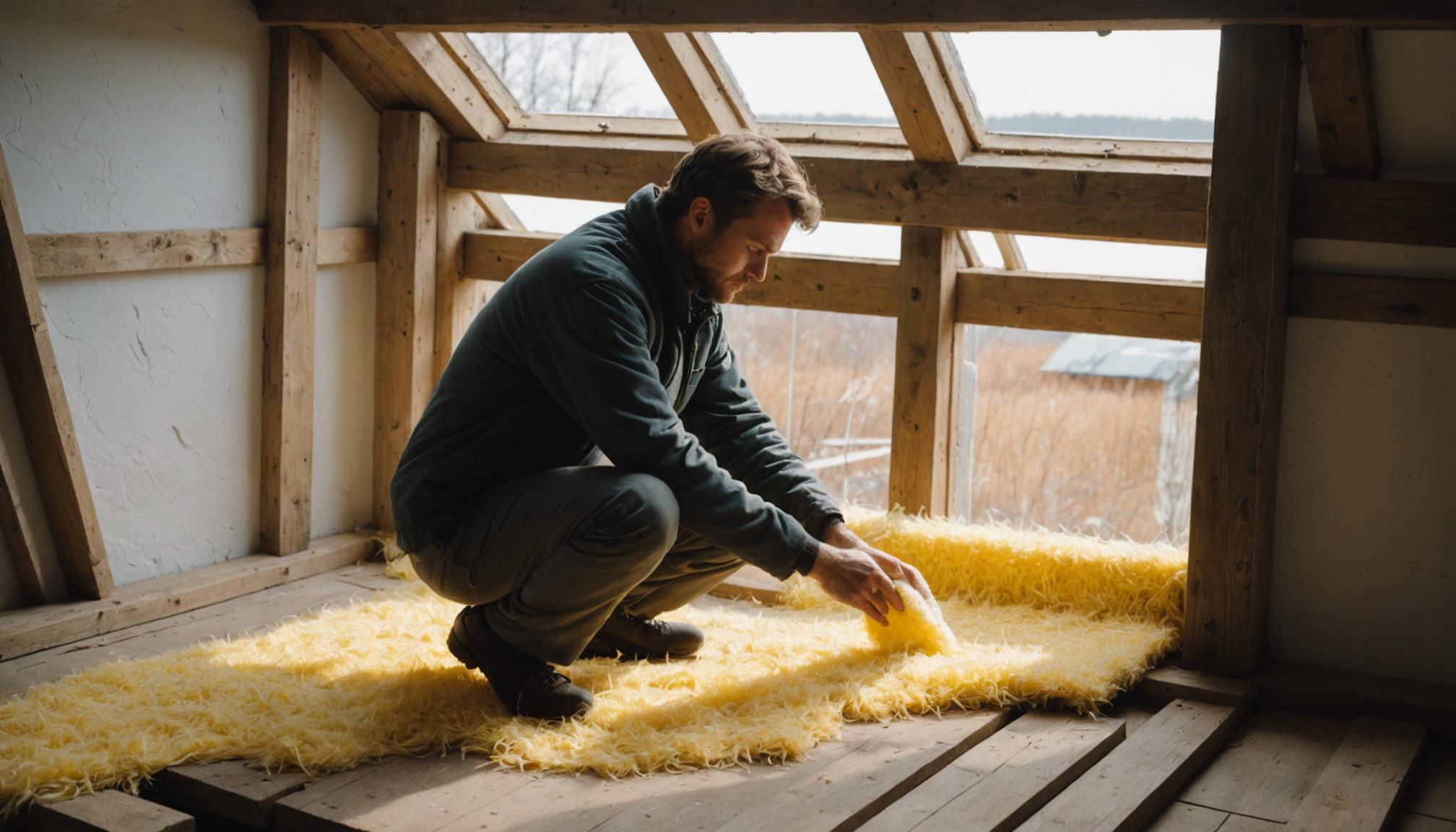 When it comes to selecting the right material for attic insulation, there are several options to consider, each with its own benefits and drawbacks. It’s important to choose a material that not only suits the climate of your region but also matches the specific needs of your home. Below is a step-by-step guide to help you make an informed decision:
- Understand the Types of Insulation: Begin by familiarizing yourself with the different types of insulation available, such as fiberglass batts, blown-in cellulose, spray foam, and rigid foam panels. Each type has unique properties that suit different applications and budget considerations.
- Fiberglass Batts: These are pre-cut panels of insulation known for their ease of installation and affordability. They are popular for DIY projects and offer good thermal performance.
- Blown-in Cellulose: Made from recycled paper treated with a fire retardant, cellulose is ideal for filling irregular spaces and offers excellent soundproofing qualities.
- Spray Foam Insulation: This type of insulation expands on application, effectively sealing gaps and providing a high R-value, making it a preferred option for energy-efficient homes.
- Rigid Foam Panels: Known for their high insulating value relative to thickness, these panels are best suited for areas where space is limited and can also add structural rigidity.
- Evaluate Cost and Installation: While selecting, consider the cost and complexity of installation. Some materials, like fiberglass batts, are more DIY-friendly, whereas options like spray foam may require professional installation, potentially increasing costs.
- Consider Climate and Regional Needs: Account for your home’s location, as regional climate significantly impacts the type of insulation that should be used. For instance, in colder climates, materials with a higher R-value may be necessary to maintain seasonal comfort and prevent heat loss, ensuring your family remains warm during harsh winters.
- Examine Environmental Impact: Opt for materials that are environmentally friendly and safe. For instance, cellulose insulation is made from recycled materials and is considered one of the most eco-friendly options available. Consider the sustainability of materials, especially if environmental considerations are a priority for your family.
- Research Long-Term Benefits: High-quality insulation can be an investment that pays off in the long run through energy savings. Materials like spray foam, though initially costly, provide superior air sealing and long-term energy efficiency, reducing heating and cooling bills over the years.
- Seek Professional Advice if Needed: Don’t hesitate to reach out to insulation professionals for advice on which material might be best for your attic’s specific conditions. Their expertise can help ensure that your chosen insulation not only meets building codes but also enhances your home’s overall energy efficiency.
Choosing the proper insulation material is a vital step in ensuring that your attic remains an effective barrier against temperature extremes, helping to regulate the interior climate of your home. By taking the time to select the right material, you can enhance your attic’s insulating capabilities, ultimately leading to a more comfortable, energy-efficient living space year-round.
seal air leaks and gaps
One of the most critical steps in effectively insulating your attic is to address and seal any air leaks or gaps. These gaps are often insidious culprits of energy inefficiency, allowing conditioned air to escape and outside air to infiltrate your living space. By dedicating time and effort to sealing these leaks, you can significantly enhance your home’s overall energy performance, contributing to lower heating and cooling costs as well as a more comfortable environment for your family.
Start by identifying common areas where air leaks are likely to occur. These include spaces around chimneys, ductwork, and plumbing vents. Small cracks or openings around recessed lighting fixtures, electrical outlets, and wiring penetrations are also typical trouble spots. It’s crucial to be thorough in this process, as even minor gaps can lead to significant energy loss.
Using materials such as caulk or spray foam, effectively seal these areas to prevent unwanted air exchange. Spray foam, in particular, is highly efficient for filling larger gaps and providing a permanent, airtight seal. For smaller cracks and openings, acrylic latex caulk can be a budget-friendly and effective choice. In more extensive projects, specialized tapes and sealant membranes may also be required to ensure comprehensive coverage.
By creating a fully sealed attic space, you’re not only improving your home’s energy efficiency but also enhancing the longevity and performance of your chosen insulation material. Over time, properly sealing these gaps helps maintain the consistent effectiveness of insulation, ensuring that it doesn’t suffer from seasonal performance fluctuations due to unregulated air movement.
Additionally, taking the initiative to eliminate air leaks reduces the burden on your HVAC system, potentially extending its lifespan and reducing maintenance costs. A tightly sealed attic may also protect against moisture intrusion, which can lead to mold growth and compromise your family’s health and the structural integrity of your home.
Ultimately, focusing on sealing air leaks and gaps is an investment in the efficiency and preservation of your attic insulation. It’s a pivotal step that ensures that when you delve into other insulation improvement strategies, you’re building upon a solid foundation, maximizing the comfort and energy savings for your home throughout all seasons.
install vapor barriers
Installing vapor barriers in your attic is a crucial yet often overlooked step when insulating your home. Vapor barriers are designed to prevent moisture from penetrating your attic insulation, which can lead to a variety of issues such as mold growth, reduced insulation efficiency, and structural damage. By taking the time to properly install these barriers, you can significantly extend the lifespan and effectiveness of your attic insulation, ensuring optimal energy efficiency and a more comfortable home environment for your family.
When installing vapor barriers, it’s essential to understand the role they play in your home’s overall insulation strategy. Vapor barriers work by blocking the passage of moisture-laden air into the insulation materials. This is particularly important in seasons when the temperature differential between indoor and outdoor environments is high, like in winter, when warm indoor air can carry moisture that condenses within the cooler insulation layers. This condensation can degrade the insulating properties of materials such as fiberglass or cellulose, reducing their ability to effectively regulate your home’s temperature.
Begin by selecting the right type of vapor barrier for your attic. Common materials include polyethylene plastic sheeting, foil-faced paper, or kraft paper-backed insulation. The choice of barrier often depends on your specific climate needs and the type of insulation you are using. For instance, in more humid climates, a thicker and more durable barrier may be necessary to combat the increased moisture levels.
The installation process requires a methodical approach. Ensure that the barrier covers the entire surface without any gaps or overlaps that could allow moisture to bypass the protective layer. If you’re using rolls of plastic sheeting, lay them out in long, continuous strips, fastening them securely to the framing with staples or adhesive as needed. Pay special attention to sealing the edges and seams with appropriate tapes or sealants to guarantee a complete moisture lock.
It’s important to check that the vapor barrier is placed on the warm side of the insulation. In most cases, this is directly beneath the attic’s inner surface, facing the living space below. Incorrect placement can trap moisture within the insulation layer, leading to the very problems you’re trying to prevent.
Additionally, ensure that special attention is given to areas prone to higher moisture accumulation, such as near kitchen exhausts, bathroom vents, and any section of the attic adjacent to plumbing fixtures. Provide adequate ventilation to expel any moisture that does penetrate, especially in attics that see seasonal fluctuations in air density and humidity levels.
Remember, installing vapor barriers not only protects your attic insulation but also plays a pivotal role in maintaining the overall integrity of your home’s structure. By keeping moisture at bay, you contribute to a healthier living environment free from mold-related health hazards, along with lower energy bills and increased comfort for your family across all seasons.
maintain insulation efficiency
Keeping your attic insulation efficient over the long term requires ongoing attention and maintenance to ensure optimal performance. Regularly inspect your attic to spot any changes or issues that could affect the insulation’s effectiveness. Start by watching for signs of wear, such as sagging, compression, or dampness in the insulation material. Moisture is a significant threat to insulation efficiency, as wet insulation is less effective at resisting heat flow and can even lead to mold growth. Therefore, addressing any leaks or moisture intrusion promptly is critical.
Dust and debris accumulation can also impact your attic’s insulation performance. Periodically vacuum or gently brush away excessive debris to prevent it from impeding the insulation’s ability to function properly. Additionally, monitor for any signs of pest infestation, as rodents or insects can damage insulation, leading to reduced effectiveness. Setting traps or hiring pest control services can help mitigate this risk.
Temperature fluctuations in your attic are an important factor to consider as well. Make sure there’s adequate ventilation to prevent heat build-up, particularly in the warmer months. Excessive heat can degrade insulation materials, so proper airflow is essential for maintaining efficiency. Ensuring your attic is adequately ventilated helps regulate temperature and moisture levels, supporting seasonal insulation effectiveness and longevity.
Consider adding more insulation if you notice cold spots or temperature changes in your home. Over time, older insulation may settle or compact, becoming less effective. Adding a new layer can help boost thermal resistance and keep your home comfortable year-round. Always compare the current insulation levels with the recommended R-values for your region to determine if a top-up is necessary.
Conducting annual energy audits or semi-regular infrared scans can also help pinpoint areas where the insulation may not be performing optimally. These assessments allow you to make informed decisions about how to enhance your attic’s insulating capabilities further. Involving professionals in such evaluations might provide a more comprehensive understanding of your attic’s condition.
Consistently maintaining insulation efficiency in your attic is an investment in your home’s long-term energy performance and comfort. Staying vigilant and proactive with inspections and upkeep will ensure your insulation continues to serve as a robust barrier against the cold and heat, keeping your family comfortable throughout every season.
In conclusion, insulating your attic effectively involves a multi-step approach that includes assessing current insulation, selecting appropriate materials, and addressing air leaks and moisture concerns while ensuring long-term performance through regular maintenance. Investing time and resources into these strategies will not only improve energy efficiency but also enhance your home’s comfort, making it a wise choice for any homeowner.