Before embarking on the journey to replace your attic, conducting a thorough evaluation of its current condition is an essential step. This preliminary analysis will help you determine the scope of the project, budget accurately, and ensure structural integrity. With a meticulous assessment, you can transform this often neglected space into a functional, eco-friendly haven or increase your home’s resale value, making it a worthwhile investment.
Begin your evaluation by examining the structural framework of your attic. Look for signs of damage such as cracks, sagging beams, or any compromised areas that might require repair or reinforcement. It’s crucial to identify these issues upfront to avoid costly surprises during the renovation process. Additionally, assess the condition of the flooring to ensure it can support the weight of new materials or alterations. A weak or damaged floor could necessitate reinforcement or complete replacement, impacting both cost and time.
Another key aspect to investigate is the attic’s current insulation and ventilation systems. Adequate insulation and proper airflow are vital for maintaining energy efficiency and preventing moisture buildup. Inspect for any signs of water damage such as stains or mold, as these could indicate leakage or insufficient ventilation that needs addressing. Consider whether the existing insulation is capable of supporting an eco-friendly upgrade by evaluating its R-value and condition.
Furthermore, take into account the attic’s accessibility. Evaluate the stairs or ladders leading to the attic space—are they sturdy, safe, and compliant with local building codes? Accessibility improvements might be necessary to ensure safe and convenient use of the space.
Incorporating a detailed checklist during your evaluation will help ensure no critical aspect is overlooked. Here’s a basic checklist to guide you:
- Check structural integrity: beams, rafters, and flooring
- Assess insulation and ventilation integrity and effectiveness
- Inspect for signs of water damage, mold, or pests
- Evaluate accessibility and safety compliance
Once you have a solid understanding of the attic’s current state, it will be easier to make informed decisions about the materials and strategies required for your attic replacement project. Armed with this knowledge, the transition from an underutilized attic to a functional, valuable space will be seamless and efficient.
To aid in the decision-making process, a comparison of essential attic elements may be helpful:
| Aspect | Considerations |
| Structural Framework | Look for cracks, rot, or structural weakness |
| Insulation | Evaluate existing material for R-value and coverage |
| Ventilation | Ensure there’s adequate airflow to prevent moisture issues |
| Accessibility | Check current stair or ladder setup for safety |
Conducting a comprehensive evaluation is not only a precursor for effective planning but also an opportunity to pinpoint potential hiccups before they evolve into major hurdles during the replacement process.
choosing the right materials for replacement
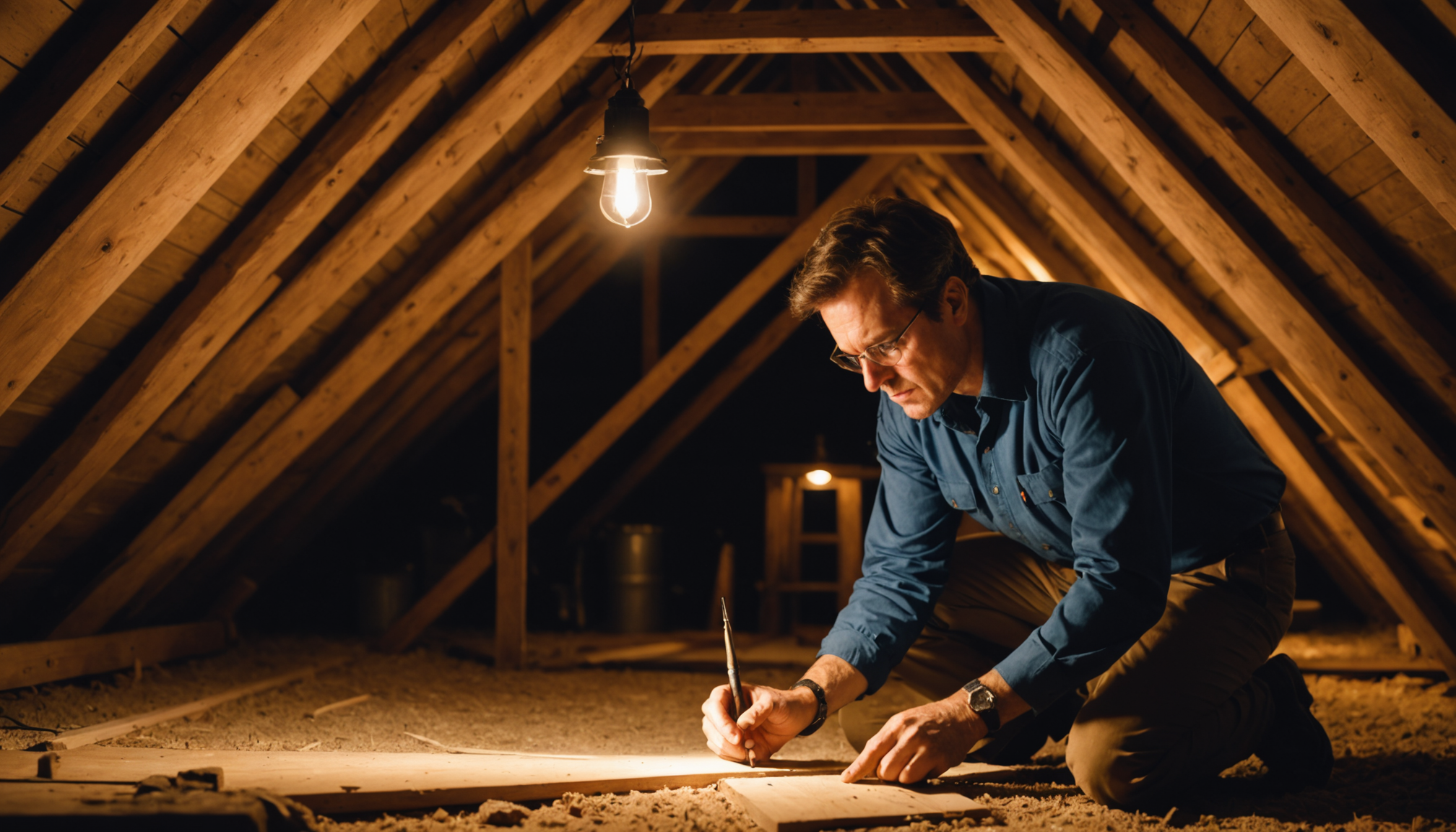 Choosing the right materials for replacing your attic can significantly impact both the effectiveness and the long-term value of the renovation. An informed choice ensures the creation of an eco-friendly and functional space, enhancing your home’s overall investment return. Here is a step-by-step guide to assist you in selecting the most suitable materials for your project:
1. Insulation Materials:
– Begin with evaluating insulation options that offer high R-values, ensuring energy efficiency and comfort in your new attic space. Popular choices include fiberglass batts, spray foam insulation, and cellulose.
– Fiberglass Batts: These are easy to install and cost-effective. However, check that they are formaldehyde-free to safeguard indoor air quality.
– Spray Foam Insulation: Provides superior air sealing and high R-values but tends to be pricier. It is excellent for maximizing energy efficiency.
– Cellulose: Made from recycled paper products, cellulose is an eco-friendly option that offers decent R-values and resists pests naturally.
2. Flooring Options:
– Choose flooring based on the intended use of the attic. For a living space, consider sturdy and durable options like engineered wood or laminate flooring.
– Engineered Wood: Offers a warm aesthetic similar to hardwood but is typically more moisture-resistant, making it a solid choice for attic environments.
– Laminate Flooring: Cost-effective and available in various designs, it’s easy to install and maintain, suitable for multipurpose attic spaces.
– For storage purposed attics, sturdy plywood can suffice while considering load capabilities.
3. Wall and Ceiling Materials:
– Ensure that walls and ceilings provide adequate insulation and match the aesthetic goals for the attic. Drywall is the standard choice due to its affordability and versatility.
– Moisture-Resistant Drywall: Ideal for areas that may experience dampness. This type can prevent mold growth, crucial for healthy indoor environments.
– Consider adding a layer of soundproofing material if the attic is to be used as an office, playroom, or recording space.
4. Ventilation Systems:
– Adequate ventilation is crucial to maintain air quality while preventing moisture buildup that could damage other materials.
– Options include ridge vents, soffit vents, and attic fans. Ridge vents are favorable for being unobtrusive and efficient.
– Attic fans are useful in climates with high temperature variations, helping to circulate air and maintain consistent temperatures.
5. Windows and Natural Lighting:
– Incorporate windows or skylights to maximize natural light, making your attic more inviting while reducing the need for artificial lighting.
– Choose energy-efficient windows or skylights to prevent heat loss or gain, complementing your insulation efforts.
6. Eco-Friendly Considerations:
– As you select materials, prioritize sustainable options that minimize environmental impact. This could mean recycled materials, sustainably sourced wood, or non-toxic finishes.
– Eco-friendly choices not only contribute positively to the environment but can also enhance the appeal of your home to potential buyers, adding to the investment value.
By carefully selecting materials that balance functionality, aesthetics, and environmental considerations, you can optimize your attic replacement project for both short-term satisfaction and long-term returns. As you proceed, keep in mind the specific needs of your household and local climate to tailor these options effectively.
cost-effective strategies for attic replacement
When embarking on a project to replace your attic, optimizing the process for cost-effectiveness is crucial for ensuring that you achieve excellent results without unnecessary financial strain. One of the most strategic ways to save money is by planning meticulously from the start, which involves leveraging detailed budgeting and thorough research of potential expenses.
Begin by identifying areas where you can repurpose existing materials instead of purchasing new ones. This will not only help reduce costs but also lends an eco-friendly touch to your project. For instance, if the existing insulation is still in good condition, it might be viable to supplement rather than replace it entirely. Similarly, evaluate whether certain structural components can be reinforced instead of replaced.
Consider adopting a phased approach to the renovation. Instead of attempting to complete the attic replacement all at once, break the project into manageable phases. This allows for better financial management, as costs are spread over a longer period. Additionally, this approach can provide flexibility to incorporate new ideas or materials as the project progresses without overwhelming your budget.
Another effective strategy involves seeking competitive bids from contractors. Solicit multiple quotes and compare them not only in terms of cost but also the scope of work offered. Don’t hesitate to engage in negotiations or inquire about any potential for discounts, especially if you are considering hiring for off-peak seasons when labor generally costs less.
If you have the time and skills, DIY efforts can also lead to substantial savings. Simple tasks, such as painting or installing insulation, can be managed without professional help, assuming proper safety measures and research are carried out. However, it’s vital to understand your limits and know when professional intervention is necessary to avoid costly mistakes.
Leveraging financing options that fit your circumstances can ease upfront financial burdens. Look into home improvement loans or local government incentives that might offer grants or tax benefits, especially for eco-friendly upgrades. It’s also worth checking with your utility company for rebates on energy-efficient installations, such as attic insulation or energy-efficient windows.
Lastly, it is essential to think of this renovation as a long-term investment. Prioritizing quality over immediate cost savings ensures that you are making an investment into your home’s future value. A well-planned attic replacement can yield substantial returns not only in the form of improved livability but also by enhancing the overall market value of your property.
By applying these strategies and keeping an eye on both immediate and long-term costs, replacing your attic becomes a worthwhile endeavor contributing positively to your home and financial well-being.
essential tools and equipment needed
Embarking on an attic replacement project requires more than just enthusiasm and vision—it demands the right set of tools and equipment to ensure the execution is both efficient and safe. As you prepare to transform your attic into a functional space, equipping yourself with the necessary tools is a crucial step that will significantly impact the quality and pace of your work.
Begin with personal safety equipment, which is paramount. Protective gear such as safety goggles, gloves, dust masks, and sturdy boots should be non-negotiable items on your list. These essentials are vital when dealing with insulation materials, debris, or potential hazards like exposed beams and nails. A hard hat is also advisable, especially in situations where you are working in tight spaces or beneath exposed structural elements.
Next, consider the basic but indispensable tools for almost any type of renovation project. A reliable tape measure, hammer, utility knife, and a set of screwdrivers are the starting points of your toolkit. Ensure you have a high-quality power drill, which will prove invaluable for securing materials and fixtures efficiently. If your plans include installing new flooring or other large elements, a circular saw or jigsaw will be beneficial for precise cuts.
If replacing insulation is part of your upgrade, make sure you have a staple gun to quickly and effectively secure materials. A measuring square can help ensure precise cuts, maintaining the integrity and performance of the insulation. In the case of more complex tasks such as re-framing sections of the attic or adding structural reinforcements, larger equipment like a nail gun or reciprocating saw might be necessary.
Providing adequate lighting is also essential, given that attics often lack natural light. Ensure you have a few portable work lights or a powerful LED headlamp. These will help maintain visibility while minimizing the risk of accidents during your work.
For those involved in more detailed aspects of the renovation, like installing new drywall or trimming, specialized tools like a drywall lift can save both time and physical strain, allowing for precise installations without the need for additional hands.
Ventilation installation or improvement is another key task commonly associated with attic replacements. For this, you’ll need various saws to cut openings for vents, plus caulking guns and insulation foam to seal any gaps and ensure energy efficiency—an eco-friendly investment that increases both comfort and sustainability.
Finally, ladders or scaffolding can be critical, depending on the height and accessibility of your attic space. Stable, quality equipment can prevent accidents and configuration difficulties, making your work experience much smoother.
Equipped with these essential tools and equipment, you can confidently tackle your attic replacement project, transforming your space into a valuable and functional part of your home. Remember, investing in quality tools not only facilitates an effective renovation but also lays the foundation for future home improvement endeavors, enhancing the longevity and safety of your efforts.
steps to ensure proper insulation and ventilation
Proper insulation and ventilation stand as cornerstones for any successful attic replacement project, ensuring both comfort and sustainability. A well-insulated and adequately ventilated attic can significantly reduce energy consumption, ultimately leading to decreased utility bills and a smaller environmental footprint. Begin by assessing your insulation needs based on local climate conditions and your home’s specific requirements. High R-value insulation materials, such as spray foam or cellulose, are particularly beneficial for maintaining optimal thermal performance.
Start by sealing any gaps or cracks in the attic’s structure to prevent air leaks. This step not only helps maintain a consistent temperature but also protects against moisture infiltration, which can lead to mold and structural damage. Using expanding foam or weatherstripping around edges and joints is a cost-effective way to achieve airtight seals.
Once gaps are addressed, focus on installing new insulation or enhancing existing layers. Fiberglass batts are a popular choice for their ease of installation, while spray foam offers superior coverage and air-sealing properties, albeit at a higher cost. Cellulose, being both effective and eco-friendly, provides an excellent alternative that also offers soundproofing benefits. Be sure to position insulation evenly to avoid cold spots, which can compromise energy efficiency.
Ventilation is equally vital, as it allows the attic to breathe, preventing moisture buildup that can damage insulation and the roof structure. Attic ventilation can be achieved through a combination of intake vents, typically located under eaves or in soffits, and exhaust vents positioned at or near the roof ridge. This setup promotes a continuous flow of air, helping to expel warm, moist air and draw in cooler, drier air.
Consider installing ridge vents along the roof’s peak, which are both effective and visually unobtrusive. Additionally, soffit vents or gable vents can enhance airflow, and attic fans may be installed to boost air movement, especially in regions with extreme temperatures. Confirm that your ventilation system not only adequately exchanges air but also complements the attic’s insulation, optimizing your home’s overall energy efficiency.
Insulating and ventilating your attic with precision ensures a stable, comfortable environment that enhances your household’s sustainability initiative. It’s an investment in maintaining the integrity of your attic space, promoting a healthier living environment while maximizing the structural longevity of your home.
In conclusion, replacing your attic is a substantial endeavor that requires careful consideration and planning. By evaluating its condition, selecting appropriate materials, employing cost-effective strategies, acquiring the necessary tools, and ensuring proper insulation and ventilation, you transform your attic into a valuable asset. This project not only enhances your home’s functionality and livability but also represents a mindful investment in both your property and the environment. With attention to detail and thoughtful execution, your new attic space will serve your needs beautifully for years to come.