When it comes to keeping your curtains and blinds looking their best, selecting the appropriate cleaning tools is the cornerstone of an efficient and effective maintenance routine. The right tools not only simplify the process but also ensure that your window treatments remain in excellent condition, prolonging their lifespan while preserving their appearance. Considerations such as the type of curtains or blinds, the specific materials they are made from, and the kind of pollutants they are exposed to will guide your choice of cleaning tools.
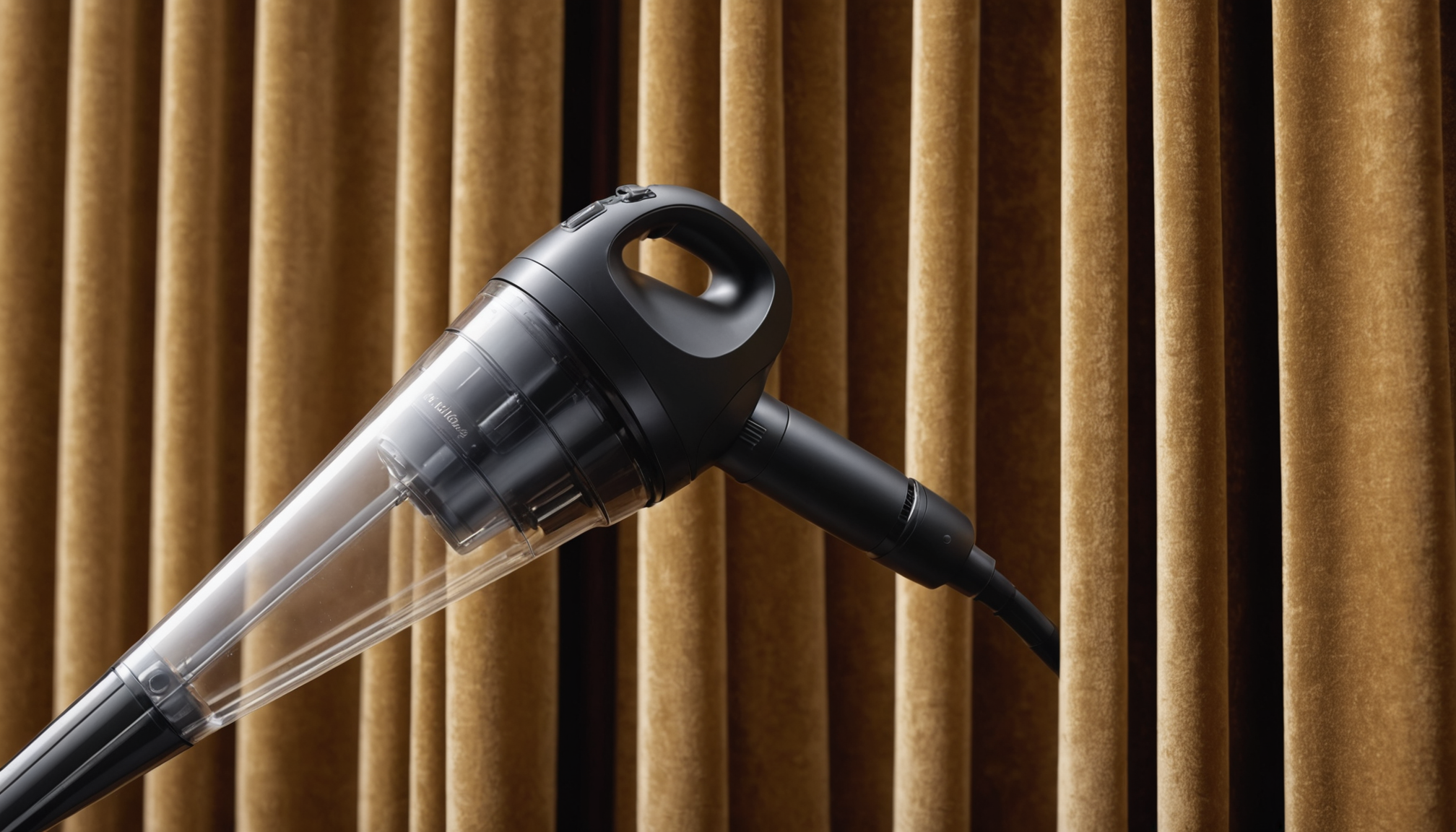
For curtains, a vacuum cleaner with a brush attachment is often indispensable. This tool is particularly useful for removing dust and debris that accumulate over time, especially in folds and crevices. A handheld vacuum cleaner can offer more precision and control, making it easier to reach these intricate areas. Furthermore, incorporating a lint roller into your regimen can help in eliminating pet hair and smaller particles that the vacuum might miss.
When dealing with blinds, both vertical and horizontal, a microfiber cloth comes highly recommended. These cloths are designed to capture and hold onto dust effectively, reducing the likelihood of smearing or spreading grime around. Additionally, blind dusters, which have multiple prongs, can clean several slats at once and are more efficient than traditional dusting methods. In cases where blinds are exposed to greasier environments, such as kitchens, using a gentle cleaning solution in conjunction with the microfiber cloth can help break down and remove these residues. Proceed by drying them with a separate clean cloth to avoid streaks.
For a comprehensive overview, the following table outlines recommended cleaning tools for various curtain and blind materials:
| Material Type | Preferred Cleaning Tools |
| Heavyweight Curtains (e.g., velvet) | Vacuum with brush attachment, lint roller |
| Lightweight Curtains (e.g., lace, sheer) | Soft-bristled brush, handheld steamer |
| Wood Blinds | Microfiber cloth, dry dusting mitt |
| Aluminum or Vinyl Blinds | Blind duster, soapy water with microfiber cloth |
It is crucial to note that using the wrong tools can result in damage. For instance, harsh brushes or abrasive pads can scratch and wear down delicate materials. Therefore, always prioritize tools that are gentle yet effective, tailoring them to the specific demands of your window treatments. Additionally, consider investing in tool sets made specifically for blinds, which typically include specialized dusters and cleaning gadgets that streamline the entire process.
By investing time in selecting the right cleaning tools tailored to your curtains and blinds, not only will cleaning become less of a chore but also significantly more effective. This conscious choice boosts the durability and the aesthetic appeal of your curtains and blinds, ensuring they remain an integral part of your home’s decor for years to come.
understanding fabric types
 Understanding the different types of fabric used in curtains is essential for proper cleaning and care, as each type requires unique approaches to maintain its quality and appearance. Here’s a guide to help you identify and understand common curtain fabrics and the specific care they require:
1. Cotton Curtains
Cotton is a versatile and durable fabric often used in curtains due to its wide range of weights and weaves.
– Care Tips:
– Before cleaning, check the label to see if the cotton curtain is pre-shrunk. If not, machine washing might cause shrinkage.
– Use cold water settings to prevent fading and damage.
– Opt for a mild detergent to maintain the fabric’s color and integrity.
– For drying, air dry to prevent shrinking, or use a low-heat setting if machine drying.
2. Linen Curtains
Known for its luxurious texture, linen is a natural fabric that offers elegance but is more prone to wrinkles.
– Care Tips:
– Hand washing is often preferred to avoid excessive wrinkling and shrinkage.
– If machine washing, use cold water and a gentle cycle.
– Avoid twisting or wringing the fabric to keep its shape.
– Iron on a low setting while the fabric is still slightly damp to eliminate wrinkles.
3. Velvet Curtains
Velvet is plush and heavy, providing excellent light blockage and insulation.
– Care Tips:
– Velvet curtains generally require dry cleaning to maintain their structure and luxurious feel.
– For routine maintenance, use a vacuum with a soft brush to remove dust and prevent flattening of the pile.
– Spot clean immediately when spills occur to prevent permanent stains. Gently dab, don’t rub.
4. Silk Curtains
Silk offers a delicate, sophisticated look but is sensitive to light and moisture.
– Care Tips:
– Always check the care label. Dry cleaning is usually recommended to prevent water stains and fading.
– Minimize exposure to direct sunlight to prevent color fading.
– For spot cleaning, use a mild soap solution and gently blot the area.
5. Polyester Curtains
Polyester is a popular choice due to its durability, affordability, and low maintenance.
– Care Tips:
– Machine washable with mild detergent; use a gentle cycle.
– Use warm water for washing, but avoid high heat when drying as it can cause melting or warping.
– Polyester resists wrinkles well but can be ironed on a low setting if needed.
6. Sheer and Lace Curtains
These delicate fabrics add a touch of elegance but require careful handling.
– Care Tips:
– Hand wash in cold water with a gentle detergent to avoid tearing or stretching.
– Do not wring out water but instead lay flat to air dry.
– Alternatively, use a mesh laundry bag for machine washing on a delicate cycle.
In understanding these fabric types and their specific care instructions, you can better preserve the beauty and function of your curtains. Tailoring your cleaning routine based on fabric type not only prolongs curtain life but also enhances the overall aesthetic appeal of your space.
machine washing tips
Maximizing the lifespan and beauty of your curtains often involves utilizing the convenience of a washing machine. However, this process requires careful consideration to ensure that your window treatments are not inadvertently damaged. The initial and most crucial step involves checking the care label on your curtains. This label provides valuable insights into whether the fabric is machine washable or requires professional cleaning services such as dry cleaning.
For curtains that are labeled as machine washable, selecting the appropriate cycle is essential for avoiding wear and tear. Utilize a gentle or delicate cycle combined with cold water to minimize the risk of shrinkage and fading while ensuring that the fabric maintains its structural integrity. Detergent choice is also key; opt for a mild, dye-free, or fragrance-free detergent that is less likely to cause discoloration or irritation to sensitive fibers. If your curtains feature intricate patterns or rich colors, it may be beneficial to incorporate a color-safe bleach alternative to maintain vibrancy without the harshness of traditional bleach.
For added protection during the machine wash, insert your curtains into a mesh laundry bag. This step prevents tangling and reduces the risk of damage from the machine’s agitator, preserving the overall aesthetics of the fabric. It is advisable to avoid overloading the washing machine to ensure that water and detergent can circulate freely, providing a thorough, effective wash.
When it comes to drying, air drying is preferred. Hanging curtains outdoors in a shaded area allows them to dry naturally while minimizing wrinkles. If you lack outdoor space, lay them flat on a clean surface or use a clothesline indoors, ensuring that air circulates around the fabric freely. Machine drying should be approached with caution; if necessary, utilize a low or no-heat setting to prevent damage.
Ironing plays a pivotal role in restoring the former glory of curtains post-wash. Use a low-heat iron setting, checking the fabric label for any specific guidelines. For more delicate materials, a pressing cloth can be used to prevent direct contact between the iron and the fabric, thus avoiding burns or shine marks.
In conclusion, machine washing your curtains can significantly enhance their cleanliness and freshness without compromising quality, when executed with care and according to fabric instructions. Not only does this meticulous approach extend the life of your drapes, but it also ensures a crisp, polished appearance that enhances the overall atmosphere of your home.
spot cleaning stubborn stains
Addressing stubborn stains promptly can be the difference between a blemish-free curtain and one marred by unsightly marks. When it comes to spot cleaning, the choice of cleaning solution and technique depends heavily on the nature of the stain and the fabric type. Begin by identifying the stain; common offenders include grease, ink, wine, and pet accidents. Test your cleaning method on a hidden area first to avoid causing more harm than good.
Start by gently blotting the stain with a clean, absorbent cloth, avoiding rubbing as it can spread the stain further or damage the fabric. For liquid stains, like wine or juice, sprinkle some baking soda or cornstarch to absorb excess moisture. After a few minutes, vacuum it off. Oil-based stains may require a bit of dishwashing liquid. Apply it sparingly on a damp cloth, dabbing gently at the stain.
For non-oil-based stains, consider a vinegar and water solution. Mix equal parts in a spray bottle and lightly mist the stained area. Dab, don’t rub, using a fresh cloth to lift the stain. This mixture effectively tackles smells and stains from accidents involving pets.
If dealing with ink stains, rubbing alcohol is beneficial, but it’s essential to use it with care. Moisten a cotton ball, applying it gently to the stained area without soaking the fabric. Once you notice the ink lifting, switch to a clean cotton ball to avoid reapplying the ink to the curtain.
Another common challenge is dealing with mud. Allow the mud to dry completely, then gently scrape off as much as possible with a dull knife or an edge of a credit card. Use a damp cloth with a mild detergent to blot the remaining stain gently.
For more delicate fabrics, such as silk or velvet, a specialty stain remover designed for specific materials may be necessary. Always consult the care label and consider professional cleaning if in doubt.
Remember, the quicker you address a stain, the better the outcome. Regular inspection of your curtains can help you spot and deal with stains while they are fresh, maintaining their appearance and longevity.
maintaining and repairing blinds
Regular upkeep of blinds, whether they are made of wood, vinyl, aluminum, or fabric, can greatly extend their lifespan and maintain their functional and aesthetic quality. Consistent maintenance practices are vital to ensure blinds remain in excellent condition, keeping them efficient in light control and privacy while enhancing the room’s décor.
Begin by actively dusting your blinds at least once every two weeks. Using a vacuum cleaner with an appropriate brush attachment or a microfiber cloth is crucial. Vacuum cleaners are particularly effective for fabric blinds, while microfiber cloths excel at capturing dust from hard surfaces like wood or vinyl. For a more thorough clean, remove the blinds from the window and gently wash them with warm, soapy water to remove accumulated grime, especially in kitchens where grease can be a problem. Always remember to dry them completely before rehanging to avoid water spots or rust on metal components.
Repairing minor issues as they arise is equally important. Misaligned slats can often be realigned manually, and stray cords can be detangled with patience. For blinds that refuse to open or close smoothly, inspect and lightly oil the mechanisms to restore functionality. In case of more significant damages like broken cords or damaged slats, consult the manufacturer’s instructions for replacements. Spare parts are often easy to order and replace, ensuring your blinds remain operational without needing a full replacement.
For motorized blinds, battery replacement or charging should be part of your maintenance checklist. Also, periodically check for updates from the manufacturer that may improve the function of your motorized system or resolve known issues.
Finally, maintaining alignment is important for both aesthetics and functionality. Adjustments can be done through side strings or rotating rods and should be carefully handled to avoid putting stress on the components. Developing a regular maintenance schedule, incorporating these steps, can lead to lasting functionality and a pristine appearance, ensuring that blinds continue adding value to your windows for years.
In conclusion, by taking regular and appropriate care of your curtains and blinds, you can preserve their beauty and functionality, prolong their lifespan, and ensure they continue to enhance your living spaces. Tailored cleaning and maintenance routines not only protect your investment but also contribute to a pleasant and welcoming home environment.