Casement windows are a timeless choice that offer both functionality and aesthetic appeal, making them a popular addition to homes seeking to exude classic charm. These windows are hinged at the side and open outward, much like a door. This design not only provides excellent ventilation, as the entire window space can be opened, but also enhances the overall air circulation within a room. Such features make the classic casement window an efficient solution in areas where fresh air is a valuable commodity, such as kitchens and living spaces.
From a visual perspective, casement windows contribute to a clean and uncluttered look. They are particularly effective in homes with traditional or historical architectural features, where their simplicity complements rather than overwhelms the surrounding design elements. Casement windows also easily accommodate additional features, such as grills or muntins, allowing homeowners to customize the appearance to match the rest of their home’s style.
Casement windows are also known for their security benefits. Due to their design, they can tightly seal when closed, providing enhanced protection against potential intruders and increasing energy efficiency by preventing drafts. This tight seal, in conjunction with multipoint locking systems, makes them a reliable choice for those prioritizing security and thermal insulation.
The material composition of casement windows further broadens their versatility. Whether crafted from wood, aluminum, or vinyl, each material offers distinct advantages:
- Wood: Offers natural beauty and warmth with excellent insulation properties.
- Aluminum: Provides a sleek look with incredible durability and is resistant to rust.
- Vinyl: Known for its affordability and low maintenance, it’s also resistant to ailments like warping.
When choosing the right material for casement windows, homeowners should consider factors such as climate conditions, maintenance preferences, and budgetary constraints. The table below provides a comparison to assist in making an informed decision:
| Material | Advantages | Disadvantages |
| Wood | Natural beauty, excellent insulation | Requires regular maintenance, can be expensive |
| Aluminum | Durable, low maintenance, sleek appearance | Poor insulation, can be susceptible to corrosion |
| Vinyl | Affordable, resistant to warping, low maintenance | Limited color options, can be aesthetically less appealing |
In terms of compatibility with other window styles, casement windows are incredibly versatile. They can be paired with other types such as fixed windows to create striking combinations that enhance the architectural beauty of a home while providing diverse functionality.
Ultimately, classic casement windows not only offer traditional beauty and robust functionality, but also afford a range of customization options that appeal to various homeowner needs and stylistic preferences.
elegant bay and bow designs
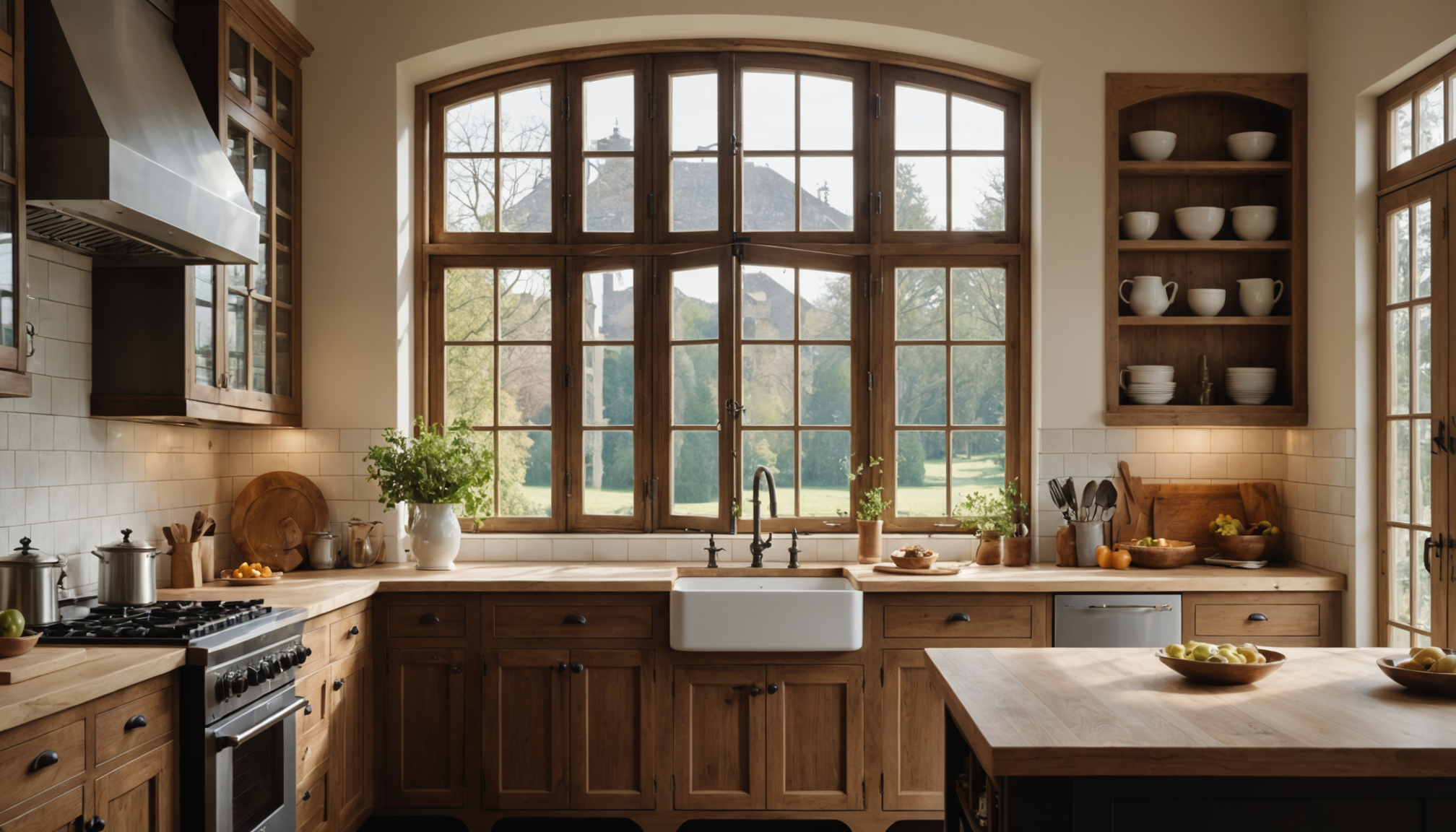 Bay and bow windows bring an elegant and sophisticated touch to any home, offering not only visual appeal but also practical benefits that enhance the overall living experience. These window designs extend outward from the wall, creating a sense of depth, light, and space within a room. They are particularly effective in living areas or dining rooms, where they can serve as a focal point and a natural space for seating or decoration.
To fully appreciate the benefits of bay and bow windows, it is essential to understand their differences and the unique features each style brings. Here is a step-by-step guide to help you select and optimize bay and bow windows for your home:
1. Understanding the Difference:
– Bay Windows: Typically consist of a set of three windows, usually arranged with a large fixed window in the center flanked by two smaller casement or double-hung windows. This configuration projects outside the exterior wall, forming a bay or alcove in the room.
– Bow Windows: Comprised of four or five windows arranged in a graceful curve, bow windows offer a more rounded appearance and a softer silhouette than the angular bay window.
2. Choosing the Right Placement:
– Sunlight and Views: Position bay or bow windows to take advantage of natural light and scenic views, enhancing the ambiance and openness of the room.
– Functionality: Consider areas where additional space and seating are beneficial, such as a kitchen breakfast nook, reading corner, or even an extended window seat for relaxation.
3. Material Selection:
– Material can greatly affect both the appearance and the performance of bay and bow windows. Common choices include:
– Wood: Offers classic warmth and rich aesthetic appeal but requires regular maintenance.
– Vinyl: An affordable, low-maintenance option that is weather-resistant and energy-efficient.
– Aluminum or Fiberglass: Durable with a sleek, modern appearance, these materials provide sturdy support for large window structures.
4. Customization and Styling:
– Window Treatments: Select drapery, blinds, or shades that complement your overall decor while enhancing privacy and light control.
– Interior Design Elements: Use the extra space created by bay or bow windows for innovative interior design ideas, such as upholstered window seats, built-in bookshelves, or decorative indoor plants.
5. Consider Energy Efficiency:
– Ensure your bay and bow windows are energy-efficient by choosing windows with low-E glass coatings and proper insulative materials. This will help regulate indoor temperatures and reduce energy costs.
6. Installation Tips:
– Hire experienced professionals to install bay and bow windows, as improper installation can lead to issues with structure, water leakage, and energy inefficiency. Ensure the framing and support systems are robust enough to handle the protruding structure of the window.
Bay and bow designs not only add character and elegance to homes but also transform interior spaces by connecting them to the outside environment. With their unique charm and practical benefits, these window styles create a warm, inviting atmosphere that is both luxurious and functional.
charming sash styles
Sash windows, renowned for their traditional appeal and functionality, have been a staple in architectural design for centuries. Characterized by one or more movable panels or “sashes” that slide vertically or horizontally, these windows are particularly known for their classic charm and versatility. Their enduring popularity is attributed to several key features and benefits that make them an appealing choice for various home styles.
One of the standout advantages of sash windows is their aesthetic versatility. Available in a range of designs from the classic Georgian six-over-six panes to more contemporary styles, they can effortlessly complement and enhance the architecture of both period and modern homes. The clean lines and symmetrical proportions of sash windows add a timeless elegance to any property, creating a harmonious blend between tradition and sophistication.
Functionality is another significant highlight of sash windows. The design allows for excellent ventilation control, with the option to open the top and bottom sashes independently. This feature enables homeowners to adjust airflow within their spaces according to seasonal changes, offering a refreshing breeze in summer and minimizing drafts in winter. Additionally, the ability to keep the top sash open while leaving the bottom sash closed can enhance safety, especially in homes with small children or pets.
Another benefit lies in the compact space-saving design. Unlike casement windows, which require additional space to open outward, sash windows slide within their frame, making them an ideal choice for areas where outdoor space is limited, such as alongside walkways or balconies.
In terms of materials, sash windows are incredibly adaptable, accommodating a variety of preferences and performance requirements. Traditional timber sash windows offer a classic appearance with exceptional thermal insulation, fostering a cozy ambiance while maintaining the historical integrity of period properties. For added durability with reduced maintenance needs, uPVC and aluminum sash windows are popular modern alternatives. These materials provide enhanced weather resistance and energy efficiency, ensuring the windows look vibrant and perform optimally for years to come.
Moreover, advancements in window technology have introduced features for improved energy efficiency, such as double-glazing and low-E glass. These innovations help reduce heat loss, thereby enhancing the window’s thermal performance and contributing to reduced energy bills. By incorporating these modern technologies, sash windows can effectively combine historical elegance with current environmental standards.
A well-chosen sash window not only adds character and aesthetic value to a home but also underscores functional and practical advantages. When properly selected and maintained, they provide a lasting investment that enhances both the beauty and utility of a property, establishing a comfortable and appealing living environment.
modern minimalist frames
For those who cherish the fusion of sleek design and practical simplicity, modern minimalist frames offer an exceptional option for window styling. These designs are characterized by their thin, sleek profiles and lack of ornate detailing, embodying a form-follows-function approach that is both contemporary and elegant. This minimalist aesthetic is especially favored in spaces that thrive on natural light and unobstructed views, such as urban apartments and modern homes with open floor plans.
At the core of minimalist window frames is the emphasis on maximizing glass surface while minimizing the amount of visual obstruction. This focus not only enhances the flow of natural light, creating brighter and more inviting spaces, but also fosters a seamless connection between indoor and outdoor environments. Whether framing sweeping city skylines, lush gardens, or tranquil seasides, minimalist frames serve as a portal to the external world, capturing captivating visuals with minimal interference.
The strategic design of these frames often incorporates innovative materials, which play a crucial role in achieving a refined yet robust structure. Common materials include:
1. Aluminum: Perfect for contemporary spaces, aluminum provides strength and durability without the bulk associated with traditional frame materials. Its sleek finish and corrosion-resistant properties make it ideal for maintaining a clean, polished look in any setting.
2. Fiberglass: Known for its superior energy efficiency and minimal thermal expansion, fiberglass maintains its shape and form across temperature extremes, making it a practical choice for environmentally conscious homeowners.
3. Composite Materials: By combining materials like wood and PVC, composite frames offer the aesthetic warmth of wood with the low-maintenance benefits of synthetic materials. This hybrid construction not only ensures longevity but also provides excellent insulation against temperature fluctuations.
Another appealing aspect of minimalist window frames is their ability to be customized to fit different architectural styles. Despite their modern leanings, these frames can complement various decor themes, from the stark and industrial to the warm and eclectic. Enhanced functionality comes in the form of tailored glazing options such as low-E coatings or triple glazing, which improve thermal insulation and reduce energy consumption, further aligning with sustainable home practices.
The minimalist approach is not solely about aesthetics; it also encompasses the principles of efficiency and sustainability. Embracing innovative glazing technology alongside durable frame materials ensures that minimalist windows remain high-performing components of a building’s envelope. Architects and designers often specify these frames in projects where the continuity of line and form is paramount, allowing other design elements to take center stage.
Furthermore, the understated beauty of these frames encourages creative interior design possibilities. With fewer visual interruptions, homeowners and designers are free to experiment with bold color palettes, intricate textures, and striking furniture arrangements. By functioning as a blank canvas, minimalist window frames facilitate an environment where personal expression and character harmoniously coexist.
Ultimately, the appeal of modern minimalist frames lies in their quiet sophistication and enduring practicality. They resonate with those who value elegance in simplicity and are looking to enhance their living spaces with a touch of contemporary charm. These window styles assure that a home remains vibrant and connected to its surroundings, highlighting the beauty of simplicity in modern design.
decorative stained glass options
Decorative stained glass windows are a testament to the timeless appeal of artistry and craftsmanship, offering a unique way to infuse color and light into a space while adding significant character to any home. These windows are more than just functional elements; they serve as beautiful works of art that transform ordinary light into a kaleidoscope of colors, creating a mesmerizing ambiance.
The inclusion of stained glass in windows allows for a broad spectrum of customization opportunities, enabling homeowners to express their personal tastes through intricate designs and vibrant hues. From classical motifs reminiscent of historical cathedrals to contemporary patterns that complement modern aesthetics, the design possibilities are virtually limitless. This versatility ensures that stained glass windows can seamlessly integrate with a variety of interior themes and architectural styles, from Victorian to modern minimalist.
In addition to their aesthetic allure, stained glass windows serve practical purposes. They provide an effective means of enhancing privacy without sacrificing natural light, making them ideal for spaces like bathrooms or entryways where both privacy and lighting are crucial. The artistic patterns not only obscure the view from outside but also add an element of surprise and delight within the interior space.
Energy efficiency can also be a consideration with stained glass. When combined with modern double glazing techniques, stained glass panels can offer improved insulation, contributing to a home’s overall energy efficiency by reducing heat loss in colder months and keeping interiors cooler in the summer.
In terms of maintenance, stained glass windows typically require minimal upkeep. Regular cleaning with a soft cloth and a mild cleaner ensures that the glass remains vibrant and free from dust or residue. For those who opt for lead-based designs, routine checks to maintain the lead’s integrity might be advisable to ensure long-lasting beauty.
For homeowners looking to incorporate a distinctive focal point in their homes, stained glass windows offer an elegant solution. They draw the eye and spark conversation, making mundane spaces extraordinary. Whether used in a grand living room, an intimate bathroom, or a welcoming foyer, the interplay between colorful glass and light provides a dynamic and changing element to any interior, capable of uplifting moods and enhancing the architectural tone.
In conclusion, choosing the right window style is pivotal in defining the character and personality of a home. From the classic charm of casement windows to the artistic flair of decorative stained glass, there is a style to complement every architectural vision. Each option offers unique benefits, whether it be enhanced functionality, aesthetic appeal, or energy efficiency. By selecting windows that align with personal tastes and home needs, homeowners can transform their spaces into distinctive sanctuaries that reflect both character and charm.