Regular maintenance checks are the backbone of preventing long-term home damage, acting as proactive measures that not only enhance the longevity of your property but also uphold safety standards. Establishing a routine schedule for inspections is essential to identifying and addressing issues before they escalate into costly repairs. To effectively manage these checks, homeowners should establish a comprehensive checklist tailored to the specific needs of their property. The frequency of these inspections will depend on factors like the age of the house, climate conditions, and previous repair history.
One of the key components of maintenance is the assessment and upkeep of structural elements. This includes examining the roof for signs of wear, such as missing shingles or damaged flashing, which can lead to leaks and water damage if left unattended. Likewise, checking the foundation for signs of cracking and ensuring that gutters and downspouts are clear of debris can prevent water from finding its way inside the home, thereby avoiding potential structural complications.
Mechanical systems demand regular attention and care. HVAC units, for instance, should be serviced annually to maintain optimal performance and air quality, while furnaces and boilers need inspection to ensure they are running efficiently and safely. Regular cleaning or replacement of filters can prevent these systems from overworking and thus extend their lifespan.
Electrical safety is another critical area. Conducting regular checks of outlets and wiring can mitigate the risk of fires and other hazards. A professional electrician should inspect the electrical panel, especially in older homes, to ensure it meets the current safety standards and is capable of handling the electrical load of modern appliances and electronics.
Plumbing systems should also be monitored for leaks and signs of corrosion. Checking under sinks and around toilets for moisture or stains can help detect leaks early, preventing water damage and mold growth. Main sewer line maintenance, often overlooked, is vital for preventing clogs and potential sewer backups.
Beyond individual components, a holistic approach to regular maintenance involves seasonal checks that adapt to changing weather conditions. Spring is an ideal time to inspect for any damage caused by winter temperatures, such as frozen pipes or ice dams, while fall preparations should focus on ensuring that heating systems are ready for the colder months ahead.
The following table offers a comparison of common household checks and their recommended frequencies:
| Maintenance Task | Recommended Frequency |
| Roof inspection | Bi-annually |
| Gutter and downspout cleaning | Quarterly |
| HVAC system servicing | Annually |
| Plumbing inspections | Annually |
| Electrical panel inspection | Every 3 years |
| Foundation and structural checks | Annually |
In implementing a routine of regular maintenance checks, homeowners can significantly minimize the risk of sudden repairs and emergencies, while also preserving the value of their property over the long term. Understanding the specific maintenance needs of your home can not only safeguard your investment but also ensure a safe and comfortable living environment.
waterproofing strategies
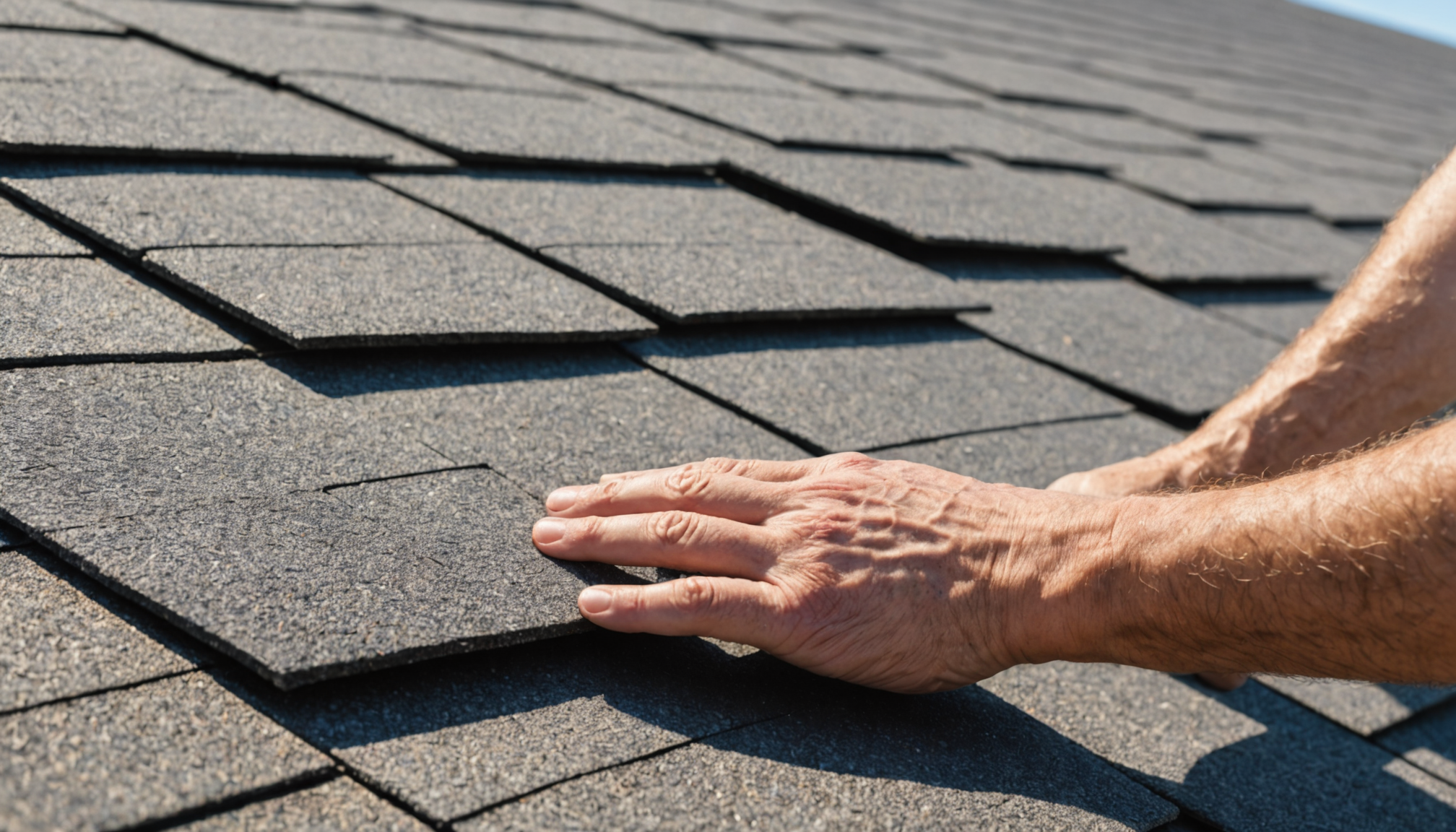
Ensuring that your home is well-protected against water damage requires the implementation of effective strategies to keep moisture out. Water intrusion can lead to a variety of costly issues, including mold growth, structural damage, and increased utility bills. By focusing on waterproofing techniques, homeowners can safeguard their property from such risks. Here are some strategic steps you can take to enhance your home’s waterproofing measures:
- Seal Cracks and Gaps: Begin by inspecting your home for any visible cracks or gaps, particularly around windows, doors, and the foundation. Use a high-quality, weather-resistant sealant to fill these openings, as they can be prime entry points for water.
- Install a Proper Drainage System: Make sure that your property has an effective drainage system in place. Install gutters and downspouts that adequately channel water away from the house’s foundation. Ensure that downspouts extend several feet from the house to prevent water from pooling near the foundation.
- Utilize Sump Pumps and French Drains: For homes with basements or areas prone to water accumulation, installing a sump pump can be crucial. A sump pump helps remove water that has accumulated in a sump basin, commonly found in the basement. Complement this by installing French drains, which are trenches filled with gravel or rock containing a perforated pipe that redirects surface water and groundwater away from the area.
- Waterproof the Basement: Apply a waterproof sealant to basement walls and floors. This helps create an impermeable barrier that prevents water from seeping through. Additionally, consider installing a vapor barrier on walls to mitigate moisture transfer.
- Maintain Proper Landscaping: Your landscaping can greatly impact how water flows around your property. Ensure that the soil is graded away from the foundation, with a slope of at least one inch per foot over a distance of six to ten feet. This prevents water from collecting near the foundation.
- Inspect and Maintain Roofs and Flashing: Regularly check your roof for any signs of damage or wear, such as missing shingles or damaged flashing. Repair or replace these materials promptly to prevent water penetration. Ensure that chimney and vent flashing are securely installed as these are common areas for leaks.
- Install Waterproof Membranes: Consider installing waterproof membranes underneath floors or behind walls in moisture-prone areas. These membranes provide an extra layer of protection to prevent water infiltration.
- Regular Maintenance and Inspection: Conduct regular inspections of your waterproofing systems and make timely repairs when necessary. Keeping an eye on the condition of barriers, drainage systems, and roof conditions can prevent small problems from turning into significant water damage incidents.
Applying these waterproofing strategies will help you maintain a dry and comfortable living space, even in the face of adverse weather conditions. Consistent attention to these areas not only protects your home from immediate threats but also reduces the likelihood of more severe and costly repairs in the future. Investing in these proactive measures is a key component of responsible homeownership, helping to ensure that your property remains a safe and secure haven for years to come.
pest control measures
Maintaining a home free from pests not only protects the structural integrity of the building but also guards against health hazards that these unwanted guests can bring. A comprehensive pest control strategy is essential in minimizing the risk of infestation and the subsequent damage it can cause. Here are some key measures to implement for effective pest management:
Identify and Seal Entry Points: The first line of defense is to identify potential entry points where pests could gain access to your home. Inspect the exterior of your home for cracks in foundations, gaps around windows and doors, and spaces around pipes and wiring. Use caulk or other suitable materials to seal these gaps, effectively cutting off entryways for pests seeking shelter indoors.
Maintain a Clean Environment: Regular cleaning plays a crucial role in pest prevention. Keep food storage areas, kitchens, and dining spaces free of crumbs and spills that can attract pests like ants and cockroaches. Use airtight containers for storing food and dispose of garbage regularly and in sealed bins. Clean pet bowls and bedding to reduce the attraction for rodents and insects.
Control Moisture Levels: Pests, especially insects like termites and cockroaches, are drawn to moist environments. Address any plumbing leaks and ensure that areas such as bathrooms, kitchens, and basements are well-ventilated and dry. Using dehumidifiers can help manage humidity levels, providing a less favorable environment for pest habitation.
Regular Inspections: Conduct regular home inspections to catch any signs of pest activity early. Look for tell-tale signs like droppings, gnaw marks, nests, or dead insects. Staying vigilant allows for early intervention, which is crucial in preventing a full-blown infestation that can be both damaging and costly to eradicate.
Implement Preventive Landscaping Practices: The way you maintain your garden can impact pest access to your home. Trim shrubs and trees away from the house to prevent them from serving as bridges for pests. Ensure that firewood and compost are stored away from the building to deter termites and rodents. Choose plants that are less attractive to pests or use natural pest repellents in the garden.
Utilize Pesticides Judiciously: While chemical control can be effective, it should be used as part of an integrated approach. Use pesticides responsibly and sparingly to avoid negative impacts on the environment and health. Follow manufacturers’ guidelines closely and consider organic or eco-friendly options to minimize harm to beneficial insects and the surrounding ecosystem.
Professional Pest Control Services: For a more robust solution, engage professional pest control services for regular assessments and treatments as needed. Professionals can provide targeted pest control strategies tailored to the specific challenges in your area. Their expertise is invaluable in tackling persistent or severe pest problems effectively.
By implementing these pest control measures, homeowners can significantly reduce the likelihood of an infestation, thus protecting both their property and health. Maintaining a proactive approach not only curtails potential damage but also ensures a safe and pleasant living environment where pests are kept at bay. Investing in these preventive strategies supports long-term home maintenance and preserves property value over time.
energy efficiency improvements
Enhancing the energy efficiency of your home is a smart strategy that not only reduces utility bills but also contributes to a more comfortable and environmentally friendly living space. Implementing energy efficiency improvements can mitigate strain on your home’s systems and ensure that energy is used wisely, which helps in preventing potential wear and tear on your home’s infrastructure. Here are some effective methods to increase your home’s energy efficiency:
One of the simplest yet most effective ways to improve energy efficiency is by upgrading your home’s insulation. Proper insulation keeps heat inside during the winter and blocks heat out during the summer, reducing the need for excessive heating or air conditioning. Consider adding insulation to your attic, walls, and floors to enhance the thermal envelope of your home.
Upgrading to energy-efficient windows can dramatically reduce energy loss. Look for windows with double or triple glazing and low-emissivity coatings to help maintain indoor temperatures and reduce energy consumption. Properly sealing and caulking around windows and doors can further prevent drafts and heat loss.
Switching to energy-efficient lighting is an easy and cost-effective improvement. Replace standard incandescent bulbs with LED or CFL bulbs, which use a fraction of the energy and last significantly longer. Additionally, consider installing dimmer switches or occupancy sensors to minimize unnecessary lighting in unoccupied areas.
Investing in a programmable or smart thermostat can optimize heating and cooling schedules according to your lifestyle, ensuring that energy is not wasted when no one is home. These devices allow you to set specific temperatures for different times of the day and control them remotely, further increasing efficiency.
Energy-efficient appliances, while sometimes more costly upfront, provide significant savings over time. When replacing old appliances, look for models with the ENERGY STAR label, which ensures that they meet strict energy efficiency guidelines set by the U.S. Environmental Protection Agency. This applies to everything from refrigerators and dishwashers to washing machines and HVAC systems.
Consider enhancing your home’s heating, ventilation, and air conditioning (HVAC) system. Regular maintenance, such as cleaning or replacing air filters and ensuring ductwork is sealed and insulated, is crucial for efficient operations. If your HVAC system is outdated, upgrading to a more efficient model can provide substantial energy savings.
Another effective strategy is to incorporate renewable energy solutions, such as solar panels, into your home. Although the initial investment can be significant, solar energy can drastically reduce your dependence on traditional power sources and lower your electricity bills. Many areas offer incentives or rebates for solar installations, which can offset some of the costs.
Lastly, don’t overlook the importance of simple behavioral changes that can contribute to energy savings. Encourage family members to turn off lights when leaving a room, unplug electronics when not in use, and reduce water heating costs by lowering the thermostat on your water heater or using cold water for laundry.
By continuously focusing on energy efficiency improvements, homeowners can create a sustainable living environment that benefits both the wallet and the planet. Consistent attention to energy performance not only curtails expenses but also extends the lifespan of your home’s systems, contributing to overall property preservation and improved quality of life.
emergency preparedness tips
Being prepared for emergencies is an essential aspect of safeguarding your home from unexpected damage. Implementing a robust contingency plan can mitigate the effects of unforeseen events such as natural disasters, power outages, or severe weather conditions. Here are key tips to enhance your home’s emergency preparedness:
Start by assembling an emergency kit that includes essential supplies such as water, non-perishable food, a first-aid kit, flashlights, batteries, blankets, and a multi-tool. Ensure that every member of your household is familiar with the location and contents of this kit, so it’s easily accessible when needed.
Create a comprehensive communication plan for your family. This should include emergency contact numbers, designated meeting spots in the event of an evacuation, and a communication chain for checking in with family members. Discuss and practice this plan regularly to ensure that everyone knows what to do and where to go in a crisis situation.
Backup power solutions, such as generators or battery backup systems, are invaluable during power outages. Identify critical appliances that need to remain operational, such as refrigerators, medical devices, and sump pumps, and ensure your backup system has the capacity to support these key components. Regularly test your backup equipment to ensure it functions properly during emergencies.
Familiarize yourself with your local emergency services and resources. Knowing how to quickly access community shelters, evacuation routes, and emergency hotlines can greatly increase your ability to manage during a crisis. Participation in community emergency preparedness programs can also enhance your readiness and connect you with additional resources.
It’s crucial to ensure your home’s structural integrity can withstand certain natural events. For example, install storm shutters or impact-resistant windows in hurricane-prone areas, or secure heavy furniture and appliances with anchors to prevent injury during an earthquake. Understanding your area’s specific risks and preparing your home accordingly can minimize potential damage.
Finally, consider maintaining an emergency fund specifically for unexpected repairs or relocation needs. Financial preparedness is as important as practical readiness, providing peace of mind that you’re equipped to handle emergency expenses without significant financial strain.
In conclusion, preparing for emergencies is a vital component of protecting your home from future damage. By proactively assembling supplies, formulating communication and evacuation plans, investing in backup power solutions, and securing structural reinforcements, you can significantly mitigate the risks associated with unforeseen events. Staying informed and ready ensures that your home remains a haven, capable of withstanding the challenges nature presents, while preserving your family’s safety and well-being in the process.