Embarking on a journey to upgrade your yard starts with a meticulous assessment of your current yard layout. A thorough evaluation not only identifies problem areas but also reveals opportunities for optimization that align with modern aesthetics and functional upgrades. Begin by walking through your yard, taking notes on the existing landscape, hardscape elements, and any architectural features. Consider the spatial relationships between different areas, such as the lawn, patio, garden beds, and paths. Are these areas serving their intended purposes, or is there redundancy or inefficiency in their arrangement?
Before making any significant changes, it’s crucial to measure the dimensions of your yard correctly. Understanding these measurements will help in spatial planning and ensure that proposed upgrades fit harmoniously within the available space. For example, knowing the precise size of your patio can guide you in selecting appropriate flooring options that enhance aesthetic appeal while offering durability and easy maintenance.
As you evaluate your current layout, consider the flow of movement across your yard. An effective yard layout should facilitate a natural flow, encouraging movement and minimizing obstructions. Identify areas that might benefit from improved pathways or clear delineation between sections. Creating distinct zones for leisure, gardening, and dining can significantly enhance usability.
A well-thought-out layout assessment also opens avenues for energy savings, a key consideration in modern yard design. By strategically planning the location of trees and shrubs, you can provide shade that cools your home during hot summer months, reducing the need for air conditioning and, consequently, lowering energy costs.
Consider creating a table that helps compare potential adjustments and their impact on your space:
| Adjustment | Impact on Usability | Aesthetic Improvement |
| Adding walkway paths | Enhanced movement and accessibility | Defines zones, adds visual interest |
| Installing patio flooring | Improved surface for outdoor activities | Modernizes and unifies design theme |
| Planting shade trees | Natural cooling, energy savings | Boosts green appeal and biodiversity |
This initial analysis should also highlight opportunities for incorporating sustainable practices into your yard. Integrating native plant species, for example, not only enhances the natural beauty but also supports local wildlife and reduces maintenance efforts. Consider any existing drainage issues, ensuring that water management systems align with your overall design strategy, protecting both plant life and structures from water damage.
Ultimately, assessing your yard’s current layout with a critical eye towards functionality, energy savings, and potential modern upgrades sets the foundation for a revitalized outdoor space that is both inviting and efficient. By undertaking these early steps, you’ll ensure a seamless integration of new ideas with existing elements, promoting harmony and enjoyment in your renewed outdoor environment.
choosing the right plants and greenery
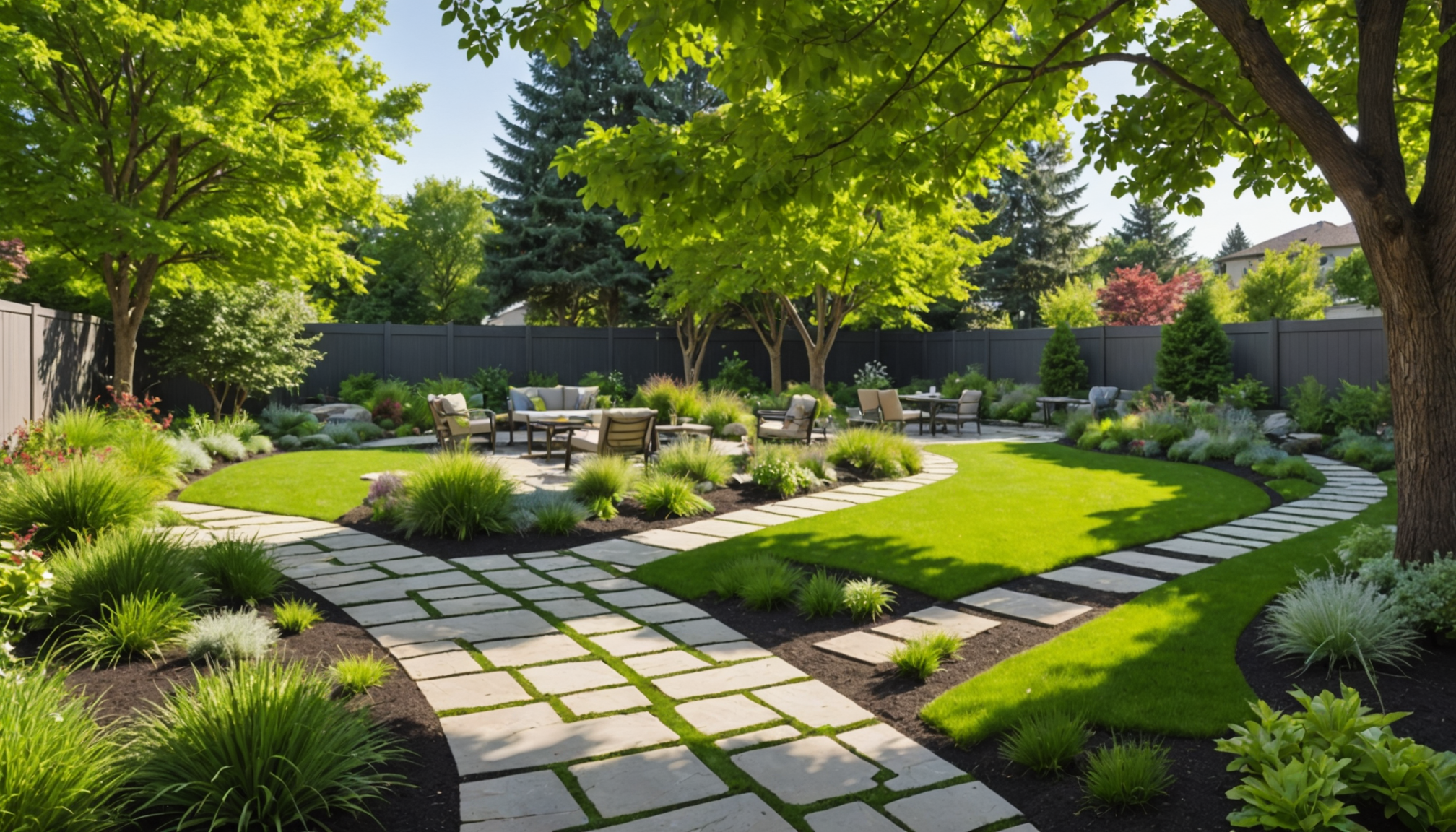 Selecting the appropriate plants and greenery to refresh your yard involves a thoughtful approach that melds aesthetics, functionality, and sustainability. Understanding the climate, soil type, and maintenance level ideal for your yard ensures that the chosen plants will not only thrive but also contribute to a beautiful and vibrant outdoor space. Here’s a step-by-step guide to help you choose the right plants and greenery:
1. Analyze Your Yard’s Microclimate:
– Identify different zones within your yard that vary in sunlight exposure, wind patterns, and moisture levels.
– Take note of areas that receive full sun, partial shade, or full shade as these will dictate the types of plants that are most likely to thrive.
2. Test Your Soil:
– Conduct a soil test to determine its pH level and nutrient content. This insight will guide you in selecting plants that are compatible with your soil type.
– Amend your soil if necessary, by adding organic matter or specific nutrients to improve its fertility and structure.
3. Consider Plant Functionality:
– Decide on the role each plant will play in your yard. Some plants provide shade, others may serve as privacy screens, windbreaks, or focal points.
– Incorporate plants that are not only decorative but also contribute to energy savings, such as deciduous trees that provide shade in the summer and allow sunlight in the winter.
4. Select Suitable Plant Varieties:
– Opt for native plants suited to your local climate and soil. These plants require less water and maintenance, supporting sustainability.
– Choose a mix of trees, shrubs, perennials, and annuals that offer seasonal interest, color variation, and texture diversity.
5. Plan for Space and Growth:
– Consider the mature size of plants to avoid overcrowding and ensure each plant has adequate space to grow.
– Use a sketch or garden design software to visualize your layout, ensuring ample space between plantings.
6. Evaluate Maintenance Needs:
– Choose plants according to the level of maintenance you can commit to, whether it’s a low-maintenance, drought-resistant landscape or a more involved botanical haven.
– Incorporate mulch and ground cover plants to reduce weeds and retain soil moisture, aiding in lower maintenance.
7. Balance Aesthetics and Functionality:
– Create visual balance by combining different heights, colors, and textures, ensuring your yard remains visually engaging year-round.
– Include flowering plants and colorful foliage to enhance the appeal and attract beneficial wildlife.
8. Plan for Irrigation:
– Ensure that your plant selection aligns with your irrigation system, opting for plants with similar water needs.
– Implement efficient irrigation practices, such as drip systems, to maximize water usage and promote sustainable growth.
By carefully selecting plants that complement each other and your existing yard layout, you will create an environment that is not only visually pleasing but also modern, functional, and sustainable. A well-thought-out plant selection process brings life and energy to your outdoor space, contributing to its overall upgrade and enjoyment.
implementing efficient irrigation systems
A crucial step in upgrading your yard involves optimizing water usage through efficient irrigation systems. By adopting modern irrigation solutions, you can significantly enhance plant health, conserve water, and save on utility bills, while contributing to a more sustainable environment overall.
Understanding the Water Needs: Begin by assessing the specific water requirements of the various plants in your yard. Different plant species have distinct needs, and a one-size-fits-all approach could lead to overwatering or underwatering. Group plants with similar water requirements together to streamline the process, ensuring each zone receives the appropriate amount of moisture. This strategic clustering not only promotes healthy plant growth but also optimizes watering schedules, which can lead to significant energy savings in the long run.
Exploring Irrigation Options: Several modern irrigation systems can transform the way you maintain your yard. Consider installing a drip irrigation system, which delivers water directly to the plant roots through a network of tubing and emitters, minimizing evaporation and runoff. This targeted technique makes efficient use of water resources, leading to better hydration of plants and less waste. Alternatively, a smart sprinkler system integrated with weather-predictive technology can automatically adjust watering schedules based on real-time environmental data, further enhancing water conservation efforts.
Implementing Smart Technology: Today’s smart irrigation systems incorporate cutting-edge technology, allowing you to control and monitor water usage from your smartphone or computer. These advanced systems can adjust watering patterns based on weather forecasts, soil moisture levels, and seasonal changes, which helps prevent overwatering and ensures sustainable yard management. By utilising these smart tools, you not only promote an eco-friendly approach but also reduce water bills, reflecting a cost-effective upgrade for your yard.
Testing and Maintenance: Regularly inspect and test your irrigation system to ensure its efficiency and effectiveness. Over time, systems can develop leaks or clogs that lead to inefficiencies or water wastage. By performing routine checks and maintenance, you can quickly address such issues, maintaining an optimal state of operation. Additionally, consider upgrading components like nozzles and timers to newer models for improved performance, aligning with your commitment to sustainability and modern yard management.
Adapting to Seasonal Changes: Adjusting your irrigation practices according to seasonal shifts is essential in maintaining an effective system. During cooler months, reduce watering frequency to prevent overwatering, while in hot and dry periods, increase the watering duration slightly to counter the increased evaporation rates. This adaptability ensures your plants receive adequate moisture year-round without unnecessary water expenditure.
Implementing an efficient irrigation system is not merely about upgrading your yard’s water management; it’s a strategic move towards a modern, eco-friendly, and visually pleasing outdoor space. By integrating smart technology and adopting sustainable practices, you enhance the longevity and vibrancy of your plants, reflect responsible stewardship of natural resources, and achieve energy savings that benefit your household financially.
incorporating outdoor lighting solutions
Enhancing your yard with the right lighting can transform it into a captivating space that not only catches the eye but also boosts functionality. This addition is an essential aspect of any modern outdoor upgrade, providing not just visibility but also creating ambiance and enhancing safety. Outdoor lighting can effectively highlight architectural features, illuminate pathways, and extend the usability of outdoor spaces well into the evenings.
Begin by assessing key areas in your yard where lighting can have the most impact. Pathways, driveways, and entryways should be primary considerations, as they guide movement and ensure safe navigation after dark. Use subtle lighting solutions such as solar-powered path lights or low-voltage LED fixtures to create a charming, soft glow that ensures visibility without overwhelming the senses. These energy-efficient options promote significant energy savings, keeping your electricity usage in check while contributing to a sustainable lifestyle.
Ambient lighting plays a crucial role in setting the mood for various outdoor activities. Consider installing dimmable lights around seating or dining areas using overhead string lights or lanterns. The flexibility of a dimmable lighting system allows you to adjust the brightness to suit the occasion, whether it’s a lively gathering or a quiet evening on the patio. This kind of setup not only enhances the inviting atmosphere but also integrates seamlessly with modern outdoor living trends.
Consider also incorporating task lighting in areas where specific activities occur, such as kitchens or bar setups in your outdoor living space. Under-counter lights and adjustable lamps provide concentrated lighting for cooking or entertaining, making these spaces functional and aesthetically appealing. Spotlights and accent lights are excellent choices for drawing attention to garden sculptures, water features, or a particularly beautiful tree, acting as focal points that enrich the visual interest of your yard.
For enhanced security, it’s also prudent to install motion sensor lights around the perimeter of your yard. These fixtures not only deter potential intruders but also provide welcome illumination when needed, such as when you come home after dark. Choose fixtures that blend with your outdoor décor for a cohesive look that doesn’t compromise on style.
Remember that outdoor lighting solutions should be durable and weather-resistant to withstand the elements. Opt for high-quality materials that can endure varying weather conditions to ensure longevity and performance across seasonal changes. Regular maintenance, such as checking for burnt-out bulbs and cleaning fixtures, ensures that your lighting remains effective and attractive throughout the year.
Incorporating outdoor lighting solutions is a key upgrade that elevates your yard’s appearance and functionality. By carefully selecting and installing the right lighting fixtures, you create an enchanting outdoor setting that is as safe as it is stylish. The result is a yard that truly shines, enhancing nighttime enjoyment and making a lasting impression on your guests while reflecting the principles of energy efficiency and modern design.
creating functional outdoor living spaces
Transforming your yard into a versatile outdoor living space can significantly enhance its utility, enjoyment, and overall aesthetic appeal. Start by identifying the specific activities you envision taking place in your outdoor area, whether it’s hosting social gatherings, enjoying quiet family meals, or simply relaxing in solitude. Your design choices should support these functions while promoting a seamless transition from indoor to outdoor living.
One approach is to delineate distinct zones for various purposes, such as cooking, dining, and lounging. Outdoor kitchens, equipped with built-in grills, countertops, and storage, offer a modern solution for al fresco dining. Complement your kitchen with a stylish, weather-resistant dining set, ensuring comfortable seating for your family and guests. For relaxation, create a cozy seating area with ample cushions, outdoor sofas, or hammocks, making it an inviting retreat for leisurely afternoons or evening entertainments.
Consider the incorporation of multi-functional furniture that serves various needs, like storage benches or tables with integrated lighting. These smart pieces maximize space utility, particularly in smaller yards, and contribute to an efficient, uncluttered look. Additionally, selecting appropriate flooring can significantly enhance the comfort and appeal of your outdoor space. Durable options like natural stone, composite decking, or patterned tiles can create a modern yard vibe that connects naturally with your home’s interior design.
Introducing shade structures, such as pergolas, umbrellas, or retractable awnings, not only provides relief from the sun but also adds architectural depth to your yard. These structures help define spaces and create a more intimate atmosphere, making outdoor areas usable regardless of weather conditions. For a luxurious touch, incorporate a fire pit or outdoor heater, extending the warmth of your space and making it accessible during cooler evenings.
Incorporate natural elements such as potted plants, vertical gardens, or green walls to enhance the visual continuity with the natural landscape. This not only softens the look of hard surfaces but also promotes a sense of tranquility and connection to nature. Make use of planters or garden beds to grow herbs or flowers, adding both fragrance and color to enliven your living space.
Integrating technology can elevate your outdoor experience, from installing sound systems to setting up smart lighting solutions that adapt to your activities. By embracing modern conveniences, you upgrade your yard into a place configured for both play and relaxation.
With careful planning and thoughtful design choices, your yard can be transformed into a functional extension of your home, offering you endless possibilities for enjoyment and modern living.
In conclusion, upgrading your yard is a rewarding endeavor that marries aesthetic enhancements with functional improvements. By carefully assessing your current layout, selecting the right plants, integrating efficient irrigation, and incorporating state-of-the-art lighting, your yard can be transformed into a modern, inviting sanctuary. Whether entertaining guests or enjoying personal moments of tranquility, an upgraded outdoor space not only elevates your home’s value but also enriches your daily living experience.