Regularly inspecting the condition of your windows is crucial to ensuring the safety, energy efficiency, and aesthetic appeal of your home. Over time, windows can deteriorate due to exposure to weather, wear and tear, or even pest activity. This ongoing wear can compromise not only the look of your home but also its insulation capabilities. By thoroughly assessing window conditions, you can nip potential issues in the bud and maintain a comfortable living environment.
Begin your window condition assessment by checking the frames. The frame should be sturdy with no signs of rot or decay, especially in wooden frames. For vinyl or aluminum frames, look for any dents, warping, or cracks that could affect their integrity. Addressing these issues swiftly can prevent more extensive damage and maintain the windows’ structural soundness.
Pay particular attention to signs of moisture around windows, as this can lead to more serious problems like mold growth, which poses health risks. Moisture damage might manifest as peeling paint, soft wood, or condensation between panes in double-glazed windows. Each of these signs indicates a need for further investigation and possibly the hiring of professionals to repair or replace affected components.
Poorly maintained windows can also become a security risk. Ensure that all windows close properly and securely. The overall window mechanism should work effortlessly, without undue force. If you notice difficulty in operation or the window no longer stays put when raised, this might be an indication of more significant underlying issues that need addressing.
The window’s condition is a part of a broader system that influences the energy efficiency of your home. Worn-out components can lead to drafts and increased energy bills due to the additional strain on heating and cooling systems. By maintaining windows in optimal condition, you can save significantly on energy costs while enhancing your home’s comfort level.
The table below provides a comparison of common window materials and their expected longevity and maintenance requirements:
| Material | Expected Lifespan | Maintenance Needs |
| Wood | 15-20 years | High – requires regular sealing and painting |
| Vinyl | 20-40 years | Low – minimal required maintenance, easy to clean |
| Aluminum | 20-25 years | Moderate – requires occasional lubrication and cleaning |
| Fiberglass | 30+ years | Low – highly durable with minimal maintenance needs |
Ultimately, investing time and effort in regular inspections can save homeowners both time and money in the long run. If during your inspection you identify issues beyond your expertise, consider hiring pros. Professional inspectors and repair services bring a wealth of experience, ensuring comprehensive evaluations and repair solutions that uphold the safety and efficiency of your windows. By prioritizing the assessment of your windows’ condition, you contribute importantly to the resilience and value of your entire property.
Checking for air leaks
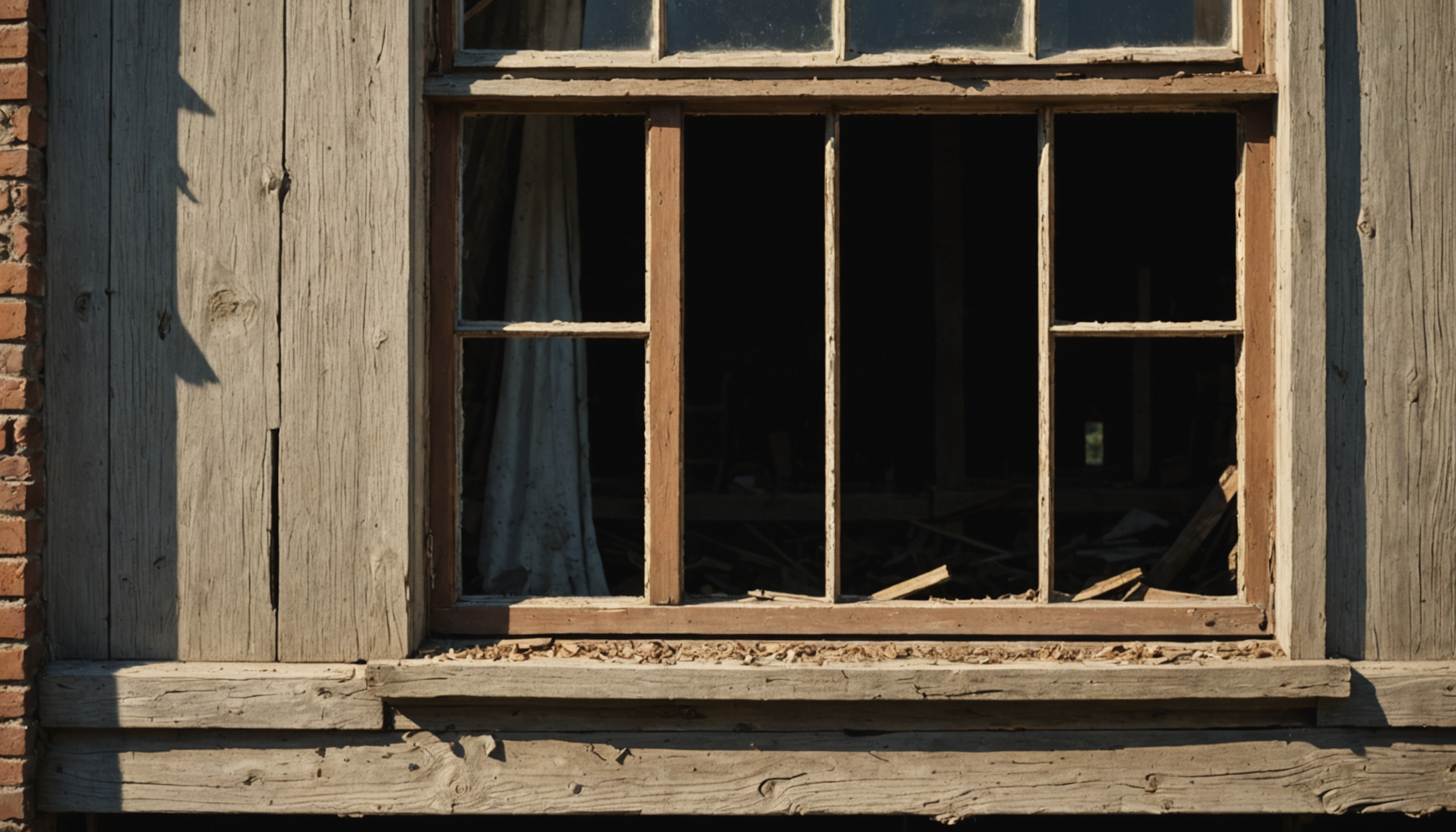 During your window inspection, one of the most crucial checks is for air leaks. These leaks can significantly affect your home’s energy efficiency and comfort by allowing cold air to enter during the winter and letting cool air escape in the summer, thus increasing energy costs. Fortunately, you can detect these air leaks with a few simple techniques and tools.
- Conduct a Visual Inspection: Start by closely examining the perimeter around each window for any visible gaps or cracks that could be letting air through. Pay special attention to areas where the sash meets the frame and where the frame meets the wall. Any visible cracks or exposures need addressing.
- Perform a Candle Test: On a windy day, light a candle and move it slowly around the edges of your windows. If the flame flickers or bends, you likely have a draft at that location. Be sure to perform this test with caution, keeping the candle away from flammable materials and keeping a fire extinguisher handy.
- Use an Incense Stick: Similar to the candle test, light an incense stick and hold it near the edges of the window. The smoke from the incense will visually point out drafty areas by drifting toward them. This method can be especially effective for pinpointing smaller leaks that might be missed by the candle test.
- Try the Dollar Bill Test: For a simple, no-tools-required method, you can use a dollar bill or a piece of paper. Close your window on the bill or paper, and try pulling it out. If it slips out easily without any resistance, the seal might not be tight enough, indicating a potential source of air leaks.
- Consider a Professional Inspection: Hiring pros for a comprehensive inspection, using specialized equipment like blower doors and thermal imaging cameras, can thoroughly identify leaks that simpler methods might miss. This is especially worthwhile if you’ve already undertaken basic checks but suspect more complex leak issues still exist.
By identifying and addressing air leaks, you can improve the efficiency of your windows, enhancing your home’s energy conservation and comfort. Properly sealed windows not only contribute to energy savings but also play a vital role in maintaining the safety and structural integrity of your home. If unsure about how to proceed, consulting with professionals can ensure that the fixes are correctly applied and long-lasting, giving you peace of mind.
Evaluating lock and latch functionality
Ensuring the proper functionality of window locks and latches is an often overlooked, yet crucial part of maintaining both security and energy efficiency. Windows that do not securely lock or latch can become easy entry points for intruders, thus compromising home safety. Furthermore, poorly functioning locks can inadvertently cause windows to remain slightly ajar, contributing to drafts and energy loss.
Begin by physically testing each lock and latch. Check that they operate smoothly and click securely into place without requiring excessive force. If you notice a need for applied effort beyond what should be normal, this could be a sign of misalignment or wear that requires attention. Warped window frames can exacerbate these issues, leading to the misalignment of the locking mechanisms. While small adjustments can sometimes solve the problem, substantial misalignment should prompt homeowners to consider hiring pros who can offer precise corrections or replacements as needed.
Also, inspect for visible signs of corrosion or rust on metal locks and latches. These symptoms can indicate that the hardware is approaching the end of its useful life and may fail at securing the windows properly. Replacing these components ensures not only the safety of your home but also prevents further wear that could damage other parts of the window unit.
Moreover, examine how well the locks and latches maintain a seal when engaged. If you encounter any drafts or hear wind whistling through closed and locked windows, this is an indication that the locking mechanism is not seating the window tightly enough against the frame. In these instances, consider upgrading to newer hardware with more robust sealing capabilities, or adjusting the window and frame alignment.
Additionally, evaluate whether window latches can be securely engaged by diverse household members, including those who may be young or elderly. Ensuring ease of use across a range of abilities is part of maintaining the overall functionality and safety of your windows. If your current fixtures require too much force or have a complicated operation, it may be time to explore more user-friendly options available on the market.
Finally, remember that regular maintenance, such as cleaning and lubricating the locks, can extend their longevity and maintain smooth operation. If you’re unsure how to undertake these tasks or assess the condition of your locks effectively, reaching out to professionals can provide you not only with immediate solutions but also advice on proactive maintenance for long-term window health and security. Through diligent evaluation and timely intervention, you help bolster your home’s defense and ensure its efficiency all year round.
Inspecting glass integrity
When it comes to the glass component of your windows, paying close attention to its integrity is vital for both the safety and efficiency of your home. Over time, even the sturdiest glass can develop issues due to various factors such as, for example, environmental stress, physical impact, or gradual wear. Begin by visually inspecting each pane for any visible signs of damage, such as cracks, chips, or scratches. Even minor imperfections can weaken the glass and potentially lead to larger breaks or shattering.
In addition to visible imperfections, consider conducting a more thorough check for potential stress points. Examine the edges of the glass, as these areas are usually more susceptible to damage due to thermal expansion and contraction. If your windows are double or triple-glazed, look for condensation between the panes, which could indicate that the seal has failed and the insulating properties of the window are compromised. In such cases, hiring pros to reseal or replace the affected windows can restore their insulating efficiency and prevent further issues.
Another critical aspect of glass integrity is its interaction with sunlight. Over time, ultraviolet (UV) rays can cause the glass to weaken, especially in older windows without any UV protection. Consider whether your windows require an upgrade to glass with better UV filtering properties, which not only safeguards the glass but also protects your interior furnishings from sun damage.
While you’re at it, assess the safety features of your glass panes. Many newer windows are equipped with tempered or laminated glass, which provides greater safety by minimizing the risk of injury in case the glass shatters. If your windows don’t meet these standards, it might be wise to upgrade to enhance the overall safety of your property. This can be especially important in homes with children, where safety is a top priority.
Don’t forget the clean factor! Clean windows not only contribute to the overall appearance of your home but also allow for better inspection of the glass. Use a gentle cleanser to remove any streaks, and take the opportunity to scrutinize for any flaws you might have missed during your initial inspection.
Proactive inspection and prompt attention to identified issues can save you from more extensive repairs or replacements down the line. If you’re unsure about the condition of your window glass or need specialized intervention, reaching out to professionals who specialize in glass inspection and repair is a smart move. Their expertise ensures a comprehensive evaluation and high-quality solutions, ensuring your windows continue to perform optimally while providing safety and peace of mind.
Reviewing weatherstripping effectiveness
Weatherstripping plays a critical role in maintaining the energy efficiency and comfort of your home by ensuring that your windows are properly sealed against drafts and leaks. Over time, however, weatherstripping can degrade due to exposure to the elements, wear and tear, or simple aging, which can lead to increased energy bills and a less comfortable home environment.
Begin by visually inspecting the weatherstripping around each window. Look for signs of wear such as cracks, brittleness, or gaps where the weatherstripping has pulled away from the frame. These gaps can be small but significant in allowing air to seep in or out, causing your heating or cooling system to work harder than necessary. Additionally, check for discoloration, which can indicate that the weatherstripping is no longer providing an effective seal.
Another effective way to test your weatherstripping is by closing your window onto a strip of paper. If you can easily pull the paper out without tearing, the seal might not be tight enough. This method is a simple yet effective test you can conduct without special tools.
If your inspections reveal that your weatherstripping is no longer functioning effectively, it might be time to replace it. Modern weatherstripping materials, such as silicone or EPDM rubber, offer greater durability and flexibility compared to older materials like felt or foam. When replacing weatherstripping, make sure to choose a product that is compatible with your specific window type and climate conditions.
Proper installation is key to ensuring that your new weatherstripping provides maximum efficiency. If you’re unsure about your ability to install it correctly, consider hiring pros who can ensure a proper fit and seal. Professionals have the tools and expertise to assess whether the frame and sash are in good shape and whether additional adjustments are needed.
Routine maintenance of your weatherstripping is also important. Keep it clean from dirt, debris, and residue that could impede its function. Gently wipe it down during regular window cleaning to maintain its pliability and effectiveness. Furthermore, make it a point to inspect your weatherstripping seasonally, as seasonal changes can expand or contract materials, affecting their effectiveness.
Checking the weatherstripping is more than a mere inspection task—it’s essential for keeping your home energy-efficient and comfortable. With timely attention and proactive measures, you can significantly reduce your energy costs and maintain a pleasant indoor environment all year round.
In summary, regularly inspecting your windows and addressing any potential issues is vital for maintaining the comfort, safety, and energy efficiency of your home. From assessing window condition to reviewing weatherstripping, each step plays a crucial role in ensuring your windows perform optimally. While some maintenance tasks can be handled on your own, don’t hesitate to hire professionals for more comprehensive inspections or repairs. Investing in the upkeep of your windows protects your home and enhances its value, making it a worthwhile endeavor for every homeowner.