When it comes to selecting the perfect paint for your deck, there are several crucial factors to consider that will ensure not only aesthetic appeal but also long-term durability and protection. Your deck is a significant part of your home and can greatly affect its overall resale value, so it’s important to make the right choices.
Firstly, consider the material of your deck. Different materials will benefit from different types of paint. Wood decks, for instance, often require oil-based paints for improved penetration and adherence, while composite materials may do well with acrylic-based options. It’s essential to match the paint type with the deck material for efficient results and lasting protection.
Another important consideration is the deck’s exposure to environmental elements. If your deck is constantly exposed to direct sunlight, consider paints with UV inhibitors to prevent fading and deterioration. On the other hand, if your deck is in a more humid or rainy climate, you may need a paint that provides exceptional moisture resistance to prevent mold and mildew growth. The choice of a quality paint with appropriate protective features will help maintain the longevity and appearance of your deck.
- Water-based paint: Offers easier cleanup and less odor, good for areas with moderate weather conditions.
- Oil-based paint: Better for high-traffic areas and decks exposed to harsh weather, requires more time to dry.
Another factor to consider is the color and finish of the paint. While the aesthetic aspect often takes priority, remember that darker colors may absorb more heat and could potentially make your deck uncomfortable for bare feet during hot weather. Lighter colors might be more forgiving in reflecting sunlight, but they can also show dirt and stains more easily.
When choosing a finish, think about the look you want to achieve and the maintenance involved. Gloss finishes offer a shiny, polished look and tend to be more water-resistant, while matte finishes give a more subdued appearance and may require less frequent touch-ups. Consider also how the finish will blend with other elements of your outdoor space, including your home’s exterior, patio furniture, and surrounding landscape.
Investing time in selecting quality, long-lasting paint for your deck can truly enhance your life at home. A well-painted deck fosters a welcoming space for family gatherings or quiet moments of relaxation, improving your home’s enjoyment and eventually its resale value. Below is a table to help compare features of different paint types suitable for decks:
| Feature | Water-Based Paint | Oil-Based Paint |
| Durability | Good for moderate use | Excellent for high-traffic areas |
| Cleanup | Easy with soap and water | Requires solvent like turpentine |
| Weather Resistance | Average | High |
| Drying Time | Faster | Slower |
Selecting the right paint involves significant consideration and planning, but these efforts contribute to a well-protected, attractive deck that enhances both the enjoyment and the resale value of your home.
Preparing the deck surface
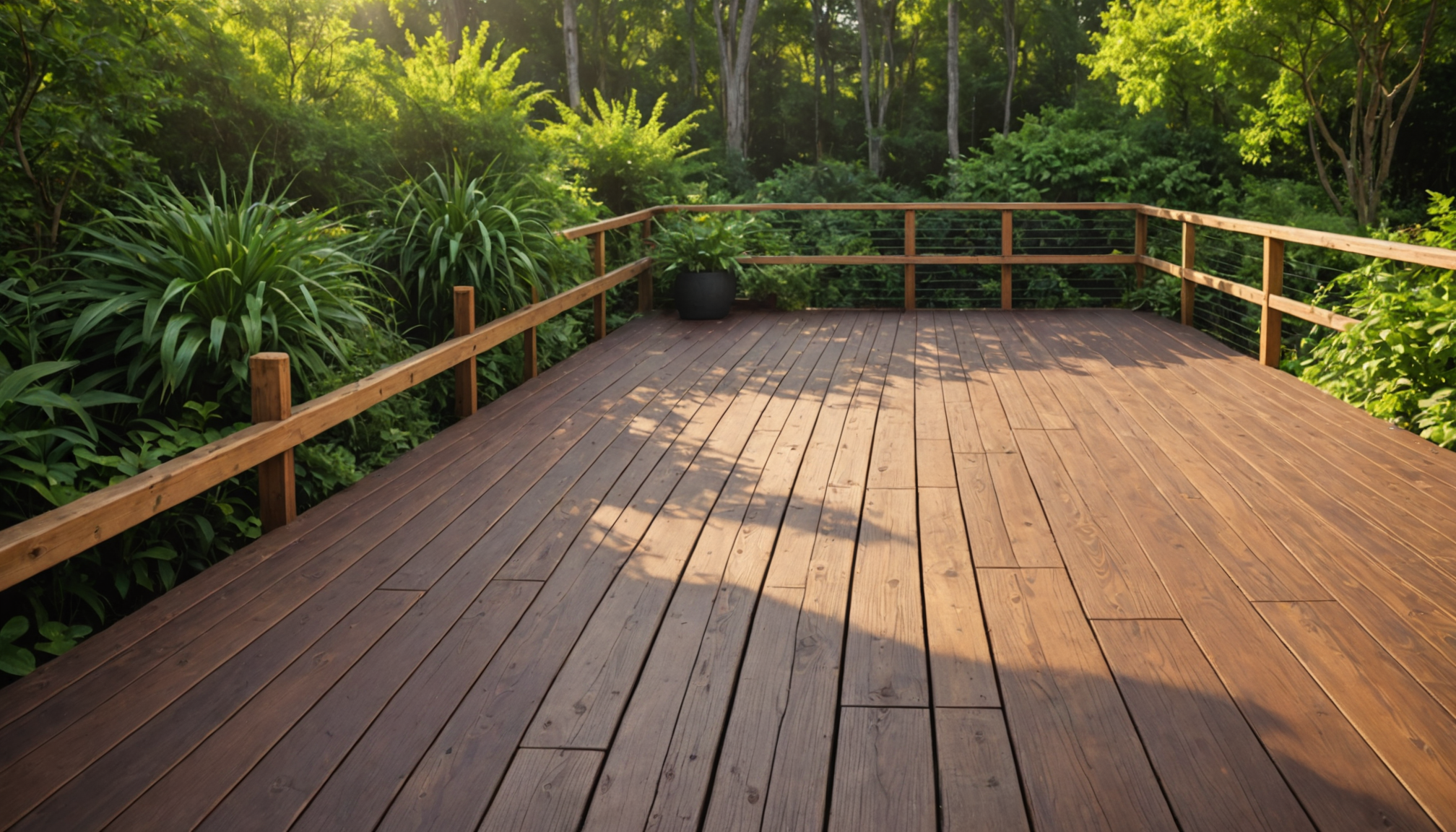 To ensure your deck is ready for a fresh coat of paint, meticulous preparation of the deck surface is essential. Proper preparation helps the paint adhere better and ensures a longer-lasting finish, significantly enhancing the durability and resale value of your home. Follow these steps to prepare your deck surface effectively:
1. Clear the Deck:
– Begin by removing all furniture, plants, and other items from the deck. This will give you a clear working area and prevent any unintended spills or stains on your outdoor belongings.
2. Inspect for Damage:
– Examine the deck closely for any signs of damage, such as loose nails, broken boards, or rot. Replace or repair any damaged components to provide a solid, stable surface for painting. Tighten loose screws and hammer in any protruding nails.
3. Clean the Surface:
– Use a broom to sweep away dirt, leaves, and debris. For a deeper clean, use a power washer or deck cleaner to remove grime, mold, and mildew. A clean surface is vital for paint adhesion, so take the time to ensure the deck is thoroughly cleaned. For stubborn stains, consider a specialized cleaner or scrub with a stiff brush.
4. Sand the Deck:
– Once the deck is dry, sand the entire surface to smooth out rough areas and remove any remaining finish. Use a power sander for larger areas and sandpaper or a sanding block for corners and edges. This step will help the paint grip the wood better.
5. Allow to Dry:
– After sanding, thoroughly clean off the sanding dust with a vacuum or a tack cloth. Ensure the deck is completely dry before proceeding. Depending on the weather conditions, drying could take anywhere from 24 to 48 hours. Moisture in the wood can prevent paint from adhering properly.
6. Mask and Protect:
– Use painter’s tape and plastic sheeting to cover areas that you do not want to paint, such as the siding of your house, nearby plants, or railing posts. Protect these areas to prevent any accidental drips or overspray during the painting process.
7. Final Inspection:
– Before applying primer, do a final inspection of the deck. Look for any imperfections that need additional attention and ensure that the entire surface is prepped and ready for the first coat.
Preparing the deck surface might seem labor-intensive, but it is a critical investment in ensuring that the paint not only enhances your deck’s aesthetic value but also protects and extends its life. Following these thorough preparation steps will pave the way for a successful painting process, ultimately boosting the value and enjoyment of your home.
Applying primer and sealer
Before diving into the colorful world of deck paint, taking the crucial step of applying primer and sealer can make a world of difference in the durability and appearance of your deck’s paint job. These preparatory products act as the unsung hero; they are essential in safeguarding your deck while enhancing its final look.
One of the significant advantages of using a primer is improved adhesion. The primer creates a receptive surface that allows the paint to adhere more effectively to the deck material. Whether your deck is made from wood, composite, or concrete, primer lays down a smooth, even layer, filling in minor imperfections and ensuring the paint goes on uniformly. This means less chipping or peeling and a smoother texture overall.
Protecting against environmental elements is another key benefit that comes with using primer and sealer. These products form a protective barrier, reducing the impact of wear and tear caused by sunlight, rain, and temperature fluctuations. Applying a high-quality sealer can specifically shield the deck from moisture intrusion, which is particularly vital for wooden decks prone to rot and mold. The sealer locks out water and prevents UV damage, thus maintaining the structural integrity and aesthetic appeal of your deck for years to come.
The use of primer and sealer also contributes significantly to the longevity of the paint job. Without these preparatory layers, even the best paints may falter under the stress of constant foot traffic and changing weather conditions. These products ensure that the vibrant colors of your deck last longer and withstand daily use, maximizing your investment as you boost the resale value of your home. By preventing early deterioration, you save on future maintenance costs and extend the time before you need a repaint.
Moreover, choosing the right products can simplify maintenance efforts. With proper primers and sealers, you may notice fewer instances of chalking, fading, or surface erosion, which means less frequent touch-ups and treatments are required. This allows more time for you and your family to enjoy your deck without worrying about upkeep.
Remember, opting for a primer and sealer is not just an additional step but a critical one. It lays the foundation for a paint job that not only looks fantastic but shields your space from the harsh realities of the outside world. Investing time and effort in this phase is an investment in the durability and beauty of your deck, promising a delightful outdoor experience for you and your family and enhancing the overall resale value of your home.
Techniques for painting
When it comes to painting your deck, the approach and methods employed can significantly affect the outcome of your project. Mastering some simple techniques will not only ensure that the paint job looks professional and appealing but will also contribute to the longevity and durability of the painted surface.
Firstly, consider the tools you will use. Rollers, brushes, and sprayers each have their own advantages and are suitable for different tasks. Use a roller for covering large flat areas quickly. Choose a roller with a thick nap—about half-inch or three-quarter inch—as it will hold more paint and reach into crevices more effectively, ensuring even coverage. Brushes are ideal for edges and tight spaces where precision is required. A high-quality, angled sash brush can help you paint around intricate features like posts or decorative trim accurately. Finally, sprayers can provide a smooth, uniform finish and cover large areas in less time, but they require careful masking to avoid overspray.
When painting, always start from the top and work your way down. This top-down method helps manage drips and ensures that any accidental streaks can be covered as you progress down the deck. For horizontal surfaces, begin at one end and paint in long, even strokes following the direction of the wood grain. This technique helps the paint adhere better and enhances the visual texture of the wood, lending a more natural and seamless appearance.
Layering is another critical consideration. Plan to apply at least two coats of paint, allowing adequate drying time between layers. This ensures that the color is vibrant and consistent while also providing an additional membrane of protection against wear. Patience at this stage pays off, resulting in an expressive finish that enhances both aesthetic appeal and the deck’s ability to withstand the elements.
Consider also the ambient conditions during your painting project. Aim to paint on a dry day with moderate temperatures, ideally between 50°F and 85°F, and low humidity. Painting in these conditions allows the paint to cure effectively and reduces the risk of bubbles or poor adhesion. Avoid painting in direct sunlight, as this can cause the paint to dry too quickly, impacting its ability to bond with the surface.
As you paint, keep a wet edge, which means maintaining a seamless overlap between fresh paint and areas you’ve already covered. This approach minimizes brush marks and helps prevent visible lap lines, ensuring a smoother and more professional finish.
In summary, employing these techniques can turn a routine painting job into a rewarding experience, transforming your deck into a cherished space for your family to enjoy. A well-executed paint job not only adds beauty and value to your home but also extends the lifespan of the deck, ensuring long-lasting enjoyment and enhanced resale value. Always remember that thorough preparation, the right choice of tools, methodical application, and attention to environmental conditions are the fundamentals of a successful painting project.
Maintenance and touch-ups
Once your deck is beautifully painted, maintaining the finish and performing regular touch-ups are essential to preserving its appeal and functional longevity. While a well-painted deck offers aesthetic appeal and a potential increase in resale value, it is vital to protect your investment with consistent care.
Begin by instituting a routine cleaning schedule. This involves sweeping the deck frequently to remove debris and dirt that may scratch or dull the paint over time. Depending on your deck’s exposure, consider using a mild detergent or specialized deck cleaner once or twice a year to eliminate any buildup of grime or mildew. Regular cleanings will not only sustain the deck’s appearance but also prevent potential damage that could necessitate costly repairs.
Inspecting the deck periodically for signs of wear and damage is another crucial step in maintenance. Especially after extreme weather conditions, check for any peeling, chipping, or fading of paint. Promptly addressing these issues with touch-up paint can circumvent larger deterioration. Use leftover paint from the original project, ensuring a perfect color match and seamless repair. Remember, smaller touch-ups to remedy visible wear can significantly prolong the overall life of the deck paint.
For touch-ups, apply paint using a brush or roller that matches your initial application method to maintain consistent texture and finish. Sand lightly if you find rough or uneven areas before applying new paint for a smooth surface – this ensures good adhesion and a professional look. Don’t forget to seal the touched-up areas to protect them from future adverse conditions, reinforcing the deck’s durability against environmental elements.
Additionally, evaluating your deck’s structural integrity should not be overlooked. Check for loose boards, nails, or screws that could compromise the deck’s stability. Repair any deficiencies promptly to prevent water penetration and rot, which could undermine both the deck’s functionality and its aesthetic appeal.
Lastly, consider applying a fresh coat of sealer annually. Sealer enhances durability by creating a formidable barrier against moisture and UV rays, helping the paint job maintain its vibrant color while safeguarding the deck’s surface from environmental wear. This annual maintenance ensures that your deck remains not only visually striking but also a resilient and safe family space for enjoying the outdoors.
Embracing these maintenance practices can dramatically extend the life of your painted deck, ensuring it remains an attractive and secure area for family gatherings and relaxation. With regular attention and immediate responses to minor wear, you’re also defending the deck’s resale value—a beautiful, well-maintained deck in pristine condition is a testament to the overall care taken across your home.
Conclusion: Painting your deck is a rewarding home improvement project that can significantly enhance both the beauty and resale value of your property. By choosing the right paint, preparing the surface meticulously, applying primer and sealer, painting with precision, and committing to regular maintenance and touch-ups, you ensure a durable and appealing finish that provides lasting enjoyment and extends the lifespan of your deck. Attention to detail throughout these processes not only maximizes the investment but also transforms your deck into a cherished outdoor space for family bonding and relaxation.