In today’s rapidly advancing technological landscape, smart roofing systems have emerged as a pivotal innovation that brings a new level of efficiency and intelligence to managing residential and commercial roofs. By integrating advanced technologies, these systems offer numerous benefits that go beyond traditional roofing solutions. Whether your goals are energy efficiency, enhanced safety, or sustainability, smart roofing solutions provide comprehensive and automated means to meet these objectives.
One of the primary advantages of smart roofing systems is their ability to automate various functions, which translates to significant long-term benefits. These systems can include sensors and actuators that monitor and respond to environmental changes, ensuring that your roof remains in optimal condition throughout the year. For instance, these technologies can automatically adjust to seasonal variations, providing thermal insulation during colder months and reflective properties during heatwaves, which helps in maintaining a consistent indoor climate and contributes to energy savings.
Beyond climate control, smart roofing systems integrate safety features that are indispensable in protecting your home or commercial structure. For example, real-time data sensors can detect structural issues before they escalate into significant problems. Moreover, they can automate alerts for necessary maintenance when anomalies are identified, thereby reducing the risk of severe damage. Additionally, the inclusion of intelligent drainage systems prevents water accumulation on the roof, mitigating the potential for leaks or waterborne structural damage.
Another fundamental aspect of smart roofing systems is their ability to harmonize with other smart home technologies, creating a more cohesive and efficient living environment. Integration with smart windows, for instance, allows for automated adjustments that optimize light and heat ingress, responding to real-time weather conditions. This synergy not only enhances comfort but also works toward reducing energy consumption, marking a significant step forward in sustainable building practices.
When considering smart roofing systems, it’s crucial to examine the different types of materials and technologies available. This ensures that the choice aligns with the building’s needs and the owner’s preferences. Here’s a comparison of popular smart roofing materials:
| Material | Advantages | Disadvantages |
| Smart Shingles | Lightweight, energy-efficient, easy to install | Higher initial cost than traditional shingles |
| Solar Roof Tiles | Generates renewable energy, efficiency in sunny areas | Performance dependent on sunlight exposure, high upfront cost |
| Green Roofs | Improves air quality, provides insulation, aesthetic appeal | Heavier, requires structural support, higher maintenance |
Embracing smart roofing systems can dramatically transform how roofs are managed and maintained, delivering intelligent solutions that are both effective and environmentally responsible. As the technology continues to evolve, these systems are expected to become more sophisticated, offering even greater integration and efficiency to property owners looking to automate and safeguard their roofs efficiently.
Automated weather response
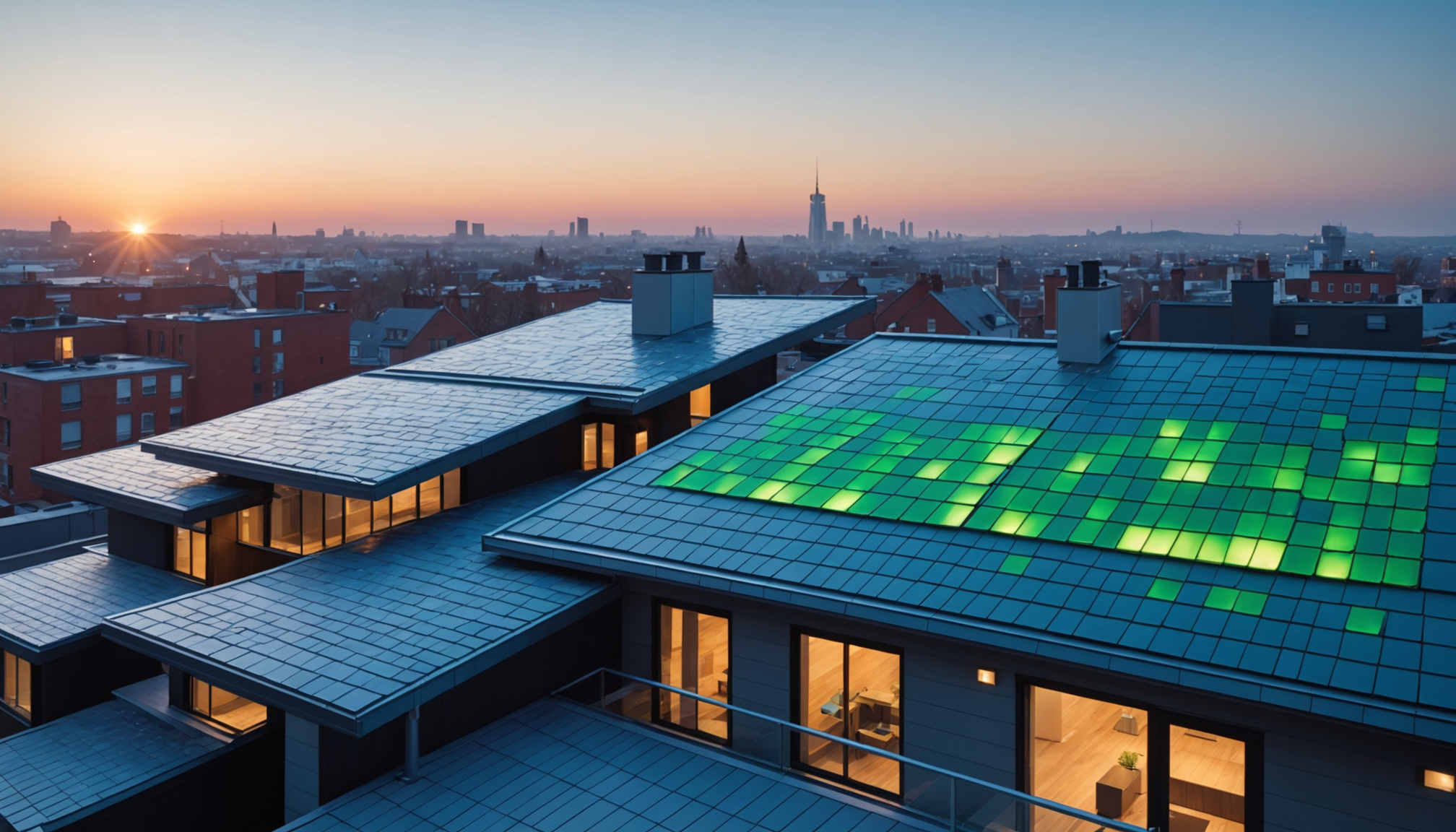 Advancing roofing technology has made it possible for roofs to automatically respond to changing weather conditions, significantly enhancing their efficiency and lifespan while ensuring safety. In environments prone to extreme weather changes, automated weather response systems are particularly valuable for maintaining a roof’s integrity and preventing damage.
Here’s how you can set up automated weather response systems:
- Install Weather Sensors: Begin by installing sensors capable of detecting various weather conditions around your property. These can include temperature sensors, humidity sensors, and rain detectors. Set these sensors to monitor real-time data that alerts the system to changes in weather and seasonal patterns.
- Integrate with Smart Roofing Features: Once sensors are in place, integrate them with smart roofing features such as automated ventilation and motorized shutters. During periods of intense sun, the system can adjust reflective properties to cool the interior or manage windows to control sunlight ingress, optimizing indoor temperatures and energy use.
- Automated Heating and Cooling: For colder seasons or heatwaves, automate temperature control systems under the roof. These systems can trigger under-roof heating to prevent frost damage or excess cooling to counteract summer heat, thus maintaining a stable indoor climate and enhancing safety by preventing temperatures from reaching unsafe levels.
- Configure Alerts and Responses: Set up mechanisms for your system to respond rapidly to weather changes. For instance, if heavy rain is detected, the system can automatically activate drainage components, ensuring rainwater is efficiently channeled away, thereby preventing leaks or water pooling on the roof.
- Testing and Calibration: Regularly test and calibrate the system to ensure responsiveness and accuracy. Over time, calibration ensures the sensors correctly track and respond to environmental changes, optimizing the roof’s automated functions to improve reliability and safety.
- Link with Remote Notifications: Allow remote monitoring via mobile apps or home control systems. Notifications can inform homeowners of severe weather approaching, advising potential manual precautions. This adds a layer of safety while the automated system works to manage the situation.
- Maintenance and Updates: Scheduled maintenance for sensors and systems helps maintain accuracy and functionality. Keeping software updated ensures the system utilizes the latest technology for precise weather responses, making your automated weather system robust against any meteorological adversity.
The application of automated weather response systems gives homeowners an edge in preserving their roofs through smart automation, optimizing routine functions while enhancing safety against weather-related threats.
Solar panel integration
With the growing emphasis on sustainability and energy efficiency, the integration of solar panels into roofing systems has never been more crucial. Not only do these panels harness the power of the sun to generate renewable energy, but they also serve as a seamless addition to modern roofing solutions — particularly within the realm of automation.
One of the primary benefits of incorporating solar panels into your roof is the transition to a more sustainable energy source. By harnessing sunlight, solar panels convert natural light into usable electricity, reducing reliance on traditional power sources and significantly lowering utility costs. This financial saving is a compelling reason for many homeowners to consider solar integration.
Additionally, when integrated into smart roofing systems, solar panels can automatically optimize their performance based on environmental conditions, creating a truly automated energy solution. For example, sensors can adjust panel orientation for maximum sun exposure during different times of the day, or even during different seasons. Such real-time adjustments ensure that the panels are always operating at peak efficiency, further enhancing their energy-generating capabilities.
Moreover, modern installations can include a data logging feature that enables remote monitoring via mobile applications or connected home systems. This means you can check on your energy production, usage, and even receive alerts if performance drops. This instant access to information not only maximizes the efficacy of your solar investment but also allows for proactive maintenance and troubleshooting, ultimately ensuring system longevity.
Solar panels integrated into roofing systems also open up innovative opportunities for synergy with other smart home technologies. Beyond energy production, they can work alongside automated shading systems or smart windows to harmonize indoor climate control. For instance, excess energy generated on particularly sunny days can be directed to power cooling systems, thereby maintaining a comfortable indoor environment without additional utility expenses.
Environmental benefits are another significant factor worth considering. By reducing your carbon footprint, solar panels contribute to a more sustainable lifestyle and resonate with broader ecological goals. This aligns well with growing trends towards renewable energy and climate-conscious living. Moreover, many areas offer incentives or rebates for solar installations, making it a financially savvy choice for eco-conscious homeowners.
Finally, having a roof that actively contributes to your home’s energy needs means that you are better insulated against the fluctuations of energy markets and potential future increases in energy costs. This independence provides not only economic but also practical benefits, safeguarding your household’s operational stability.
Through the integration of solar panels into your roofing, you not only embrace an efficient energy solution but also elevate your home’s technology landscape. With these advancements, your roof becomes an active player in energy management, aligning perfectly with modern demands for sustainability, automation, and intelligent living.
Remote monitoring and control
In the realm of advanced roofing solutions, the ability to remotely monitor and control your roof marks a significant stride towards a more automated and secure living environment. Such systems provide homeowners with unparalleled oversight and flexibility, ensuring that their roofs remain in optimal condition while actively contributing to a safer and more efficient home.
Equipped with real-time monitoring capabilities, these systems allow you to keep a constant eye on roof performance and health from virtually anywhere. By utilizing sensors and connected devices, you can monitor various aspects such as moisture levels, temperature changes, and structural integrity. This valuable data is transmitted directly to your favorite devices, enabling you to assess and address potential issues as they arise, without the need for physical inspections. This proactive approach helps in preventing minor issues from escalating into costly repairs, and ensures that any necessary interventions are timely and informed.
One of the standout features of remote monitoring is the integration with home automation systems. This means you can link your roof’s status to a central home management app, where notifications and alerts are delivered straight to your smartphone or computer. Imagine receiving an automatic alert if strong winds or heavy rainfall are detected, prompting you to engage additional safety protocols. This level of vigilance is particularly beneficial during unpredictable seasonal shifts, where sudden weather changes can pose unexpected challenges.
Moreover, incorporating remote control capabilities provides homeowners with direct influence over certain roof functions. Whether it’s adjusting automated shading to regulate thermal intake through smart windows, or modifying ventilation settings to balance indoor climate conditions, this feature offers a personalized approach to energy management and comfort. By seamlessly adjusting these elements in response to real-time data, you not only optimize your home’s energy efficiency but also enhance overall safety by maintaining ideal conditions within your living space.
Importantly, remote monitoring and control systems also have the advantage of facilitating coordinated responses during emergencies. For instance, if a sensor detects a sudden change in temperature that could indicate a potential fire hazard, the system can trigger automatic alerts to your phone, prompting you to take immediate action. This capability is invaluable in safeguarding your property and ensuring the well-being of its inhabitants.
In addition to these practical benefits, there is an increasing availability of scalable solutions tailored to different building types and budgets. Whether you’re dealing with the expansive rooftops of commercial properties or the more modest scales of residential homes, these technologies can be customized to meet specific needs and preferences, allowing for a more accessible and targeted implementation.
In the bigger picture, embracing remote monitoring and control technologies transforms your roof from a passive element into an active participant in a connected home ecosystem. By keeping you informed and in control, these systems empower you to make intelligent, proactive decisions that safeguard your property while maximizing the benefits of automation. As this technology continues to evolve, the potential applications and benefits only stand to expand, making it a cornerstone of modern roofing innovation.
Maintenance scheduling
Implementing an efficient maintenance scheduling system for your roof not only enhances its longevity but also optimizes safety and performance through proactive measures. Embracing technology in maintenance routines offers a strategic approach to addressing issues before they escalate into costly repairs. With the help of automated scheduling tools, roof maintenance becomes a streamlined process, seamlessly integrating into your overall home management strategy.
One of the key components of modern maintenance scheduling is the use of software platforms that offer automated reminders and scheduling features. By inputting specific data regarding your roof’s materials and environmental influences, these platforms can generate tailored maintenance plans that account for seasonal changes and potential wear. This ensures tasks such as cleaning gutters, inspecting seals, and checking for leaks are performed at optimal times throughout the year, preventing seasonal damage while maintaining the roof’s integrity.
Moreover, smart roofing systems equipped with sensors can detect anomalies in real-time. For example, moisture sensors can alert you to areas prone to leaks, suggesting maintenance checks before water logging causes significant structural issues. This early detection system allows for a more targeted and efficient response, optimizing resource use and minimizing disruption to your home.
Automated maintenance scheduling also factors in external elements, such as weather patterns that can accelerate wear and tear. For instance, regions with heavy snowfall or intense sun exposure may require more frequent inspections of roofs, particularly around areas like skylights or windows, where insulation might be compromised. Automatically adjusting maintenance plans according to these conditions ensures your roof remains resistant to the unique challenges posed by its environment.
Integration with digital apps means homeowners can receive regular updates and alerts regarding the status and upcoming needs of their roof’s maintenance. This easily accessible information empowers you to prioritize tasks and budget appropriately, ensuring that necessary upkeep is neither overlooked nor deferred. Remote access to these updates further enhances this system’s convenience, allowing you to manage your roof’s health even when not at home.
Beyond convenience, robust maintenance scheduling reinforces safety. By maintaining the roof’s optimal condition through regular checks and timely repairs, you minimize risks associated with leaks, structural faults, and potential collapses. This proactive stance not only safeguards your home but also secures the well-being of its residents.
The incorporation of automated maintenance scheduling transforms roof upkeep from a reactive task into a proactive strategy, enhancing security, efficiency, and durability. By utilizing these advanced systems, homeowners can ensure their roofs are equipped to withstand seasonal changes and unexpected challenges, cementing a solid, intelligent approach to property management.
Conclusion:
In today’s tech-driven world, automating your roof through smart systems, weather-responsive features, solar panel integration, remote monitoring, and efficient maintenance scheduling presents a transformative upgrade to traditional roofing solutions. These advancements not only enhance energy efficiency and safety but also contribute significantly to sustainability and cost savings. By adopting these cutting-edge technologies, you’re not just investing in the present comfort and security of your home but also paving the way for a more intelligent and resilient future.