Understanding the types of materials used in doors is essential for ensuring proper maintenance and effective cleaning methods. Each door material has its own set of characteristics that dictate the most suitable cleaning and maintenance practices to keep them looking their best and extending their lifespan. Being knowledgeable about these materials will help you make informed decisions regarding eco-friendly and efficient cleaning methods, thus aligning with current sustainability trends.
Wooden doors, often lauded for their classic and timeless appearance, are a popular choice in many homes. They are susceptible to moisture and require a gentle cleaning solution to prevent warping or damage. A soft cloth dampened with a mixture of water and mild detergent is generally sufficient. Regular polishing with appropriate wood polish can maintain their luster.
Metal doors, commonly found in exterior settings and garages, are prized for their durability and strength. Despite their robust nature, they can still show signs of wear if not properly maintained. Regular cleaning with soapy water can prevent rust and maintain their finish. For stainless steel, a mixture of vinegar and water works wonders in removing streaks and fingerprints.
Glass doors add elegance and allow for natural lighting, but they are prone to smudges and fingerprints. A solution of vinegar and water or a commercial glass cleaner is often recommended. Microfiber cloths should be used to avoid scratches and ensure a streak-free shine.
Composite doors, made from a variety of materials, offer strength and insulating properties. Cleaning them is straightforward and typically involves a soft cloth and soapy water. Their resilience to weathering makes them an ideal choice for eco-friendly homes aiming for minimal maintenance.
To summarize the differences in care requirements efficiently, the following table offers a quick comparison of popular door materials:
| Material | Cleaning Method | Special Considerations |
| Wood | Mild detergent and water, polish periodically | Avoid moisture, polish for protection |
| Metal | Soap and water, vinegar for stainless steel | Prevent rust, regular cleaning recommended |
| Glass | Vinegar and water or commercial cleaner | Use microfiber cloths for a streak-free finish |
| Composite | Soapy water | Low maintenance, durable |
By considering these characteristics and adapting your cleaning practices accordingly, you can effectively maintain the cleanliness and integrity of your doors. This not only enhances the aesthetic appeal of your home but also upholds the functionality and value of your property.
Necessary cleaning supplies
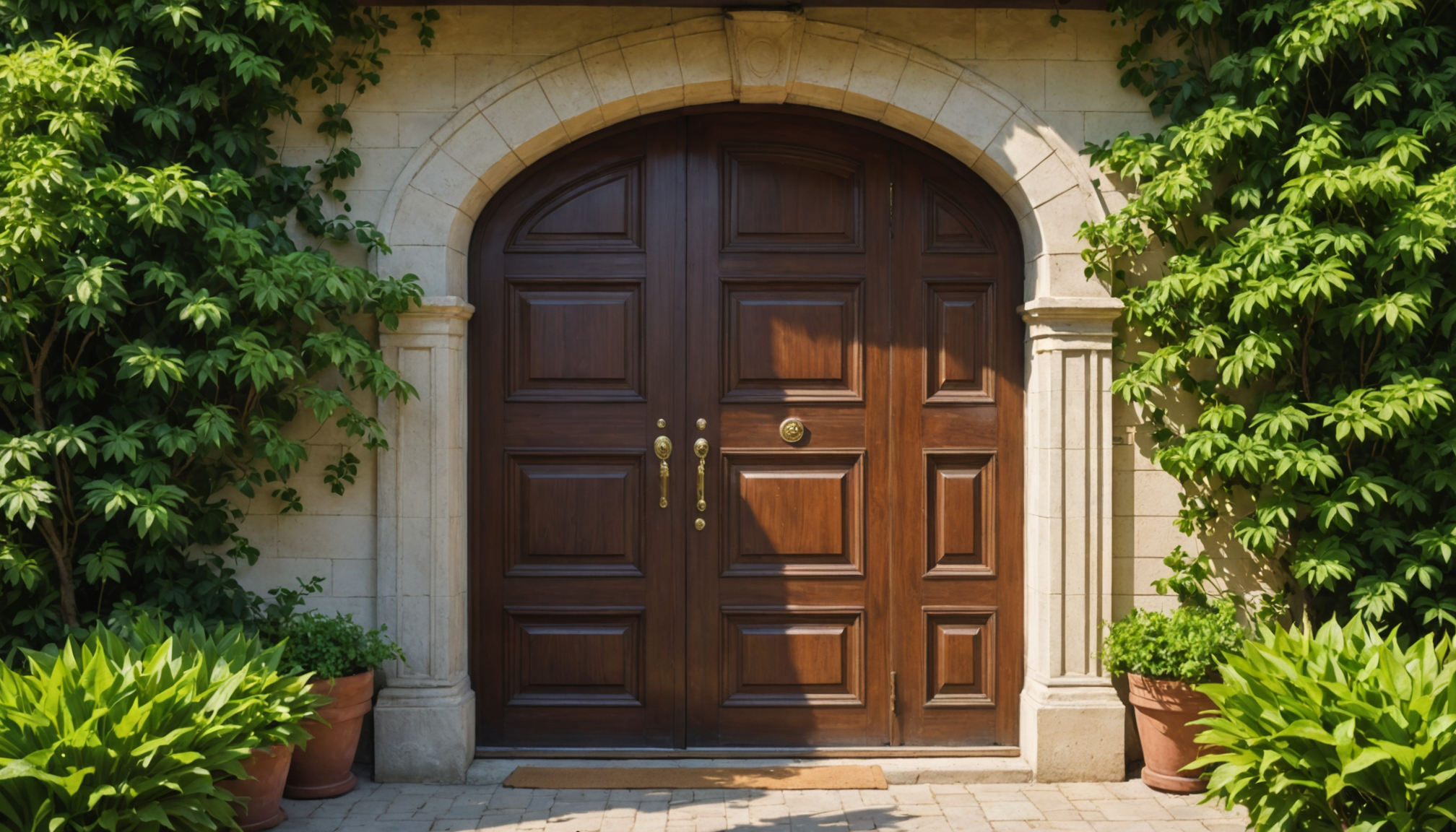 When preparing to clean your doors, it’s essential to gather the right supplies to ensure an effective and efficient cleaning process. Having the necessary materials on hand before you begin will streamline your task and help maintain the doors’ integrity while enhancing their appearance. Here’s a comprehensive list of supplies you will need:
1. Soft Cloths or Microfiber Cloths:
– These are essential for dusting and cleaning without leaving scratches behind. Microfiber cloths are particularly effective for glass doors, providing a streak-free finish.
2. Buckets:
– A couple of buckets will be useful, one for the cleaning solution and another filled with clean water for rinsing. This setup helps prevent dirt from being reintroduced to the surfaces you’re cleaning.
3. Mild Detergent or Dish Soap:
– A gentle cleaning agent is necessary to safely clean a variety of door materials without causing damage. Make sure to dilute the detergent according to the manufacturer’s instructions.
4. Vinegar:
– Known for its natural cleaning and deodorizing properties, vinegar can serve as an eco-friendly option, especially effective for metal and glass surfaces.
5. Commercial Glass Cleaner:
– If preferred over vinegar, a glass cleaner can effectively remove smudges and fingerprints from glass doors. Choosing an ammonia-free option can prevent streaks and is safer for surfaces.
6. Wood Polish:
– For wooden doors, a good quality wood polish will help maintain their shine and provide a protective layer against moisture.
7. Rubber Gloves:
– Protect your hands from any harsh chemicals or irritants in the cleaning solutions, especially if you have sensitive skin.
8. Sponge or Soft-bristled Brush:
– These tools can be used for scrubbing away tougher stains or grime on more resilient surfaces like metal or composite doors.
9. Dry Towels or Rags:
– To dry the doors after cleaning and rinsing, preventing water spots or streaks, especially important for maintaining a polished appearance on metal and glass doors.
10. Vacuum Cleaner with Accessories:
– Equipped with a hose and brush attachment, a vacuum can be useful for removing dust and debris from door crevices and frames before you begin more thorough cleaning.
By organizing these supplies, you’ll be well-prepared to tackle the cleaning task with ease and efficiency. Tailoring your cleaning materials to suit different door types not only aligns with the current trends towards eco-friendly practices but also ensures that your cleaning process upholds the quality and appearance of your doors, whether they be in an interior setting or protecting your garage from the elements.
Step-by-step cleaning process
To embark on cleaning your doors effectively, it is crucial to follow a structured approach that not only ensures thorough cleanliness but also maintains the quality and longevity of the materials. This step-by-step cleaning process is designed to address the nuances of different door types while aligning with modern eco-friendly cleaning trends.
Begin by conducting a preliminary inspection of your doors. Look for areas that require special attention, such as dirt accumulation, fingerprints, or stains that might need extra care. This step helps in identifying the most suitable cleaning method for each section, whether you are dealing with wooden, metal, glass, or composite doors.
Next, dust the doors thoroughly using soft cloths or microfiber towels to remove loose dirt and dust particles. For areas such as garage doors, a vacuum cleaner may be handy to dislodge and extract dirt from crevices and frames efficiently. This initial step is essential because removing surface dirt sets the stage for deeper cleaning without risking scratches.
Once the surface is dust-free, prepare the appropriate cleaning solution based on the door material. For wooden doors, dilute mild detergent in water, ensuring the solution is gentle enough to not seep into the wood grain. Metal doors benefit from a mix of soap and water or, for stainless steel, a vinegar and water solution to eliminate streaks. Glass doors require either vinegar and water or a commercial glass cleaner for a spotless finish, while composite doors need only soapy water due to their low-maintenance nature.
Proceed by dipping a sponge or a soft cloth into the cleaning solution, gently wiping the door surface. Start from the top and move downwards in firm, smooth strokes to avoid streaking. Pay careful attention to the edges and corners, where grime tends to accumulate.
After the cleaning process, it’s crucial to rinse thoroughly with clean water, especially for doors exposed to outdoor elements, such as garage doors. This step removes any soap residue that might dull the surface if left to dry. When dealing with glass doors, ensure a final wipe with a dry, lint-free cloth to prevent water spots.
For wooden doors, apply wood polish immediately after cleaning. This not only enhances their natural luster but also forms a protective barrier against moisture and environmental factors. Meanwhile, regularly polishing metal doors can fend off rust, preserving their aesthetic and structural integrity.
Finish by drying with a clean towel to provide a touch-free finish. Drying is especially important for glass and metal surfaces where streaks or water spots could otherwise undermine your efforts.
By adhering to this detailed, step-by-step cleaning process, you ensure that each door type receives the care it merits, thus maintaining your home’s aesthetic appeal and functionality. Engaging in such routine maintenance helps to keep your doors looking pristine, promoting an inviting atmosphere while upholding the eco-friendly principles that have become integral in today’s cleaning practices.
Tips for maintaining door cleanliness
Maintaining door cleanliness is crucial for both aesthetic reasons and the longevity of the doors themselves. One key tip is to establish a regular cleaning schedule that suits the different materials and uses of your doors. For instance, high-traffic areas such as entryways and garage doors might require more frequent attention than less-used internal doors. Regular dusting is a simple yet effective strategy; using microfiber cloths ensures that dust is collected rather than spread, keeping surfaces cleaner for longer.
Another tip is addressing any spills or stains immediately to prevent them from setting. Whether it’s a splash of mud on an exterior metal door or fingerprints on glass, swift action generally means a simpler clean-up. For wooden doors, avoid using too much water, and dry them thoroughly to prevent warping or moisture damage.
Seasonally, consider a more detailed inspection for problems like mold or mildew, particularly on doors exposed to elements. Keeping up with caulking around frames can also prevent drafts, moisture intrusion, and thus any damage related to these issues.
Furthermore, even if you’ve completed a thorough wash, don’t forget to polish and treat your doors regularly. For wood, a suitable polish can protect against UV damage and improve water resistance, contributing to a longer lifespan. Similarly, metal doors can benefit from a fresh coat of weather-resistant paint or finish to ward off rust.
Implement eco-friendly habits by minimizing the use of harsh chemicals that can be damaging not only to your health but also to delicate door finishes. Instead, lean towards natural cleaning agents like vinegar or specialized eco-friendly products that align with current trends, reducing the toxic load and environmental impact.
Additionally, consider the hardware that keeps your doors functional. Hinges and handles should be cleaned and lubricated regularly to avoid squeaks and ensure smooth operation. When using lubricants, choose silicone-based or other non-corrosive products to avoid damage to chrome finishes or discoloration on painted surfaces.
By incorporating these tips into your regular cleaning routine, not only do you preserve the quality and appearance of your doors, but you also uphold contemporary trends that favor sustainable and eco-friendly practices. Keeping your doors in pristine condition enhances your home’s overall appeal and maintains its inviting atmosphere year-round.
Safety precautions to consider
When undertaking door cleaning tasks, it’s important to prioritize safety for both yourself and your home’s surfaces. Begin by setting up your cleaning environment thoughtfully—ensure that your workspace is well-lit and adequately ventilated to avoid inhaling fumes from cleaning agents, which aligns with eco-friendly practices.
To prevent accidents, particularly with garage doors or heavier doors, use a stable ladder or step stool if you need to reach higher areas. Ensure these are positioned securely to avoid slips. Handling cleaning solutions requires caution; always wear rubber gloves to protect your skin from potential irritation caused by chemicals, even more so if you have sensitive skin. If using commercial cleaning products, read labels carefully to ensure they are suitable for the specific door material you are working with, and follow the manufacturer’s guidelines for dilution and application to prevent damage or accidents.
For those opting for DIY cleaning mixtures, like vinegar slips or solutions, test them on a small, inconspicuous area of the door first, to assess the reaction and ensure there won’t be any discoloration or damage. This precaution is especially relevant for wooden doors, where certain solutions might alter finish or texture.
Be mindful of electrical outlets or wiring near your work area, especially when cleaning garage doors, where electric openers and components might be present. Avoid using excessive water near these areas to avert the risk of electrical hazards.
Additionally, if you are using equipment that might be loud or generate dust during the cleaning process, consider using protective eyewear or dust masks to safeguard against airborne particles, remaining consistent with eco-friendly trends that aim to minimize individual health risks alongside environmental impacts.
Lastly, if you’re dealing with particularly stubborn grime or repairs beyond regular cleaning, assess whether professional help is needed to ensure safe and effective treatment, avoiding any risk of injury or damage through improper handling.
By prioritizing safety precautions, you not only protect your health and the integrity of your doors but also adhere to practices that are mindful of minimizing residence hazards while promoting cleanliness trends that are sensible and eco-conscious.
In conclusion, maintaining clean doors requires a thoughtful approach tailored to the specific materials and settings in your home. By understanding the unique care needs of each door type and using the right supplies, you preserve their aesthetic appeal and functionality. Following a structured cleaning process, adopting regular maintenance practices, and ensuring safety during cleaning are essential to uphold the integrity and longevity of your doors. Incorporating eco-friendly methods aligns with modern trends while enhancing the inviting atmosphere of your home.