When considering a roof remodel, evaluating the materials you plan to use is crucial. The choice of roofing material directly impacts the long-term durability, energy efficiency, and overall aesthetics of your home. Selecting the right materials involves understanding the unique characteristics and benefits each option presents, allowing you to make an informed decision that best suits your family’s needs and home environment.
One of the first considerations in evaluating roofing materials is the expected lifespan and how they hold up under varying weather conditions. Common options include asphalt shingles, metal, wood shakes, slate, and tiles. Each comes with distinct advantages and potential drawbacks, so it’s essential to assess these against your home’s specific requirements.
| Material | Average Lifespan | Weather Resistance | Cost | Environmental Impact |
| Asphalt Shingles | 15-30 years | Moderate | Low | Moderate |
| Metal | 40-70 years | High | Medium | Low |
| Wood Shakes | 30-50 years | Low | Medium | High |
| Slate | 75+ years | Very High | High | Low |
| Tiles | 50-100 years | High | High | Moderate |
Asphalt shingles are often favored for their affordability and ease of installation. However, while they are cost-effective, they require more frequent replacements compared to other options. Metal roofs, in contrast, offer excellent durability and safety, particularly in regions prone to wildfires and heavy snowfall, thanks to their high resistance to extreme weather. Additionally, metal roofing materials can help optimize your HVAC system’s efficiency by reflecting sunlight, which keeps the home cooler during hot months.
For a more traditional appearance, wood shakes add a natural, rustic aesthetic, though they can be less resistant to fire unless specially treated. Slate and tiles are premium-quality choices, offering stunning visuals and extreme longevity, but they require a substantial initial investment. Furthermore, due to their weight, they could necessitate additional structural support for your roof.
Beyond these technical specifications, considering the environmental impact of your choice is more important than ever. Some materials like metal and clay tiles are recyclable and have minimal environmental footprints, while others, like asphalt shingles, are less sustainable. If sustainability is a priority in your remodel, it will influence your material selection significantly.
Ultimately, selecting the right roofing materials involves balancing cost with functionality, aesthetics, and long-term value. By thoroughly evaluating the features and performance of each option, you ensure an investment in your home that benefits your family in safety and comfort for many years to come.
incorporating energy-efficient options
 When remodeling your roof, incorporating energy-efficient options is a critical step in enhancing your home’s overall sustainability and reducing energy costs. Here’s a step-by-step guide to help you integrate energy-efficient roofing features seamlessly into your remodel:
- Assess Your Insulation Needs: Begin by evaluating your current roof’s insulation. If your roof is poorly insulated, your HVAC system could be working overtime to maintain comfortable temperatures, leading to energy waste. Ensure that your attic and roof spaces are properly insulated using materials like spray foam, rigid foam boards, or fiberglass batts to minimize heat transfer and maximize efficiency.
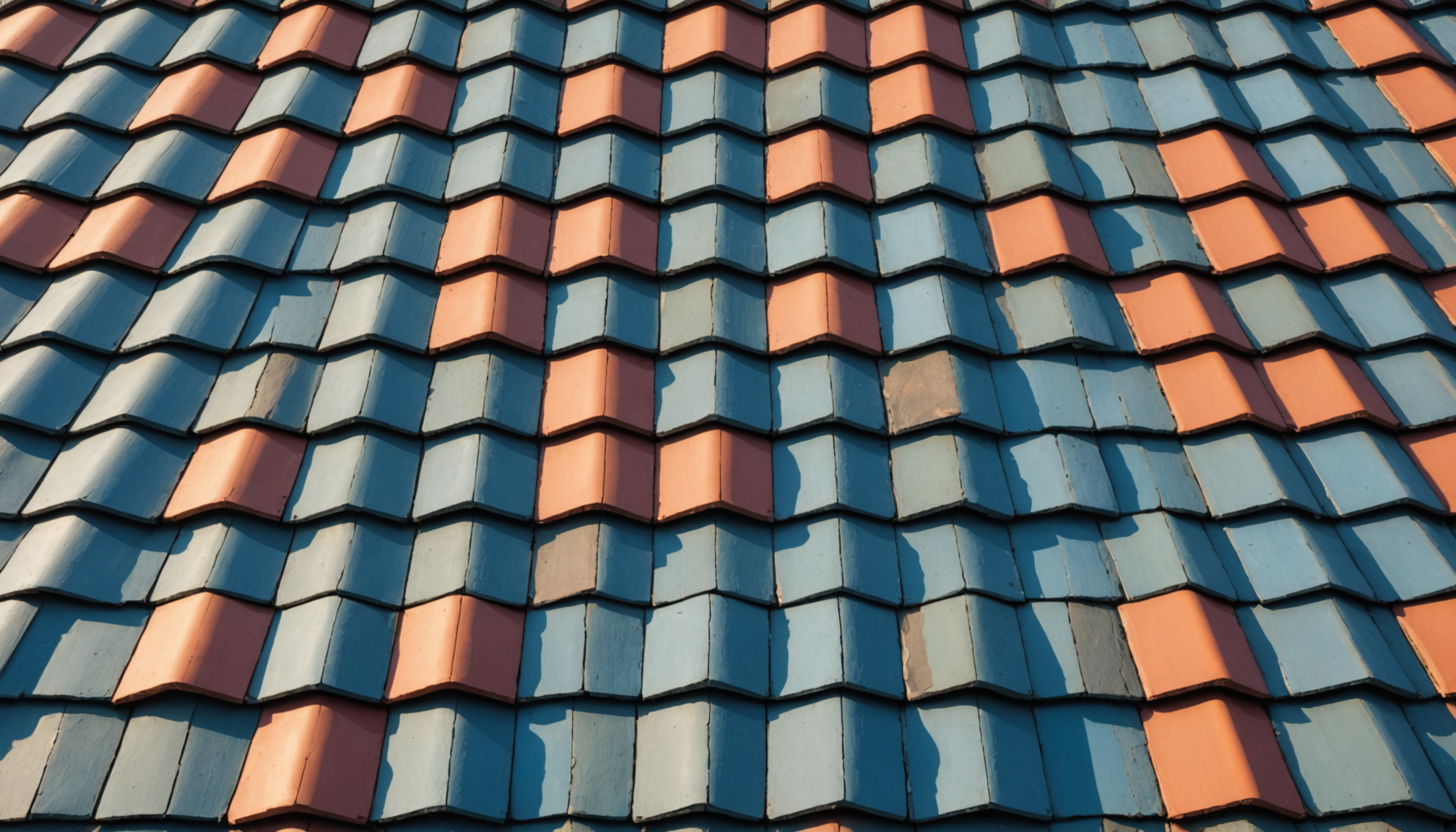
- Select Energy-Efficient Materials: Choose roofing materials that naturally enhance energy efficiency. Consider opting for reflective materials, such as cool roofs made of reflective coatings or light-colored tiles, which reflect more sunlight and absorb less heat. Metal roofs are also excellent for reflecting heat, especially in hotter climates, and can significantly lower cooling costs, providing your family with comfort and safety during extreme weather conditions.
- Install a Radiant Barrier: Radiant barrier insulation can be installed under your roof deck to reduce cooling costs by blocking heat transfer. This specialized material reflects thermal radiation, thus preventing the attic space from heating up and helping your HVAC system to function more efficiently.
- Incorporate Solar Panels: Harnessing solar energy can dramatically decrease reliance on traditional power sources. Consider installing solar panels on your roof to generate electricity for your home, reducing energy bills, and promoting sustainability. Ensure your roof structure is sound enough to support the added weight and consult with a solar installation professional to optimize the placement for maximum sun exposure.
- Optimize Ventilation: Adequate roof ventilation is crucial for maintaining energy efficiency. Install venting systems like ridge vents or soffit vents to promote airflow through the attic. This prevents excessive heat buildup and moisture accumulation, which can compromise roof materials and the overall safety of your home.
Adopting these energy-efficient methods in your roof remodel not only supports environmental sustainability but also enhances the functionality and comfort of your home. By thoughtfully selecting materials and technologies, you’re investing in energy savings that benefit both your family and the planet, paving the way for a more sustainable future.
enhancing roof aesthetics
When it comes to enhancing the aesthetics of your roof, the choices you make can significantly impact your home’s curb appeal and overall value. First, explore different styles and design elements to infuse uniqueness into your home. Consider architectural shingles, which come in various textures, colors, and patterns that mimic more luxurious materials like slate or wood. This offers a way to achieve a high-end look without the exorbitant expense, providing an exceptional balance between beauty and cost-effectiveness.
Another key consideration is the color palette of your roofing materials. A well-chosen hue can complement your home’s exterior and create a cohesive visual appeal. Darker shades of roofing materials can provide a stark contrast to a lighter home exterior, potentially giving it a stately and sophisticated look, while lighter shades might offer a more relaxed and welcoming vibe. Furthermore, different colors can affect temperature regulation within the home, contributing to varying degrees of energy efficiency, which ultimately affects HVAC usage and costs.
Incorporating decorative elements can also make your roof stand out. Details like copper flashing, designer ridge caps, or intricate gable accents add character and enhance architectural interest. These elements not only upgrade the visual appeal but also emphasize specific design features of your home, adding depth and texture that draw the eye.
The choice of material plays an essential role as well. Slate and clay tiles offer a timeless elegance, ensuring that your roof remains aesthetically pleasing even as trends change. Metal roofs, with their sleek lines and modern finish, can transform the entire look of a property, particularly when design flexibility and dynamic color options are taken into account.
Don’t overlook the impact of roof shape and structure on aesthetics. For instance, adding dormer windows or opting for a more complex roof structure can dramatically change how your home looks and feels. While these modifications may require a more significant initial investment, they often pay off by elevating the architectural sophistication of your residence.
Finally, it’s essential to keep maintenance in mind while enhancing roof aesthetics. Opt for materials and designs that are not only beautiful but also easy to maintain to ensure that your home continues to impress. Aesthetic enhancements should contribute to the long-term value, requiring minimal upkeep while maintaining their charm.
By integrating these aesthetic improvements into your roof remodel, you’re not just redefining your home’s appearance, but you’re also making an investment in boosting its overall market value. This effort benefits your family by offering them a more beautiful and esteemed place to live, while also enhancing property value and protecting the home’s structural integrity.
adding sustainable features
Incorporating sustainable features into your roof remodel is an excellent way to promote environmental stewardship and ensure long-lasting benefits for your home and family. Start by exploring eco-friendly materials that are not only durable but also have a minimal carbon footprint. Consider products like recycled shingles, which reuse existing materials and contribute significantly to waste reduction. These options combine sustainability with performance, offering high resistance to various weather conditions while maintaining their integrity over time.
Using sustainably sourced materials is another impactful choice. Bamboo and reclaimed wood shakes, for example, are rapidly renewable, meaning they regenerate quickly and require relatively low energy to produce. By selecting these alternatives, you align your remodel with eco-conscious principles and can enjoy the natural beauty that they bring to your roof’s aesthetic, creating a warm and inviting atmosphere for your home.
Additionally, focus on enhancing water management through green roofing solutions. Green roofs, or rooftop gardens, provide myriad benefits—they reduce stormwater runoff, offer natural insulation for your home, absorb pollutants, and create habitats for local wildlife. Introducing vegetation layers to your roof keeps your house cooler, reducing HVAC strain during hotter months and promoting year-round energy efficiency. This practice not only boosts sustainability but also prioritizes your family’s comfort and safety.
Also, integrate rainwater harvesting systems into your roof design. These systems collect rainwater, promoting resource conservation and providing additional water supply, which can be used for irrigation or non-potable purposes. This efficient use of natural resources aids sustainability efforts and reduces your reliance on municipal water sources, ultimately cutting utility costs.
Improving energy efficiency through solar energy solutions is another forward-thinking initiative for a sustainable roof remodel. Pair solar panels with efficient roofing designs to maximize energy capture and minimize environmental impact. This investment promises long-term savings on electricity bills while demonstrating your dedication to reducing carbon emissions and fostering a clean energy future.
The inclusion of sustainable features into your roofing project underscores a commitment to eco-friendly living, enhances the functionality and aesthetics of your home, and provides tangible benefits for your family’s lifestyle. By opting for these environmentally responsible choices, you’re not only taking steps towards preserving the planet but also enhancing the safety, comfort, and value of your personal abode.
improving roof functionality
To improve the functionality of your roof, there are several strategies you can consider to enhance its practical benefits while ensuring safety and comfort for your family. Start by evaluating your current roof, identifying areas where performance can be upgraded. Implementing quality materials and design features not only improves the functionality but also the durability of your roof, addressing both immediate needs and long-term benefits.
One effective approach is enhancing the roof’s capacity to deal with local weather challenges, such as heavy rain or snow. This can be achieved by leveling up your gutter system and ensuring it’s efficiently diverting water away from the house, thereby preventing leaks and structural damage. Opt for materials that offer high resilience against wind, snow, and hail, which can enhance safety and minimize the need for emergency repairs during unpredictable weather.
Incorporating effective ventilation systems is another crucial functional upgrade that can significantly impact the energy efficiency of your home. Proper ventilation helps regulate attic temperatures, reducing heat buildup in summer and preventing moisture accumulation during winter. This not only extends the life of your roofing materials but also improves your HVAC system’s efficiency, keeping your home comfortable year-round while reducing energy costs.
Improving roof access for regular maintenance and inspection is a smart move that contributes to its functionality. Adding a walkable roof surface or strategically placed access points makes it easier to conduct necessary upkeep, identify and address potential issues, and ensure that your roof remains in optimal condition. This forward-thinking approach promotes safety by mitigating risks associated with delayed repairs.
Additionally, consider integrating smart technology, such as automated systems for storm shutters or weather monitoring, to enhance the roof’s functionality further. These innovations can provide real-time data and solutions, helping protect your family against severe weather events and ensuring your roof’s integrity remains intact even under tough conditions.
By focusing on these functional improvements, your roof remodel becomes an investment in the safety and comfort of your family, providing peace of mind that your home remains protected, efficient, and structurally sound through all seasons.
In conclusion, remodeling your roof offers a wonderful opportunity to enhance not only its structural integrity and visual appeal but also its energy efficiency and functional capacity. By carefully selecting materials, incorporating sustainable and energy-efficient options, and prioritizing both aesthetics and functionality, you create a space that benefits your family and contributes positively to the environment. Each of these thoughtful decisions helps establish a resilient, beautiful, and sustainable home, ensuring long-term satisfaction and value.