When embarking on a journey to renovate your living room, the first and most critical step is to thoroughly assess your renovation needs. This foundational phase is essential to ensure that the entire project is aligned with your vision and lifestyle, and it provides a roadmap for all future decisions. Begin by evaluating the current state of your living room, considering both its functional and aesthetic aspects. Ask yourself what is working and what isn’t. This will allow you to identify specific areas that require attention and improvement.
Consider the functional aspects of your living room. Is the space being used efficiently? Do you have enough seating? Is the arrangement conducive to conversation and entertainment, or does it feel cramped and cluttered? Take into account the maintenance needs of any existing furniture or features. Old pieces that require constant maintenance might need replacing, representing an opportunity for investment in new, more durable options.
A critical component of this assessment involves understanding the wear and tear on different living room components. High-traffic areas, like the walkway through your living room, might need durable flooring choices, while quieter spaces could make do with less robust options. Assess the condition of your walls, floors, and ceilings. Are there any damages or areas needing improvement, such as cracks, peeling paint, or outdated fixtures?
Beyond functionality, focus on aesthetic needs. What atmosphere do you wish to cultivate? Reflect on the mood that color schemes, texture, and patterns create in your existing living room. This initial evaluation can guide you in selecting a coherent color palette later in your renovation process.
Also, consider your household needs and lifestyle changes that might impact your renovation plans. A growing family may necessitate more seating or storage, while a penchant for hosting might require a more open layout for easier movement and landscaping. Couples or individuals might prioritize a cozy and intimate setting.
This stage is also the time to consider technological upgrades, as the incorporation of smart systems can enhance both functionality and overall ambiance. Whether it’s smart lighting, integrated speakers, or advanced climate control, these considerations can dramatically transform your living space.
| Aspect | Considerations |
| Functional Needs | Seating capacity, flow, and accessibility |
| Aesthetic Needs | Color schemes, décor styles, and mood |
| Structural Condition | Walls, floors, ceilings, and maintenance requirements |
| Lifestyle Changes | Family growth, entertainment habits, smart technology integration |
Once you’ve thoroughly assessed these elements, summarize your findings. Create a prioritized list of renovations that align with your budget and timeline, which you’ll develop in the later stages of this process. By clearly understanding your renovation needs, you lay a firm foundation for a living room that not only meets but exceeds your expectations.
Choosing a color scheme
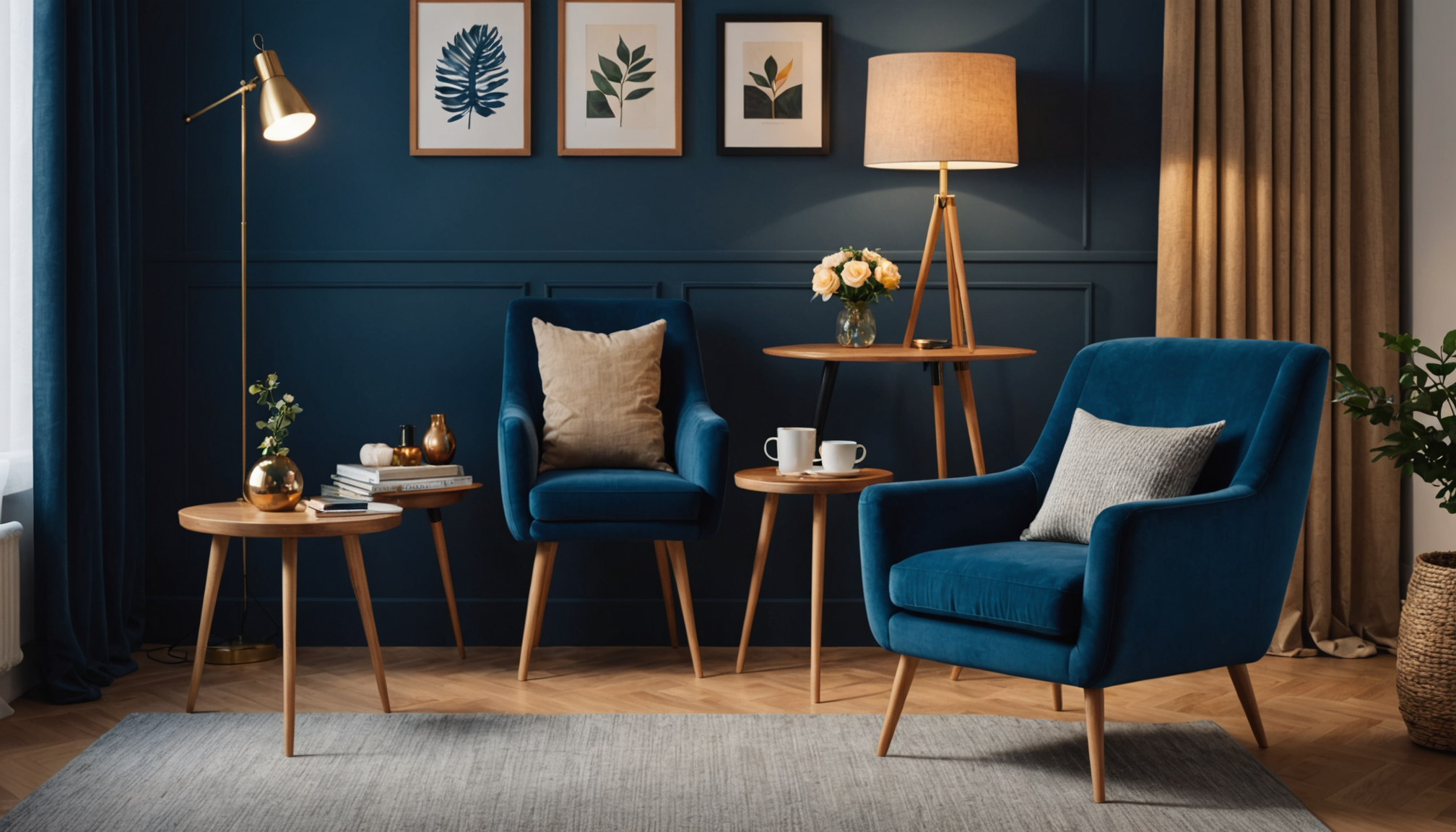 Choosing the right color scheme for your living room is a pivotal step in the renovation process, as it sets the tone and mood of the entire space. The colors you choose will influence everything from the perception of space to the ambiance, making it essential to consider this step carefully. Here are some step-by-step instructions to help you select the perfect color scheme.
- Start with Inspiration: Begin by gathering inspiration from various sources such as home decor magazines, online platforms, and interior design blogs. Create a mood board or digital collage to visualize how different colors work together. Look at existing features that you’ll keep in your living room, such as a statement piece of furniture or a special rug, and consider colors that will complement them.
- Consider the Room’s Function: Think about how you use your living room. Is it primarily a place for relaxation and unwinding, or do you need it to serve multiple purposes like entertaining guests or working from home? For a cozy and serene setting, opt for soft neutrals or cool blues. For a more dynamic and vibrant feel, introduce bold colors like reds or yellows. Remember that your lifestyle plays a significant role in these decisions, especially if your living room is a central hub for family activities.
- Understand Color Psychology: Different colors can evoke various emotions and moods. For example, greens often symbolize tranquility and renewal, making them ideal for fostering a relaxing environment. Earthy tones like browns and beiges can create warmth and comfort, making them a suitable choice for a welcoming oasis. Familiarize yourself with these psychological effects to choose colors that align with your desired living room atmosphere.
- Test Paint Samples: Once you’ve narrowed down your choices, purchase small paint samples and apply them to the walls. Observe how the colors change throughout the day under natural and artificial lighting. Remember, lighting can dramatically affect how a color appears, so it’s wise to see how each shade looks in different lighting conditions before committing.
- Coordinate with Furniture and Decor: Make sure that your color scheme complements existing or planned furniture and decor. A harmonious blend between wall colors, upholstery, rugs, and accessories can yield a cohesive and sophisticated look. Balance is key; mix lighter and darker shades to add depth and dimension to your space.
- Create a Focal Point: Use color strategically to create a focal point in the room. An accent wall in a bolder shade can draw attention to a fireplace, artwork, or any special architectural detail. This tactic can be particularly effective in smaller spaces, where a well-chosen accent can introduce character without overwhelming.
- Maintain Flexibility: While it’s crucial to choose a coherent color scheme, allow for some flexibility to make adjustments as the renovation progresses. Sometimes, seeing all elements come together might inspire a tweak in your initial plan, so be open to change for the overall good of the design.
Incorporating a sound investment in time and consideration when selecting your color scheme is crucial to achieve a living room that you’ll love for years to come. The right palette can transform your space, bringing your renovation vision to life and creating a setting that feels both refreshed and harmonious.
Selecting furniture and decor
Selecting the perfect furniture and decor for your living room is a transformative phase in the renovation process. Choosing the right pieces is an investment in both style and functionality, ensuring the space is comfortable, aesthetically pleasing, and radiates a personal touch that aligns with your lifestyle.
Begin by assessing the needs identified in your initial evaluation phase. Consider the layout and size of your living room, ensuring that each piece of furniture contributes to an efficient and inviting arrangement. If your renovation plans involve a new layout, measure the space carefully and opt for pieces that fit proportionately, allowing for ample walkways and a flow that feels natural.
Prioritize comfort and quality. A living room serves as a central hub for relaxation, family gatherings, and entertainment; therefore, your choice of furniture should reflect durability and comfort. Opt for high-quality materials that withstand wear and tear, minimizing maintenance needs over time. Leather and textured fabrics can both offer a sophisticated look and practicality, catered to your specific functional requirements.
Complement your furniture selection with decor that enhances and invigorates the space. Consider decorative items that reflect your personality and elevate the overall ambiance. Artworks, sculptures, and carefully chosen accents like pillows and throws can introduce layers of depth and interest without overwhelming the room. Balance is key—pair bold decorations with understated furniture or vice versa to maintain harmony and cohesion.
Crafting a living room that feels complete often involves creating focal points with your decor selections. Establish areas of interest with unique items such as a vintage mirror, an exotic rug, or a striking light fixture, ensuring that they enhance rather than dominate the environment. These carefully curated elements should resonate with the chosen color scheme and align with the overarching aesthetic and functional objectives.
Don’t overlook organizational elements such as bookshelves, storage ottomans, and side tables, which offer practical solutions and contribute to the overall aesthetic appeal. Integration between furniture and decor enhances your living room’s utility, enabling you to maintain a clean and unencumbered space where relaxation and socialization can flourish.
A successful furniture and decor plan requires flexibility. Stay open to adjustments as you renovate, welcoming new inspirations or practical tweaks that reveal themselves as the design unfolds. This adaptive mindset will ensure your living room evolves into a space that deftly balances your needs and aspirations, providing a sanctuary that you cherish and enjoy each day.
Enhancing lighting and ambiance
Lighting plays a crucial role in the mood and functionality of your living room, making it a worthwhile investment in your renovation journey. As you plan to enhance the lighting and ambiance, focus on creating a balance between natural and artificial light sources to transform your space into a versatile and inviting environment.
Begin by evaluating the existing natural light. Large windows, if present, can flood your living room with vibrant light, connecting your indoor space with the outdoor landscape. Consider sheer curtains or blinds that allow light in while maintaining privacy. If natural light is limited, mirrors strategically placed can reflect and amplify the light, making the room feel larger and more open.
Introduce a variety of lighting fixtures to address different areas and activities in your living room. Ambient lighting forms the foundation, providing overall illumination, achieved with ceiling lights or versatile track lighting systems. Invest in quality fixtures that match your decor style, blending seamlessly with other interior elements. Recessed lighting is a clean option that offers flexibility without occupying visual space.
Next, layer in task lighting to focus on specific areas like reading nooks, workspaces, or a cozy corner where you might indulge in hobbies. A well-placed floor or table lamp can serve this need while adding an element of style. Dimmable options are ideal, allowing you to adjust the intensity depending on the time of day and activity, contributing significantly to the ambiance.
Accent lighting further enhances the character of your living space by highlighting architectural features or cherished decor items like artwork or bookshelves. Wall sconces or spotlights directed at these focal points draw attention and add depth, creating areas of interest that reflect your personal style.
Don’t forget the impact of smart lighting systems that can be integrated into your living room design for added convenience and efficiency. Being able to control lighting via apps or voice commands can enhance functionality and help you tailor the mood effortlessly throughout the day.
Finally, subtly incorporate decorative elements within your lighting plan, like LED strips behind furniture or under cabinets, providing a gentle glow that emphasizes the room’s architecture and adds a modern touch. These thoughtful enhancements not only elevate the ambiance but also make practical navigation through the space more pleasant, especially in the evenings.
Remember, achieving the perfect lighting scheme is an ongoing process. As you unveil other changes in your living room, be open to revisiting and adjusting your lighting strategy to ensure it continues to meet your needs and complements your evolving style. With a focus on layered lighting and ambient enhancements, your living room will transform into a harmonious sanctuary that welcomes both daily life and special moments with equal grace.
Planning your budget and timeline
When embarking on a living room renovation, a well-structured budget and timeline are crucial for an efficient and successful project. Start by setting clear financial boundaries to guide your choices, ensuring that you allocate funds effectively across all aspects of the renovation. Prioritize essential elements first, such as structural repairs or major purchases like furniture, and allocate a portion of your budget to unforeseen expenses that often arise during any renovation process.
To create a detailed budget, list individual components you plan to update or replace, such as lighting fixtures, paint, flooring, and decor. Consider obtaining multiple quotes from contractors and suppliers to ensure competitive pricing and avoid surprises. It’s also wise to explore financing options, such as home improvement loans, if your renovation exceeds upfront available funds; however, smart financial planning and savings can often help avoid additional financial burdens.
As you outline your timeline, consider the scope and scale of your project. Renovations influencing structural elements or requiring permits may take longer, so build in extra time to account for any bureaucratic or unforeseen construction hurdles. Begin by setting specific deadlines for each phase of the renovation, and ensure that these are realistic, considering both your schedule and the availability of materials and contractors. Remember, rushing can lead to costly mistakes and compromises in quality, so it’s better to maintain a pace that allows for careful consideration and adjustments along the way.
Regularly reviewing both your budget and timeline is essential as the project progresses. This ensures that you remain on track and can make informed decisions in response to any new developments. Adjustments may be necessary as you navigate through the complexities of the renovation process, but keeping an adaptable and proactive approach will help you achieve your desired outcome without unnecessary stress.
By carefully planning your budget and timeline, you lay the groundwork for a smooth and rewarding renovation experience, allowing your living room transformation to unfold seamlessly. An organized approach not only keeps your project in check financially and temporally but also adds peace of mind, fostering enjoyment as you watch your vision come to life.
In conclusion, renovating your living room is a comprehensive and rewarding endeavor. By thoroughly evaluating your needs, selecting a harmonious color scheme, choosing the right furniture and decor, enhancing lighting, and planning your budget and timeline effectively, you lay the foundation for a stunning transformation. This diligent approach ensures your living room will be a beautifully renovated space that reflects your personality and enhances your lifestyle, providing comfort and joy for years to come.