Designing an efficient and functional laundry room requires strategic planning, particularly when it comes to maximizing space and storage. Every inch of the room should be considered an opportunity to enhance functionality without compromising style or ease of use. Whether you are dealing with a compact area in an apartment or a more generous space in a home, the principles of effective space utilization remain the same.
One critical step in maximizing storage is to make use of vertical space. Installing tall cabinets or shelving units that reach up to the ceiling can provide ample storage for detergents, cleaning supplies, and linens. This not only keeps the floor area free but also makes organization simpler. Consider adjustable shelves that can be repositioned to accommodate items of varying heights, or use stackable storage bins to keep small items neatly contained.
In terms of innovative storage solutions, incorporate multifunctional furniture wherever possible. For instance, a foldable ironing board integrated into a cabinet or a pull-out drying rack can seamlessly blend into the design yet offer robust utility. Built-in hampers or baskets are another option that minimizes clutter. These can be designed to slide out from underneath counters or shelves, keeping dirty laundry out of sight and off the floor.
Utilizing the space efficiently also involves coordinating with other essential services in the laundry room, like plumbing and electrical setups. When planning your layout, make sure that your storage solutions do not obstruct access to plumbing fixtures or electrical outlets. Placing appliances closer to their necessary connections can reduce the need for longer plumbing lines or electrical cords, contributing to a cleaner, more efficient layout.
| Feature | Benefit |
| Vertical Cabinets | Utilize entire wall space, increase storage capacity |
| Adjustable Shelves | Flexible storage, easily accommodate items of various sizes |
| Built-in Hampers | Keep dirty clothes organized and out of sight |
| Foldable Ironing Board | Space-saving functionality, easy to access and store |
The choice of materials and finishes can also influence the functionality and maintenance of your storage solutions. Opt for durable, waterproof materials that stand up to the humidity and moisture often found in laundry rooms. Shelving coated with a water-resistant finish or stainless steel storage units can provide years of use without degrading.
By thoughtfully considering how to best utilize every available cubic foot, you can create a laundry room that is not only practical and easy to maintain but also a pleasant environment in which to handle household chores. A well-designed laundry area can make laundry day less of a chore and more of a streamlined and satisfying task.
choosing the right appliances
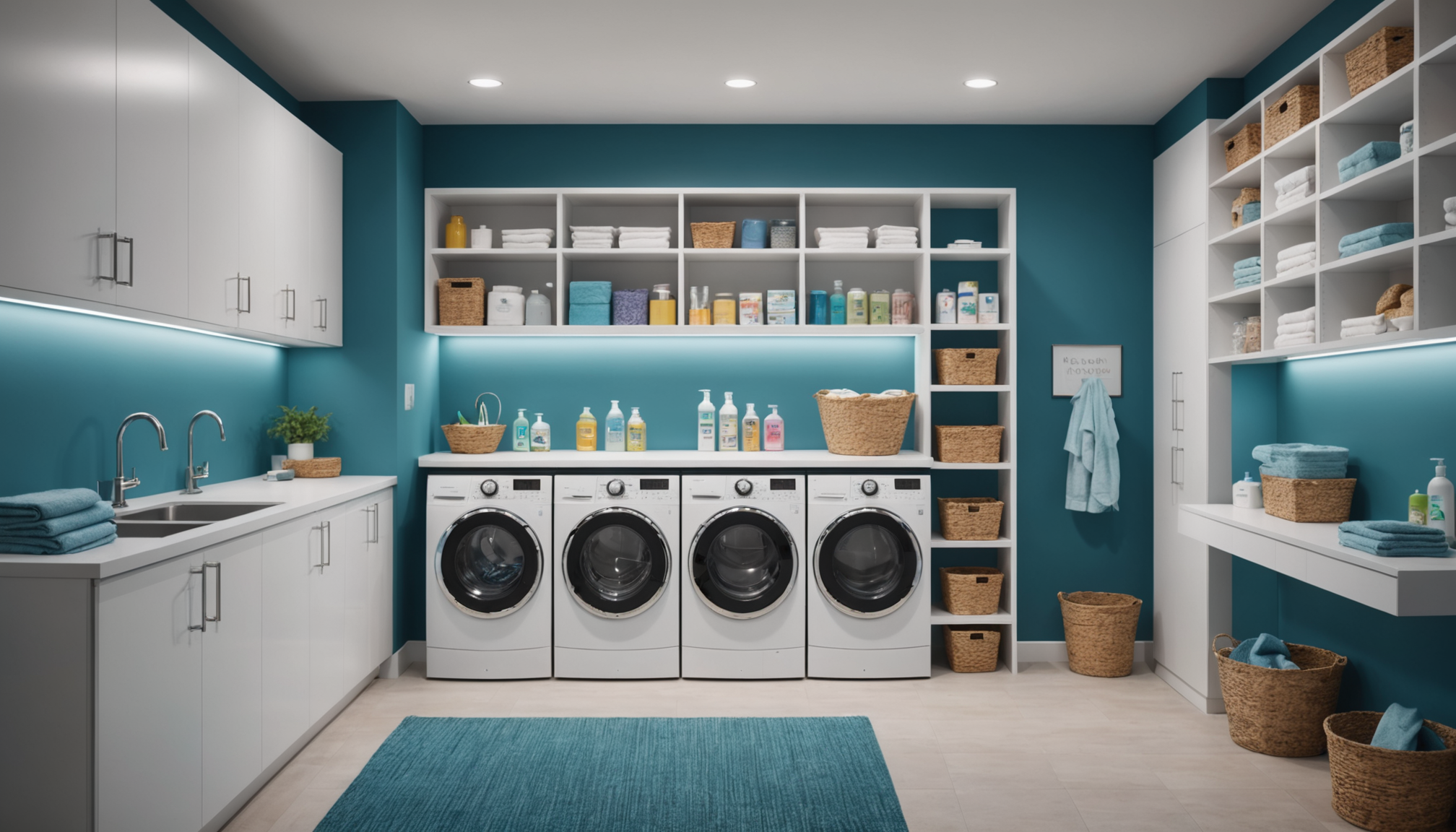 Selecting the ideal appliances for your laundry room is a crucial step in ensuring both efficiency and performance. With a wide range of options available, it’s important to choose appliances that not only fit your budget but also meet your functional needs and space constraints.
-
Evaluate Your Space:
Begin by measuring the available space in your laundry room. This will help you determine the appropriate size for your washer and dryer. If your laundry area is compact, consider compact or stackable units, which can save valuable floor space while maintaining functionality. -
Consider Your Laundry Habits:
Assess your family’s laundry habits. If you frequently wash large loads, a high-capacity washer and dryer may be more suitable. Conversely, for smaller households or infrequent laundry days, a standard-size appliance could suffice, saving on energy and water consumption. -
Choose Between Front-Load and Top-Load Washers:
Front-load washers are generally more water and energy efficient than their top-loading counterparts and offer a sleek, modern look. They also allow for easier integration with countertop spaces, thereby enhancing design aesthetics. However, if you prefer a traditional option with potentially faster wash cycles, a top-load machine might be more suitable. -
Prioritize Energy Efficiency:
Opt for Energy Star-rated appliances, which ensure eco-friendly operations by reducing water and electricity usage. Although they might carry a higher upfront cost, the long-term savings on utility bills and their reduced environmental impact can provide substantial benefits. -
Consider Additional Features:
Look for appliances with features that suit your preferences, such as steam settings for wrinkle reduction, customizable wash cycles, or WiFi connectivity for remote control and maintenance alerts. While these features might increase the initial cost, they can significantly add to convenience and garment care. -
Review Noise Levels:
If your laundry room is near living spaces or bedrooms, selecting appliances with a low decibel output is essential to minimize noise disturbances. Many modern machines boast quiet operation while performing efficiently. -
Ensure Proper Plumbing and Ventilation:
Before finalizing your choice, verify that your laundry area has the appropriate plumbing setup and ventilation for your selected appliances, particularly for dryers which might require external venting or a ventless configuration. -
Consult Reviews and Warranties:
Research customer reviews to gauge the reliability and performance of potential models. A solid warranty plan is also important to protect your investment and ensure easy maintenance and repairs if needed.
By taking these factors into account, you can choose the right appliances that not only cater to your household’s needs but also complement the overall design and functionality of your laundry room. Balancing efficiency, convenience, and style will pave the way for a well-planned and resourceful laundry space.
incorporating functional design elements
Incorporating functional design elements into your laundry space involves more than just the overall aesthetic—it’s about creating an environment that supports practicality and efficiency. Begin by considering the flow of your laundry tasks. Positioning the washer and dryer near one another may seem obvious, but ensure there’s ample countertop space nearby, allowing you to fold clothes easily or treat stains as you unload. If space permits, having a designated area to handle delicates or specific laundry tasks can significantly enhance your workflow.
Ergonomics play a crucial role. Think about how you move around your laundry room. Having appliances at a comfortable height can reduce strain on your back. Consider elevating your front-loading washer and dryer with pedestals or install them at waist level. These pedestals can also double as drawers for laundry essentials, thus maximizing storage. Additionally, maintaining the right height for countertops can turn chores into a less strenuous activity.
Lighting is essential; it’s a key component of any functional design. Incorporate a mix of ambient and task lighting to brighten up your workspace. Under-cabinet lighting can illuminate work surfaces, making it easier to identify stains or sort colors. Opt for LED bulbs to create an eco-friendly and energy-efficient lighting solution that reduces maintenance costs over time.
Incorporate flexible organization options such as adjustable shelving or modular storage systems. Expanding as your needs change becomes simpler, and maintaining an organized space ensures that sought-after items remain within easy reach. For hanging clothes or air-drying delicates, install retractable rods that can be tucked away when not in use, or ceiling-mounted drying racks to free up floor space.
Choose durable and low-maintenance materials for high-traffic areas. Flooring should withstand spills and wear, while countertops should resist stains and moisture buildup. Consider quartz or laminate surfaces, which offer durability and easy cleaning. Small design decisions like these can collectively contribute to a more effortless maintenance routine, prolonging the lifespan of your laundry room’s components.
Lastly, don’t overlook ventilation and air quality, especially in an area prone to humidity and moisture. Adequate ventilation prevents mold and mildew, preserving the integrity of your laundry room. Ensure that any plumbing work is checked for leaks and that dryers are vented appropriately to maintain a dry, fresh environment.
By integrating these functional design elements thoughtfully, you not only enhance the usability of your laundry room but also create a space that harmonizes style with the demands of daily life.
selecting materials and finishes
When it comes to selecting materials and finishes for your laundry room, making the right choice can significantly influence both its aesthetic appeal and its longevity. Begin by considering the functional demands of a space inherently exposed to moisture, detergents, and frequent use. The materials you select should be durable and resistant to these challenges, ensuring a low-maintenance, long-lasting design.
For flooring, opt for resilient materials such as ceramic or porcelain tile, vinyl, or even laminate, which can withstand moisture and are easy to clean. These options can help prevent water damage and offer a variety of styles to match your design preferences. If eco-friendly choices are important to you, consider sustainably sourced cork or bamboo flooring, both of which offer durability and a unique visual appeal while being kind to the environment.
Countertop surfaces should also stand up to heavy wear and tear. Quartz and solid surface materials offer excellent stain resistance and are non-porous, making them ideal in maintaining hygiene and simplifying upkeep. These materials provide a smooth and modern look, complementing the appliances and other design elements within the space. If you prefer stone, opt for sealed granite to prevent moisture absorption and ensure longevity.
Walls and cabinetry can contribute to the room’s overall functionality and style. Consider moisture-resistant paints and finishes for walls to prevent damage and ensure easy cleaning. For cabinets, use materials like high-pressure laminate or thermofoil, which resist moisture infiltration and scratching. By selecting such robust materials, you can extend the lifespan of your cabinetry while maintaining a tidy and polished appearance.
Incorporating eco-friendly finishes can help create an aesthetically pleasing and sustainable laundry room. Use low-VOC (Volatile Organic Compounds) paints and finishes to improve air quality and reduce environmental impact. These options provide vibrant color choices without compromising health or eco-conscious values.
Don’t forget to consider the practical implications of plumbing when choosing your materials and finishes. Ensuring that your plumbing fixtures and installations are easily accessible will facilitate repairs and maintenance. Stainless steel or brass fixtures are excellent choices for withstanding consistent use without degrading, adding a sleek, modern touch while reinforcing the room’s functionality.
Ultimately, the materials and finishes you select should harmonize style and durability, reflecting your personal taste while enduring daily challenges. Each detail contributes to a sophisticated, yet practical, laundry room where elegance meets efficiency, and a seamless design meets streamlined maintenance.
adding personal touches and decor
In enhancing your laundry room with personal touches and decor, it’s important to strike a balance between functionality and aesthetic appeal. Start by selecting a color palette that not only uplifts the spirit of the room but also complements the existing fixtures and finishes. Soft pastels or neutral tones can create a calming environment, while bold shades can inject energy and personality into the space.
Consider adding artwork or decorative elements that resonate with your style. Framed prints or custom artwork related to themes of cleanliness or vintage laundry ads can add charm and character. A chalkboard or a whimsical wall decal can serve as both a decorative touch and a practical solution for jotting down reminders or laundry schedules.
Textiles play a pivotal role in making the room feel inviting and personalized. Use vibrant or patterned rugs to define the space and add warmth underfoot, especially if your flooring is tile or laminate. Incorporate fun and functional elements like embroidered cushion covers on a nearby seating area or colorful throw pillows that make the space cozy and more relatable.
Utilize container plants or succulents to introduce elements of nature into the room. Not only do plants contribute to a better air quality, but they can also create a refreshing atmosphere that counterbalances the industrial feel often associated with laundry appliances. Ensure that your plant choices are low-maintenance, given the varying levels of humidity and light conditions typical of a laundry room.
Accent your laundry room with personalized organizational tools. Opt for decorative storage baskets and labeled jars that add visual interest while keeping necessary items within easy reach. A vintage or repurposed ladder can be a charming way to hang small items or showcase hand towels, adding both utility and decoration.
Lastly, integrate quality lighting fixtures that enhance the room’s decor. Pendant lights or decorative sconces can provide functional illumination while acting as statement pieces that embody your design preferences. Whether you choose fixtures that have an industrial edge or ones that sparkle with elegance, lighting remains an essential component of your personalized decor strategy.
The finishing touches of decor can significantly transform your laundry room, making it a pleasant and motivating space for daily chores. By marrying practicality with style, you personalize not just a room, but a vital part of your household routine.