Mold can present a significant problem in homes and buildings, not only because of the damage it causes to structures but also due to potential health risks. Identifying the signs of mold early is crucial in mitigating these risks and preventing the problem from exacerbating. Mold can manifest in various ways, some of which are more apparent than others.
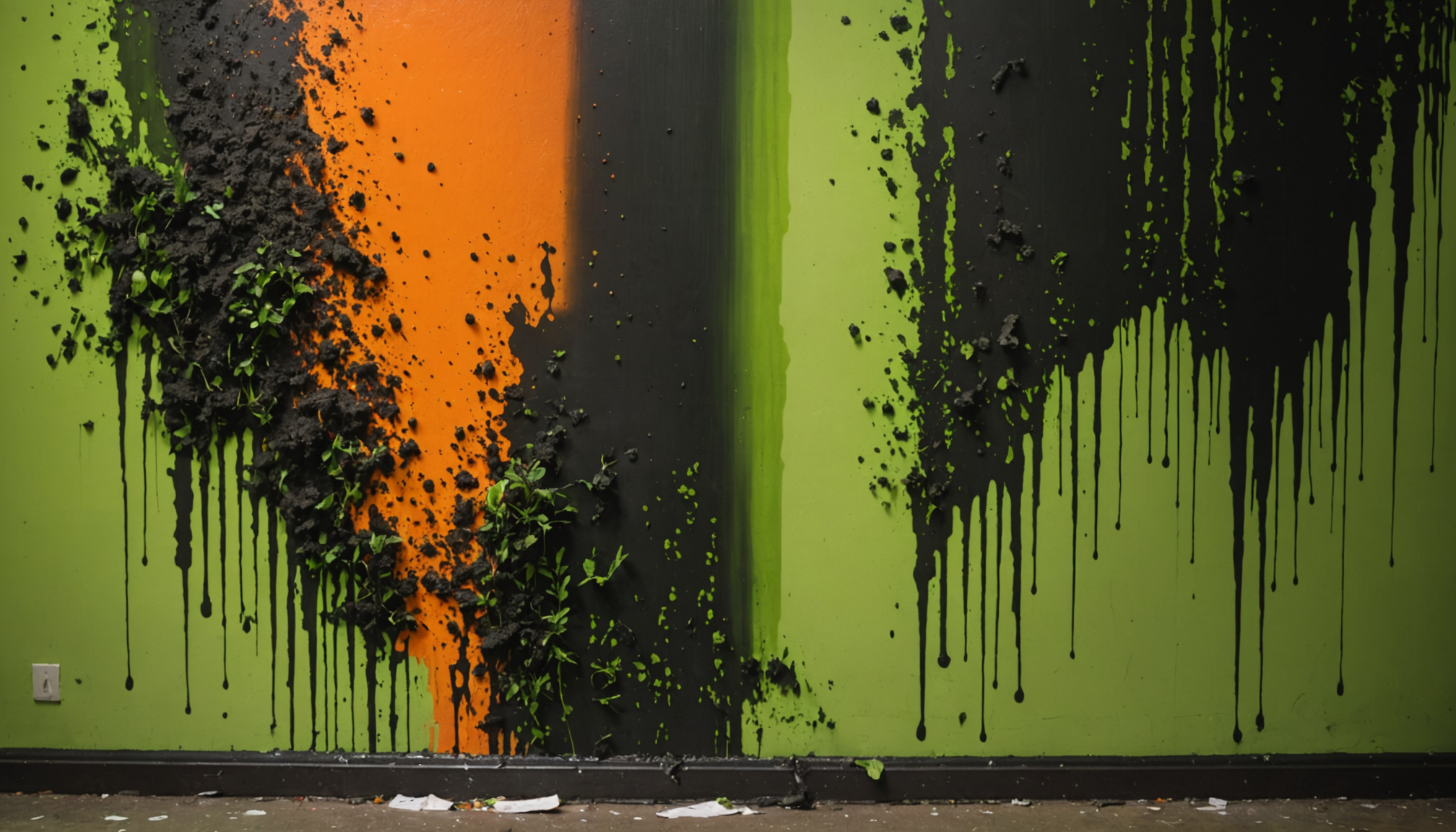
One of the most obvious signs of mold is visible growth. This can appear as discoloration or a fuzzy growth on walls, ceilings, and other surfaces. Mold commonly presents in a range of colors, such as black, green, white, or even orange, and can vary in texture. It’s important not to ignore even small patches, as these can quickly spread under the right conditions.
Another indicator of mold is a musty, earthy smell that is often described as similar to the scent of soil or decomposing leaves. This odor can persist even if there is no visible mold and often points to hidden growth, possibly within walls, under carpets, or in less accessible areas like basements and attics.
Signs of mold can also manifest through physical symptoms in individuals spending time in the affected environment. These can include respiratory issues like coughing, wheezing, and nasal congestion, as well as other allergic reactions such as skin irritation and itchy or watery eyes. Individuals suffering from asthma or other respiratory conditions may experience more severe symptoms when exposed to mold.
- Visible Mold Growth: Patches of discoloration that can be black, green, white, or orange.
- Odor: Persistent musty or earthy smell indicating hidden mold.
- Physical Symptoms: Respiratory issues, allergic reactions, exacerbated conditions such as asthma.
Detecting mold is not always straightforward, particularly when it is hidden behind walls or under flooring. It can thrive in any environment with moisture and organic material to feed on, such as wood, paper, or drywall, often exacerbated by factors like poor ventilation or previous water damage. For a more thorough evaluation, hiring a professional mold inspector can be beneficial. These experts utilize advanced tools such as moisture meters and infrared cameras to detect hidden mold that might otherwise be missed.
| Visible Mold | Examples: Black spots on walls, white filaments on wood. |
| Odor | Persistent musty smell even in the absence of visible mold. |
| Physical Symptoms | Consistent unexplained allergies or respiratory issues among occupants. |
Early identification of mold can prevent extensive damage and costly repairs, along with safeguarding the health of occupants. It is essential to be vigilant and proactive in addressing any indications of mold to ensure a safe and healthy living environment.
Professional assessment and inspection
 When mold is suspected in a building, a professional assessment and inspection become paramount to accurately identify the extent of the infestation and to plan an effective remediation strategy. Mold inspectors are trained professionals who use a combination of experience, specialized tools, and testing to thoroughly assess the presence of mold.
Here are the steps typically involved in a professional mold assessment and inspection:
1. Initial Consultation and Assessment:
– Begin with a comprehensive consultation where the inspector gathers information about the property’s history with mold, previous water damage, and any specific concerns from the property owner.
– Conduct a brief walkthrough to identify any areas that may be at a higher risk for mold growth or visible signs of mold, such as discoloration on walls or ceilings.
2. Visual Inspection:
– Perform a detailed visual examination of the entire property, focusing on areas prone to moisture accumulation like bathrooms, kitchens, basements, attics, or areas near leaking pipes.
– Use inspection tools such as flashlights and magnifiers to detect small or concealed mold patches.
3. Moisture Mapping:
– Utilize moisture meters to detect areas of enhanced moisture levels which are likely hidden mold sites. High-moisture readings often indicate leaky pipes or inadequate ventilation.
– Document findings by mapping moisture levels across different parts of the building, providing a clear understanding of current moisture dynamics.
4. Infrared Scanning:
– Deploy infrared cameras to identify temperature variations within walls and ceilings, pointing out potential areas of moisture retention.
– Infrared scanning helps to locate hidden mold colonies that might not be detected through a simple visual inspection.
5. Sample Collection and Laboratory Testing:
– Collect samples from the air, surfaces, or bulk materials where mold presence is suspected. This may include swabbing visible mold, collecting dust samples, or taking air samples to assess mold spore levels.
– Send these samples to a laboratory to identify specific mold types and concentrations, an essential step for tailoring the remediation approach to the mold species present.
6. Detailed Reporting:
– Compile the findings into a detailed report, outlining the locations of mold growth, types of mold spores identified, and possible moisture sources.
– Provide recommendations on addressing both the mold and the underlying causes to prevent recurrence.
The professional assessment and inspection phase is critical for determining the precise scope of mold contamination and developing a targeted remediation plan. This phase not only ensures that all mold issues are identified but also prevents future mold growth by addressing its sources—ensuring the safety and health of the building’s occupants.
Steps in the remediation process
Following a thorough assessment and inspection by professionals, the next crucial phase involves addressing the mold issue through a structured remediation process. This process is carefully designed to eliminate mold and prevent its return, safeguarding both the building’s integrity and the occupants’ health.
Containment and Safety Precautions: The initial step in the remediation process involves setting up containment measures to prevent the spread of mold spores to uncontaminated areas of the building. This usually includes the use of plastic sheeting to isolate the affected area, creating a negative air pressure environment using air filtration devices, and ensuring that contaminated air is not escaping into other parts of the building. Personal protective equipment (PPE) such as gloves, masks, and suits are worn by remediation professionals to protect themselves from exposure to mold spores.
Removal of Mold-Infested Materials: Once the area is contained, materials that are heavily infested with mold, such as drywall, insulation, carpet, and other porous materials, may need to be removed and properly disposed of. This step is critical as it eliminates the primary sources of mold growth and prevents further contamination. The removal process is conducted with care to ensure minimal disturbance, preventing the release of additional spores into the air.
Cleaning and Disinfecting: Following the removal of infested materials, all remaining surfaces in the affected area are thoroughly cleaned to eliminate mold spores. This involves using specialized cleaning solutions and antimicrobial treatments that are effective in killing existing mold. Non-porous and semi-porous materials like metal, glass, and some types of wood can typically be cleaned and salvaged, assuming they have not been extensively damaged by mold growth.
Drying and Dehumidification: Since mold thrives in damp environments, ensuring that the affected area is adequately dried is imperative. Professionals employ industrial-grade dehumidifiers and air movers to remove excess moisture from the air and structure. This step involves rigorous monitoring of moisture levels to ensure that they are reduced to a level that inhibits mold growth, providing a dry environment that deters the return of mold.
Repair and Restoration: After cleaning and drying, the restoration process begins. Any structural damage that mold removal might have caused, such as holes in walls or floors from the removal of infested materials, is repaired. This stage focuses on returning the building to its pre-infestation condition, which may include reconstructing walls, painting, or replacing flooring.
Air Quality Testing and Monitoring: Post-remediation, the air quality is monitored to ensure that the levels of mold spores are reduced to acceptable standards. Air quality testing may be conducted to validate the effectiveness of the remediation process, showing that the space is safe for occupancy. Continuous monitoring over a period may also be advised in certain cases to ensure that mold does not recur.
Each step in the remediation process is performed with precision and expertise to ensure the comprehensive eradication of mold. The coordinated efforts of trained professionals ensure that not only is the mold removed successfully, but also that the possibility of future outbreaks is significantly minimized. Engaging in a systematic removal process not only resolves the immediate issue but also provides peace of mind by restoring a safe and healthy living or working environment.
Preventing future mold growth
Maintaining a mold-free environment is crucial to your home’s structural integrity and the health of its occupants. After mold remediation, taking proactive steps to prevent future mold growth can make all the difference. The key to prevention lies in understanding that mold spores are naturally present in indoor and outdoor air. Mold becomes a problem only when it finds the right conditions to thrive, primarily excessive moisture.
Controlling humidity levels in your home is one of the most effective strategies. Ideally, you should aim for indoor humidity levels between 30% and 50%. This can be achieved by using dehumidifiers, especially in basements and other areas prone to moisture accumulation. Regularly inspecting and maintaining HVAC systems, ensuring they are free of leaks and that they function efficiently, also helps manage humidity levels. Moreover, using exhaust fans in kitchens and bathrooms during and after activities that generate moisture can effectively vent excess humidity.
Proper ventilation is equally important. Make sure your home has adequate ventilation to allow air to circulate freely and dry out any moisture that may accumulate. This includes regularly opening windows and using fans to keep air moving. Additionally, inspect and clean air vents routinely to ensure they are unobstructed and clean.
Addressing leaks promptly is crucial in preventing mold from taking hold. Regularly inspect your home for signs of leaks in roofs, pipes, and around windows. Fixing any leaks immediately will prevent moisture from finding its way into walls or floors where mold might flourish. Properly maintaining gutters and downspouts to direct water away from your home’s foundation is also essential in preventing mold-friendly moisture buildup.
Another practical step to prevent mold growth is making sure any wet materials or surfaces are promptly dried. In the event of water spillage or flooding, dry the area thoroughly within 24 to 48 hours. This is crucial because mold can begin to grow in damp conditions within this time frame. Recognizing this critical period can help you act swiftly to prevent mold from taking root.
Furthermore, utilize mold-resistant products when possible. When building or renovating your home, consider using mold-resistant drywall and paint, as well as installing mold inhibiting additives to paint. These specialized products are designed to resist moisture absorption and mold growth, adding an extra layer of protection.
It’s also vital to stay vigilant for any early signs of mold, even after remediation. Regular inspections for visible mold, as well as being attentive to any musty odors, can help detect mold in its early stages. Taking quick action to address these signs will prevent significant mold issues from developing.
Finally, educating all household members about mold risks and prevention techniques can empower everyone to contribute to a mold-free home. By fostering awareness, you ensure everyone is on the lookout for potential mold-friendly conditions and can act quickly to remediate them.
Remember, maintaining a mold-free environment requires a multifaceted approach involving moisture control, quick leak repairs, and routine inspections. Keeping these preventive measures in mind ensures that your home remains safe, resilient, and free from the damage and health risks associated with mold.
Final evaluation and clearance testing
Once the remediation process is completed, a thorough final evaluation and clearance testing are critical steps in ensuring the success of the efforts made. This phase is designed to confirm that the mold has been effectively eliminated and that the living environment is safe for occupants. Professionals conduct this evaluation systematically, employing a range of techniques to confirm the absence of mold and the restoration of an optimal air quality level.
Initially, visual inspections are carried out to verify that no visible mold remains in the previously affected areas. This includes checking the integrity of any replacement materials or restored structures to ensure no mold has recurred. Beyond the visual checks, air quality testing is conducted to assess the concentration of mold spores within the air. These tests measure the level of spores against standard acceptable limits, providing clear data on whether any remediation needs remain. Surface sampling may also be employed to test areas that were previously contaminated, ensuring that previous mold locations have indeed been thoroughly cleaned.
The importance of clearance testing lies in its ability to prevent future mold growth by confirming that the sources of moisture have been effectively addressed. The inspection includes a review of moisture levels in materials and air. Specialist mold remediation companies will check humidity levels and conduct tests to ensure moisture is not contributing to a conducive environment for mold regrowth.
Once all evaluations are satisfactorily completed, a clearance certification may be issued. This document serves as formal recognition that the space has been successfully remediated and now meets safe standards for occupancy. It is an assurance for homeowners and property managers that mold issues have been resolved and that preventative measures taken will protect against future mold problems.
Overall, final evaluation and clearance testing are not just about ticking boxes post-remediation—they provide peace of mind and confidence to all occupants that their environment is secure and healthy. By ensuring comprehensive assessment and using scientific testing methods, this step encapsulates the thoroughness of the remediation process and firmly closes the chapter on mold issues in the property.
In conclusion, mold remediation is a structured process that not only resolves current mold issues but also emphasizes preventive strategies to safeguard your home against future outbreaks. With meticulous inspection, thorough cleaning, and continuous monitoring, maintaining a healthy living environment is achievable. It’s essential to remain vigilant, manage moisture effectively, and invest in professional support when required to ensure a mold-free space for you and your family.