Effective moving begins long before you start packing boxes. One of the most crucial steps in preparing for an efficient move is decluttering your home. This process involves a thoughtful assessment of your belongings to determine what is necessary to bring along and what can be left behind. Not only does decluttering save time and effort during the moving process, but it also reduces moving costs. Here are various methods and strategies to execute a successful decluttering plan.
First, a systematic approach to decluttering can greatly enhance its effectiveness. Consider dividing your home into sections and addressing one area at a time. This could be done by room or by category, such as clothing, books, or kitchenware. The key is to set manageable goals each day, which prevents you from feeling overwhelmed and allows you to make steady progress.
During the decluttering process, employ the “Four-Box Method” for increased organization and decision-making ease. This involves labeling four boxes with specific purposes: Keep, Donate, Sell, and Trash. As you sort through your items, place each item into one of these categories. Here’s a closer look at what each category entails:
- Keep: These are items you regularly use or have significant sentimental value. It’s essential these items serve a purpose in your new home.
- Donate: Items that are in good condition but no longer serve you can make a positive impact elsewhere. Local charities or thrift stores often welcome donations.
- Sell: Some items may have monetary value. Consider selling these through garage sales, online marketplaces, or consignment shops.
- Trash: Any broken, worn-out, or obsolete items should be appropriately discarded to reduce excess clutter in your new residence.
The benefits of decluttering extend beyond simplifying your moving day. By minimizing the physical load, you can opt for a smaller moving vehicle, which can reduce rental and fuel costs. Below is a comparative table illustrating potential savings based on the size of the moving vehicle required:
| Moving Vehicle Size | Cost | Average Time to Pack and Load |
| Small (10-12 feet) | $100-$200 | 3-4 hours |
| Medium (15-17 feet) | $200-$300 | 4-6 hours |
| Large (20+ feet) | $300-$500 | 6-8 hours |
In addition to financial benefits, decluttering before moving can contribute to a healthier mental state. Moving can be inherently stressful, and a clutter-free environment has been proven to reduce anxiety and promote a sense of order and control. As you prepare for your move, relish the opportunity to begin anew with a clean slate, free from the unnecessary baggage of clutter.
A thoughtful decluttering process sets a strong foundation for efficient packing and a smoother transition to your new home. By intentionally curating your belongings, you not only streamline the logistics of moving but also enhance your overall quality of life in your new space.
Smart packing techniques
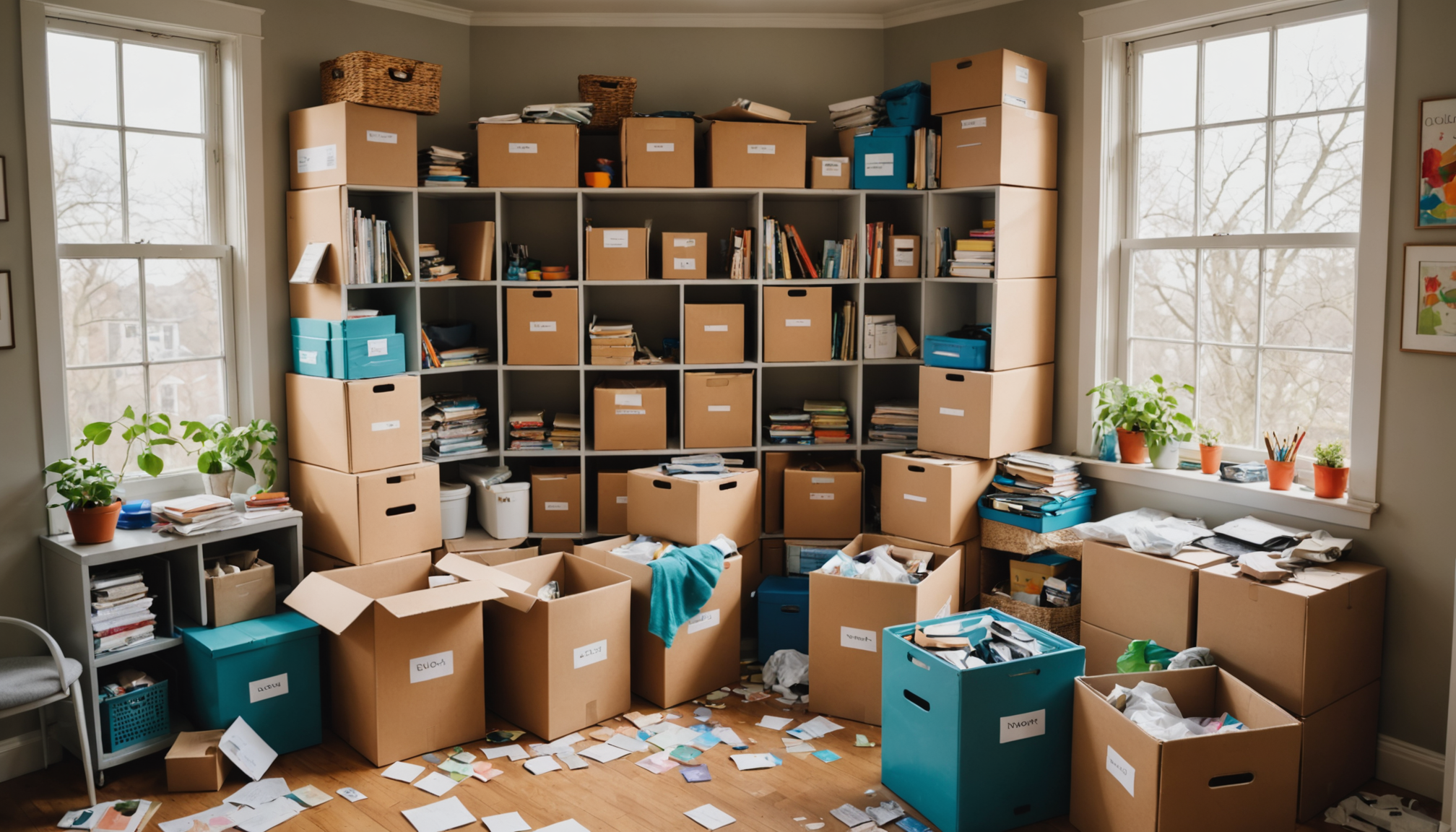 Smart packing is an essential element of any successful move. By employing effective packing techniques, you can maximize space, protect your belongings, and simplify the unpacking process. Here are some strategies to help you pack like a pro:
1. Gather Supplies: Before you start packing, ensure you have all the necessary supplies. Stock up on boxes in various sizes, packing tape, bubble wrap, packing paper, markers, and labels. Having these items on hand will help streamline the packing process.
2. Pack in Layers: For fragile items, start by lining the bottom of the box with packing paper or bubble wrap. Place heavier items on the bottom and lighter, more delicate items on top. Fill any gaps with additional paper to prevent shifting during transport.
3. Label Meticulously: Clearly label each box on the top and at least one side with its contents and the room it belongs in. Consider using color-coded labels or tape to quickly identify boxes for each room. This will make unloading and unpacking significantly easier.
4. Use Clothes as Padding: Instead of wasting space with paper or bubble wrap, use your clothes, towels, or other soft linens to wrap and protect fragile items. This not only protects your breakables but also saves space by packing your clothes this way.
5. Bundle Cables and Cords: Electronic devices often come with a maze of cords and cables. To avoid a tangled mess, wrap each cord neatly and label it with a twist tie or tape. Pack them together in a box or bag marked for electronics.
6. Seal Liquids and Gels: Avoid spills by ensuring that all liquid items are tightly sealed. Consider placing an additional layer of plastic wrap under the caps of bottles. Pack them upright in sealed plastic bags to contain any potential leaks.
7. Create an "Open First" Box: Pack a box with essential items you’ll need right away, such as toiletries, a change of clothes, important documents, chargers, and basic kitchen supplies. Clearly label this box as “Open First” to ensure important items are accessible upon arrival.
8. Optimize Box Weight: To prevent boxes from becoming too heavy to lift, ensure they do not exceed 50 pounds. Use smaller boxes for heavier items like books and larger ones for lighter items such as linens and cushions to evenly distribute weight.
9. Disassemble Furniture: If possible, disassemble large furniture items to make them easier to pack and move. Keep all screws, bolts, and small components in labeled bags taped securely to the furniture pieces they belong to.
10. Inventory Your Belongings: As you pack, keep a detailed inventory of what’s inside each box. This will not only help you locate items later but also provide a record for insurance purposes in case of damage during the move.
Implementing these packing techniques will help ensure that your belongings arrive safely and intact at your new home. By being organized and methodical, you reduce the stress associated with moving and set the stage for efficient unpacking.
Organizing by room
As you enter the packing phase of your move, organizing by room can significantly enhance your efficiency and reduce stress. The benefits of this strategy are numerous, as it allows you to systematically approach the packing process, making it easier to locate items once you arrive at your new home. Focusing on one room at a time enables you to pack more effectively and ensures that similar items are stored together, simplifying both the packing and unpacking stages.
Begin by clearly labeling boxes with their contents and corresponding room. This step is crucial, as it aids in quickly identifying where each box should go in the new home. Labeling reduces the chaos upon arrival and makes it easier for movers to unload boxes directly into the appropriate rooms. Utilize color-coded stickers or tapes for additional clarity, assigning a specific color to each room. This visual system not only organizes the move but also makes the process more intuitive for anyone assisting you.
It’s also beneficial to create a room-specific checklist of items that need to be packed. This approach ensures nothing is overlooked and allows you to track your progress. As you pack, consider the layout and storage solutions in your new home. For larger items, such as furniture, map out where they will fit best in your new space. Taking measurements in advance can prevent the hassle of discovering items that don’t fit as intended.
In the midst of packing, take the time to categorize items based on their usage within the room. For example, in the kitchen, pack cookware, utensils, and pantry items separately. Similarly, in a bedroom, group clothing, bedding, and decorative items together. This segmentation enhances organization and makes unpacking intuitive, as items that belong together are kept together.
For rooms serving multiple purposes, such as a combined office and guest room, detailing the function of packed items can streamline unpacking. Label boxes with notes like “office supplies” or “guest room bedding” to clarify their contents. This detailed categorization optimizes efficiency and saves time as you settle into your new home.
Moreover, consider packing an “essentials box” for each room. Fill this box with items you’ll need immediately upon arrival, such as pajamas and toiletries for the bedroom or utensils and a pan for the kitchen. Doing so ensures you have access to necessities without having to rummage through multiple boxes, providing comfort and convenience during the initial days in your new place.
Finally, involving family members or roommates in the process can be helpful, as each person can take responsibility for one or more rooms. This not only divides the workload but also ensures personal items are packed with care. Communication is key to ensuring everyone is aligned on the process and expectations.
Organizing by room not only simplifies the physical aspects of moving but also greatly reduces the emotional and mental burden. The systematic nature of this approach fosters a calm and orderly move, turning what is often seen as a stressful endeavor into an opportunity for a fresh start.
Protecting fragile items
When it comes to ensuring that your cherished, fragile items make it to your new home safely, employing the right strategies is crucial. Protecting these items requires a combination of thoughtful packing materials, innovative techniques, and a little creativity.
First, it’s important to invest in quality packing materials. Bubble wrap, foam peanuts, and sofa covers are just a few of the essentials that will provide a cushioning layer for delicate items. Sturdy, corrugated boxes are preferable, as they offer more protection than their thinner counterparts. Consider purchasing special dish packs or cell boxes for glasses and dishes, which are designed with built-in dividers to keep each item secure.
Next, mastering the art of wrapping is a critical skill. Start by wrapping each item individually with bubble wrap or packing paper. Secure the wrapping with tape to ensure it doesn’t come undone during transit. For additional protection, cushion the bottom of the box with a layer of crumpled paper or foam peanuts before placing items inside. This acts as a shock absorber against any sudden impacts.
Layering within boxes is another effective strategy. Begin with the heaviest items at the bottom and progress to the lighter, more fragile ones on top. This helps distribute weight and minimizes the risk of items being crushed. Fill any remaining gaps with soft materials like packing peanuts, ensuring nothing shifts during the move.
Labeling is also an essential part of protecting fragile items. Clearly mark each box’s contents with “FRAGILE” in bold letters on multiple sides. Additionally, note which side of the box should face up. This is a signal to whoever is handling the boxes that extra care should be taken. If you’re using a color-coding system for room organization, ensure that fragile boxes have a distinguishable color to alert movers at a glance.
For particularly valuable or epically delicate items, consider taking extra measures. Double-boxing is an effective method; place the wrapped item inside a smaller box, then place that box inside a larger one with added padding in between. This double layer offers substantial reinforcement. For assurance of safety, some choose to transport such items personally, rather than relying on movers.
Lastly, informing your movers about any boxes containing fragile items can further ensure their handling is gentle and transport is keenly attentive. Providing movers with any specific instructions on loading or unloading can safeguard against accidents.
By adhering to these detailed packing and labeling techniques, you can significantly reduce the risk of damage to your fragile items and enjoy them in perfect condition in your new home. These steps provide peace of mind and protect the integrity of your precious belongings during what can be a chaotic transition.
Efficient unpacking strategies
To make the unpacking process as seamless as possible, start by placing the boxes in their designated rooms as you unload. This initial organization will save you time and effort, allowing you to focus on settling into each space without unnecessary back-and-forth. Keeping boxes in their assigned areas minimizes confusion and maximizes your ability to unpack systematically.
Before diving into unpacking, refer back to the detailed inventory you created during packing. This list will assist you in prioritizing which boxes to open first, depending on immediate needs. For instance, you may want to begin with the “Open First” box you prepared earlier, which contains essential items that you’ll need right away.
Tackle the unpacking task room by room, starting with the most crucial areas such as the kitchen and bathrooms. These spaces are often used daily and having them organized quickly can help restore a sense of normalcy to your routine. Move on to bedrooms next, focusing on the essentials like bedding and personal items to ensure you have a comfortable place to sleep.
As you unpack, remember to respect the predetermined layout and organizational plan you envisioned when packing. For each specific area, place items according to their function and frequency of use. This may mean setting up cooking utensils near the stove or arranging office supplies within easy reach of your desk.
Maintain an efficient pace and avoid the temptation to rush. Unpacking is an excellent opportunity to reassess the utility and placement of each item in your new environment. It’s a chance to further declutter and fine-tune your living space. If space constraints arise, think creatively about storage solutions or consider further decluttering by donating unnecessary items.
Invite family members or housemates to participate in unpacking their personal belongings. This shared effort not only divides the workload but also personalizes each space to better suit individual preferences. By collectively addressing shared spaces first, group cohesion is fostered, especially in areas like the living room or common storage areas.
Lastly, take time to enjoy the process. Unpacking is the final step of moving, a gateway to fully settling down in your new home. Embrace the fresh start, allowing each room to evolve organically into a space that reflects your personal lifestyle and taste. Creating an organized and welcoming environment will make your new house feel like home more quickly.
In conclusion, successful moving is centered around strategic planning and organization through each stage, from decluttering and packing to unpacking efficiently. These proven strategies not only streamline the physical move but also ease the mental strain often associated with relocating. By following these packing hacks, you can ensure an organized and less stressful transition to your new home, allowing you to settle in smoothly and enjoy your new surroundings.