Closet organization often begins with the significant challenge of maximizing space efficiency, a crucial step to accommodate not only an extensive wardrobe but also an expansive assortment of accessories, shoes, and other essentials that fit each person’s lifestyle. Getting the most out of your available space means keeping items accessible, making use of every niche and cranny, and ensuring that everything has its place.
First, evaluate your closet layout to determine how best to utilize the available vertical and horizontal space. Consider installing adjustable shelving or modular closet systems that allow you to customize the interior to fit your needs. Adjusting shelves to specific heights can provide additional layers of storage, perfect for stacking items like sweaters and jeans, which do not easily wrinkle and can be stored neatly.
Incorporating hanging storage can also be a game-changer. Double-hanging rods effectively double your hanging space by enabling you to hang shirts and jackets on the top rod while using the bottom rod for pants and skirts. Over-the-door organizers can also offer crucial storage for shoes, scarves, and smaller accessories.
For those struggling with limited floor space, the use of under-utilized areas such as corners and doors is pivotal. Invest in corner shelves or hanging units that exploit these tricky spaces efficiently. Space-efficient hangers, such as cascading or slim velvet hangers, provide additional space by reducing bulkiness compared to traditional options. These hangers create a uniform look while handling the delicate nature of materials like silk or satin garments.
The efficiency of your closet can significantly benefit from multi-functional furniture like ottomans with storage, or decorative boxes that double as aesthetically pleasing storage solutions. For a more personalized approach, consider using labeled bins or baskets, which can easily slide onto shelves or be stacked to minimize clutter.
Here’s a comparison table illustrating some frequently used space-efficient solutions:
| Solution | Benefits | Best Use |
| Adjustable Shelving | Customizable and maximizes vertical space | Heavy clothing, bins, folded items |
| Double-hanging Rods | Increases available hanging space | Tops, bottoms, jackets |
| Over-the-door Organizers | Efficient use of door space; accessible | Shoes, accessories, tools |
| Cascading Hangers | Saves closet space; maintains garment shape | Delicate blouses, jackets |
| Labeled Bins & Baskets | Reduces visual clutter; easy access | Seasonal clothing, accessories |
| Corner shelves | Optimizes unused corners | Decorative and functional items |
By maximizing space efficiency, you not only create a more organized closet but also establish an environment where every item has its designated space, simplifying your daily routine and reducing decision fatigue. Remember, efficiency in storage often correlates with a clearer, more serene state of mind, making your closet a welcoming space that reflects personal style and practicality.
Clever use of storage solutions
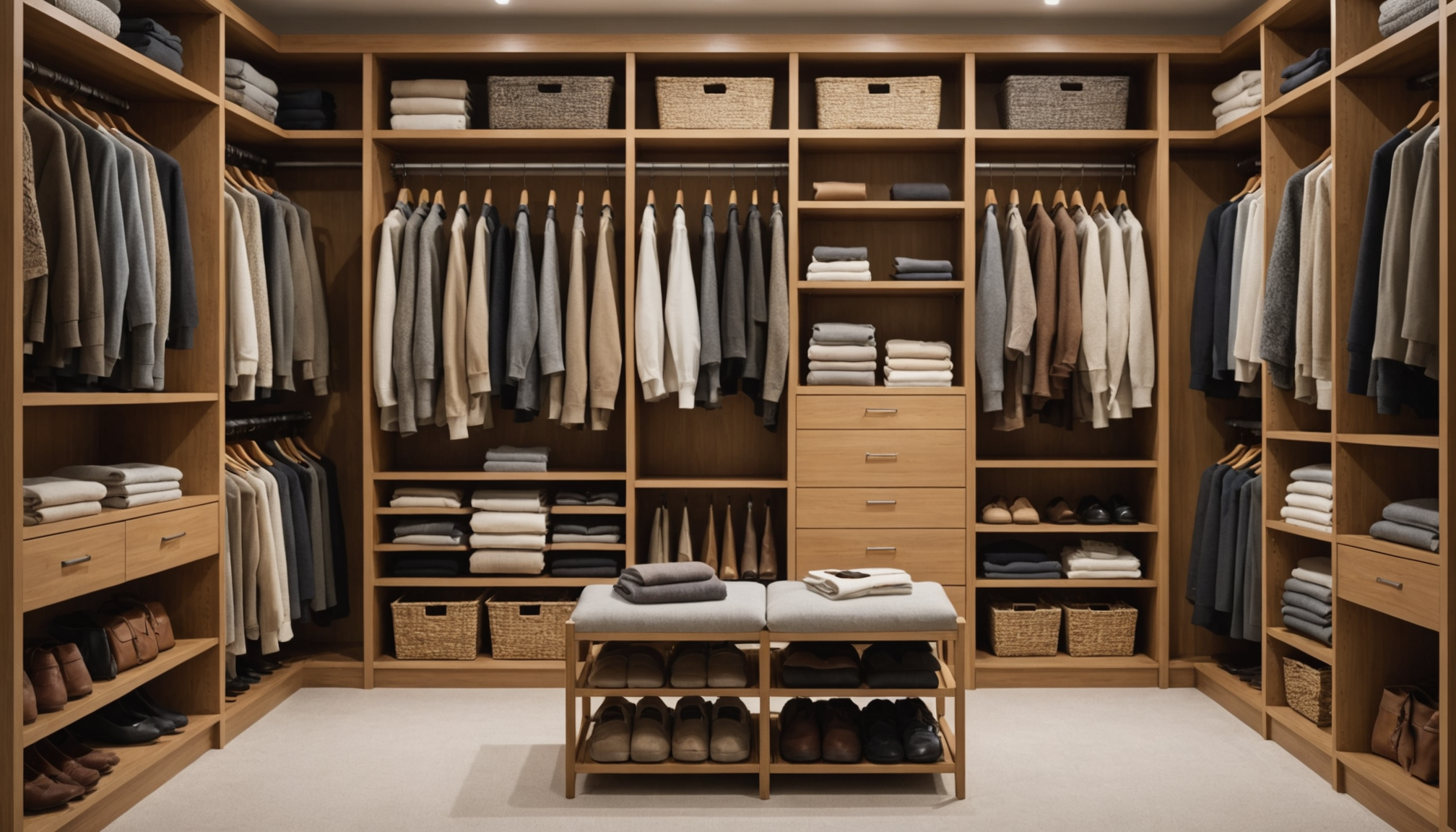 When it comes to optimizing your closet, clever storage solutions can truly revolutionize how you utilize the space, keeping everything orderly and accessible without overcrowding. Here’s how you can incorporate some ingenious storage ideas into your closet organization:
1. Utilize Drawer Dividers:
- Measure the dimensions of your drawer to ensure the dividers fit perfectly.
- Select adjustable dividers to customize compartments for various items such as underwear, socks, or accessories.
- Insert the dividers, adjusting them as needed to accommodate different sizes and categories, ensuring each item has its designated spot, which reduces clutter.
2. Incorporate Pull-out Systems:
- Install pull-out shelves or baskets for deep or high shelves to bring items within easy reach.
- Choose wire or solid baskets depending on your needs, like viewing contents easily or storing smaller items securely.
- Use these for seasonal footwear, handbags, or other accessories, making them more accessible while maintaining neatness in the closet.
3. Invest in Specialty Hangers:
- Select multi-tiered hangers for pants or skirts, which allow for vertical stacking of multiple items in a single rod space.
- Opt for scarf or tie hangers that provide hooks or loops, keeping items visible and organized.
- Experiment with belt or jewelry hangers designed to hold these smaller accessories without tangling.
4. Implement Shelf Risers:
- Place risers on existing shelves to create additional levels for storage, effectively doubling vertical space.
- Utilize these levels for shoes, bags, or folded clothes to prevent piles that easily topple over.
- Choose clear or color-coordinated risers to maintain a cohesive, aesthetic look throughout the closet.
5. Consider Rotating Racks:
- Install a revolving shoe rack or a rotating clothes rod for easy access, particularly for items stored at the back or higher up.
- This is particularly useful in walk-in closets, maximizing the use of central space without compromising accessibility.
- Regularly rotate the items to bring lesser-used items to the forefront, ensuring they remain within view.
6. Use Clear Containers and Labels:
- Store bulkier, less frequently used items in clear, stackable containers for easy identification and access.
- Label each container with contents or categories for a quick visual reference, making items faster to locate and reorganize if necessary.
- Arrange similar categories together, such as winter accessories or summer hats, to streamline seasonal switchovers.
By implementing these storage solutions, you enhance both functionality and aesthetics in your closet space. Each solution not only helps maintain tidiness but also offers creative ways to keep frequently used garments and accessories at your fingertips, reducing the time spent searching for items and making your daily routine more efficient and pleasurable.
Color coding and categorization
Grouping clothes by color can transform your closet into a visually pleasing and highly functional space. By organizing your wardrobe according to the color spectrum, you not only enhance the aesthetic appeal of your closet but also streamline your daily routine by simplifying outfit selection.
Start with a Plan: Begin by removing all items from your closet and sorting them into color piles. Use the basic color categories of the rainbow—red, orange, yellow, green, blue, indigo, and violet—and add other categories such as black, white, gray, and brown. Sticking to a clear order helps provide a seamless visual flow and can help highlight where your color gaps might be.
Enhance Visibility: With everything sorted by color, select a method for hanging or folding your clothes that aligns with your closet’s layout. Hang similar colored items together so that within seconds you can locate a specific piece. If you are using shelves, stack clothing in neat piles, ensuring that the shades blend smoothly from light to dark. Arranging items in a gradient manner improves visibility and makes it easy to grab items at a glance.
Increase Efficiency: Categorizing your wardrobe by color not only enhances visual beauty but improves efficiency: you can effortlessly put together outfits when colors are logically organized. This setup often works best as it mimics store displays, allowing you to imagine potential combinations more readily.
Personalized Touch: For an extra layer of organization, consider sub-categorizing by type within color groups. For instance, hang all red tops together, followed by bottoms and then dresses within the same color section. This strategy combines both color and function, making it simple to assemble matching separates quickly.
Tools of the Trade: Utilize colored or uniform hangers to maintain consistency and minimize distractions from the visual cohesion of your wardrobe. If folding is necessary, leverage storage bins or boxes in uniform colors—transparent ones can be even more beneficial for non-seasonal items or lesser-used clothing, providing clarity and accessibility without disrupting the flow.
Digital Assistance: For those who are tech-savvy, using closet organization apps to map out your color-coded system can further refine your method. These tools allow you to track and visualize your wardrobe, ensuring that it remains as intentional as it is accessible.
Through careful color coding and strategic categorization, you not only reduce the clutter and streamline your morning routine, but you also cultivate a closet environment that feels harmonious. Such thoughtful organization turns your wardrobe into a source of inspiration, making each day’s outfit an expressive, deliberate, and efficient decision.
Seasonal rotation strategies
As you work to keep your closet organized throughout the year, adopting effective seasonal rotation strategies is key to maintaining order and maximizing functionality. By systematically transitioning your wardrobe to align with the changing seasons, you ensure that your closet remains clutter-free and focused on the items you’ll actually be wearing.
Begin by categorizing your clothing into seasonal groups: spring/summer and fall/winter. This initial sorting helps streamline the process of switching out garments as the weather shifts. Take it a step further by designating a specific space in your closet for each season. This could mean allocating one side of the closet to spring and summer and the other to fall and winter, allowing for an unobtrusive switch when the time comes to rotate.
Using proper storage containers is both practical and space-efficient when it comes to storing off-season clothes. Invest in sturdy, stackable bins or clear vacuum-sealed bags that protect your garments from dust and moisture while maximizing available storage space. Label each container or bag with its contents and season to ensure quick identification and easy retrieval during seasonal transitions.
Regularly assess your wardrobe’s relevance to the current season. Before packing away off-season clothes, take a moment to evaluate each piece for wear, fit, and necessity. Donate or discard items that no longer serve you to avoid unnecessary clutter when the season returns. This ensures your closet retains only what’s functional and preferred, reducing decision fatigue and enhancing your daily dressing experience.
Rotate accessories and footwear as part of your seasonal strategy. Move seasonal footwear into more accessible positions, placing summer sandals and sneakers where they are visible and storing winter boots in high or less-trafficked areas once the season changes. Similarly, swap out accessories like scarves, hats, and gloves for lighter counterparts like sun hats and beach bags.
To facilitate effortless transitions between seasons, harness the power of transitional garments. Lightweight layers, such as cardigans or sweaters, can bridge the gap during unpredictable weather, offering functionality without necessitating a full wardrobe swap. Position these versatile items at the forefront of your closet for swift access.
Seasonal rotation is not just about temperature; consider events and lifestyle changes that influence your wardrobe needs throughout the year. Whether you’re attending summer weddings or organizing winter ski trips, tailoring your closet to accommodate these events ensures you are prepared without last-minute stress.
Activate reminders to revisit your closet at the start of each new season. Whether it’s a gentle digital nudge via a calendar alert or a more tangible reminder pasted on your closet door, regular prompts help establish the habit of seasonal rotation, ensuring that your organization remains dynamic and relevant.
Incorporating seasonal rotation strategies effectively keeps your closet in a state of perpetual readiness, aligning its contents with both the temperature outside and your personal fashion needs. By doing so, you not only optimize your space and maintain order but also enjoy a more coherent and satisfying closet experience year-round.
Maintaining long-term organization
Consistency is key when it comes to maintaining long-term organization in your closet. It’s important to establish a routine that ensures your wardrobe remains organized and functional over time. Begin by implementing a regular schedule for reassessing your closet. Set aside time every few months to evaluate your collection, removing items that are no longer used or loved. This constant editing helps prevent clutter and ensures your closet only houses garments that serve your current style and needs.
Utilizing a systematic approach for placing items back in their designated spots is equally crucial. Adopt a simple rule: when an item is removed from the closet for use, it must be returned to its specific location once laundered or no longer in use. This habit prevents accumulation of disarray and makes finding pieces much smoother in the future.
Consider creating a master inventory list of your closet’s contents to track your wardrobe. This can be as simple as a written list or as organized as a digital spreadsheet. A digital format offers ease of updating and allows for quick searches to assess what’s available, ultimately saving you time during the outfit selection process.
Embrace habit-forming practices that integrate seamlessly into your lifestyle. Develop a ‘one-in, one-out’ policy: for every new item added to your wardrobe, remove an old one to maintain balance and avoid overcrowding. This not only preserves organization but also encourages mindful purchasing decisions, aligning your clothing choices with your evolving style.
Carefully arranging your closet to accommodate your habits and laundry routines minimizes mess. For example, keep a dedicated space for clothes that are frequently in transition—those that are tried on but not worn, or worn once and intended to be used again before washing. Allocate hooks or a small section of the closet for these items, providing them a temporary home without disrupting the neatly organized space designated for clean or unworn garments.
Employ periodic reviews and cleaning to maintain freshness in your closet. Schedule time for dusting shelves, refreshing scented sachets, and checking hangers and storage solutions for any wear or damage that need addressing. This upkeep contributes to a more inviting atmosphere inside your closet, enhancing both visual and practical appeal.
Lastly, maintaining long-term organization is greatly aided by ensuring all elements of your closet are accessible and functional. Regularly check on storage solutions like drawer dividers, bins, or racks, to verify they remain supportive of your organizational needs over time. Adapt and update these systems as required, enhancing them to support newly acquired items or shifts in wardrobe composition.
In maintaining a long-term organizational strategy, you cultivate a closet that remains a haven of personal style and efficiency. With consistent habits, periodic reviews, and smart storage solutions, you’re investing in a more streamlined and rewarding dressing experience, where every piece serves a purpose and every outfit choice becomes a simple, pleasurable decision.
By integrating these closet organization strategies into your lifestyle, you transform a cluttered space into a beacon of efficiency and style. As you maximize your closet’s utility through clever storage solutions, thoughtful categorization, and regular maintenance, you create a sustainable environment that adapts to your needs over time. Follow these tips consistently, and you’ll enjoy a neat and inspiring wardrobe that simplifies your daily routine, boosts your confidence, and celebrates your personal style every day.