One of the foundational pillars of maintaining an organized home year-round is to declutter regularly. A dynamic and ever-evolving process, decluttering demands a strategic approach to manage the inevitable accumulation of items. The key is consistency, ensuring that the state of your home remains manageable and clutter-free over time.
Developing a routine for regular decluttering sessions helps reduce the overwhelming nature of this task. Instead of embarking on an intense, days-long endeavor, consider setting aside shorter, more frequent intervals dedicated to decluttering. This method not only makes the process less daunting but also integrates seamlessly into regular household upkeep. Consider the following steps to implement a successful decluttering strategy:
- Schedule brief sessions: Assign a specific time each week, perhaps 20 to 30 minutes, to evaluate and eliminate unnecessary items. Whether it’s a weekend morning or a weekday evening, consistency is key.
- Focus on one area at a time: Target a specific room or category of items during each session. For example, dedicate one session to sorting through kitchen utensils and another to organizing clothing.
- Adopt the one-in, one-out rule: To prevent clutter from returning, consider instituting a one-in, one-out policy. For each new item that enters your home, commit to removing an old or unused item.
Comparing various decluttering methods can also aid in identifying the best approach for your home and lifestyle. Below is a table outlining some popular techniques:
| Method | Description | Ideal for |
| KonMari | Focuses on keeping only those items that spark joy and letting go of all others. | Individuals seeking a more emotional and personal approach. |
| Minimalism | Prioritizes owning fewer possessions and valuing simplicity. | Those wanting a streamlined lifestyle with reduced material dependency. |
| Room-by-Room | Systematically declutters one room at a time, ensuring a thorough approach. | Families or those with larger homes needing a more detailed plan. |
| Four-Box Method | Involves sorting items into keep, donate, trash, or re-locate boxes. | Anyone looking for a straightforward and practical organizing method. |
Ultimately, regular decluttering serves as the backbone of an organized household. By proactively addressing clutter and instilling sustainable habits, the cumulative effect will manifest as a cleaner, more organized living environment that not only looks appealing but also enhances your emotional and physical well-being.
Create effective storage solutions
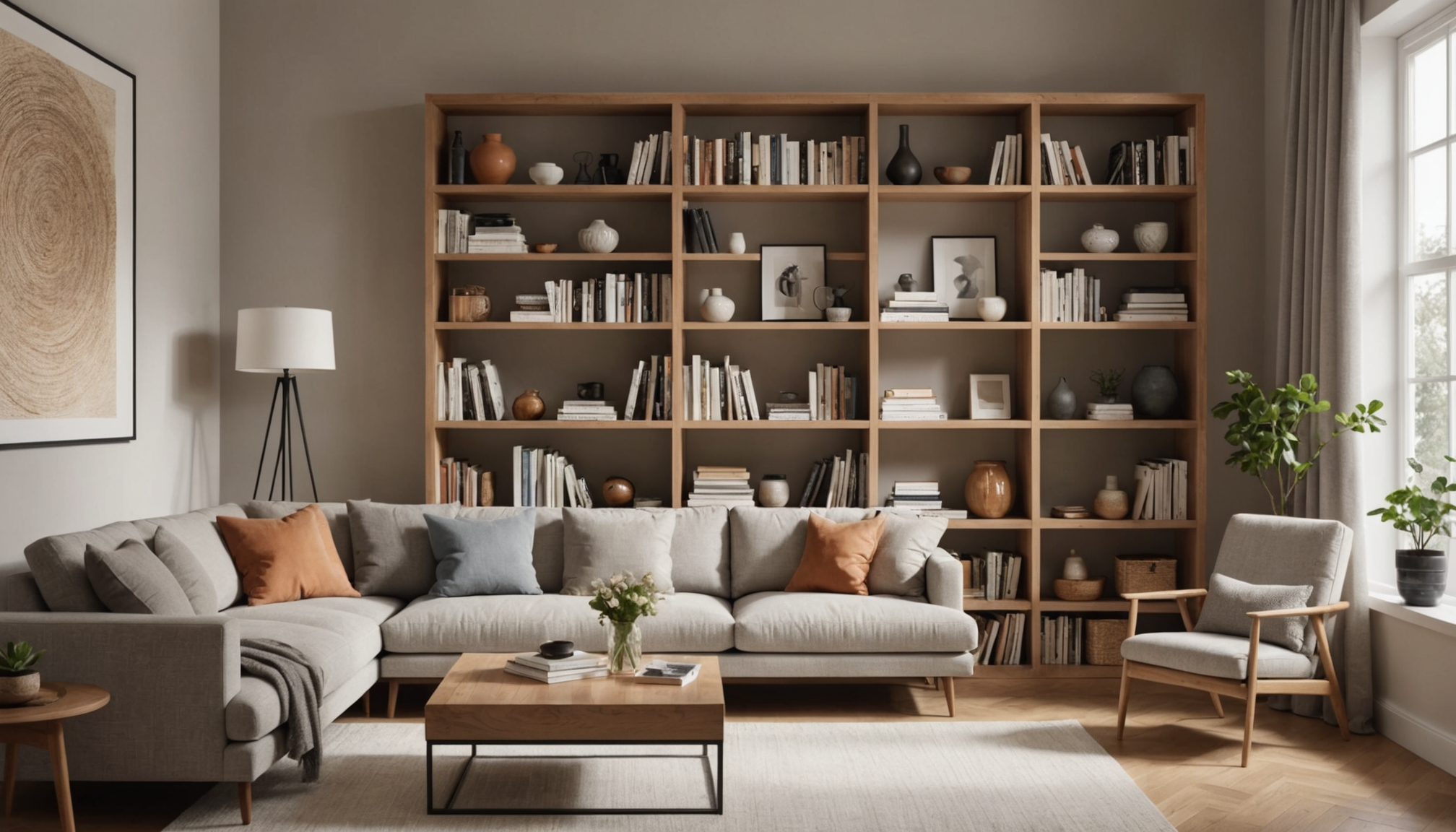 Creating effective storage solutions is essential for maintaining an organized home. Smart storage not only maximizes your space but also ensures everything has a designated place, making it easier to maintain order. Follow these steps to implement effective storage solutions throughout your home:
1. Assess Your Needs:
– Begin by analyzing which items most frequently contribute to clutter and where they typically accumulate.
– Identify the items you use daily, weekly, or rarely to determine their storage location and accessibility.
2. Maximize Available Space:
– Utilize underutilized areas such as spaces under beds or stairs. Storage bins or rolling drawers can keep these areas organized.
– Make use of closets effectively by incorporating shelving units, hanging organizers, and shoe racks.
3. Invest in Multi-functional Furniture:
– Opt for furniture pieces that offer hidden storage, like ottomans or coffee tables with lift-tops.
– Consider beds with built-in drawers or sofas with storage compartments.
4. Categorize and Label:
– Group similar items together to streamline organization. Use clear bins or baskets to store and categorize items.
– Label containers clearly for easy identification, ensuring everyone knows where to return items after use.
5. Use Drawer Organizers:
– Implement organizers in drawers to separate items and prevent them from becoming jumbled.
– Consider adjustable and expandable inserts to accommodate different drawer sizes.
6. Incorporate Wall Space:
– Install shelves to display books, decorative items, or other essentials, freeing up floor space.
– Pegboards and hooks can hold tools or kitchen utensils, keeping frequently used items within easy reach.
7. Personalize Storage Solutions:
– Tailor storage solutions to the specific needs of each household member, considering preferences and habits.
– For children’s rooms, involve them in choosing storage solutions that they find easy to use.
8. Rotate Out-of-Season Items:
– Store seasonal items such as clothing, decorations, or sports equipment away when not in use, utilizing attics or garages.
– Implement vacuum-sealed bags for clothing to save space.
By thoughtfully approaching your storage needs, you’ll be able to create a more harmonious and efficient living space. Maintaining an organized home becomes significantly easier when each item has a purposeful place, reducing time spent searching for misplaced objects and minimizing clutter build-up over time.
Maintain a cleaning schedule
One of the critical components to sustaining a tidy and organized home is adhering to a planned cleaning schedule. Just as with decluttering, consistency is essential here, as it helps to alleviate the stress that often accompanies home maintenance and ensures that no area is ever neglected for too long.
To establish an effective cleaning schedule, start with a comprehensive list of tasks specific to your home’s needs. Categorizing these tasks by frequency — daily, weekly, monthly, and seasonally — will allow you to distribute the workload evenly and prevent it from becoming overwhelming.
Daily Tasks: Consider incorporating quick chores that keep chaos at bay. These might include making beds each morning, doing the dishes, wiping down kitchen counters, and organizing living room clutter. A short burst of tidying up in each area daily can maintain a baseline of order.
Weekly Tasks: Dedicate specific days of the week for deeper cleaning activities. Mondays might be perfect for vacuuming and dusting, while Thursdays could be set aside for bathroom scrubbing and general floor mopping. Assigning specific tasks to particular days can carve out a routine that becomes second nature.
Monthly Tasks: Monthly chores might involve more significant undertakings such as cleaning out the fridge, wiping down baseboards, or deep-cleaning upholstery and bedding. Incorporating such tasks into your monthly routine prevents these areas from turning into daunting projects.
Seasonal Tasks: With the change of seasons, tackle extensive projects like window washing, organizing the garage, or preparing gardens or yards for the coming weather conditions. Seasonal cleaning is the perfect opportunity to declutter further and also prepare your home for the upcoming months.
Assign Responsibilities: If you share your home, distributing tasks among household members is essential. Assigning particular chores or areas of the home to different family members can make the workload feel less burdensome and enhance accountability. Rotating responsibilities can also ensure a fair distribution of labor.
Utilizing tools like a calendar or digital reminders can keep you on track, alerting you to upcoming tasks and ensuring no upkeep slips through the cracks. Importantly, don’t shy away from adjusting your schedule to better fit your lifestyle as needed. Prioritizing this flexibility creates a more sustainable approach over time.
Benefits of a Fixed Schedule: Maintaining a systematic cleaning schedule brings numerous benefits. Not only does it lead to a cleaner and healthier environment, but it can also enhance mental well-being by reducing stress levels that disorder and mess can exacerbate. Moreover, knowing that a certain task will be handled at a specific time can provide a comforting structure.
Overall, keeping a regular cleaning schedule ensures your home remains a sanctuary rather than a source of stress, crafting an environment that supports both productivity and relaxation.
Make the most of vertical space
Vertical space in your home offers a wealth of untapped organizational potential, transforming walls and narrow areas into tidy and functional assets. Elevating your storage efforts not only helps to free up precious floor space but also adds visual interest and functionality to your environment. Here’s how to maximize the vertical areas in your space:
Start by identifying areas with maximum vertical potential, such as walls in kitchens, living rooms, garages, and offices. These are often overlooked yet are perfect for installing shelves, hooks, and other hanging solutions. In the kitchen, consider wall-mounted racks or pegboards to hang pots, pans, and utensils, making them easily accessible while saving counter space. For living rooms, floating shelves can display books, plants, and decorative items, providing both storage and aesthetic appeal.
Incorporate tall shelving units wherever possible. Floor-to-ceiling bookshelves in offices or living rooms not only optimize vertical space but also establish a striking focal point. For bedrooms, consider towering armoires or wardrobes with high-reaching compartments to maximize storage for clothing and linens.
Don’t forget behind-the-door storage options, such as over-the-door racks, which can hold everything from shoes to cleaning supplies. These solutions are particularly useful in bathrooms and bedrooms where space is at a premium.
For areas like garages or basements, heavy-duty hooks or bike racks are indispensable for storing sports equipment or tools, making these spaces more navigable and organized. Similarly, in a home office, wall-mounted organizers or magnetic boards can clear desk space and streamline efficiency by keeping essential items within arm’s reach and off horizontal surfaces.
For safety and ease of access, always ensure heavier items are placed on lower shelves, leaving the lighter items for the top. This consideration prevents toppling and makes retrieval easier.
To visually unify shelves or mounted storage, consider using matching storage bins or boxes that fit with your existing decor. This not only enhances the aesthetic cohesiveness of your space but also disguises clutter, offering a clean and orderly appearance. Adding labels to each storage unit can further refine organization, allowing you to quickly find any needed item.
Lastly, integrating plants or artwork on higher shelves can elevate an entire room’s decor, adding personality and a fresh touch. When these elements are balanced against functional storage units, your space can embody a synergy of style and utility, transforming formerly unused walls into invaluable and attractive assets.
When you embrace vertical organization, you create a more spacious and inviting home environment, demonstrating that with a bit of creativity and strategic placement, walls can become one of the most versatile organizational tools at your disposal.
Incorporate daily habits for tidiness
Incorporating daily habits for tidiness into your routine is paramount for maintaining a consistently organized home. By making tidiness a part of your everyday life, you can reduce the time spent on massive cleaning or organizing efforts later. These small, manageable tasks should seamlessly blend into your day and eventually become second nature.
Start simple by establishing a morning and evening routine that tidies your living spaces as you go through everyday activities. In the morning, make your bed as soon as you rise. This quick act not only sets a positive tone for the day but also significantly improves the appearance of your bedroom. Designating a few moments each day to wipe down frequently used surfaces, such as kitchen counters and bathroom mirrors, helps prevent buildup and ensures these areas remain inviting and hygienic.
Another practical habit is immediate item replacement. Make a concerted effort to return items to their designated place after use—whether it’s a pair of shoes by the front door or dishes in the sink. This particularly benefits high-traffic areas like kitchens and living rooms, where clutter can easily accumulate. Taking a few seconds to tidy up after yourself maintains order and saves time later.
Adopt a “one minute rule” to tackle tasks that take a minute or less as soon as they arise. Hanging up a coat, tossing out junk mail, or wiping a spill falls into this category. Acting immediately on these small tasks prevents them from growing into larger chores.
In areas where everyone in the household contributes to clutter, such as shared living spaces, encourage family members to take part in maintaining tidiness. Implement a “10-minute tidy” at the end of the day, where each person takes a few minutes to restore order in shared spaces. This collective effort not only keeps your home organized but also instills a sense of shared responsibility.
Finally, practice regular reflection and adjustment of these habits to ensure they fit into your changing lifestyle and household dynamics. Be open to adopting new routines that might work better as situations evolve. The key to success is maintaining flexibility and a mindset oriented towards improvement.
By gradually introducing these daily habits into your routine, you create a sustainable path to organization. Your home becomes a more welcoming and harmonious space, free from the stress that disorder can cause.
In conclusion, keeping your home organized all year revolves around consistent effort and strategic planning. By regularly decluttering, implementing effective storage solutions, maintaining a cleaning schedule, maximizing vertical space, and cultivating daily habits of tidiness, you can create a living environment that is both functional and pleasing. These practices not only enhance your home’s appearance but also contribute to a stress-free atmosphere, allowing you to fully enjoy your space without the distraction of clutter.