Regularly assessing wear and tear in outdoor play areas is crucial for ensuring that these environments remain safe and enjoyable for children. Over time, exposure to the elements, as well as consistent usage, can lead to significant deterioration in the materials and structures of playground equipment. Identifying these issues early allows for timely repairs or replacements, reducing the risk of accidents and enhancing the longevity of the playground.
It is essential to establish a routine inspection schedule to systematically check the condition of all playground components. Focus on high-traffic areas and components that children frequently use, such as swings, slides, and climbing structures. These tend to experience more wear and may require more frequent evaluation. Key factors to assess include structural integrity, surface materials, and hardware connections.
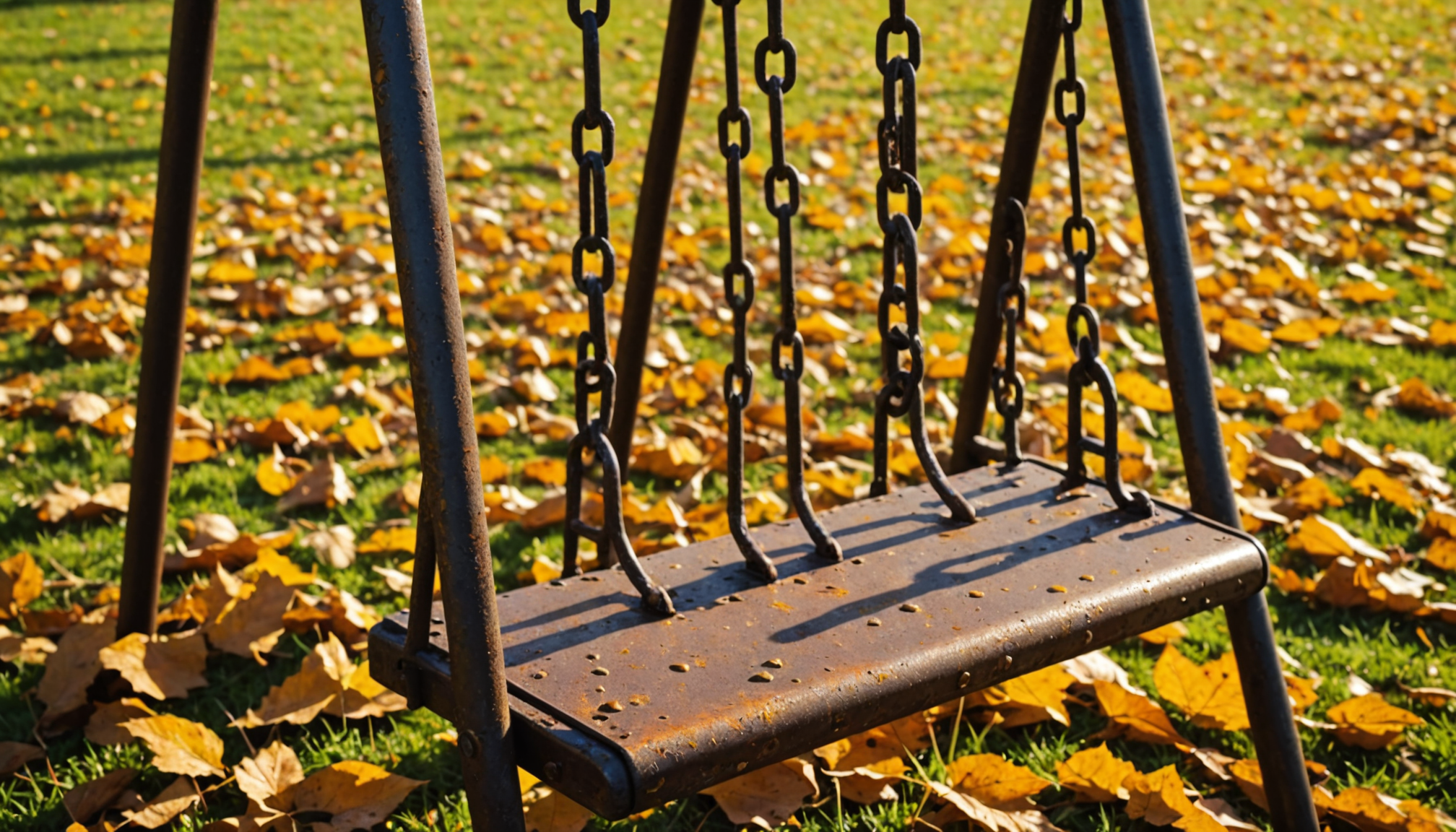
Conduct a thorough examination of metal parts for signs of rust or corrosion. Check that all screws, bolts, and connectors are secure, as loose hardware can destabilize equipment, posing safety hazards. Similarly, assess wooden structures for signs of rot, splintering, or insect damage, which can weaken the materials and create potential dangers for users. For plastic components, look for cracks, warping, or fading, which can indicate material fatigue and potential breakage points.
- Metal parts: Look for rust, corrosion, and loose connections.
- Wooden components: Check for rot, splinters, and insect or weather damage.
- Plastic pieces: Be aware of cracks, warping, or fading that can compromise safety.
Furthermore, pay attention to the play area’s safety surfacing. Whether it’s sand, rubber mulch, or another shock-absorbing material, the surface must provide adequate cushioning to minimize injury from falls. Inspect for thinning areas, displacement, or contamination, which may diminish its effectiveness. Conduct necessary maintenance such as refilling or raking the materials to restore optimal safety performance.
In addition to structural assessments, observe the overall aesthetic and cleanliness of the playground. Visual appeal and tidiness contribute to an inviting atmosphere that encourages frequent use, fostering both physical engagement and social interaction among children. Consider creating a checklist to facilitate comprehensive inspections.
| Material Type | Common Issues | Inspection Frequency | Maintenance Actions |
| Metal | Rust, corrosion | Monthly | Rust removal, tightening bolts |
| Wood | Rot, splinters | Quarterly | Sanding, sealing |
| Plastic | Cracks, fading | Bi-annually | Replacement, reinforcing |
Ultimately, a proactive approach to assessing wear and tear in outdoor play areas not only prioritizes the safety of its users but also maximizes the usability and appeal of the space. Regular assessments backed by prompt actions reflect a commitment to high standards and dedication to community welfare. By keeping meticulous records of all inspections and maintenance activities, facility managers can ensure that repairs are timely and that playgrounds remain vibrant and secure places for all children.
cleaning and sanitizing equipment
 Maintaining clean and sanitized playground equipment is imperative for ensuring a safe and healthy environment for children. Regular cleaning and disinfection help to eliminate germs, dirt, and debris, enhancing the longevity of the equipment and preventing the spread of illnesses. To effectively clean and sanitize outdoor play areas, follow these steps:
- Gather Supplies:
- Non-toxic, environmentally friendly cleaning solution or mild detergent.
- Disinfectant approved for playground surfaces.
- Soft-bristled brush or sponge.
- Garden hose or pressure washer (on a low setting).
- Microfiber cloths or towels for drying.
- Gloves and protective eyewear for safety.
- Remove Loose Debris:
Start by removing any loose debris such as leaves, dirt, and trash from the playground surfaces. Use a broom or leaf blower to clear the area efficiently. If using a leaf blower, ensure it is on the lowest setting to avoid damaging surfaces.
- Pre-rinse Surfaces:
Using a garden hose or a pressure washer on a low setting, rinse all playground equipment to remove surface dirt and residues. This step helps loosen any grime, making the cleaning process more effective.
- Apply Cleaning Solution:
Mix the cleaning solution according to the manufacturer’s instructions. Apply it generously over all the equipment surfaces using a soft-bristled brush or sponge to scrub away dirt and stains. Focus on areas with more frequent contact, such as handrails, slides, and swing seats.
- Rinse Thoroughly:
After scrubbing, rinse the equipment thoroughly with clean water to ensure all soap residues are removed. Any leftover cleaning agents can attract dirt or may cause irritation to children’s skin.
- Disinfect Surfaces:
Prepare a disinfectant according to its label instructions and apply it to the equipment, especially in high-touch areas. Allow the disinfectant to sit for the recommended contact time to ensure maximum effectiveness.
- Air Dry or Towel Dry:
Allow the equipment to air dry completely. If using the playground soon after cleaning, you may expedite drying with microfiber towels, ensuring all surfaces are dry to prevent slipping or other hazards.
- Inspect for Cleanliness:
Conduct a visual inspection to ensure the equipment is thoroughly cleaned and sanitized. Re-clean any missed spots or stubborn stains.
- Implement a Regular Maintenance Schedule:
Establish a consistent cleaning routine based on the usage and environmental exposure of the play area. High-traffic playgrounds may require more frequent attention while others might be cleaned less often.
Integrating these steps into routine maintenance will help maintain a hygienic play environment that kids can safely enjoy. Implementing a standardized cleaning protocol not only ensures a spotless area but also fosters community confidence in playground safety and health standards.
ensuring safety standards
Adhering to set safety standards is fundamental in preventing accidents and ensuring a secure environment in outdoor play areas. The first step in maintaining these standards involves thorough knowledge and understanding of local and national safety guidelines concerning playground equipment and layouts. Regular training sessions and workshops for maintenance staff can help ensure everyone is up-to-date with the latest safety protocols and practices.
Equipment should be compliant with established safety standards such as those formulated by the Consumer Product Safety Commission (CPSC) or the American Society for Testing and Materials (ASTM). Compliance isn’t just about design; it extends to installation, upkeep, and systems of inspection. Ensure all newly purchased equipment meets these specific standards before integration into the play area.
Installations must be performed by professionals to guarantee that the equipment is securely embedded and properly anchored. Regular audits of installation quality can shed light on potential flaws or errors made during the initial setup. Additionally, perform routine stability tests on all pieces of equipment, especially after severe weather events or intense use periods that might compromise their stability.
Safety surfacing remains an essential element of a risk-proof playground. It acts as a crucial buffer that can significantly reduce the severity of injuries from falls. Confirm that the depth and type of surfacing materials are consistent with the standards promulgated by safety authorities. More frequent inspections of these surfaces may be necessary in high-impact areas.
At all play areas, posting clear signage that conveys usage guidelines, age appropriateness, and emergency instructions is crucial. Signage should be visible and easy to understand, preferably using symbols in addition to text so that children of all reading levels and languages can comprehend the instructions.
Ongoing engagement with users and community members is beneficial. Initiating feedback systems like suggestion boxes or digital surveys can uncover underlying issues or concerns from parents and guardians that formal inspections might miss. Additionally, if injuries do occur, it is crucial to record the incident thoroughly and investigate its cause to prevent future accidents.
In summary, diligent adherence to safety standards not only minimizes the risk of accidents but fosters a culture of care and responsibility. Maintaining records of all safety checks and improvements ensures accountability and provides a reliable framework for maintaining the highest safety standards in the future. By embedding these practices into routine operations, play areas can be safe, joyful spaces where children thrive.
managing seasonal changes
Adapting maintenance practices to accommodate seasonal changes is vital for keeping outdoor play areas in optimal condition year-round. Each season brings distinct challenges that, if not addressed, can lead to both safety hazards and accelerated wear on playground structures.
During the winter months, freezing temperatures and precipitation can affect the integrity and usability of playground materials. Ice accumulation on surfaces presents a significant slip hazard, while prolonged exposure to moisture can promote rust in metal components. To mitigate these issues, routinely clear snow and ice from equipment surfaces and apply sand or anti-slip materials where necessary. It’s also important to inspect metal for any signs of rust development and to apply protective coatings where needed to shield against the harsh elements.
Spring ushers in warmer weather along with increased levels of moisture and plant growth. This is a prime time to examine wooden structures for any signs of rot or decay that may have developed over the winter. Pressure washing surfaces can remove accumulated grime and mildew, preparing the play area for increased use. This is also an opportunity to replenish any deteriorated safety surfacing, ensuring that the ground beneath the equipment remains cushioned for safe landings.
As summer approaches, high temperatures and UV exposure become a primary concern. Intense heat can cause plastic components to warp or crack and can fade painted finishes. Consider installing shade structures or adding natural shade through strategic planting to protect against UV damage. Ensure surfaces and handles do not get too hot to touch, which can lead to burns or deter children from playing. Applying UV-protectant treatments to susceptible materials can help maintain their appearance and structural integrity over time.
In the autumn, falling leaves and damp conditions create a different set of challenges. Leaves can obscure hazards on the ground or contribute to slippery surfaces. Regular clearing and cleaning of fallen debris are essential to maintaining safety and functionality. Additionally, as temperatures drop, this is a good time to conduct thorough inspections and repairs to ready the play area for winter conditions, ensuring any protective measures are in place before the first frost.
Throughout each of these seasonal transitions, consistent monitoring and maintenance help to ensure outdoor play areas remain inviting and safe. Recognizing the impacts of seasonal changes enables proactive management that not only preserves the condition of the play space but also extends its usability and lifespan. This diligence ensures that children have a vibrant and secure environment to explore, regardless of the season.
promoting sustainable practices
Promoting sustainable practices within outdoor play areas not only safeguards the environment but also educates children about the importance of caring for their surroundings. The first step involves selecting eco-friendly materials for playground equipment. Opt for sustainably sourced wood, recycled plastic, or other materials with minimal environmental impact. Such choices reduce the carbon footprint of the playground and promote the longevity of the equipment.
Implementing recycling programs is another effective way to promote sustainability. Place clearly marked recycling bins in accessible positions to encourage both children and adults to dispose of waste responsibly. Signage can help educate users about the importance of recycling and proper waste segregation, fostering an eco-conscious community mindset.
Planting trees and shrubs around the play area contributes to environmental health and can provide natural shade and windbreaks, enhancing the overall experience of the space. Choose native plant species that require less water and maintenance, reducing resource consumption and providing a habitat for local wildlife.
Water conservation methods are another crucial aspect of sustainability. Use rain barrels or similar systems to collect and recycle rainwater for irrigation purposes. Employ drought-resistant grass and plants in the landscaping to cut down on water usage, and consider permeable surfaces for the playground area to minimize runoff and enhance groundwater recharge.
Routine maintenance should include checks on energy efficiency if the playground has lighting or digital components. Utilizing solar-powered lights and using energy-efficient bulbs can significantly reduce electricity usage, contributing to more sustainable operations.
Furthermore, promoting active community involvement through green initiatives can build broader support for sustainability efforts. Arrange regular events like tree planting days or community clean-ups to engage locals and educate them on sustainable practices. Not only does this foster a sense of ownership and responsibility among community members, but it also provides practical educational opportunities for children about the importance of caring for the planet.
In essence, integrating sustainable practices into the maintenance of outdoor play areas enriches the environment and provides valuable lessons in stewardship for the younger generation. It ensures that play areas remain vibrant, healthy spaces where both nature and community thrive.
In conclusion, maintaining outdoor play areas requires a holistic approach that encompasses regular assessments, cleanliness, adherence to safety standards, seasonal adaptations, and sustainable practices. By integrating these strategies consistently, outdoor play areas can provide safe, appealing, and environmentally friendly spaces for children to play and learn. These efforts not only enhance the quality and safety of play areas but also support community welfare and environmental conservation.