When designing a playground on a budget, leveraging everyday materials can significantly cut costs while adding a unique charm to the play space. Many household items, often discarded or unnoticed, can be transformed into intriguing play features that stimulate children’s creativity and curiosity.
For instance, a simple wooden pallet can be repurposed into a variety of playground elements such as climbing walls, sandboxes, or small platforms for imaginative play. By sanding down rough edges and applying a coat of weather-resistant paint, these pallets can become safe and vibrant additions. Similarly, old tires can be given new life as swings, balance beams, or even tunnels when properly secured and painted in bright colors. They are durable, versatile, and bring a fun, industrial aesthetic to the play area.
Plastic containers and barrels, often readily available, can also serve multiple purposes in DIY playgrounds. When securely anchored, they can act as tunnels or bridges, or, when stacked, they create unique climbing challenges. Providing a variety of shapes and sizes encourages children to explore and learn through innovative interactions with the environment.
Another creative idea is to use fabric remnants for creating cozy hideaways or sun shelters. By stretching fabric across wooden posts or between trees, you can craft shaded retreats that provide a bit of respite from sunny days. This not only adds an element of comfort to the playground but also introduces textures and colors that stimulate sensory experiences.
In addition to enhancing the visual appeal and functionality of a playground, utilizing everyday materials promotes sustainability and mindfulness about waste and resource use. These projects can also become community initiatives, where families and neighbors contribute materials or help with construction, ultimately fostering a sense of communal engagement and pride.
The table below provides a simple comparison of potential everyday materials and their creative uses in playground settings:
| Material | Potential Uses |
| Wooden Pallets | Climbing walls, sandboxes, platforms |
| Old Tires | Swings, balance beams, tunnels |
| Plastic Containers | Tunnels, bridges, climbing features |
| Fabric Remnants | Sun shelters, cozy hideaways |
By tapping into the potential of everyday materials, not only can parents and community builders save money, but they can also create a playground environment that is uniquely engaging and personal. This approach encourages innovative thinking and can serve as a model for resourceful problem-solving that children will carry into other areas of their lives.
Incorporating natural elements
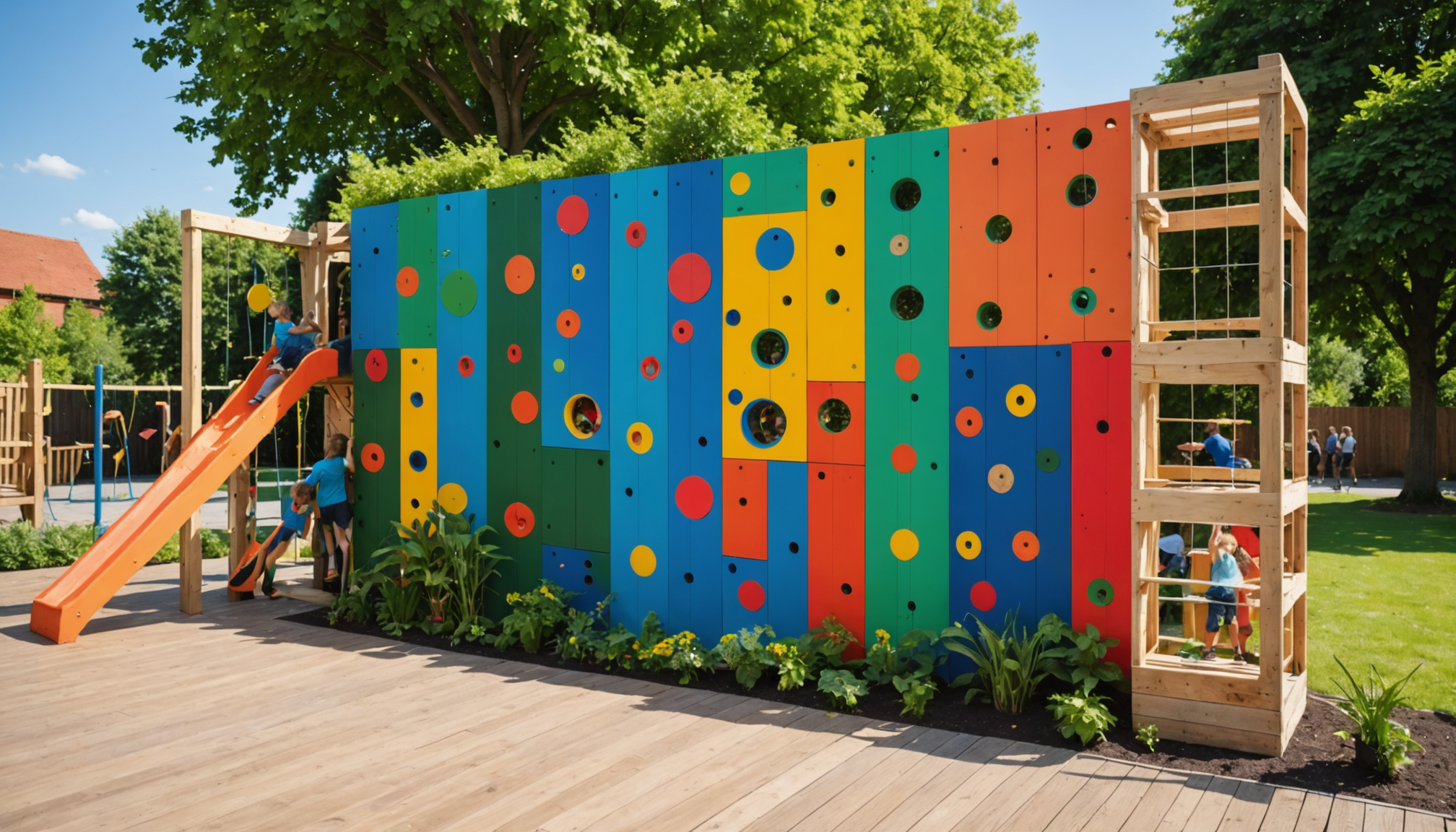 Integrating natural elements into a playground not only enhances its visual appeal but also provides children with organic, tactile experiences that support physical and cognitive development. Nature offers a range of versatile and low-cost options to create a playful and educational environment.
- Select Suitable Natural Materials: Begin by gathering materials such as logs, stones, and branches. Logs can be sourced from local tree-trimming services or as leftover wood at construction sites. Make sure they are untreated and free from sharp edges or splinters.
- Create Log Balance Beams: Use stout logs as balance beams. Place them horizontally on the ground or elevate them slightly using sturdy wood supports on either end. Secure them in place to prevent rolling. These balance beams enhance children’s coordination and focus.
- Design Stone Pathways: Arrange flat stones to create winding paths throughout the playground. Encourage children to hop from stone to stone, which helps improve agility and balance. Ensure stones are stable and set firmly to prevent trips or falls.
- Build a Natural Sandbox: Instead of traditional sandboxes, hollow out a space in the ground and border it with logs or stones. Add a layer of play sand from a hardware store. This natural-looking sandbox blends well with the environment and invites creative play.
- Assemble a Twig Fort: Use branches and twigs to construct small forts or tepees. Encourage children to contribute by gathering additional materials or helping with construction. This encourages problem-solving skills and teamwork.
- Install a Rock Climbing Feature: Secure large stones or rock climbing holds on a sturdy wall or embankment. Children can climb, boosting their strength and resilience. Always ensure climbing features are safe with soft surfaces like mulch or grass below.
- Plant a Sensory Garden: Create a small garden area with various herbs and flowers. Choose plants with fascinating textures, scents, and colors, such as lavender, mint, or sunflowers. This garden engages children’s senses and can teach them about plant life cycles.
- Encourage Wildlife Habitats: Build birdhouses, bug hotels, or butterfly feeders using natural materials. Place them at various spots around the playground. This introduces children to local wildlife, teaching them about ecology and the importance of biodiversity.
Incorporating natural features into playgrounds not only enriches the play experience but also instills an appreciation for nature from an early age. By using readily available materials to craft these elements, you create a sustainable play environment that connects children with the outdoors and enhances creativity in their playtime.
Cost-effective safety solutions
Ensuring the safety of children in a playground is paramount, yet implementing effective safety measures does not have to come at an exorbitant cost. There are numerous budget-friendly strategies that can maximize the safety of a DIY playground without sacrificing quality. A key approach is to start with the playground surface, a critical component of any play area. Instead of expensive rubber mats, consider using mulch or pea gravel as affordable alternatives. Both options cushion falls effectively, reducing the risk of injury. Mulch, particularly wood chips, is easy to maintain and replace as needed, while pea gravel provides a stable and firm surface that absorbs impact.
For equipment safety, ensure all DIY structures are free of sharp edges and splinters. Applying sandpaper to rough wood surfaces and sealing with non-toxic paint or sealant ensures durability and prevents accidental scratches or cuts. Foam padding can also be an inexpensively sourced item used to cover hard edges or metal parts of play equipment, enhancing safety while adding a soft, inviting touch.
Proper signage plays a crucial role in maintaining playground safety. Create clear, easy-to-read signs using weather-resistant materials to inform parents and children of rules and any potential hazards. This fosters a sense of awareness and reminds everyone of the shared responsibility for safety.
Finally, regular maintenance is essential. Establish a simple routine to inspect playground equipment for wear, tear, and stability. Involve the community in periodic safety checks, which not only keeps the playground well-maintained but also reinforces communal involvement. By implementing these cost-effective safety solutions, parents and community builders can create a secure environment that allows children to explore and enjoy the playground with peace of mind.
Entertaining play structures
When it comes to creating entertaining play structures that captivate a child’s imagination, simplicity, innovation, and engagement are key elements to consider, especially when working within a budget. One of the most exciting features you can add to any DIY playground is a playhouse, whether it’s a small, elevated wooden structure or a simple canvas tent. These playhouses offer endless possibilities for imaginative play, transforming into castles, pirate ships, or secret clubs with just a few props and the creativity of young minds.
Repurposing materials like old doors or shutters for walls adds character and charm without requiring significant investment. Elevating the playhouse on stilts not only enhances the sense of adventure but also provides extra play space underneath, perhaps transforming it into a shaded sandpit or storage area for outdoor toys. To add an extra layer of excitement, consider installing a simple slide from the elevated playhouse down to ground level. Lightweight and durable plastic slides are available at reasonable prices and can be securely attached for endless sliding fun.
Another thrilling addition to any playground is a climbing structure, which can be created using available materials like wood, old ropes, and sturdy nets. By constructing a basic frame and incorporating various climbing elements such as rope ladders, cargo nets, and rock climbing holds, you can offer kids a challenging and invigorating workout for both their bodies and imaginations. Prioritize secure anchoring and smooth edges to ensure the structure’s safety and durability.
Swings, timeless icons of playground enjoyment, can also be economically fabricated from recycled materials. Old tires can be transformed into classic tire swings with the help of strong ropes and a sturdy overhead branch or beam. Alternatively, a simple wooden seat swing adds a traditional touch. Always remember the importance of secure attachments and periodic checking for wear and tear.
Integrating sensory play elements into the playground will captivate children and stimulate their senses. Consider constructing a musical wall out of pots, pans, and old chimes, or setting up a digging area filled with smooth pebbles and other texturally interesting natural objects. Situating these elements within reach supports curious exploration and adds an interactive layer to the space.
Lighting can also play a role in enhancing the playground experience, creating a magical atmosphere especially during twilight hours. Solar-powered fairy lights or outdoor lanterns can be strung above or around structures, inviting families to extend their playtime into the evening.
A successful and entertaining playground sparks excitement and joy in children, providing them with an environment where their imaginations and physical skills can thrive. By carefully selecting or repurposing materials, and creatively combining them into structures that prioritize safety and fun, you can create a captivating play area that brings endless delight without breaking the bank.
Adding personal touches
Bringing a personal touch to your DIY playground can transform it into a special space that reflects the unique personalities and interests of the children who will play there, as well as the creativity and care of those who helped create it. Start by involving the children in the design process; ask for their input on favorite colors, themes, or play elements they wish to include. This not only ensures the playground caters to their interests but also gives them a sense of ownership and pride in the space.
Customizing play structures with a fresh coat of paint in vibrant colors or unique patterns can rejuvenate worn-out elements while adding a lively character that resonates with the children. Stencils and non-toxic paints allow for artistic expression, facilitating a project that can be both fun and rewarding for the whole family. Consider creating themed zones within the playground – a pirate ship sandpit, a jungle-themed climbing wall, or even fairy tale niches that inspire storytelling and imaginative play.
Adding hand-painted signs or name plaques to different areas of the playground can further personalize the space. These can be made using recycled wood or metal, inscribed with names, welcoming messages, or playful sayings that make every visit feel special.
Picturesque details like DIY stepping stones with embedded tokens or handprints, crafted by the children, can serve as lasting memorabilia. Hosting a rock-painting day where kids can design their colorful rocks to decorate the playground path adds both engagement and character.
Community involvement further enhances the playground’s personal touch. Invite neighbors or friends to contribute by planting flowers, donating materials, or simply helping with the construction. This not only diversifies the array of influences in the design but also strengthens community ties, providing a shared space that everyone cherishes and maintains.
Incorporating diversity in play activities is key; set up stations for art, music, or even a small reading nook stocked with waterproof, outdoor-friendly materials. This encourages children to express themselves in multiple ways, catering to different interests and promoting inclusive play.
A DIY playground tailored with personal touches not only provides a physically engaging environment but also becomes a beloved space where creativity and memories flourish, all crafted with the love and effort of those who play there and those who made it possible.
In conclusion, creating a DIY playground on a budget is a rewarding endeavor that combines creativity, resourcefulness, and community spirit. By thoughtfully utilizing everyday materials, integrating natural elements, ensuring safety, crafting entertaining structures, and adding personal touches, you can build a vibrant and inviting play space. This personalized playground is more than just a place to play; it’s a testament to ingenuity and togetherness, fostering joy, connection, and lifelong memories for children and families alike.