Painting, while a seemingly straightforward task, is rife with potential pitfalls that can derail even the most well-intentioned projects. Whether you’re a novice painter tackling a DIY home project or a more seasoned professional looking to refine your craft, understanding the typical blunders made during painting can save both time and resources.
The first and perhaps most prevalent mistake is inadequate surface preparation. Regardless of the paint quality or technique, failing to prepare the surface correctly can lead to peeling, cracking, and a less durable finish. Cleaning the surface, sanding off old paint, and applying primer are critical steps to ensure a smooth and long-lasting paint job.
Another common error involves choosing the wrong type of paint for the job. Paints are designed with specific purposes in mind, and selecting the appropriate type is crucial for achieving the desired outcome. For example, high-gloss paints, while durable and easy to clean, can highlight flaws more than matte finishes. The decision should be guided by the needs of the space and the aesthetic goals of the project.
Overapplication of paint is a frequent issue that manifests as drips and runs. Applying paint too thickly not only wastes material but also leads to an uneven finish. It’s essential to adhere to the recommended guidelines for the number of coats and take your time applying each layer uniformly. Using correct brush or roller techniques and ensuring consistent pressure across surfaces can help mitigate this problem.
Improper mixing, whether it’s neglecting to stir paint thoroughly or not shaking spray cans sufficiently, results in color inconsistencies that can mar the final appearance. It’s vital to follow the manufacturer’s instructions for mixing; otherwise, pigments can separate, leading to streaks and blotchy applications.
Environmental factors also play a significant role in painting outcomes. Painting in humid, damp, or excessively cold conditions can prevent the paint from adhering properly and impact drying times, leading to cracking or bubbling effects. Observing the optimal temperature and humidity conditions specified on paint labels ensures the integrity of the paint finish.
- Overlooking the critical importance of using painter’s tape often results in unsightly unaesthetic edges and mixed colors. Taping off areas properly protects surfaces you don’t want paint on and is a straightforward way to achieve sharp, professional lines.
- Finally, neglecting to maintain tools can deteriorate the quality of future projects. Brushes and rollers not adequately cleaned between uses can mix old paint into new colors, affect their efficacy, and shorten their lifespan.
| Common Mistake | Consequence | Solution |
| Inadequate surface preparation | Peeling and cracking paint | Clean, sand, and prime surfaces before painting |
| Wrong paint type | Unwanted finish and compromised durability | Select paint based on room function and desired aesthetics |
| Overapplication | Runs, drips, and wasted material | Apply even coats and follow manufacturer’s guidelines |
| Improper mixing | Color inconsistencies | Thoroughly mix paint according to instructions |
| Ignoring environmental conditions | Poor adhesion and drying problems | Check temperature and humidity are within optimal ranges |
| Neglecting painter’s tape | Messy edges and mixed colors | Use tape to protect surfaces and create clean lines |
| Poor tool maintenance | Reduced tool effectiveness and color contamination | Clean all tools thoroughly after each use |
By being aware of these common errors and understanding how to avoid them, you’ll enhance the quality and efficiency of your painting projects. Each mistake provides an opportunity to learn and improve your technique, ultimately leading to a smoother process and more impressive final results.
Tools and materials you’ll need
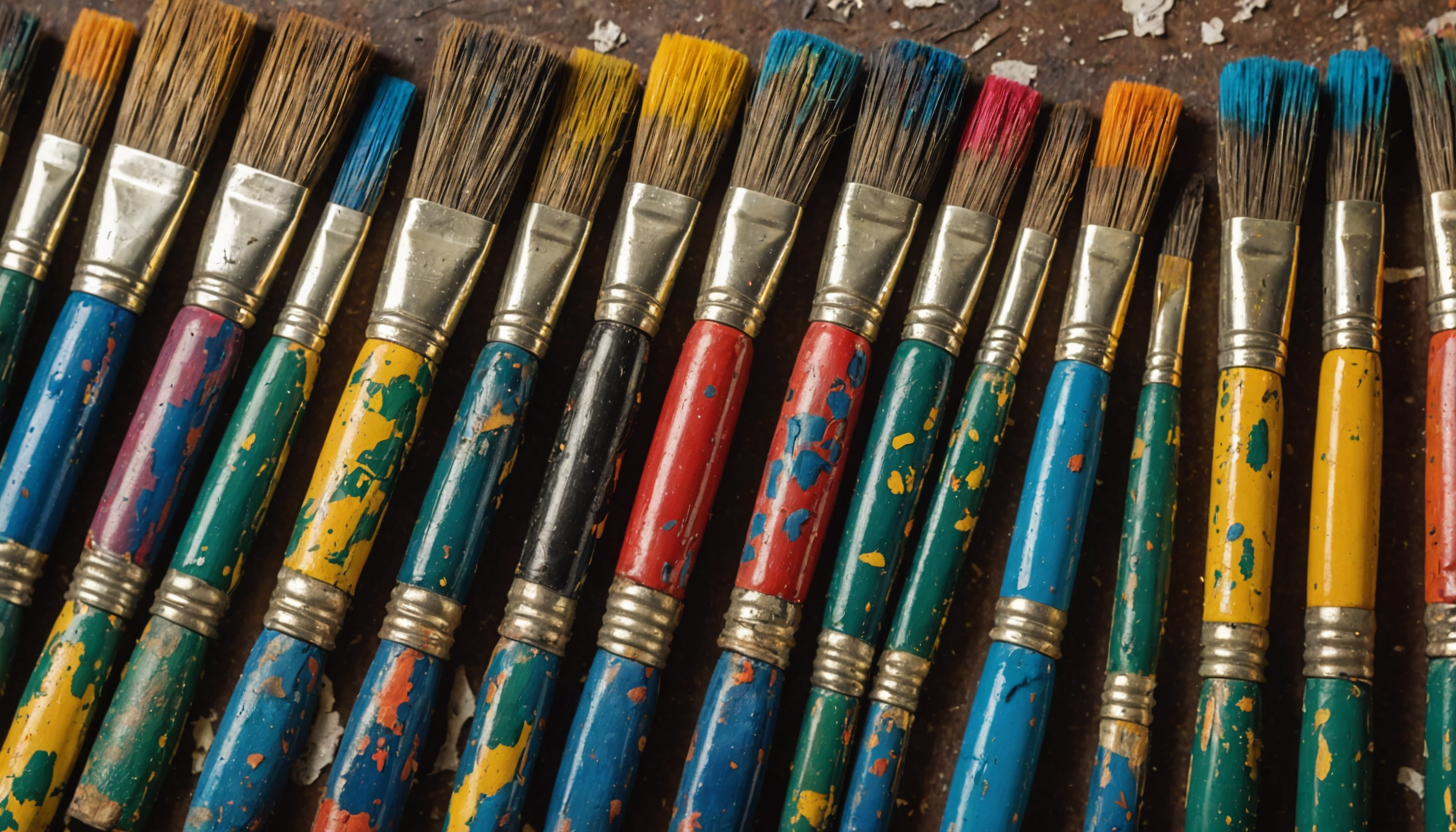
Before diving into a painting project, it’s essential to gather the necessary tools and materials that will set you up for success and make the task more manageable. Here’s a comprehensive list of items to have on hand to address painting mistakes effectively and carry out the painting process smoothly:
1. Drop Cloths
Protect your floors and furniture from paint splatters with durable drop cloths. Canvas or plastic options work well, but canvas is less slippery and can be reused multiple times.
2. Painter’s Tape
Essential for achieving clean lines and protecting areas such as trim, windows, and edges from unwanted paint, painter’s tape is a must. Opt for high-quality tape to prevent paint bleed-through.
3. Paint Brushes and Rollers
A variety of brushes (angled and flat) and roller sizes are necessary for tackling different surfaces. Choose the bristle type based on your paint finish; natural bristles for oil-based paints and synthetic for water-based.
4. Roller Trays and Liners
Having roller trays allows for easy loading of paint onto your rollers, and using liners makes cleaning up simple and swift.
5. Paint Stirrer
Mixing your paint thoroughly before application ensures even color distribution. A wooden or plastic paint stirrer is perfect for the task.
6. Ladder or Step Stool
For reaching high areas, a sturdy ladder or step stool is crucial. Ensure it is in good condition to avoid accidents.
7. Sandpaper and Sanding Block
Sandpaper is needed to smooth surfaces and remove imperfections before painting. A sanding block provides more control and consistent pressure.
8. Filler and Putty Knife
Use fillers to patch holes and cracks. A putty knife will help in spreading the filler evenly across the surface.
9. Primer
Essential for preparing surfaces, especially those that are bare or stained. Primer ensures better paint adhesion and coverage.
10. Additional Brushes for Touch-Ups
Keep smaller brushes handy for detailed touch-ups and corrections post painting.
11. Clean-up Supplies
Have rags, sponges, and paint thinner or water available to clean spills and tools promptly, depending on the type of paint you use.
12. Paint Strainer
To prevent clogs in your equipment, strain paint before using to remove any debris or clumps.
13. Measuring Tape and Pencil
Handy for marking and measuring areas that need special attention or correction, ensuring accurate and precise painting.
14. Gloves and Safety Gear
Protect your hands and eyes with gloves and safety goggles, especially if using strong chemicals or working overhead.
Having these tools and materials ready will enable you to handle any painting challenge that arises, from rectifying drips to achieving a seamless finish. Equipped with the right resources, you can approach your project with confidence and efficiency.
Repairing paint drips and streaks
When addressing paint drips and streaks, it’s crucial to act swiftly and precisely to restore a smooth finish. Paint drips often occur from overloading the brush or roller, leading to gravity pulling excess paint downward, forming unsightly runs. It’s important first to let the drip fully dry; attempting to fix it while wet can worsen the problem. Once dry, use a fine-grit sandpaper to gently sand the area until smooth, ensuring not to damage the surrounding paint. Follow up by cleaning any dust with a damp cloth.
For streaks, which generally occur due to uneven application or not maintaining a wet edge, you should lightly sand the affected area as well. This smoothing process helps level out paint ridges that create the streaky appearance. Sanding should be done gently to avoid burning through layers of paint.
After sanding, prime the spot if the sanding exposed the underlying surface or if you’re dealing with a particularly noticeable streak, as primer will help the subsequent paint layer adhere uniformly. Once the primer is dry, repaint the area, ensuring you use even, controlled strokes. To maintain consistency, blend the edges of your repaint into the surrounding area for a seamless repair.
In both scenarios, correcting drips and streaks requires a consistent technique to ensure future issues are avoided. Using the right amount of paint on your applicator, employing the correct pressure, and keeping a wet edge during application are key strategies. Furthermore, taking frequent breaks to step back and review your work from a distance can help identify potential issues before the paint has dried.
Should you come across extensive areas affected by drips and streaks, it may be wise to consider an entire new coat over the problem area. This approach, while more time-consuming, ensures a uniform finish and often requires a re-evaluation of application techniques. By fostering good habits like proper stirring of paint, using high-quality tools, and exercising patience while painting, you can effectively eliminate the occurrence of drips and streaks in future projects. With these steps, you can transform an error into an opportunity, enhancing your skills and the end result of your painting endeavors.
Patching up uneven coverage
Uneven coverage is a common painting challenge where certain areas appear lighter or patchy compared to others, disrupting the overall look of the painted surface. This issue often arises from insufficient paint application, incorrect brushing techniques, or inconsistent paint mixing. Addressing this problem not only ensures a visually pleasing finish but also enhances the durability of the paint job.
Begin by examining the entire surface in natural light, as poor lighting can mask imperfections that might become glaringly obvious once the paint dries. Clearly marking uneven areas with a pencil or tape can help to systematically address each section without missing spots.
The first step in correcting uneven coverage involves ensuring that you have enough paint to complete the task. Running out of paint midway can lead to undesirable results, as a new batch may not match the original hue perfectly. Shake or stir the paint thoroughly to ensure uniformity in color and consistency. If feasible, utilize a paint strainer to remove any lumps or debris that might compromise the application.
Before applying any new paint, check the texture and smoothness of the surface. Areas displaying significant texture differences should be lightly sanded to create a uniform feel. Use sandpaper suited to the current state of the surface—you generally want a medium grit to avoid gouging but still effective enough to smooth over variances.
Once prepared, it’s crucial to apply a primer if the underlying paint layers show through. Primers aid in evening out the absorption rate of the surface, helping the subsequent layers of paint to adhere more effectively and uniformly. Allow the primer to dry completely according to the manufacturer’s instructions before proceeding with paint application.
When applying the new coat of paint, use a high-quality roller or brush suitable for the type of paint and surface. A roller with a suitable nap aids in efficient coverage on textured surfaces, while a brush can be effective for smaller areas or detailed work. To prevent lap marks, which contribute to unevenness, maintain a wet edge by overlapping each stroke before the previous one dries.
In instances where large sections show uneven coverage, it might be beneficial to employ a cross-hatch technique. This involves applying paint in a crisscross manner, which helps ensure consistent coverage and minimizes the chances of missed streaks across the surface. Continue using long and steady strokes, and resist the urge to over-brush the paint as it begins to dry.
Finally, allow sufficient drying time between coats, as dictated by the paint manufacturer. Impatience in this step can lead to pulling up the previous coat, now hardened and tacky, into the new layer, exacerbating the problem. Keep the area well-ventilated to aid drying and prevent any dust or particles from settling on wet paint.
By methodically addressing the issue of uneven coverage, not only can you restore the aesthetic quality of your surfaces, but you also strengthen the legitimacy of your painting technique. Developing patience and an eye for detail through this process will be invaluable assets, transforming this challenge from a setback into a learning opportunity, thus bolstering confidence in tackling both present and future painting projects with expertise and finesse.
Correcting color mismatches
Color mismatches can be an unexpected frustration, emerging from a variety of situations, including poorly mixed paint, incorrect initial color selection, or unforeseen lighting effects. Addressing these mismatches requires a methodical approach to reestablish harmony in your space.
First, determine the cause of the color mismatch. If it stems from a poorly mixed can of paint, be sure to thoroughly stir or shake the paint, as pigments may have settled unevenly within the can. When working with multiple cans of the same color, it’s advisable to combine them into a larger container to ensure consistent hue throughout your project.
Lighting changes can significantly impact perceived color. A room’s color under artificial light can appear drastically different than under natural light. Test paint swatches on walls before committing to a color choice, observing how they appear at various times of the day. Utilize high-quality light bulbs that mimic natural light to avoid discrepancies in color perception.
In cases where the wrong color was initially chosen, sometimes the best recourse is a repaint. But before covering large areas, consider sampling a slightly adjusted color on a small section to confirm it corrects the mismatch. Making note of influential factors like undertones or room elements can guide your choice in adjusting the shade.
For mismatches due to different paint brands or sheens being used inadvertently, take a sample of the affected paint to a professional supplier or paint store. They can scan the color and provide a precise match. Once you have a matching color, apply a color-restorative technique, feathering or blending edges into existing paint to avoid sharp demarcation lines.
If color differences are subtle enough, glazes or color washes may be applied. These products allow for a translucent overlay that can unify a wall’s overall tone. They should be used with care, allowing them to dry fully, and applying additional coats if necessary to achieve the desired effect.
Addressing color mismatches effectively involves not only the aesthetic aspect but also technical know-how. Taking the time to resolve these issues can not only improve the immediate visual results but also enhance painting skills for future projects.
In conclusion, painting mistakes are an inevitable part of the process but present substantial learning opportunities. Whether dealing with drips, streaks, uneven coverage, or color mismatches, each challenge can be effectively addressed with the right knowledge, tools, and techniques. By anticipating common pitfalls and approaching each step with care and attention, you can transform potential errors into triumphs, resulting in a polished and professional-looking finish that enhances your space.