When choosing between asphalt and concrete for your paving needs, it’s crucial to consider the intrinsic properties of each material, as they significantly impact performance, longevity, and overall suitability for specific projects. Understanding these properties will help you make an informed decision that aligns with your requirements and expectations.
Asphalt is primarily composed of aggregates bound together with bitumen, a dark, sticky substance derived from crude oil. This gives asphalt its characteristic black appearance and provides several advantageous properties:
- Flexibility: Asphalt is known for its flexibility, which allows it to adapt to minor shifts in the underlying surface without cracking. This makes it ideal for regions experiencing freeze-thaw cycles.
- Quick Installation: The material can be applied quickly and sets fast, reducing downtime during installation and resurfacing processes.
- Noise Reduction: Its composition can absorb sound, making asphalt roads notably quieter compared to their concrete counterparts.
Concrete, on the other hand, is a mixture of cement, water, and aggregates like sand, gravel, or crushed stone. This combination provides concrete with unique properties, including:
- Durability: Concrete is incredibly strong and resistant to heavy loads, making it suitable for high-traffic areas such as highways and airports.
- Reflectivity: The light color of concrete surfaces reflects sunlight rather than absorbing it, resulting in cooler surface temperatures.
- Structural Integrity: Its rigidity offers a more permanent solution, often leading to greater longevity without needing frequent repairs.
Beneath is a comparative table summarizing the key material properties of asphalt and concrete:
| Property | Asphalt | Concrete |
| Flexibility | High | Low |
| Installation Speed | Fast | Slow |
| Noise Reduction | Good | Poor |
| Durability | Moderate | High |
| Reflectivity | Low | High |
The decision between asphalt and concrete ultimately depends on the specific demands of your project, considering factors such as climate, budget, and the level of traffic anticipated. Each material offers distinct advantages that cater to different needs and scenarios, making it essential to weigh these characteristics carefully.
cost analysis
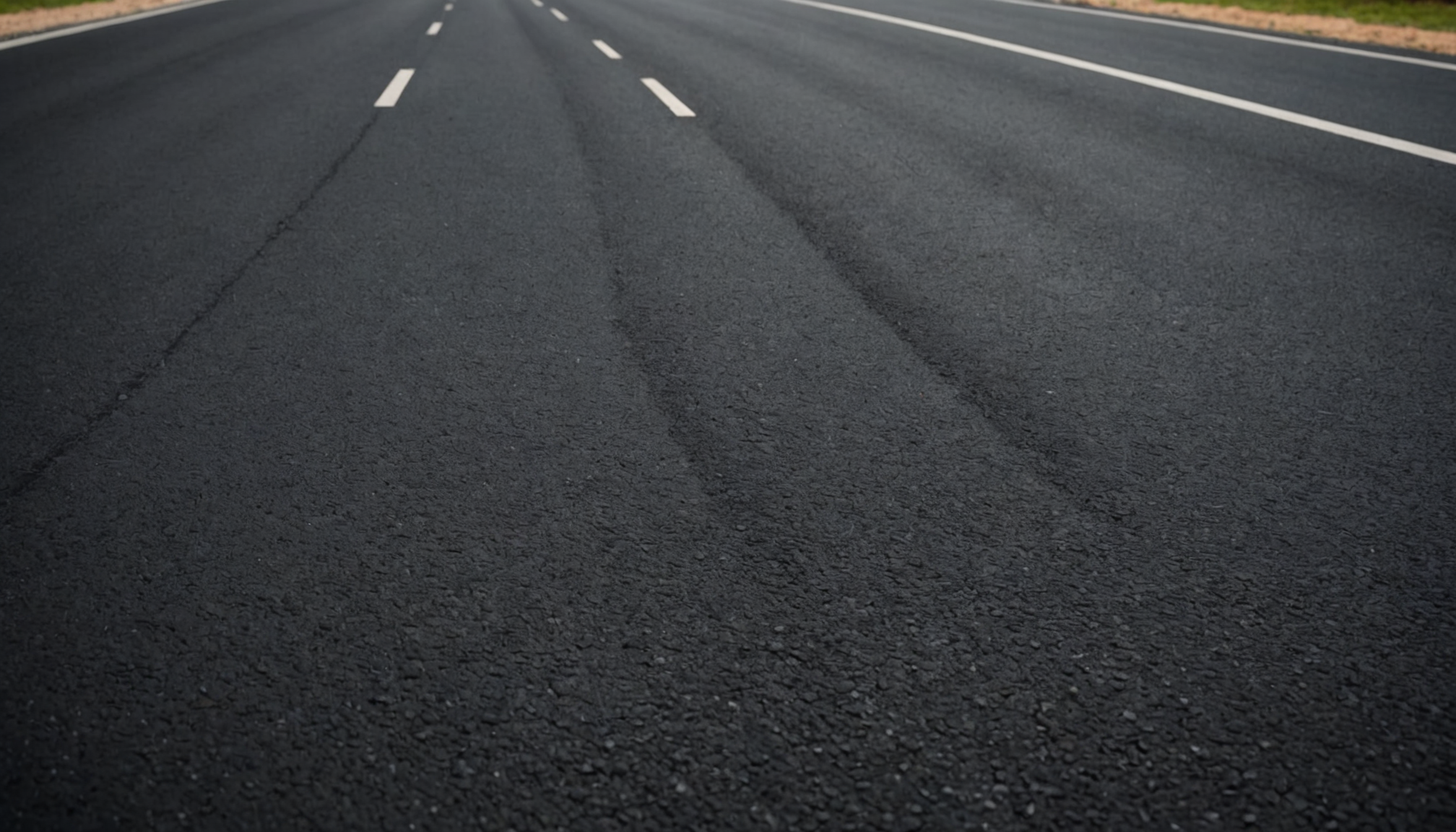 When evaluating the cost implications of choosing between asphalt and concrete for your paving needs, numerous factors come into play that can significantly affect the overall budget. Understanding these factors will enable you to choose a material that aligns not only with your project requirements but also with your financial plan. Here’s a step-by-step breakdown of these cost considerations:
1. Initial Installation Costs:
– Asphalt: Generally, asphalt is less expensive to install initially. The cost-effectiveness is attributed to the lower price of raw materials and the speed of installation. This makes asphalt an attractive option for those looking for immediate savings.
– Concrete: The initial cost of concrete is typically higher due to the more expensive raw materials and the longer time required for installation. The process involves more labor and equipment, which can drive up costs.
2. Repair and Maintenance Costs:
– Asphalt: While the initial costs might be lower, asphalt generally requires more frequent maintenance. This includes seal coating every few years and repairs for cracks or potholes that may develop. Over time, these recurring costs can add up.
– Concrete: Maintenance costs for concrete are typically lower. Concrete surfaces are less prone to cracking and potholes, reducing the frequency and complexity of necessary repairs. However, when repairs are needed, they can be more expensive compared to asphalt.
3. Lifespan and Longevity:
– Asphalt: With proper maintenance, asphalt can last around 15 to 20 years. This relatively shorter lifespan means that you’ll likely need to repave sooner than you would with concrete, increasing the long-term costs.
– Concrete: Concrete surfaces can last 30 to 40 years or more with minimal maintenance. This extended lifespan can make concrete a more cost-effective choice in the long run despite its higher initial cost.
4. Environmental Factors:
– Asphalt: Depending on the region and environmental factors like climate (extreme heat or cold), asphalt can experience accelerated aging or damage, potentially increasing the necessity and frequency for maintenance and repairs.
– Concrete: Concrete is generally more resilient to environmental factors and can handle extreme conditions better. This resilience contributes to the reduced maintenance costs over time.
5. Resale Value and Aesthetics:
– Asphalt: From a resale perspective, asphalt does not add as much value to a property as concrete might. The aesthetic appeal may also be considered less attractive, which can impact property value.
– Concrete: A well-maintained concrete surface can potentially increase the resale value of a property due to its durability and aesthetic appeal. It is often perceived as being more premium and can complement the property’s overall appearance.
In conclusion, while the initial costs of asphalt may appeal to budget-conscious buyers, concrete may prove more economical over the lifespan of the surface. The decision thus relies on weighing upfront costs against long-term savings, maintenance requirements, and the specific needs of your project.
maintenance and lifespan
When considering the longevity and upkeep of asphalt versus concrete, each material presents distinct features that influence the long-term investment and effort required. It’s crucial to assess these differences to determine which option aligns best with your needs and maintenance capacities.
Asphalt requires consistent maintenance to maximize its lifespan and maintain quality. The material is more susceptible to surface degradation, which can manifest as cracks and potholes over time. This susceptibility necessitates regular care, such as seal coating every three to five years, to protect against the elements and wear. Despite its need for frequent upkeep, one advantage of asphalt is the relatively straightforward and cost-effective nature of repairs; small cracks can be easily filled, and resurfacing is typically less labor-intensive and expensive than concrete repairs. However, it’s important to note that with attentive maintenance, an asphalt surface can remain viable for about 15 to 20 years.
Concrete, in contrast, is celebrated for its robust durability, which translates into less frequent maintenance needs. Once laid, concrete tends to hold its structural integrity remarkably well, resisting cracking and degradation more effectively than asphalt. This reduced maintenance demand can lead to fewer repairs, contributing to a lifespan that typically spans 30 to 40 years and occasionally beyond. Although individual repair events for concrete can be more complex and expensive—often requiring professional expertise to address—these instances are relatively infrequent due to the material’s inherent toughness. Consequently, the longevity of concrete makes it a compelling choice if minimizing long-term maintenance effort and frequency is a priority.
Both materials must also contend with external conditions such as weather and traffic. Asphalt’s flexibility allows it to adapt to climate-induced shifts, such as freeze-thaw cycles, reducing the risk of significant damage under certain conditions. Concrete’s rigidity, meanwhile, provides outstanding load-bearing capacity, making it more suitable for high-traffic or heavy load areas without succumbing to significant stress. However, this same rigidity means concrete can be less forgiving than asphalt in responding to minor ground movements.
Ultimately, the decision between asphalt and concrete should consider not just the immediate context and conditions but also the materials’ varying maintenance requirements and expected longevity. These factors could significantly impact the total cost of ownership and the convenience of upkeep over time, ensuring the chosen material aligns with your long-term project goals and maintenance capabilities.
environmental considerations
When it comes to assessing the environmental impact of choosing between asphalt and concrete, several key factors emerge that are crucial for environmentally-conscious decision-makers. Both materials impact the environment during production, installation, and throughout their service life, but they do so in different ways.
Asphalt is derived from crude oil, and its production involves significant energy consumption and greenhouse gas emissions. The extraction and processing of crude oil, along with the heating required for asphalt production, contribute to its carbon footprint. However, recent advancements in asphalt technology, such as the use of warm-mix asphalt and recycling old asphalt into new pavements, have begun to address these environmental concerns. Warm-mix asphalt, for example, can be produced and applied at lower temperatures, reducing energy use and emissions. Recycling options also mitigate the impact by reducing the need for new materials, although these methods are still subject to local availability and market conditions.
Conversely, concrete’s production process involves significant carbon emissions primarily due to the cement component. Cement manufacturing is one of the largest industrial sources of carbon dioxide, given the energy-intensive nature of the production process and chemical reactions involved. Yet, like asphalt, innovations in the industry are progressing towards more sustainable solutions. Manufacturers are increasingly incorporating supplementary cementitious materials (SCMs) like fly ash and slag, which reduces the overall carbon footprint. Moreover, concrete’s light color contributes to urban cooling effects by reflecting sunlight, unlike asphalt, which absorbs heat and contributes to urban heat islands.
Additionally, water runoff management is another environmental concern to consider. Concrete surfaces can contribute to better water runoff control when designed with pervious materials, allowing water to seep through and replenish groundwater levels. Asphalt, by its nature, is non-permeable, but advancements in porous asphalt technology have been developed to tackle similar water management issues.
Both materials present challenges and opportunities from an environmental perspective and choosing the right one involves weighing these aspects based on regional priorities and project-specific needs. Adopting green practices and selecting suppliers who prioritize sustainability can also mitigate environmental impacts. Ultimately, thoughtful consideration of environmental consequences plays a significant role in selecting a paving solution that aligns with sustainability goals and community values.
common applications and usage scenarios
When it comes to the practical applications of asphalt and concrete, each material serves distinct purposes and is suited to different scenarios based on its inherent characteristics. Recognizing these applications can help guide your choice depending on the specific needs of your project.
Asphalt is most commonly used in road construction due to its flexibility and ability to accommodate slight ground movements without cracking. This makes it especially beneficial in regions with freezing and thawing cycles, where road surfaces may otherwise suffer from cracking and heaving. It’s also preferred for projects where timelines are tight because of its fast installation and ability to be driven on almost immediately after setting. Residential driveways, urban roadways, and minor access roads often use asphalt for these reasons. Its noise-reducing properties also make it an attractive choice for busy urban environments, where minimizing sound pollution is a concern.
On the other hand, concrete is renowned for its durability and strength, making it ideal for heavy-duty applications. It is often the material of choice for highways, airport runways, parking spaces, and areas subject to heavy-loading vehicles, like industrial complexes. Concrete’s ability to withstand significant weight and its long service life can compensate for its higher initial installation cost over time. Additionally, its light-reflective properties make it favorable for outdoor public spaces where reducing heat absorption is beneficial, such as in commercial zones or pedestrian walkways.
In summary, choosing between asphalt and concrete often comes down to the specific requirements of the project. Asphalt serves well in situations where flexibility, quick installation, and noise reduction are prioritized, while concrete shines in applications demanding durability, low maintenance, and high load-bearing capacity. Considering the specific context, expected usage, and environmental factors will help ensure the material chosen aligns with practical needs and long-term goals.