Before delving into the intricate processes that define professional powdercoating, it’s essential to grasp the foundational aspects that set this method apart in the coating industry. Powdercoating is a type of dry coating process that differs from conventional liquid paint applications, utilizing a variety of organic polymer-based powders rather than liquids.
Powdercoating is renowned for its ability to create a high-quality, durable finish, making it a preferred choice for finishing metals and a range of other materials. The process primarily involves the use of finely ground particles of pigment and resin, which are electrostatically charged and sprayed onto surfaces. Unlike traditional liquid coatings, powdercoating does not require a solvent to keep the binder in a liquid suspension form. This difference leads to several advantages, both environmentally and economically, which can be summarized in the following table:
| Aspect | Powdercoating | Liquid Coating |
| Delivery Method | Electrostatic Spray | Conventional Spray |
| Solvent Requirement | None | Required |
| Environmental Impact | Minimal, low VOCs | Higher, more VOCs |
| Finish Durability | High, resistant to chipping | Moderate, can chip or peel |
| Material Wastage | Low, overspray can be reused | High, generally cannot be reused |
An essential aspect of understanding powdercoating is recognizing its versatility and broad applicability. Powdercoating can be applied to a range of products, from automotive components and bicycle frames to household appliances and architectural structures. This adaptability is largely due to the wide variety of powders that are available, which can be selected based on specific performance and aesthetic requirements. These powders range from polyurethane and epoxies to acrylic and hybrids, each offering unique benefits and tailored properties for particular applications.
In addition to its operational advantages, powdercoating exhibits significant aesthetic benefits. It allows for the application of a uniform, smooth coating, capable of achieving exceptional depth and richness of color. Manufacturers can also opt for various textures and gloss levels, providing flexibility in design without compromising performance.
- Texture Variability: From matte to high gloss finishes.
- Color Range: Virtually limitless, with custom colors available.
- Special Effects: Different textures like wrinkles or veins can be incorporated.
Powdercoating’s intrinsic properties contribute to its growing popularity across industries, offering both reduced environmental impact and enhanced operational efficiencies. By understanding these fundamentals, professionals can better appreciate the complexities and innovations that define this essential finishing process, paving the way for its successful application across a multitude of industries. The subsequent phases, involving precise surface preparation, application, curing, and quality control, leverage these basic principles to achieve optimal results.
Preparing surfaces for powdercoating
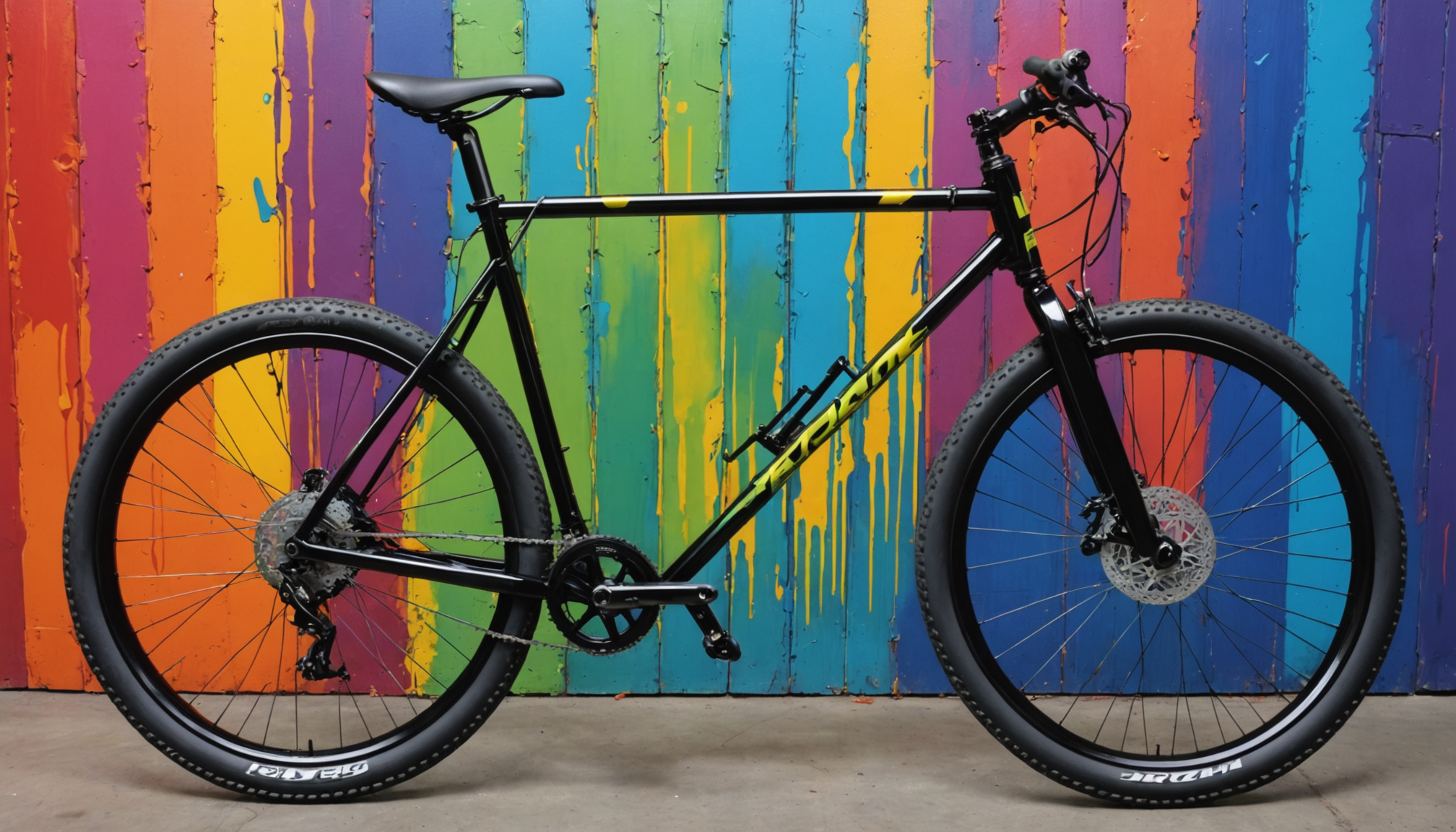 Proper surface preparation is crucial to achieving a high-quality finish in powdercoating. This step ensures that the powder adheres effectively, leading to a durable and professional result. The preparation involves several pivotal processes that must be carried out meticulously to avoid defects and ensure a long-lasting coat. Here’s how it typically unfolds:
1. Surface Cleaning:
Begin by thoroughly cleaning the surface to remove any contaminants such as dirt, oil, grease, and residues that can impede adhesion. Various cleaning methods might be used based on the material:
– Degreasing: Use solvents or alkaline cleaning solutions to dissolve and remove oils and greases. Ensure complete removal through solvent wiping or immersion cleaning.
– Mechanical Cleaning: Abrasive blasting or sanding can be used to remove existing coatings or rust and create a slightly rough surface to enhance adhesion.
2. Rinsing:
After cleaning, the surface must be rinsed with clean water to remove any residues of the cleaning agents. This step helps prevent chemical reactions that might impact the adhesion of the powdercoating.
3. Surface Profiling:
Depending on the type of substrate and its initial condition, a specific surface profile might be necessary. Profiling treatments, such as sandblasting or shot blasting, roughen up the surface, providing a better grip for the powder to adhere. This step is particularly important for metallic surfaces.
4. Phosphate Coating:
For metals, especially steel, applying a phosphate coating enhances corrosion resistance and promotes better adhesion of the powder. The metal is dipped or sprayed with a phosphate solution, then dried. Alternatively, a zirconium-based conversion coating may be used as a more environmentally friendly and equally effective option.
5. Drying:
Once cleaning, rinsing, and conversion coating are completed, ensure the surface is thoroughly dried. Any moisture left on the surface can cause defects such as bubbling during the curing process. Drying can be done using air drying or in a drying oven to ensure all water or solvents have evaporated.
6. Masking:
Depending on the design requirements, certain areas of the surface may need to be masked off to prevent them from being coated. High-temperature resistant tapes and plugs are used to cover these areas, allowing for precise application without unwanted spreading.
7. Quality Inspection:
Conduct a final inspection to ensure the surface is uniformly prepared, clean, and free of contaminants. This step might include visual inspections or using specific tests, like a wipe test or whiteness test, to ensure no residues remain.
Following these detailed, sequential preparation steps ensures that the surface is in the best condition to accept the powder, providing a strong foundation for the subsequent application and curing stages. By investing time and attention in these stages, professionals can significantly increase the quality and durability of the powdercoating finish.
The powder application process
The application of powder in the powdercoating process is a critical step that significantly impacts the quality and longevity of the finish. The procedure involves several stages, carefully designed to ensure even distribution and adherence of the powder to the prepared surface.
Electrostatic Spraying:
The most common technique for applying powder is electrostatic spraying. In this method, the powder particles are given an electrostatic charge through a specialized spray gun. The charged particles are then attracted to the grounded surface of the object being coated, creating an even layer that adheres uniformly. This process not only ensures thorough coverage but also minimizes waste, as any powder that doesn’t adhere to the surface can often be collected and reused.
Fluidized Bed Coating:
Another method, although less common, is fluidized bed coating. In this technique, items are preheated and then dipped into a bed filled with powder. The heat causes the powder to melt and adhere to the surface, creating a thick, uniform coating. This method is typically used for coating items that can withstand higher temperatures and is excellent for achieving a substantial coating thickness.
Considerations for Consistent Coverage:
To achieve an optimal layer of powder, certain factors must be consistently monitored during the application:
– Powder Flow: The consistency and flow of the powder are critical. Properly configured equipment ensures a smooth and even application, avoiding clumps or areas with insufficient coverage.
– Spraying Distance: Maintaining the correct distance between the spray gun and the surface is essential. Too close, and the finish may be rough or uneven; too far, and the powder might not adhere properly, leading to wastage and thin coverage.
– Part Geometry: Complex shapes and angles can challenge even application. Skilled operators must adjust spray angles and application techniques to ensure that all areas, including recesses and edges, are coated adequately.
Efficiency and Environmental Benefits:
In addition to enhancing the aesthetic and functional qualities of a finish, the powder application process offers environmental advantages. Since the powder does not contain solvents that can evaporate into atmospheric VOCs (volatile organic compounds), the process is cleaner and more environmentally friendly than traditional painting methods. The ability to recover and reuse overspray further reduces waste and enhances cost-effectiveness, embedding sustainability in the operational ethos of this technique.
By mastering these techniques and considerations, operators ensure that every object receives a smooth, durable, and aesthetically pleasing powdercoated finish. This sets the stage for the final curing and finishing techniques, which complete the transformation from raw material to a well-protected, visually appealing product.
Curing and finishing techniques
After the powder application process, curing is the next vital step in professional powdercoating. This process involves heating the coated items in a curing oven, which enables the powder to melt, flow, and form a continuous film that adheres securely to the surface. The curing stage is critical because it determines the overall hardness, durability, and performance of the final finish.
The temperature and duration for curing are dependent on the type of powder being used and the specifications required for the finished product. Generally, temperatures range between 320 and 450 degrees Fahrenheit and curing times vary, but typically require about 10 to 30 minutes, depending on the thickness of the metal and complexity of the item. It’s imperative to adhere to the manufacturer’s guidelines during this stage to achieve optimal results.
Inside the curing oven, the heat catalyzes a chemical reaction within the powder, forming a hard, intricately bonded layer over the substrate. Monitoring the curing process closely is essential because insufficient curing can lead to a compromised finish, impacting the longevity and protective qualities of the coating. Conversely, over-curing can cause discoloration or surface defects such as orange peel, adversely affecting the visual appeal.
Once curing is complete, finishing techniques may include additional steps to enhance the product’s functional characteristics or to meet specific aesthetic requirements. For instance, some items might undergo a secondary coating process to add another layer of protection or achieve specific visual or tactile finishes like matte, gloss, or metallic textures. Others might be polished or buffed to smooth out any minor imperfections that occurred during the curing stage.
Moreover, post-curing technologies, such as UV or infrared curing, may be employed in situations where traditional thermal methods are insufficient or impractical. These can offer faster curing times and enable finishes on substrates sensitive to high temperatures.
Finally, these finishing techniques are not only important for protecting the item but also for ensuring it meets customer expectations for appearance and performance. Attention to detail in these final steps helps solidify the coating’s ability to withstand environmental challenges and day-to-day wear and tear. By understanding and applying the appropriate curing and finishing techniques, professionals can provide their clients with products that not only look appealing but also offer superior longevity and resilience. This preparation sets the foundation for maintaining stringent quality control measures, ensuring the highest standards are consistently met in powdercoating applications.
Quality control measures in powdercoating
In the realm of powdercoating, meticulous quality control is pivotal to achieving a flawless, enduring finish. Quality control measures span from the preparation stage to the final inspection, ensuring that every step of the process adheres to rigorous standards.
At the onset, the quality of the powder material itself is scrutinized. Consistency in particle size and composition is crucial, as variations can lead to uneven coatings or defective finishes. Suppliers are selected based on their ability to deliver high-standard, reliable powders that meet industry specifications.
Throughout the preparation phase, surfaces are constantly monitored to ensure they’re free from contaminants, properly profiled, and adequately dried. This preparation sets a strong foundation for the powder to adhere seamlessly. Technicians employ various testing methods such as adhesion tests and visual inspections to confirm surface readiness before proceeding with powder application.
During the application process, the equipment’s calibration is regularly checked to ensure precise electrostatic charges are emitted, optimizing the evenness and adherence of the powder. Operators frequently adjust spray techniques to handle complex shapes and verify that the powder is applied uniformly. Test panels might be used to trial coatings under controlled conditions, ensuring equipment functionality aligns with application requirements.
As items progress into curing, maintaining the correct temperature and timing is critical. An optimal cure guarantees the powder cross-links perfectly, forming a robust finish. Temperatures within curing ovens are consistently monitored, with thermometers and other sensors ensuring compliance with manufacturer specifications. Periodic tests might include film thickness measurements using specialized gauges to guarantee uniform coverage.
Once curing concludes, final inspection guarantees the coated objects meet quality benchmarks. Inspectors conduct thickness tests, gloss assessments, and bend tests to ascertain the coating’s flexibility and adhesion. External conditions such as gloss levels and surface texture are evaluated, with imperfections addressed immediately to uphold product standards.
These comprehensive quality control measures not only facilitate the avoidance of common defects such as bubbling, pinholing, or inconsistent texture but also enable real-time intervention, safeguarding the integrity of each finished product. By adhering to these stringent standards, professionals in the powdercoating industry consistently deliver durable, aesthetically pleasing finishes that meet or exceed client expectations.
In conclusion, the process of professional powdercoating integrates a sequence of carefully structured steps, from surface preparation to curing and meticulous quality control. Mastery of each phase contributes to a resilient, visually appealing finish, underscoring powdercoating’s prowess in offering superior protection and aesthetic qualities in diverse applications. Through a commitment to precision and quality, powdercoating continues to be a leading choice in surface finishing, providing solutions that are both durable and environmentally conscious.