Maximizing natural light in your attic is not just about brightness; it plays a crucial role in transforming a formerly dim and unused space into a vibrant part of your home. One of the first steps you should consider when looking to renovate your attic is identifying how to leverage natural light effectively. This not only enhances the aesthetics but also increases the home’s energy efficiency.
Start by assessing the current state of your attic’s lighting. If there are existing windows, evaluate whether they are effectively allowing sunlight to stream in. For attics lacking windows or with limited exposure, adding skylights is a smart solution. Skylights provide an abundant source of light during the day, transforming your attic into a bright and welcoming area.
- Skylights: These can significantly increase the natural light entering your attic. Opt for energy-efficient models with low-emissivity coatings to prevent excessive heat during summer months. It’s important to consider the positioning of skylights for maximum sunlight exposure throughout the day.
- Light Tunnels: If installing full-sized skylights isn’t feasible, consider light tunnels. They are particularly suited for smaller attics or areas with structural constraints, as they capture and deflect sunlight into the room.
- Dormer Windows: Installing dormer windows can not only amplify natural light but also add architectural interest to the attic. This option may require more extensive renovations and therefore might be best handled by hiring pros.
Once the light source improvements are in place, it’s time to contemplate the interior finishes. Choose lighter shades for your attic walls and ceilings, as these will reflect and amplify the incoming light, making the space appear larger and more open. Reflective or glossy finishes on components like flooring can further boost light reflection, heightening the brightness and warmth of the attic environment.
Finally, consider the selection of window treatments. Opt for sheer, bright-colored fabrics that allow maximum light penetration while maintaining some degree of privacy. Adjustable blinds or shutters are also viable options, as they provide control over the amount of light filtering into the room based on the time of day or mood you wish to create.
| Light Solution | Pros | Cons |
| Skylights | High illumination, energy savings | Potential heat gain, costly installation |
| Light Tunnels | Space-efficient, cost-effective | Limited in brightness compared to skylights |
| Dormer Windows | Aesthetic enhancement, more space | More complex installation, higher cost |
Implementing these strategies not only optimizes natural light but also contributes to a more comfortable and energy-efficient environment. Whether you’re undertaking this as a DIY project or hiring pros, integrating these elements thoughtfully will result in an attic space that feels both open and inviting.
Insulating for comfort
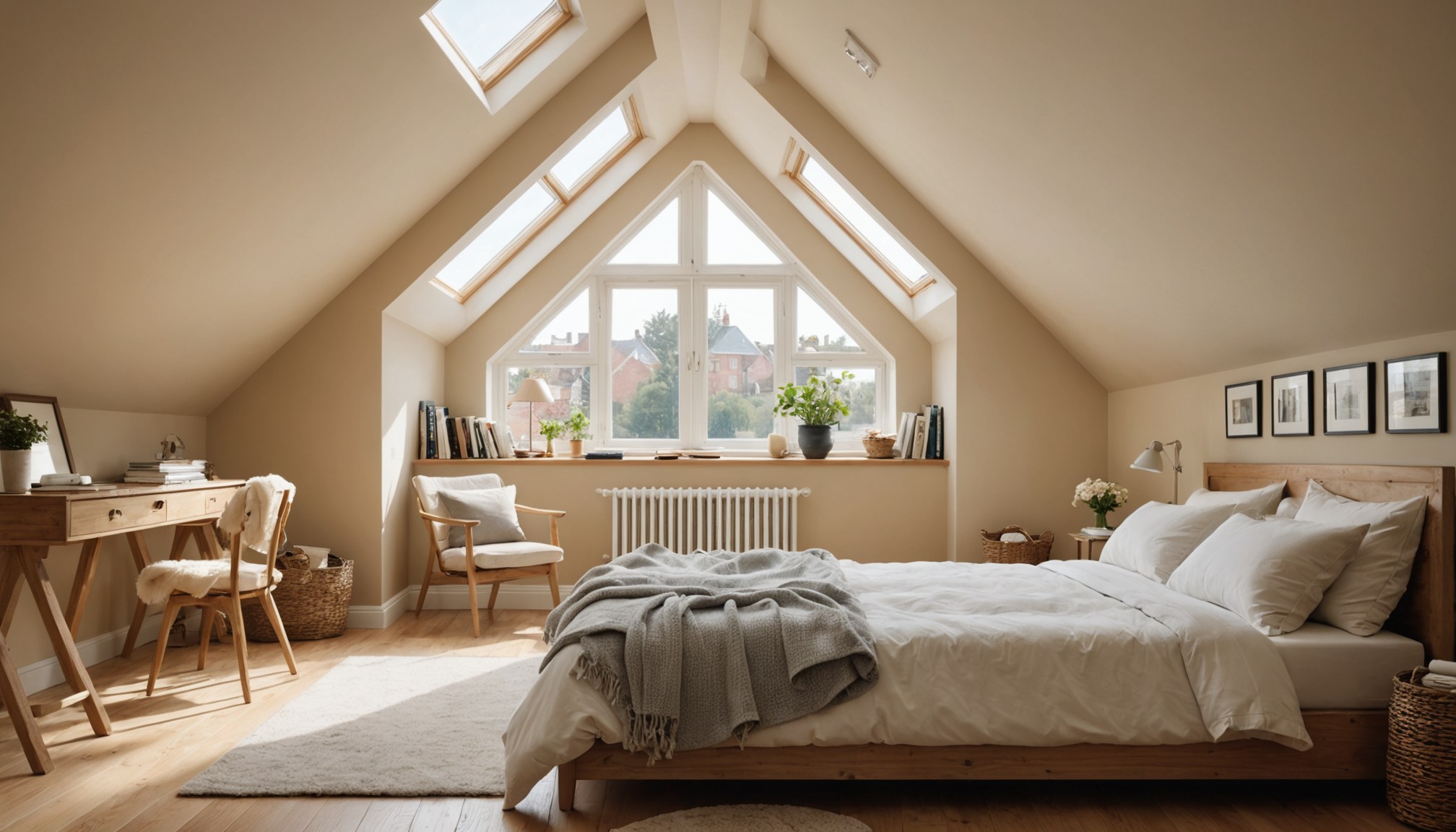 When renovating your attic, ensuring it is properly insulated can make a significant difference in terms of comfort and energy efficiency. Attics are often susceptible to fluctuating temperatures, which can impact the overall comfort of your home as well as energy costs. Proper insulation helps maintain a consistent temperature, preventing excessive heat loss in winter and heat gain in summer.
Here’s a step-by-step guide to insulating your attic for maximum comfort:
- Assess the Current Insulation: Start by examining the existing insulation in your attic. Check for any areas that are inadequately covered or where the insulation appears old and ineffective. Common insulation materials used in attics include fiberglass batts, blown-in cellulose, and spray foam.
- Choose the Right Insulation Material: Consider the different types of insulation materials available:
- Fiberglass Batts: These are affordable and easy to handle in DIY projects. They fit well between standard joist and rafter spacing, though they may require additional installation steps to ensure maximum coverage.
- Blown-In Cellulose: Ideal for filling irregular or hard-to-reach spaces, this material is effective for comprehensive coverage. However, it might require professional equipment for installation.
- Spray Foam: This offers high insulation value and provides an air-tight seal, making it ideal for preventing air leaks. Hiring pros is often recommended due to the technical nature of spray foam installation.
- Calculate the Required Insulation Thickness: Insulation is measured by its R-value, indicating the material’s resistance to heat flow. The higher the R-value, the better the insulation. Check your local building codes or consult with a professional to determine the recommended R-value for attic spaces in your area.
- Seal Air Leaks: Before installing new insulation, it’s crucial to seal any air leaks. Common leak areas include around windows, vent pipes, and ducts. Use caulking or spray foam to effectively seal any gaps and cracks, improving the overall airtightness of your attic.
- Install the Insulation: Follow specific instructions based on the type of insulation you’ve selected:
- For Fiberglass Batts: Lay the batts between joists and around obstructions, ensuring they fit snugly without compressing. It’s important to wear appropriate safety gear, such as a mask and goggles, to protect against fiberglass particles.
- For Blown-In Insulation: Use a blower to distribute the insulation evenly across the attic floor, ensuring it reaches all corners and crevices.
- For Spray Foam: Apply the foam in layers, allowing each to expand before adding the next, ensuring even coverage and desired thickness.
- Check for Proper Ventilation: Proper ventilation is essential to prevent moisture buildup and to extend the life of your attic’s insulation. Ensure that soffit vents, ridge vents, or gable vents are unblocked and functional.
- Inspect and Maintain: Regularly inspect your attic insulation for signs of wear or damage and address issues promptly to maintain its effectiveness. An expert can perform energy audits or a thorough inspection to ensure your attic remains optimally insulated.
Taking the time to insulate your attic properly can significantly increase your home’s comfort and cut down on your energy bills. Whether you’re undertaking this as a DIY project or hiring pros, prioritizing insulation in your attic renovation plan is crucial for a cozy, energy-efficient home.
Optimizing space with storage solutions
When you decide to renovate your attic, optimizing space with innovative storage solutions is a game-changer, transforming an often cluttered or underutilized room into a well-organized and functional area of your home. Utilizing smart storage options not only maximizes the available space but can also dramatically enhance the versatility and appeal of your attic.
Start with a strategic layout plan that considers the unique shape and dimensions of your attic. Sloped ceilings and oddly angled walls can pose a challenge, but they also offer opportunities for creative, custom storage solutions tailored to fit the space perfectly. Customized shelving, for example, can be designed to navigate around these architectural quirks, providing ample storage without encroaching on precious space.
Consider built-in storage options, such as drawers or compartments tucked into the eaves or along the attic’s perimeter. These integrated designs make efficient use of otherwise wasted areas and maintain an uncluttered, streamlined aesthetic. Installing floor-to-ceiling shelving can also add significant storage capacity, especially when you include adjustable shelves to accommodate items of varying sizes—perfect for everything from books and files to seasonal decor.
If you’re a fan of DIY projects, constructing simple, open shelving units can be an economical way to increase storage while adding a personal touch to the space. Alternatively, if precision is key and the budget allows, hiring pros for custom cabinetry is advisable to achieve a high-quality, durable finish that seamlessly blends with the rest of the attic’s decor.
Multi-level storage systems are another effective approach, creating layers of functionality. Think about incorporating loft-style beds with built-in drawers underneath or stairs with pull-out compartments. These dual-purpose features not only maximize space usage but also add unique character and charm to your attic renovation.
Investing in modular furniture can also serve a dual purpose, offering flexibility and convenience. These adaptable pieces can be reconfigured as needs change, providing longevity and adaptability as the function of your attic evolves over time. For instance, a modular sofa with hidden compartments or stackable storage cubes can easily transition from a family entertainment area to a guest suite, proving their worth in multifunctional designs.
Pegboards and wall-mounted organizers present additional vertical storage opportunities, keeping floors clear and adding a dynamic visual element to the attic. When combined with baskets or hooks, these solutions can efficiently hold office supplies, crafting essentials, or even gardening tools. By utilizing walls wisely, you can maintain a spacious atmosphere, free from floor clutter.
Don’t forget to make the most of the attic’s flooring. Incorporating under-floor storage options can be particularly advantageous in spacious attics, where access panels hidden beneath floorboards provide discreet storage perfect for seldom-used items.
By implementing these strategies, you can transform your attic into a practical and aesthetically pleasing haven. The right storage solutions, whether DIY or professionally installed, will ensure your renovated attic meets both your functional needs and design tastes, making it a valuable and integral part of your home.
Incorporating multifunctional furniture
When it comes to renovating your attic, the choice of furniture plays a pivotal role in determining the functionality and appeal of the space. Multifunctional furniture is an absolute game-changer in this regard, as it brings versatility and space-saving solutions to one of the most unique areas of your home. These pieces are not only practical but also add a layer of sophistication to your attic’s design.
When selecting multifunctional furniture, start with an assessment of the types of activities your renovated attic will accommodate. Whether it’s a cozy reading nook, a vibrant playroom, or a guest suite with a dash of privacy, tailored furniture options can cater to varying needs. Consider investing in a sofa bed or a daybed, which can convert a family space into a guest room in a moment’s notice. This flexibility is not only practical but ensures your attic can adapt to changing lifestyle demands over time.
A popular option for multifunctional furniture is the use of modular seating arrangements. These items can be reconfigured to suit different occasions—ideal for a space like the attic, where adaptability is key. Equally, consider pieces with built-in storage, such as ottomans with hidden compartments or tables that double as desks. These elements provide invaluable storage solutions while maintaining a clean, streamlined appearance.
Another innovative choice is a Murphy bed, which folds away when not in use, freeing up precious floor space. Combined with fold-down desks or wall-mounted shelves, you can transform your attic into a versatile hybrid of workspace and relaxation area. Installing foldable or stackable chairs complements this setup, enhancing the room’s ability to shift seamlessly from one function to another.
For those who enjoy a touch of DIY in their renovation projects, constructing custom furniture solutions offers a chance to personalize the attic’s design. Building a bespoke fold-away workstation or a convertible shelf unit provides both functionality and a personal touch. Plus, tackling these projects yourself allows for a tailored fit to your attic’s specific dimensions and style preferences.
However, if you seek a polished, professional finish, hiring pros to design custom multifunctional furniture might be the optimal route. A professional’s insight can introduce more sophisticated mechanics—such as built-in hydraulic systems for seamless furniture transformation—which may be more challenging in a DIY context.
Incorporating these transformative pieces not only elevates the practicality of your attic but also enhances its aesthetic charm. By integrating multifunctional furniture, you ensure that your renovated attic is both highly functional and visually appealing, ready to meet any of your family’s needs now and in the future.
Enhancing aesthetics with finishing touches
As you transform your attic into a functional and enjoyable space, attention to aesthetics through strategic finishing touches is crucial. These enhancements not only elevate the overall look but also create a welcoming environment you’ll love spending time in. Consider beginning with the color palette. Opt for light, neutral tones to make the space feel larger and more open, or use bold accents to add character without overwhelming the senses.
Next, pay close attention to the trickier aspects of attic architecture, such as sloped ceilings and awkward corners. Use these features to your advantage by integrating them into your design. Add wainscoting or beadboard to sloped areas for a cozy, cottage-like feel, or incorporate bold wallpapers or accent paints to create visual interest in nooks and crannies.
Flooring is another critical component of attic aesthetics. Choose materials that complement the rest of your home—from warm hardwoods to plush carpets—and add texture or area rugs for layering and comfort. Ensure the flooring is durable, especially if the attic will host high traffic areas or heavy furniture.
Lighting can transform an attic’s ambiance significantly. Beyond natural light, incorporate a mix of ambient, task, and accent lighting to suit various needs. Pendant lights or chic chandeliers can add a touch of elegance, while LED strip lights along exposed beams or built-in shelves can provide a sleek, modern aesthetic.
Accessorizing is where your attic can truly shine. Hang artwork or family photos to personalize the space and make it feel like an extension of your home. Mirrors also serve as excellent decor pieces, adding dimension and reflecting light to enhance brightness. Choose furnishings that mirror your style, be they bohemian, rustic, or minimalist, and sprinkle in elements like throw pillows, cozy blankets, or indoor plants to introduce warmth and liveliness.
Ultimately, finishing touches should reflect your personal taste and how you intend to use the attic. From DIY projects to hiring pros for custom solutions, these detailed enhancements will ensure your attic renovation is both a practical upgrade and a style statement. Embrace the creative potential of your attic and transform it into a space that not only meets your functional needs but also enriches your home’s overall character.
With these thoughtful renovations, your attic can become a dynamic and inviting part of your home. By strategically maximizing natural light, ensuring comfort through insulation, using clever storage solutions, incorporating versatile furniture, and adding aesthetic finishes, you’ve transformed a once-overlooked area into a valuable, multifunctional space. Whether you’re tackling this project yourself or hiring pros for that perfect touch, your attic now serves as a testament to the beauty and functionality of home reinvention.