Power washing, also known as pressure washing, plays a critical role in property maintenance. It’s much more than just a method to improve aesthetics; it serves as a preventive measure to protect various surfaces from damage and extend their longevity. Through the application of high-pressure water spray, power washing effectively removes dirt, grime, mold, mildew, chewing gum, and pollutants that accumulate over time.
One of the primary benefits of power washing is its ability to enhance curb appeal. A clean exterior offers a more inviting and respectable appearance that can significantly impact property value. For homeowners looking to sell, a neat facade can make a difference by attracting potential buyers who often base their first impression on exterior appearance.
Moreover, power washing is pertinent for the preservation of building materials. Residues such as mold and mildew can cause surfaces like wood, vinyl, and brick to deteriorate prematurely. By regularly removing these harmful substances, you are not only keeping your property looking its best but also preventing costly repairs or replacements down the road. For instance, the treatment can halt the rot of wooden patios or the rusting of metal railings, which, if neglected, would eventually compromise their structural integrity.
Power washing is also instrumental in maintaining the health and safety of your property. Surfaces covered in mildew or algae can become slippery, posing significant slip hazards. Reducing these risks not only protects residents and visitors but also limits potential liability concerns.
Additionally, power washing helps to preserve the longevity of your property’s paint and coatings. By removing dirt and contaminants, you enable paint to adhere better, preventing premature cracking and peeling. This maintenance step ensures that your property’s exterior coatings last their intended lifecycle, saving you the hassle and expense of frequent repainting.
- Removal of harmful substances like mold, mildew, and algae
- Increase in property value and curb appeal
- Preventative care for building materials
- Enhanced safety by reducing slippery surfaces
- Protection of paint and coatings from cracking and peeling
Considering these benefits, it’s clear that power washing is an essential component of comprehensive property maintenance strategies. While it may seem like a secondary consideration amidst other home care tasks, its contribution to both the aesthetic appeal and long-term health of a property is undeniable.
To illustrate the effectiveness of power washing compared to other surface cleaning methods, consider the following comparison table:
| Method | Effectiveness | Surface Compatibility | Time Required |
| Power Washing | High | Concrete, wood, metal, and other durable surfaces | Short |
| Manual Scrubbing | Medium | All surfaces, but labor-intensive | Long |
| Chemical Cleaners | Varies | Depends on chemical used; potential surface damage | Medium |
Ultimately, power washing emerges as a superior cleaning method, notable for its efficacy and efficiency, making it an integral component of regular property maintenance routines.
Key factors in determining frequency
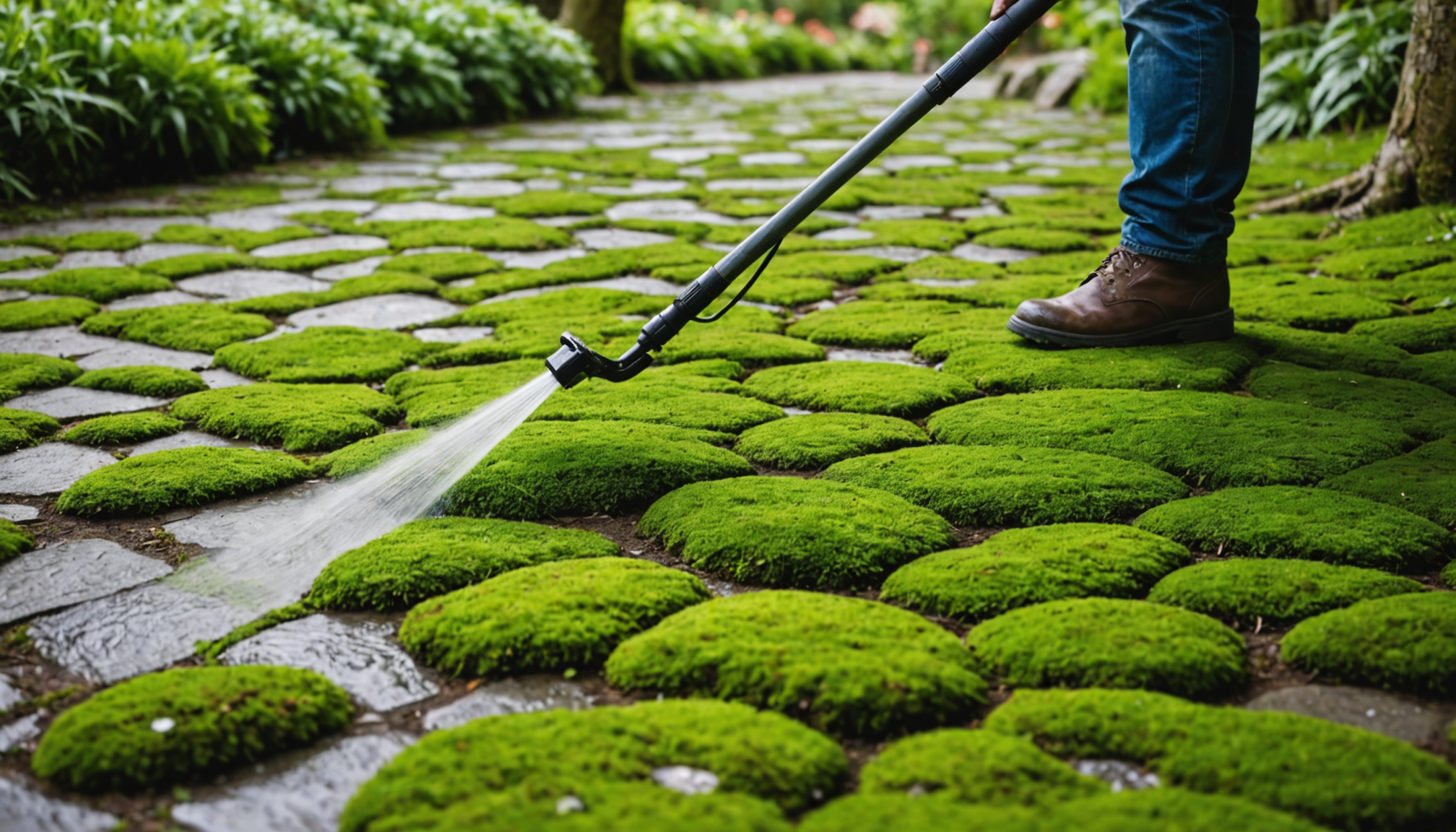 When deciding how often to power wash your property, several key factors play a significant role in determining the right frequency. Understanding these factors helps in strategizing an effective maintenance routine that ensures the longevity and aesthetic appeal of your property.
- Climate and Weather Conditions: Properties in areas with harsh weather conditions—such as heavy rainfall, high humidity, or snow—require more frequent power washing. These conditions contribute to faster accumulation of mold, mildew, and grime. Conversely, properties in dry, mild climates may require less frequent cleaning.
- Location: If your property is situated near a major road or industrial area, it might be more prone to dirt, dust, and pollutants. In such cases, the frequency of power washing should be increased. Similarly, coastal properties endure salt air exposure, which can lead to rapid deterioration if not regularly maintained.
- Material of Surfaces: Different materials withstand elements differently. For instance, wood siding may require more frequent power washing compared to brick or vinyl to prevent damage from moisture retention and mold growth. Knowing the material and its susceptibility to environmental factors will guide how often it should be cleaned.
- Foot Traffic and Usage: High traffic areas such as walkways, patios, or driveways may accumulate dirt and debris quickly and thus benefit from more frequent washing. In contrast, seldom-used areas might not need regular attention.
- Landscaping Elements: Trees, shrubs, and other greenery close to your property can lead to additional grime and organic debris accumulation. This is particularly true if leaves, sap, or pollen frequently land on the exterior surfaces, necessitating a more regular cleaning schedule.
- Aesthetic Preferences: Homeowners valuing pristine appearances year-round may choose to power wash more often to maintain the desired look. Similarly, preparing for events such as home sales or social gatherings can prompt an extra session.
Being mindful of these factors allows property owners to tailor power washing schedules that not only preserve the beauty and structural integrity of their spaces but also cater to specific environmental and personal needs. By evaluating these criteria, a customized and efficient cleaning regime is achievable, ensuring your property’s endurance and charm for years to come.
Recommended power washing schedule by surface type
When it comes to developing a strategy for maintaining the cleanliness and appearance of your property, aligning the power washing schedule with the type of surface is paramount. Not only does this approach maximize the lifespan of various materials, but it also ensures effective removal of contaminants while preventing potential damage caused by improper cleaning techniques.
Concrete and Asphalt: These surfaces are among the most durable materials and can withstand more frequent power washing. Driveways, sidewalks, and patios generally need to be cleaned once a year to eliminate oil stains, mold, and algae that accumulate but may benefit from biannual cleaning in areas with harsher weather conditions or high foot traffic.
Brick: Although durable, brick surfaces require careful handling because high pressure can erode the mortar joints. Ideally, brick exteriors should be power washed every three years. However, more frequent cleaning may be necessary if moss or mildew is prevalent, especially in humid regions.
Wood: Wooden decks and siding require a gentler touch. To avoid splintering and damage, it is advisable to use a lower pressure setting. These surfaces should generally be cleaned once a year to prevent wood rot and maintain their appearance, but if the region is prone to heavy rain, more frequent cleaning might be needed.
Vinyl: Vinyl siding and similar surfaces are relatively low maintenance and can handle power washing well. Cleaning once every two to three years is typically sufficient to remove dust, green algae, and mold. However, homes located in particularly dusty areas or those near to busy roads may need more frequent attention.
Stucco: Known for its delicate composition, stucco should be washed with low pressure to prevent chipping. Every five years is usually appropriate, but properties in coastal or excessively moist climates might require closer attention to prevent salt or moisture damage.
Metal: Metal surfaces, like those on roofs or fences, benefit from annual cleaning to prevent rust and corrosion. Protective coatings should also be checked and renewed if necessary to keep the metal looking its best and to extend its lifespan.
Having a well-informed power washing schedule that caters to the specific needs of different surfaces not only preserves the aesthetic appeal of your property but also minimizes maintenance costs over time. By adopting a strategic approach to cleaning, you ensure that each surface receives the appropriate care tailored to its material properties and environmental exposure. It guarantees a harmonious balance between cleanliness, safety, and material preservation, ultimately contributing to the structural integrity and attractiveness of your property.
Signs that your property needs power washing
While it might be easy to overlook, recognizing the signs that indicate your property is due for a power washing can save you from more significant problems down the road. Not every surface will clearly show when it’s time for thorough cleaning, so keeping an eye out for specific indicators can help preserve both the appearance and structural integrity of your property.
First, visual clues are often the most apparent signs. The sight of dirt, grime, or unsightly stains on surfaces like driveways, sidewalks, or your home’s siding can signal the need for power washing. Additionally, if you notice green or black streaks, these are likely algae, mold, or mildew formations that cling to surfaces and worsen if left untreated. Such biological growth not only detracts from curb appeal but can also pose health risks by contributing to allergy triggers and respiratory issues.
Another sign is an unexpected change in the texture of surfaces. Concrete or wooden decking that feels slippery underfoot suggests an accumulation of organic matter like moss or algae. These slippery surfaces present significant safety hazards, especially when wet, increasing the risk of slips and falls. Regular power washing removes these areas of concern, ensuring safer grounds for residents and visitors.
Fading colors on painted or finished surfaces can also be indicative of buildup. When layers of dirt and grimy residues settle, they dull the natural vibrancy of paint and can even contribute to cracking and peeling over time. Spots on vinyl or siding where the color seems off but can’t be cleaned with a simple scrub should be addressed with a more robust cleaning solution like power washing.
Inspecting the status of gutters can also provide insight into whether a wash is warranted. Clogged or overflowing gutters filled with debris, mold, or visible dirt marks along the eaves of your roofline suggest that your property could benefit from a thorough pressure cleaning. Blocked gutters can lead to water damage, which might affect the structure of your home and require costly repairs.
Moreover, if you’ve recently completed renovations or landscaping changes, lingering construction dust or soil may require a comprehensive cleaning to ensure all surfaces are returned to their best condition. This ensures that the newly upgraded areas don’t immediately start aging prematurely due to leftover residue.
Lastly, don’t forget to factor in unwanted odors. Persistent musty or earthy smells often accompany significant mildew or mold growth hidden in less obvious spots, such as under eaves or behind shrubs that are close to the building.
Keeping these signs in mind throughout the year allows you to effectively schedule power washings. By doing so, you will not only maintain the aesthetic and value of your property but also alleviate potential safety risks and costly repairs in the future. A proactive approach ensures that your property remains in top condition, appealing to both residents and visitors alike.
Avoiding common power washing mistakes
When undertaking a power washing project, several pitfalls can lead to less than desirable results and even potential damage to your property. Avoiding these common mistakes ensures that power washing remains an effective and safe method for maintaining your home.
Firstly, using the incorrect pressure setting is a frequent error. High pressure might seem appealing for quick results, but it can damage surfaces like wood, stucco, or delicate sidings. Always start with a lower setting and gradually increase the pressure as needed, ensuring that the surface can withstand the force without being damaged.
Another common mistake is using the wrong type of nozzle. Different nozzles create different spray patterns, each suitable for specific tasks. A narrow spray pattern provides more pressure and is ideal for tough stains on durable surfaces, while a wider pattern should be used for more fragile materials. Selecting the appropriate nozzle helps achieve the desired cleaning without causing harm.
Over-saturating surfaces is another risk, particularly with porous materials. Excessive water can seep into crevices and lead to mold, rot, or other damage. Instead, keep the spray moving and avoid lingering on one spot to prevent soaking the material.
Failing to prep the area adequately before starting can also impede your efforts. Obstacles like furniture, decorations, or plants might obstruct the cleaning path or become damaged. Clear the surrounding area, and cover plants or items that could be affected by the spray or detergent.
Ignoring the importance of safety is yet another mistake. Power washers can cause injury if not used properly. Always wear protective gear such as gloves, goggles, and sturdy footwear to safeguard against the powerful spray and any debris it may dislodge. Be aware of electrical hazards, and avoid power washing near outlets or wiring unless you’re using a machine specifically designed for such conditions.
Improper use of detergents is also problematic. Choose a cleaning agent that suits the type of grime you’re dealing with and is safe for the material you are cleaning. Follow manufacturer instructions closely for both the detergent and the power washer to ensure safe application and adequate rinsing, preventing residue or damage.
Finally, embarking on a DIY power washing project without proper knowledge can lead to costly mistakes. If you feel uncertain about any aspect of the job, it might be wise to consult or hire a professional. Experienced professionals can assess your property’s needs and perform power washing efficiently and safely.
By avoiding these common pitfalls, you can maximize the benefits of power washing and enhance the longevity and appearance of your property. Proper technique, equipment, and safety measures ensure that power washing remains a valuable part of your property maintenance routine.
In conclusion, determining how often to power wash your property requires careful consideration of multiple factors like climate, surface type, and visible signs of dirt or wear. Proper planning and technique, combined with vigilance for indications of dirt buildup, ensure that power washing is effectively integrated into your regular maintenance schedule. By avoiding common mistakes and possibly consulting experts, you can preserve and enhance the value and aesthetic of your property, making it both a welcoming home and a wise investment.