Maintaining the aesthetic appeal of your home’s outdoor spaces hinges significantly on the care provided to decks and patios. These areas frequently become the focal point of outdoor entertainment and relaxation, which is why keeping them in pristine condition is paramount. Power washing, when executed correctly, can restore decks and patios to their original splendor by effectively removing dirt, mold, mildew, and other unsightly residues that accumulate over time.
Decks, composed of materials such as wood or composite, require careful consideration before power washing. Wooden decks, for instance, can be particularly vulnerable to high-pressure water, as the force might damage the wood fibers, leading to splintering or surface degradation. It’s essential to use an appropriate pressure setting and a fan tip nozzle to distribute the water evenly, minimizing the risk of damage. Treated wood surfaces might handle power washing better due to their protective coatings, but it’s always advisable to test a small, inconspicuous area first.
Composite decks, on the other hand, are typically more resilient to power washing. These surfaces, created from a blend of plastic and wood fibers, resist rot and insect damage, and they usually withstand a higher pressure setting. Nonetheless, power washing should still be performed with care to avoid cosmetic damage and ensure long-term durability.
Patios, constructed from a variety of materials such as concrete, brick, or stone, also benefit immensely from power washing. Concrete patios are especially known for absorbing dirt and stains, which can be stubborn to remove with traditional cleaning methods. Power washing offers a deep clean that can return the surface to its original color and texture without the need for harsh chemicals. However, employing the right pressure and technique is critical to avoid etching or surface erosion.
| Surface Type | Pressure Level Advice | Cleaning Precautions |
|---|---|---|
| Wood Deck | Low, around 500–600 psi | Use a fan nozzle; avoid lingering in one spot |
| Composite Deck | Medium, up to 1500 psi | Ensure even strokes; test spot first |
| Concrete Patio | High, about 3000 psi | Utilize a surface cleaner attachment |
| Brick/Stone Patio | Medium, 1000–2000 psi | Test on bricks or stones; avoid grout points |
In addition to choosing the correct pressure settings, it’s vital to consider the timing and environmental conditions when power washing decks and patios. Performing this task during dry weather conditions ensures rapid drying, preventing mold or mildew growth. Furthermore, power washing should be scheduled adequately before application of any sealants or finishes, allowing surfaces to dry thoroughly first.
Given these considerations, power washing renders decks and patios not only visually appealing but also extends their lifespan by removing contaminants that contribute to decay. By integrating this efficient cleaning method into regular maintenance routines, homeowners can enjoy lasting beauty and functionality in their outdoor environments.
Driveways and walkways
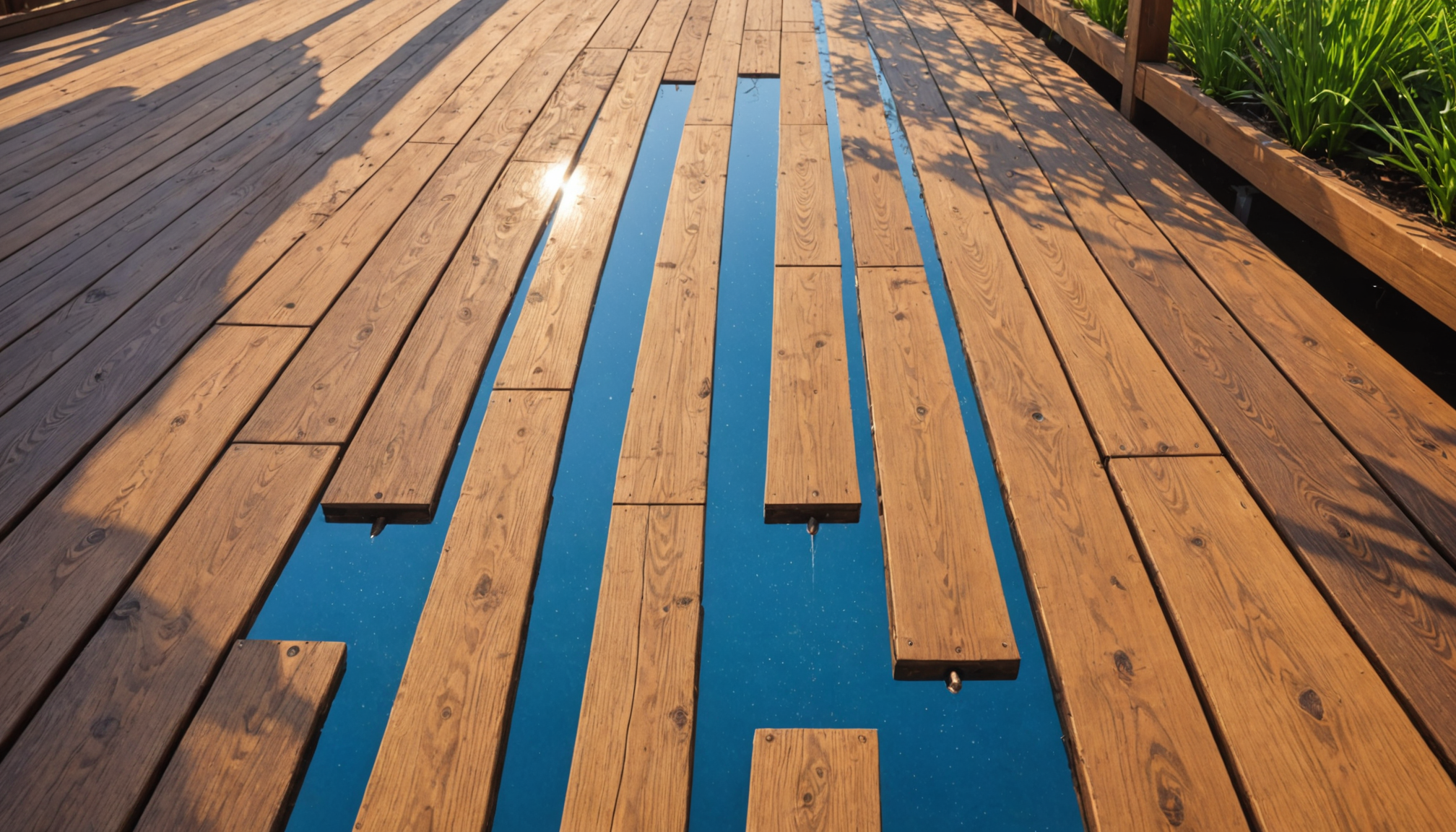 Power washing driveways and walkways can significantly enhance the curb appeal of your home, while also maintaining the structural integrity of these frequently used surfaces. These areas are often the first to accumulate grime, oil stains, algae, and even moss, especially in shaded conditions or regions with high humidity. As such, they demand periodic attention to preserve their functionality and appearance.
To power wash driveways and walkways effectively, follow these steps:
- Preparation and Safety: Before starting, clear the area of any obstacles such as cars, toys, and outdoor decorations. Safety is paramount, so wear protective gear including goggles, gloves, and non-slip footwear to avoid injury. Additionally, check for any electrical connections nearby and ensure they are weatherproof or turned off.
- Select the Right Equipment: Choose a power washer with adequate pressure capabilities. For concrete driveways, a high pressure washer with a setting of around 3000 psi is usually recommended. Paved walkways, on the other hand, may require a slightly lower setting, typically between 1500 and 2000 psi, to prevent shifting or damage to the pavers.
- Apply a Cleaning Solution: Start by applying a suitable cleaning solution to the surface. This helps to break down tough stains such as oil, grease, or persistent organic matter. Allow the solution to sit for 5-10 minutes, giving it time to effectively penetrate the dirt without drying out.
- Begin Power Washing: Attach a 25-degree fan tip to your pressure washer, which offers enough force to clean effectively without causing damage. Hold the nozzle at a consistent distance, approximately 8-12 inches from the surface, and maintain a steady, sweeping motion to ensure even cleaning and avoid streaks.
- Focus on Stubborn Stains: For particularly stubborn stains, you might need to go over the area a few times or use a more concentrated cleaning solution. Avoid pointing the nozzle directly at one spot for an extended period as this could etch the surface.
- Rinse Thoroughly: Once all areas have been adequately cleaned, rinse the surface thoroughly to remove any residue from cleaning solutions. This prevents any chemical build-up that could lead to discoloration over time.
- Drying and Sealant Application: Allow the driveways and walkways to dry completely. This could take a few hours depending on weather conditions. Once dry, consider applying a sealant to concrete surfaces to protect against future stains and enhance longevity.
By systematically following these directives, you ensure that your driveways and walkways remain clean and welcoming, contributing positively to the overall aesthetic and value of your property. Power washing on a regular basis, ideally bi-annually or in response to noticeable build-up, is a proactive approach to exterior maintenance, ensuring that these pathways remain safe and visually pleasing.
Exterior siding
Keeping the exterior siding of your home clean is crucial not only for aesthetic reasons but also for maintaining the structural integrity of the building. Over time, dirt, grime, mold, and mildew can accumulate on the siding, causing it to look dull and potentially damaging the material if left unchecked. Power washing provides a highly effective solution to restore the siding’s appearance and help prevent long-term damage.
One of the chief advantages of power washing exterior siding is its ability to promptly eliminate undesirable elements like mold, algae, and mildew. These organisms can lead to unsightly stains and even degrade the material, particularly in areas with high humidity or frequent rainfall. By regularly power washing your siding, you can effectively remove these growths and safeguard your home’s exterior from further infestation. Regular cleaning also reduces the risk of allergies and improves air quality around your home, as mold spores and allergens are washed away.
Moreover, power washing is a time-efficient method of cleaning large surface areas. Unlike manual scrubbing, which can be labor-intensive and inefficient, a power washer can swiftly cover the expanse of the siding, removing dirt and build-up with ease. For homeowners looking to rejuvenate their property’s appearance quickly and with minimal effort, power washing stands out as an optimal choice.
When power washing siding, it is essential to use the appropriate pressure setting to prevent damage. For most vinyl sidings, a setting between 1300 and 1600 psi is generally sufficient to remove grime without compromising the surface. However, with more delicate materials such as wood or older, more fragile siding, it may be necessary to opt for a lower pressure to prevent chipping or cracking the finish.
In addition to pressure settings, the use of a wide spray pattern and maintaining a consistent distance while cleaning is key to ensuring thorough and even results. Typically, holding the nozzle about 3-4 feet away from the siding is recommended, adjusting as necessary to achieve optimal cleaning power without risking damage. A broad spray angle, such as a 40-degree tip, is commonly used to cover a large area without concentrating pressure too intensely on a particular spot.
For particularly stubborn dirt or stains that resist standard cleaning, applying a cleaning detergent specifically designed for siding can help break down tough build-ups. These solutions are specially formulated to target and dissolve organic growths and pollutants without harming the siding material.
Ensuring regular maintenance of the exterior siding with power washing not only enhances curb appeal and home value but also extends the lifespan of the siding material. Setting a routine cleaning schedule, ideally every 1-3 years depending on environmental exposure, is recommended to keep your home looking its best and to stave off potential repair costs down the line.
With proper technique and regular care, power washing can be an invaluable tool in maintaining the beauty and health of your home’s exterior, ensuring that the siding continues to protect and showcase your abode for years to come.
Fences
Maintaining your fence not only enhances the overall appearance of your property but can also extend the life of this crucial boundary structure. Fences are consistently exposed to the elements, leading to the accumulation of dirt, mold, mildew, and algae, particularly in areas with high moisture or shade. Power washing is an effective method to revitalize your fence, bringing back its original charm and ensuring its structural soundness.
To start, it’s important to determine the type of material your fence is made of, as this will guide the settings and techniques used. Wooden fences, for instance, present unique challenges. While power washing can effectively remove built-up grime, excessive pressure can damage wooden surfaces by causing splintering or removal of protective coatings. For wooden fences, using a pressure setting of around 500 to 600 psi is typically sufficient to clean without harming the wood. A fan tip or 25-degree nozzle is recommended to spread out the force and mitigate the risk of damage.
Before power washing, inspect the fence for any loose boards or nails, and make sure to secure or replace them as needed. Also, consider applying a suitable wood cleaner beforehand to help loosen dirt and stains. Apply the cleaner and let it sit for a few minutes before you begin pressure washing. This step ensures that even the most stubborn spots are eliminated effectively.
As you wash, maintain a consistent distance between the nozzle and the fence, typically 1-2 feet away, to control the force and ensure uniform cleaning. Move the wand in a consistent, sweeping motion, allowing the water to wash away dirt without concentrating too long on a single area, which might otherwise lead to uneven wear or damage.
Vinyl fences, in contrast, can generally handle higher pressure settings, up to about 1800 psi, due to their durable material. They also tend not to have the same vulnerability to water retention as wood, making power washing a faster and more straightforward task. Nonetheless, it’s important to avoid applying too much pressure on joints or ends to prevent any potential distortion.
For metal fences, such as those made from aluminum or wrought iron, the primary concerns include rust removal and prevention. A pressure setting of around 2000 psi is usually adequate, and using an appropriate rust-removal solution beforehand can aid in breaking down any corroded spots. After washing, ensure the fence is thoroughly dried to prevent future rust issues, particularly if the paint has worn away to expose metal.
Incorporating power washing into regular maintenance of your fences can prolong their lifespan significantly by preventing buildup and enabling you to spot potential issues early. A routine wash every one to two years is typically sufficient to keep fences looking fresh and performing well. Remember, post-wash applications of protective sealants or paints on wooden or metal fences can further safeguard against environmental damage, ensuring your fence remains not only a functional barrier but also an aesthetically pleasing feature of your outdoor space.
Outdoor furniture
Outdoor furniture often sits exposed to the elements, making it susceptible to accumulating dirt, grime, mildew, and even bird droppings, all of which can degrade both its appearance and structural integrity over time. Regular power washing can revitalize your outdoor furniture, providing it with a refreshed look and extending its usability and lifespan.
Before power washing outdoor furniture, it’s crucial to assess the material. Furniture made from wood, plastic, metal, or composite each requires different consideration to prevent damage during the cleaning process.
For wooden furniture, use a low-pressure setting, around 500-600 psi, to avoid splintering or gouging the wood. Begin by applying a wood-friendly detergent, allowing it to sit briefly to loosen soil and stains. A fan tip nozzle is recommended to prevent concentrated pressure that might damage the wood. Maintain a distance of about 2-3 feet from the surface while washing, moving the spray in smooth and even strokes to ensure a thorough clean without streaking. Once clean, let the furniture dry thoroughly and consider applying a protective wood sealant to help guard against future weathering and stains.
Plastic and resin furniture is generally more resilient, often allowing for medium pressure settings of up to 1500 psi. These materials can handle a slightly closer spray distance, around 1-2 feet, making it easier to remove stubborn grime. Using a mild detergent specifically suitable for plastics may enhance the cleaning process, dissolving tough residues effectively. After washing, it’s crucial to rinse thoroughly to eliminate residue that might attract dirt back to the surface.
For metal furniture, special attention should be paid to rust-prone areas. Begin with a semi-high-pressure setting, around 2000 psi. Using a rust-inhibiting cleaner prior to power washing can help in loosening and removing any oxidation. Rinse thoroughly and ensure complete drying to prevent re-rusting. Following the cleaning, consider applying a rust-resistant finish or paint to bare metal areas to restore shine and protection against future corrosion.
If your outdoor furniture is made from composite materials, they can generally withstand higher pressures up to 2500 psi, due to their durable nature. These often don’t require special detergents, but using one made for outdoor surfaces can boost results by removing built-up dirt and grease more effectively. Always rinse thoroughly and check for areas that might require a more delicate touch-up post-cleaning.
Power washing outdoor furniture not only breathes new life into these pieces but also prevents mold and mildew from spreading, which can lead to unpleasant odors and potential allergic reactions. Incorporating this cleaning method into your seasonal maintenance routine ensures that your outdoor furniture remains inviting and enjoyable for gatherings and relaxation year-round.
In conclusion, power washing presents an efficient and effective method for maintaining various outdoor surfaces, enhancing both their aesthetic appeal and functional lifespan. By carefully adjusting pressure settings, selecting appropriate nozzles, and following material-specific guidelines, you can keep decks, patios, driveways, walkways, siding, fences, and outdoor furniture looking their best. Regular power washing not only improves the appearance but also safeguards against long-term environmental damage, ensuring that these spaces remain beautiful and durable for years to come.