Regularly inspecting your roof for common signs of wear and tear is crucial to maintaining the integrity and longevity of your home. Recognizing these signs early can help prevent costly repairs down the line. A roof, while essential for protection against the elements, is also one of the most vulnerable parts of a house due to its constant exposure. Here are some of the most common indicators that your roof may need attention:
- Shingle Damage: Look for shingles that are curled, cracked, or missing entirely. Damaged shingles can no longer provide the necessary protection against weather damage, leading to potential leaks and moisture intrusion.
- Granule Loss: Over time, shingles may lose granules, visible as bare spots or accumulation in gutters. This granule layer protects the asphalt underneath from UV rays, and when lost, can accelerate the aging process of your roof.
- Sagging Roof Deck: A visible sag in the roof deck can indicate serious structural issues, often resulting from prolonged moisture exposure or weak roofing materials.
- Moss and Algae Growth: While they might seem harmless, moss and algae can trap moisture against the roof surface, leading to potential decay and structural compromise.
- Flashing and Sealant Issues: Inspect the flashing—thin metal strips installed around chimneys, vents, and skylights. Cracked or damaged flashing allows water to seep into your home, leading to rot and interior damage.
- Ventilation Problems: Improper roof ventilation can cause heat and moisture to build up, potentially leading to warped roof boards and compromised insulation.
To further understand how these indicators comparatively affect various roofing materials, consider the table below:
| Roofing Material | Common Signs of Wear | Expected Lifespan (Years) |
| Asphalt Shingles | Granule loss, curling, and cracks | 20-30 |
| Clay Tiles | Cracks or chips | 50-100 |
| Wood Shakes | Splitting, mold growth | 20-40 |
| Metal Roofing | Rust, loose panels | 40-70 |
| Slate | Cracked or broken tiles | 75-200 |
By routinely checking for these common signs of roof wear and tear, homeowners can address minor issues before they escalate into significant problems. Regular maintenance and prompt repairs not only extend the life of the roof but also ensure maximum protection for the home and peace of mind for the homeowner.
tools and techniques for roof inspection
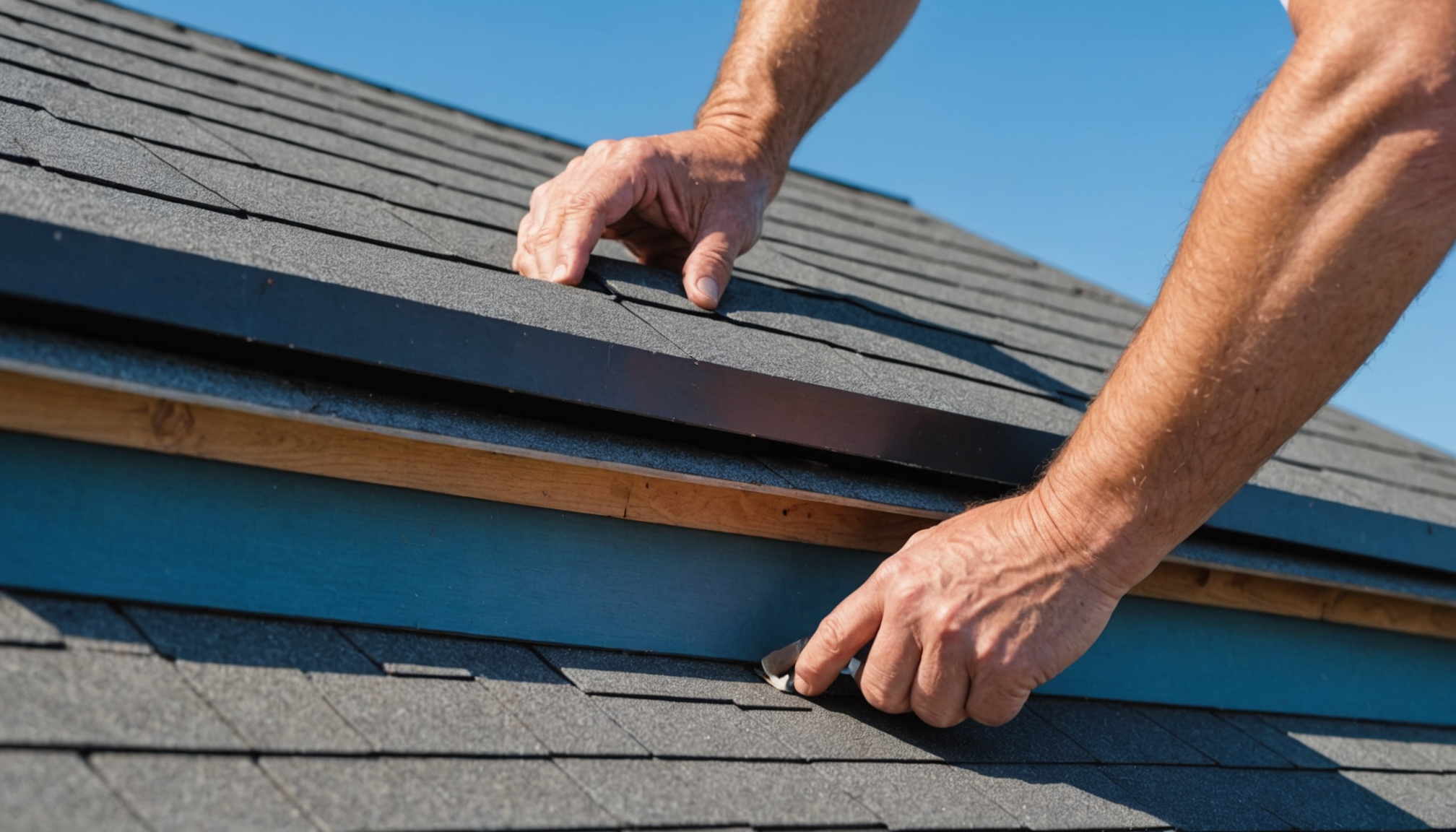 Conducting a thorough roof inspection requires the right tools and techniques to ensure you accurately assess the condition of your roof. Here’s a step-by-step guide on how to effectively inspect your roof, making sure you catch potential issues before they become significant problems:
1. Gather Essential Tools: Before you begin, it’s important to have the right tools on hand. Consider the following items:
– A stable ladder: Ensure it’s tall enough to reach your roof safely.
– Binoculars: Useful for a closer look at areas without having to climb onto the roof.
– Flashlight: Important for checking inside the attic and any shaded or hard-to-see areas.
– Camera or smartphone: To take pictures of any damage for documentation.
– Roofing shoes: Shoes with non-slip soles for better grip and safety on the roof.
– Chalk or a grease pencil: To mark any areas of concern directly on the roof.
2. Start From the Ground: Begin your inspection from the ground with binoculars.
– Walk around your property, using binoculars to check for missing, cracked, or curled shingles.
– Look for sagging areas on the roof and any signs of water pooling.
– Inspect any areas where two sections of the roof connect, as these are prone to leaks.
3. Climb Onto the Roof (If Safe): Only proceed if you feel comfortable and it’s safe to do so.
– Once on the roof, walk carefully and always be aware of your footing.
– Check flashing around chimneys, vents, and skylights for any signs of corrosion or lifting.
– Look closely for granule loss by checking the shingles up close for bare spots.
– Inspect the gutters and downspouts for shingle granules or debris, which may indicate deteriorating shingles.
4. Inspect the Attic: Head into your attic as part of the inspection process.
– Use a flashlight to carefully check the underside of the roof deck for any stains or signs of moisture.
– Look for any signs of sunlight coming through the roof boards, which indicates holes or vulnerabilities.
– Check for mold or mildew, which could suggest poor ventilation and moisture issues.
5. Document Your Findings: While conducting your inspection, it’s helpful to keep a record.
– Take photos of any damage or areas of concern to have a visual record.
– Make notes detailing the location and condition of any problems you discover.
– If you marked any areas with chalk, take clear photos of these as they can serve as reference points for professionals or future inspections.
6. Evaluate Your Findings: After completing your inspection, consider the overall condition of your roof.
– Determine which issues, if any, require immediate attention.
– Consider what repairs you might attempt yourself and where professional assistance might be necessary.
Using these tools and techniques carefully will help ensure that you conduct a comprehensive examination of your roof, leaving you well-equipped to address any necessary repairs. Regular inspections can contribute to a longer lifespan for your roof, ultimately safeguarding your home against more costly damages in the future.
identifying water damage and leaks
Spotting issues related to water damage and leaks as early as possible is essential to protecting the structural integrity of your home and preventing expensive repairs. Being proactive and vigilant can save both the health of your roof and your bank account.
Water stains on your ceiling or walls are telltale signs of leaks but often signify damage that has already been underway for some time. Understanding what to look for both inside and outside your home can help in identifying these problematic areas earlier. Discoloration on your ceiling or walls is a visual cue that water is finding its way into your interior spaces. Pay particular attention to areas around chimneys and vents where flashing might be compromised, as these can be common sources of intrusions.
Outside, one should be on the lookout for signs such as missing or cracked shingles, as water can seep underneath even the smallest cracks. Regularly inspect areas like roof valleys and around skylights, as they are prone to leaks due to the frequent accumulation of water and debris. If you notice shingle granules gathering in gutters, this could suggest that your shingles are deteriorating and may not be adequately repelling water.
Another key aspect of identifying leaks is recognizing the role of humidity and temperature changes in exacerbating water damage. Pay close attention during and after severe weather conditions like heavy rain, thunderstorms, or snow, where the chances of water damage significantly increase. Ice dams, common in colder climates, can build up along the roof edges, preventing proper drainage and forcing melted snow into the roof's underlayment.
Ventilation plays a critical role in combating potential water damage. Adequate airflow prevents moisture build-up within the roof structure, which otherwise can increase the chance of mold, mildew, and eventual rot. Inspect for any signs of mildew on wood structures either in your attic or exterior roofing, as these are indicative of moisture retention. Use a flashlight to identify unfamiliar odor sources, often resulting from water pooling in hidden roof spaces.
Finally, having a moisture meter handy could be a beneficial investment. It allows you to check for unseen moisture in walls and ceilings, even when visible signs are not yet present. Regularly employing this tool will provide an added layer of insight, ensuring that even the smallest leaks can be detected and managed before they evolve into major problems.
By addressing water damage and leaks promptly, not only will you extend the longevity of your roofing materials, but you'll also maintain the overall health of your home's structure. Being detail-oriented in observing these early signs is critical and will help you avoid far-reaching repercussions in the future.
the impact of weather on roofing materials
Weather conditions are one of the most influential factors affecting the lifespan and durability of roofing materials. Understanding these impacts can help homeowners take proactive measures to protect their roofs and prolong their functionality.
One of the most common culprits of roof damage is temperature fluctuations. Extreme heat, for instance, can cause roofing materials to expand, placing stress on shingles and leading to cracks or splits over time. Conversely, extreme cold can cause materials to contract, making them brittle and more susceptible to damage from even minor impacts. Repeated freeze-thaw cycles can exacerbate this issue, particularly with materials like asphalt shingles and clay tiles, leading to cracks and eventual breakage.
Rain and moisture are other significant concerns. Water is a persistent threat, capable of seeping into even the smallest vulnerabilities in roofing materials. Over time, continuous exposure to moisture can lead to rot, mold, and structural degradation. Clay tiles, while generally durable, may develop hairline cracks that enable water infiltration, particularly after heavy rainfall. Furthermore, the weight of accumulated water can strain the roof’s structural components, and if not adequately handled by drainage systems, could cause sagging sections.
Wind is another critical factor, especially during storms. Strong winds can dislodge shingles, tiles, and flashing, creating immediate entry points for moisture. Wind-driven debris can also cause punctures or tears in roofing materials. Metal roofs, while highly wind-resistant, may suffer from loosened fasteners or panel edges, allowing wind to infiltrate beneath the surface. Ensuring that roofing components are securely fastened and inspected after significant wind events can help mitigate these risks.
Hail poses a more acute threat, often causing immediate, visible damage. It can dent metal roofs, fracture clay tiles, and bruise or dislodge asphalt shingles. This type of impact damage can shorten the expected lifespan of the roofing material if not promptly addressed. Material choice can mitigate this; for instance, impact-resistant shingles are designed to withstand hail better than traditional asphalt shingles.
Finally, UV radiation plays a silent but destructive role in weathering roofing materials. Continuous exposure to UV rays causes the gradual degradation of roofing materials, particularly affecting the protective granules in asphalt shingles. This not only accelerates aging but also diminishes the roof’s ability to protect against other weather elements.
In summary, while weather conditions can considerably challenge the integrity of roofing materials, being mindful of such impacts can drive timely maintenance and preventative measures. Regular inspections, post-weather event assessments, and choosing materials suited to your region’s climate can significantly enhance your roof’s resilience. Keeping these factors in mind ensures your roof retains its protective qualities and serves your home effectively for years to come.
when to call a professional roofer
While regular roof inspections and maintenance can go a long way in preserving roof integrity, there comes a time when calling a professional roofer becomes necessary. Recognizing the signs that indicate the need for expert intervention can save you from costly repairs and ensure the safety of your home.
If you notice extensive damage like significant sagging, large patches of missing shingles, or substantial water leaks that you cannot easily determine the source of, these are strong indicators that professional help is needed. Structural problems that affect the roof’s underlying framework require the expertise of a licensed roofer to evaluate the extent of the damage and recommend appropriate solutions.
Another scenario warranting professional assistance is damage resulting from extreme weather conditions such as hailstorms, hurricanes, or heavy snowfall. After a severe weather event, even minor issues can escalate quickly if not properly addressed. A professional roofer will not only assess visible damage but also examine areas that might not be immediately apparent to the untrained eye.
For homeowners who are not comfortable or experienced in performing a thorough roof inspection, calling a professional is always a wise choice. Roofers have specialized tools and safety equipment that allow them to safely and effectively evaluate and repair roof problems. Moreover, roofers can identify issues that may not be obvious to an inexperienced individual, such as subtle signs of wear and aging or hidden moisture damage.
Finally, if your roof is reaching the end of its expected lifespan and showing widespread signs of deterioration, it is prudent to contact a professional. They can determine if a complete roof replacement is necessary and guide you through selecting new roofing materials that best suit your home and withstand local weather conditions.
Engaging a professional roofer not only ensures the roof is repaired correctly, but it also helps maintain the structural integrity and aesthetic appeal of your home. Investing in professional expertise protects your house in the long term, preventing minor issues from evolving into severe problems that could threaten the safety and value of your property.
In conclusion, regularly monitoring the condition of your roof and addressing potential issues early on is key to preventing more serious damage and costly repairs. By identifying common signs of wear, employing effective inspection techniques, understanding the effects of adverse weather, and knowing when it’s time to involve a professional, you can keep your roof in optimal condition for years to come. Proactive care and timely intervention safeguard both your home and your peace of mind, ensuring your roof remains a strong and reliable barrier against the elements.