Before diving into inspecting or maintaining a deck, it’s crucial to have a solid understanding of the materials used in its construction. Different materials come with their own unique sets of characteristics, benefits, and potential issues. By understanding these materials, you can more effectively inspect your deck, determine its current condition, and decide on any necessary maintenance or improvements.
Historically, decks have been constructed using a variety of materials, ranging from traditional woods to modern composites. Each material type not only influences the aesthetic appeal of your outdoor space but also affects its durability and maintenance requirements.
Wood is the most classic deck material and continues to be a popular choice for many homeowners due to its natural beauty and versatility. Options like cedar, redwood, and pressure-treated lumber are commonly used. Cedar and redwood are naturally resistant to decay and insect damage, making them excellent choices for outdoor structures. However, regular staining or sealing is necessary to preserve their look and structural integrity.
Pressure-treated lumber, typically pine, is chemically treated to resist rot, fungus, and insects. It’s more budget-friendly than cedar or redwood but requires more frequent re-treatment to maintain its resilience and appearance. Softwood decking usually has a lifespan of around 15-20 years, given proper maintenance.
Composite decking is a modern alternative, made from a mix of wood fibers and recycled plastic. This material marries the traditional look of wood with the durability and low maintenance advantages of synthetics. Composite decks are resistant to warping, splintering, and are generally impervious to rot. While the initial cost is higher than wood, the long-term savings on maintenance can be significant.
For those looking for durable, low-maintenance options, PVC (polyvinyl chloride) and capped composite decking represent a smart choice. These materials are immune to water-related issues that might affect wood, making them ideal for areas prone to moisture or harsh weather conditions. However, they might lack the authentic appearance some homeowners desire from wooden decks.
| Material | Durability | Maintenance | Cost |
| Cedar/Redwood | High, with care | High | Moderate to High |
| Pressure-treated Lumber | Moderate to High | Moderate | Low to Moderate |
| Composite | Very High | Low | High |
| PVC/Capped Composite | Very High | Low | High |
When choosing a deck material, factors such as climate, budget, aesthetic preference, and willingness to perform maintenance are crucial considerations. Hiring pros to evaluate your site’s specific needs or inspect an existing deck can provide valuable insights that might inform your final decision.
Ultimately, understanding the intricacies of each deck material allows you to make informed decisions whether you’re building a new deck or maintaining an existing one. With the right knowledge, it becomes easier to extend your deck’s life, ensuring that it remains a safe and inviting space for years to come.
identifying common deck issues
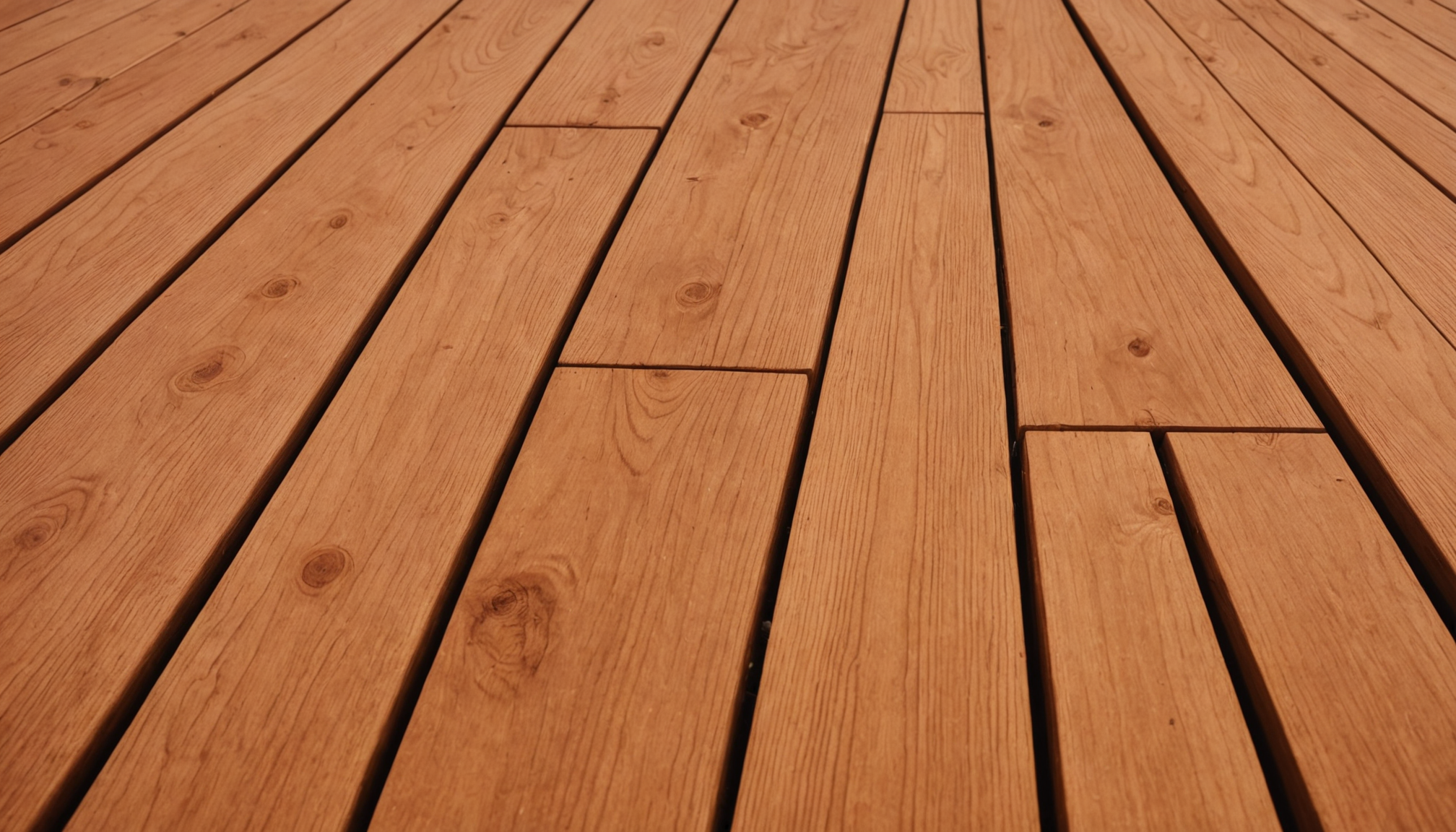 When evaluating your outdoor space, recognizing the typical problems associated with your deck is crucial for maintaining its longevity and ensuring safety. Here’s how you can identify some common deck issues, which vary depending on the material and age of the construction:
1. Wood Rot and Decay:
– Begin by inspecting areas where deck boards meet, particularly around joints and seams. Use a screwdriver to probe the wood; if it feels soft or spongy, there’s a good chance rot has set in.
– Pay extra attention to parts of the deck that are in constant contact with ground moisture or are shaded and don’t dry quickly after rain. These conditions are breeding grounds for decay.
2. Loose or Corroded Fasteners:
– Check screws, nails, and other fasteners, particularly in regions exposed to moisture. Corroded metal can compromise stability.
– Look for signs of movement or wobbling in railings, stairs, and decking boards, as this indicates loosening fasteners or connectors.
3. Cracks and Splinters:
– Inspect the surface for cracks or splinters, which are common in aging wood decks due to exposure to the elements. These can be safety hazards, especially for children and pets.
– Look at the undersides of boards where splits may have formed out of sight, and address these with prompt repairs.
4. Fading and Discoloration:
– Observe any noticeable fading or discoloration in your deck boards. This is often caused by UV exposure and affects wood and composite materials.
– Request advice from pros on whether restaining, sealing, or simply letting the material age naturally is the best course of action.
5. Structural Issues:
– Check for sagging, uneven surfaces, or shifts in deck alignment, which can indicate structural problems. These issues might be the result of foundation settling, ground movement, or inadequate joist support.
– For elevated decks, ensure that posts and framing are secure and haven’t warped or shifted.
6. Insect Infestation:
– Look for signs of insect damage, such as small holes or tunnels in the wood, indicative of termites or carpenter ants.
– Maintain awareness of local pest trends and consult with extermination professionals if persistent infestations are suspected.
7. Water Pooling:
– After rain, check for areas where water tends to pool. Standing water can accelerate rot in wooden materials and might indicate drainage issues.
– Correct any problems with gradient or add drainage solutions, such as installing additional grooves or drainage systems with the assistance of modern tools.
8. Mildew and Mold Growth:
– Inspect for green, white, or black spots on the wood, a sign of mildew or mold, which thrives in damp environments and can make surfaces slippery.
– Treat with appropriate cleaning solutions designed for your deck’s materials. Periodic cleaning can help keep these issues at bay.
By recognizing these potential concerns early on through a thorough inspection, you can avoid costly repairs and maintain your deck’s integrity. Should you encounter overwhelming problems, consider hiring pros to conduct a comprehensive inspection and repair any underlying issues with the necessary expertise. This proactive approach not only preserves the appearance and safety of your deck but ensures it remains a vibrant and functional space for relaxation and entertainment.
step-by-step inspection process
Conducting a thorough inspection of your deck involves a methodical approach to ensure every aspect of the structure is evaluated. Start your inspection by visually examining the entire deck. Look out for any noticeable wear or structural issues that may require immediate attention. It’s essential to be systematic; start from one end and work your way across to cover every inch.
Begin with the deck surface, examining the boards for any cracks, splinters, or signs of wear and tear. Use a screwdriver or a similar tool to gently probe suspicious areas where rot might not be visible on the surface. Check for areas where water tends to pool, as standing water can lead to water damage and compromise the integrity of your deck over time.
Once you’ve completed the surface inspection, move on to the deck’s structural components. Inspect the beams and joists underneath for any signs of sagging or decay, which can indicate deeper structural problems. Pay close attention to areas where these members meet, a common place for moisture to accumulate and cause rot.
Next, examine the railings and stairs. Ensure that all fasteners and connectors are secure and not corroded. Wobbling or instability in railings is a safety hazard that can usually be fixed by tightening or replacing nails and screws. Check the stairs for warped or loose boards that can lead to accidents.
Evaluate support posts and footings for any signs of movement or instability. Use a level to verify the deck is still even. Tilted posts or unevenness can indicate foundation issues that may need professional attention.
Consider using modern tools and technologies for a more detailed inspection. Moisture meters can provide insights into hidden areas of potential rot, while thermal imaging cameras can detect issues not visible to the naked eye, such as leaks or termite infestations.
As you complete your inspection, take notes and photographs of any issues encountered. This documentation is invaluable, especially if you’re considering hiring pros for repair work. Professionals can offer precise assessments and solutions, ensuring that structural integrity and aesthetic appeal are maintained.
Remember, inspecting your deck regularly, particularly after harsh weather conditions like heavy rain or snow, can prevent minor issues from escalating into costly repairs. This proactive approach to deck care extends its life, maintaining a safe and beautiful outdoor space for years of enjoyment.
tools needed for a thorough inspection
To ensure your deck remains safe and structurally sound, equipping yourself with the right tools is essential for a thorough inspection. A well-prepared toolkit not only makes the process more efficient but also enhances your ability to detect potential problems that might be overlooked otherwise. Here’s a look at the essential tools you’ll need.
First and foremost, a sturdy flashlight is crucial. Deck inspection often involves peering into dark or shaded areas beneath the structure and the spaces around joists and beams. A bright flashlight ensures you won’t miss any signs of rot or insect activity lurking in these hidden spots.
Next, a moisture meter is invaluable for identifying areas of your deck that might be susceptible to rot or decay. Wood is particularly vulnerable to moisture, and a moisture meter helps pinpoint damp areas that could become problematic over time. This modern tool is particularly useful when assessing the state of wooden materials, helping you make informed decisions about whether drying, sealing, or replacing is necessary.
For examining the condition of fasteners and connectors, you’ll need a good-quality screwdriver set. Look for loose or corroded screws and nails, especially in high-traffic areas like stairs and railings. A screwdriver not only aids in inspection but also allows you to make quick repairs, such as tightening a wobbly handrail or re-securing a loose decking board.
In addition, a cordless drill can expedite the process of fixing loose fasteners or replacing damaged ones. With various drill bit attachments, this tool enables you to handle a range of tasks, from drilling new holes to driving in screws more securely.
A pry bar is another handy tool to have, especially when assessing the integrity of deck boards. You can use it to gently lift boards and inspect the substructure, checking for hidden damage or pest infestations that might not be visible from the surface.
Pair these tools with a level to ensure your deck remains even and structurally sound. An uneven deck might indicate foundational issues or settling problems that could warrant further evaluation or professional intervention.
Lastly, a camera or smartphone is an excellent addition to your inspection toolkit. By taking clear photos of any issues you discover, you’ll have a reference that can be valuable when discussing potential repairs or upgrades with professionals. Such documentation could also be beneficial if you’re considering hiring pros for a more comprehensive evaluation or if you’re addressing any warranty claims.
Having access to these essential tools not only makes the inspection process smoother but also ensures you can identify and tackle potential problems before they escalate. Regularly inspecting your deck using these tools helps maintain its integrity and extends its lifespan, keeping it a safe and enjoyable space for you and your family. By taking these proactive steps, you’ll avoid more extensive and costly repairs down the road, preserving the beauty and functionality of your outdoor oasis.
maintenance tips for deck longevity
To ensure your deck withstands the elements and consistently provides a welcoming environment for relaxation and entertainment, adopt regular maintenance routines that cater to both aesthetic and structural needs. An important first step in maintaining your deck’s longevity is to establish a cleaning schedule. Regularly sweep your deck to remove dirt, leaves, and debris that can trap moisture and lead to mold or mildew growth. In addition, perform a more thorough cleaning with a deck cleaner or a mild detergent, followed by a rinse with a garden hose or power washer—taking care not to damage the wood or finish.
A key aspect of maintaining a wooden deck is to apply a stain or sealant every one to three years, depending on sun exposure and weather conditions in your area. This practice protects the wood from moisture intrusion and UV damage, which can cause fading and splintering. When performing this task, be sure to choose products suitable for your deck material and climate. If you’re uncertain about the best products to use, consider hiring pros who can offer expertise tailored to your deck’s specific needs.
For composite or PVC decks, less maintenance is required, but regular cleaning is still recommended to prevent mold buildup. Consult the manufacturer’s guidelines for cleaning and maintenance to avoid voiding any warranties or causing unnecessary damage.
Pay attention to drainage around your deck to avoid water pooling. Proper drainage not only prevents rot but also maintains the structural integrity of your deck. Make sure gutters and downspouts are directing water away from the deck foundation. If your deck is lacking a drainage system, the installation of one can be beneficial, particularly in areas with considerable rainfall or snow.
Inspect your deck seasonally to catch and address any issues early, such as loose screws, nails, or damaged boards. Repair or replace these components as needed to prevent further damage or safety hazards. Investing time in regular inspections, perhaps with modern tools that can detect hidden moisture in wooden decks, can significantly enhance their durability and save you from costlier repairs in the future.
Finally, be mindful of your deck’s load limits. Overloading your deck with heavy furniture or fixtures can strain the structural components, leading to potential collapse. Consult with professionals if considering any significant additions to ensure your deck’s foundation can support the extra weight.
By adhering to these maintenance strategies, you’ll prolong your deck’s lifespan, ensuring it remains a beautiful and secure fixture in your outdoor space. Regular upkeep not only protects your investment but also enhances the enjoyment and safety of all who use it.
In conclusion, regular inspections and maintenance are crucial in preserving the beauty and functionality of your deck. By understanding the materials, identifying common issues early, and utilizing the right tools, you can extend the life of your deck and enjoy peace of mind. Whether opting to manage upkeep yourself or hiring pros for larger tasks, staying proactive ensures your outdoor space is safe, inviting, and ready for years of enjoyment.