When it comes to selecting the best roofing materials, understanding the unique climate conditions of your area is crucial. Each region has distinct weather patterns that can significantly influence the durability, energy efficiency, and overall performance of your roof. By assessing these conditions, you not only ensure that your home is well-protected but also maximize the longevity and value of your roofing investment.
First, consider the predominant weather features of your locale. Areas prone to heavy snowfall and freezing temperatures demand materials that can handle weight and provide excellent insulation. Conversely, hot and arid regions benefit from reflective and heat-dissipating qualities, minimizing thermal expansion and contraction. Coastal areas face the challenges of high humidity and salt exposure, requiring materials that combat corrosion and mold.
Once you understand the primary weather conditions, evaluate specific challenges such as storm frequency, wind speeds, and even environmental concerns like wildfire risks. These factors further refine your selection process. For example, high-wind zones require roofing materials and installation techniques that offer superior wind resistance, while regions with frequent hailstorms may benefit from impact-resistant shingle options.
It is also essential to consider the long-term climate trends, including any predicted changes due to global warming. Warmer winters and hotter summers are impacting energy consumption patterns, with roofing solutions for energy conservation and solar reflectivity becoming increasingly critical. Homeowners need to assess roofing materials not just for immediate compatibility, but also for future adaptability.
| Climate Type | Key Considerations |
| Cold/Snowy | Weight tolerance, insulation properties, ice dam prevention |
| Hot/Arid | Reflectivity, thermal resistance, heat dissipation |
| Humid/Coastal | Corrosion resistance, mold and mildew prevention, salt exposure |
| High Wind | Wind resistance, secure installation, impact resistance |
| Fire-Prone | Fire-resistant materials, ember barrier features |
By thoroughly assessing your local climate conditions, you lay the groundwork for choosing a roofing system that not only withstands the elements but also enhances comfort and energy efficiency. This diligent approach ensures that your roof complements the unique challenges of your region while accentuating the architectural character of your home.
asphalt shingles: versatility and affordability
 Asphalt shingles are among the most popular roofing materials in North America due to their versatility and affordability. They offer a wide array of options that can suit different architectural styles and budget considerations. Here’s a comprehensive look at why asphalt shingles might be the right choice for your home:
1. Material Composition and Types:
– Asphalt shingles are primarily composed of a base mat made of organic materials or fiberglass, coated with asphalt for waterproofing, and finished with ceramic granules for added protection.
– There are three main types of asphalt shingles:
1. Three-tab Shingles: Lightweight and cost-effective, these provide a clean, flat appearance but have a shorter lifespan compared to architectural options.
2. Architectural (Dimensional) Shingles: Thicker and more robust than three-tab shingles, they offer enhanced durability and mimic the appearance of more expensive materials like wood or slate.
3. Luxury Shingles: These are the heaviest and most durable option, providing a high-end look and better weather resistance, albeit at a higher purchase price.
2. Installation Process:
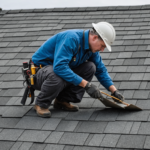
– Installing asphalt shingles is straightforward, often making them a go-to choice for do-it-yourself enthusiasts. Here’s a step-by-step guide:
1. Preparation: Ensure the roof deck is clean and repair any damages.
2. Underlayment Application: Lay down a waterproof underlayment to prevent leaks.
3. Starter Shingles Installation: Start at the eaves, installing starter shingles to protect from water infiltration.
4. Shingle Layout: Position shingles starting at the bottom edge of the roof, overlapping them as you work your way upwards.
5. Nailing: Secure each shingle using the correct type and number of nails, based on local codes and climatic conditions.
6. Flashing and Ridge Cap Installation: Pay attention to flashing around chimneys and vent pipes, and finish with a ridge cap for coverage at the roof’s peak.
3. Benefits:
– Affordability: Asphalt shingles are one of the most cost-efficient roofing materials in terms of up-front costs and installation.
– Versatility: Available in a multitude of colors and textures, they can enhance the aesthetic appeal of nearly any home style.
– Ease of Maintenance: Simple to repair or replace, which can extend the lifespan of the roof without significant expense.
4. Drawbacks:
– Lifespan: While generally durable, asphalt shingles have a shorter lifespan compared to metal or tiles, often needing replacement after 15-30 years.
– Weather Impact: Extreme weather such as high winds can cause damage over time, though choosing a higher grade of shingles can mitigate this issue.
– Environmental Concerns: Asphalt shingles may not be as environmentally friendly, though some manufacturers offer recycled options.
5. Suitability in Different Climates:
– Cold Climates: Asphalt shingles can handle cold and moderate snow, but ice dam defense may be required.
– Warm Climates: Suitable due to their ability to reflect solar radiation somewhat, though high-heat areas might see a reduced lifespan.
– Wind-Prone Areas: Opt for shingles rated for high wind resistance to ensure durability.
By navigating the advantages and considerations of asphalt shingles, homeowners can make well-informed decisions that align with both their aesthetic preferences and practical needs. Whether you’re focused on cost-efficiency or achieving a specific look, asphalt shingles provide a reliable roofing solution that balances both form and function.
metal roofing: durability and energy efficiency
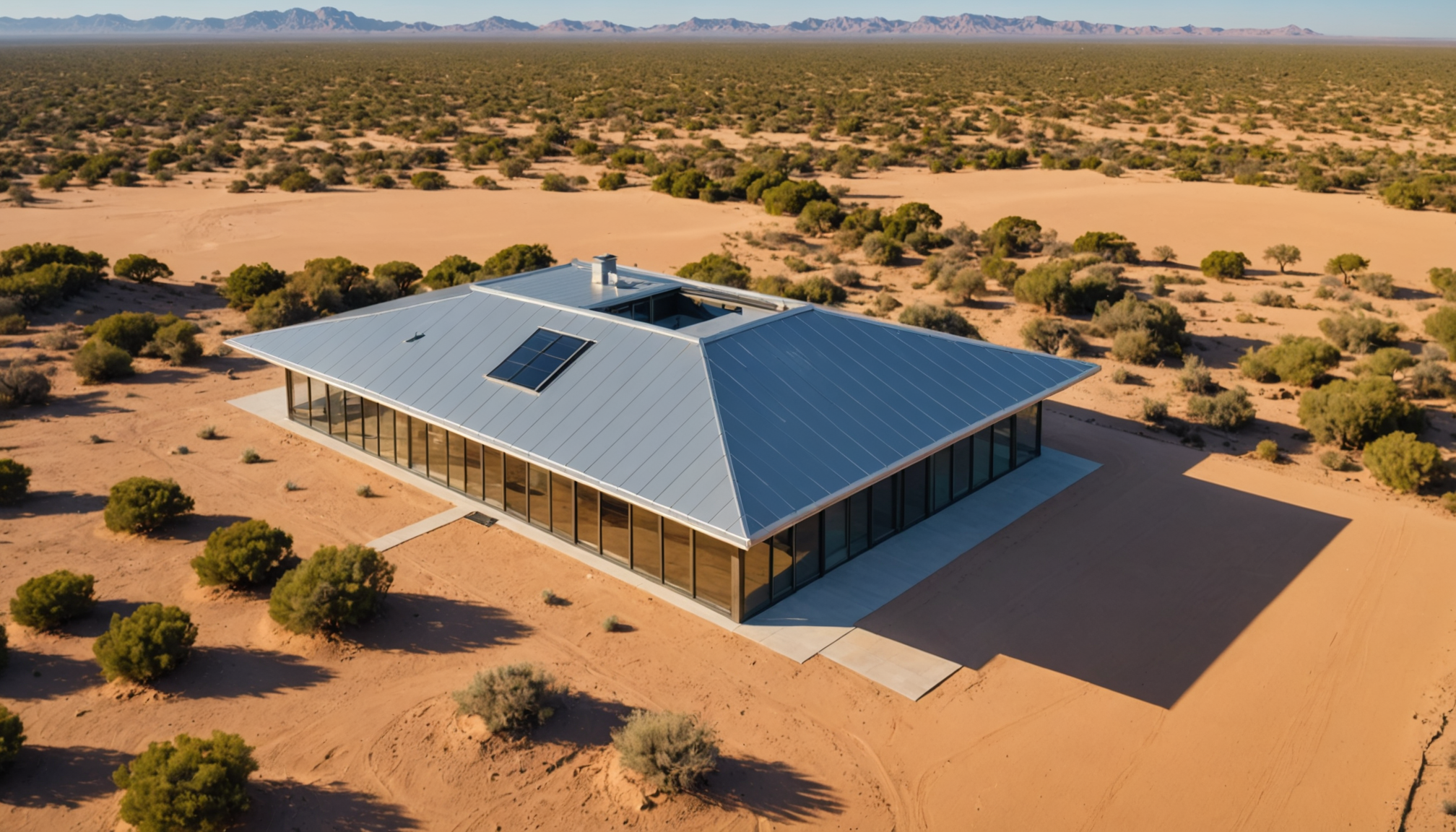
Metal roofing is an increasingly popular choice due to its remarkable durability and energy efficiency, making it an excellent option across a variety of climates. One of the most significant advantages of metal roofing is its exceptional longevity. With a lifespan that can extend beyond 50 years, metal roofs often outlast those made from more traditional materials like asphalt shingles. This durability stems from the strength of materials such as aluminum, steel, copper, and zinc used in their construction, which offer superb resistance to environmental wear and tear. Additionally, metal roofing systems are designed to withstand extreme weather conditions, such as heavy snowfall, strong winds, and even hurricanes, providing homeowners with peace of mind in volatile climates.
From an energy efficiency standpoint, metal roofing offers considerable benefits that can lead to significant savings on energy bills. The reflective properties of metal surfaces play a crucial role in energy conservation, especially in hot climates. Metal roofs are highly effective at reflecting the sun’s rays, thereby reducing the amount of heat absorbed by the building. This solar reflectance capability can reduce cooling costs by 10-25%, making metal roofing a sustainable and economical choice for reducing environmental impact. Additionally, many metal roofing products come with special finishes like reflective paint systems or granulated coatings that further enhance their reflective properties, maintaining a cool interior temperature and increasing overall energy savings.
Furthermore, metal roofs are environmentally friendly both in terms of material usage and recyclability. They are typically manufactured from a high percentage of recycled materials and are themselves 100% recyclable at the end of their lifecycle, contributing to reduced landfill waste and lower demand for raw resources. This sustainable aspect makes metal roofing a preferred choice for eco-conscious homeowners and builders looking to minimize their carbon footprint.
Another compelling advantage is the minimal maintenance required by metal roofing systems. Unlike other roofing materials prone to cracking, curling, or warping, metal roofs require little upkeep due to their robust construction. This low maintenance requirement not only saves time and effort but also leads to long-term cost savings, as the need for frequent repairs is significantly minimized. Moreover, metal roofs are resistant to many common roofing issues such as mold, mildew, and rot, making them ideal for humid and coastal environments where such problems are prevalent.
The versatility of metal roofing in terms of design is another appealing feature. Available in a wide range of styles, colors, and finishes, metal roofs can complement any architectural design, from modern to traditional. They can mimic high-end materials like tile or wood shake, offering aesthetic flexibility without compromising on durability.
In conclusion, metal roofing presents a comprehensive solution for homeowners seeking longevity, environmental responsibility, and energy efficiency in their roofing choice. Its ability to withstand harsh weather conditions while contributing to reduced energy costs and minimal environmental impact makes it a standout option for those looking to invest in a durable and sustainable roofing material.
clay and concrete tiles: ideal for hot climates
When considering roofing solutions for hot climates, clay and concrete tiles emerge as exceptional choices due to their ability to withstand high temperatures and prolonged sun exposure. These tiles, historically used in Mediterranean and Spanish-style architecture, have proven to be highly effective in regions where heat is a significant factor.
One of the standout features of clay and concrete tiles is their inherent thermal mass, which allows them to absorb and retain heat during the day, then release it slowly at night. This characteristic not only helps to stabilize indoor temperatures but also reduces reliance on air conditioning, leading to potential energy savings. The tiles’ thickness and density work as natural insulators, efficiently blocking heat transfer into the home.
The robustness of these tiles against environmental stressors adds to their appeal. Clay tiles are renowned for their longevity, often lasting 50 years or more with proper maintenance. Concrete tiles similarly offer extended service life, with durability that can match that of their clay counterparts. Both types are non-combustible, adding a layer of fire resistance, which is particularly beneficial in areas prone to wildfires.
Another advantage clay and concrete tiles offer is their resistance to ultraviolet degradation. Unlike some lighter roofing materials that can fade or deteriorate under intense sunlight, these tiles maintain their color and structural integrity over time, ensuring the roof remains visually appealing for decades.
When it comes to aesthetics, clay and concrete tiles are available in various profiles and colors, from traditional terra cotta to contemporary grays and browns, allowing homeowners to customize their roofs in ways that enhance curb appeal and harmony with the surroundings. This versatility makes them suitable for diverse architectural styles beyond the classic Southwestern appearance.
Additionally, the environmental impact of clay and concrete tiles is a point of consideration. Both materials are made from abundant natural resources. Clay is molded and fired to create durable tiles, while concrete is formed using a mixture of sand, water, and cement. These natural raw materials contribute to their environmental friendliness. Moreover, the manufacturing process of concrete tiles often utilizes recycled materials, further enhancing their eco-friendly credentials.
However, it’s important to note some considerations when selecting clay or concrete tiles. Their weight is a key factor; these tiles are heavier than materials like asphalt shingles, which means that the underlying roof structure needs to be appropriately reinforced to support the load. This structural requirement can increase the initial installation cost. Additionally, while generally low-maintenance, potential issues such as slippage or breakage might necessitate occasional repairs, especially in regions susceptible to high winds.
In hot climates, clay and concrete tiles present a compelling mix of energy efficiency, durability, and aesthetic flexibility. Remember, choosing the right roofing material involves assessing not only immediate efficiencies but also long-term resilience and stylistic impacts. With these tiles, homeowners can enjoy a cooler, more sustainable living environment comfortably aligned with their architectural vision.
slate and wood shingles: traditional charm and considerations
Slate and wood shingles offer a timeless appeal, adding a touch of traditional charm to homes while demanding careful consideration of their suitability for specific climates and maintenance requirements. Both of these materials have long histories and are treasured for their unique aesthetics and performance characteristics.
Slate shingles are renowned for their elegance and durability. Made from natural stone, slate is incredibly resilient, often outlasting the buildings they adorn. When installed correctly, a slate roof can last over a century, providing an exceptional return on investment despite its higher initial cost. This longevity makes slate an attractive option for homeowners seeking a low-maintenance solution; however, the material’s weight demands a robust roof structure, which can increase installation costs. Slate is a fantastic option for regions with moderate climates, offering excellent resistance to wind, rain, and fire, though it can become brittle in areas with frequent freeze-thaw cycles, leading to potential crack formations.
Wood shingles and shakes, often made from cedar, redwood, or pine, bring a rustic elegance to residential architecture. These materials offer natural insulating properties, providing a cozy interior by keeping warm air during cold seasons and cool air during the summer. However, they require regular maintenance to prevent issues such as rot, mold, or insect infestations. In humid or wet climates, wood shakes may need additional treatments to maintain their condition. Also, wood is not naturally fire-resistant, and homes in fire-prone areas must opt for treated versions to ensure safety.
A key advantage of both slate and wood is their environmental appeal. Slate is a natural material with minimal processing, while responsibly sourced wood shingles can be sustainable if harvested from managed forests. Additionally, both materials are recyclable, contributing positively to eco-friendly building practice.
When considering slate or wood shingles, it’s crucial to evaluate factors such as regional weather conditions, the home’s architectural style, and the total cost of ownership, including potential energy efficiency gains and maintenance. Although these materials can require a higher investment upfront and consistent upkeep, they reward homeowners with unparalleled beauty and the promise of a roof that stands the test of time.
In conclusion, selecting the optimal roofing material requires a comprehensive understanding of your local climate and specific needs. Whether you prioritize the cost-effectiveness of asphalt shingles, the longevity and environmental benefits of metal roofing, the thermal advantages of clay and concrete tiles, or the traditional excellence of slate and wood shingles, each choice presents its strengths tailored to fit various conditions. By carefully weighing these options, you can find a roofing solution that not only protects your home but also enhances its beauty and value, ensuring comfort and efficiency for years to come.