Transforming your doors with a fresh coat of paint is one of the most cost-effective and impactful ways to renovate your space. Whether you’re aiming for a modern look or simply want to refresh the appearance of your home, painting your doors can be a game-changer. This simple intervention has the power to enhance the overall aesthetics of your interiors and possibly increase the value of your real estate, making it a wise investment.
Before you start, it’s crucial to select the right type of paint. Consider whether your door is made from wood, metal, or another material, as each requires a specific kind of paint to ensure adhesion and durability. For modern finishes, semi-gloss or high-gloss paints are ideal as they provide a sleek look and are easier to clean. Another factor to contemplate is the color choice. Opt for bold hues like teal or mustard for a statement piece, or choose classic whites and grays for a timeless appeal.
Here’s a quick comparison to help you choose the appropriate type of paint for your doors:
| Material | Recommended Paint Type | Finish Options |
| Wood | Latex or Oil-based | Semi-gloss, High-gloss |
| Metal | Oil-based, Enamel | Gloss, Satin |
| Composite | Acrylic Latex | Gloss, Semi-gloss |
Preparation is key to achieving a long-lasting and smooth finish. Start by removing any existing hardware from the door and clean the surface thoroughly to eliminate dirt and grease. If the door has imperfections or old varnish, sand it down for a smoother surface. Priming the door is an optional step but highly recommended as it enables better paint adhesion and longevity. Once these steps are completed, you are ready to apply the paint.
For best results, use a high-quality brush or foam roller to apply the paint evenly. Ensure that you paint in the direction of the grain if working with wood to maintain a natural look. Allow ample drying time between coats for a professional finish. Typically, two coats are sufficient, but additional coats might be necessary for darker shades or when covering a strong existing color.
By upgrading your doors with a fresh paint job, not only do you bring a new lease of life to your interiors, but you also engage in a practical home improvement strategy that is both efficient and satisfying. Whether it’s to impress potential buyers or to enjoy a rejuvenated living environment, painting your doors is a roofing-level investment in enhancing your home’s charm and functionality.
install decorative hardware
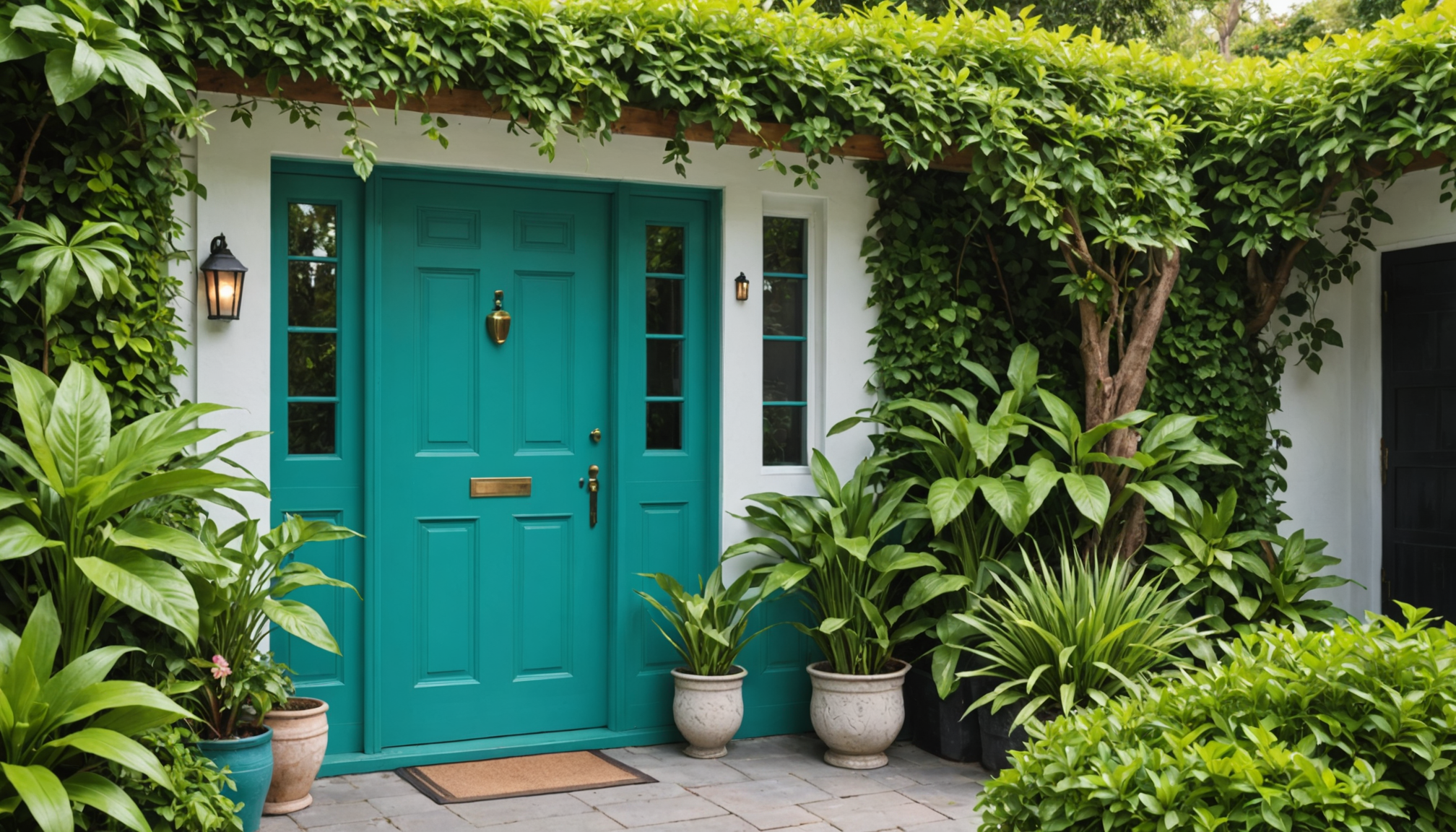 Enhancing your doors by installing decorative hardware is a straightforward yet effective way to give your home a modern touch. Whether you’re renovating a single door or updating several throughout your home, the right hardware can transform your doorways and add a unique character to your living spaces. Below is a step-by-step guide to help you install decorative hardware on your doors:
1. Choose the Right Hardware:
– Start by selecting the hardware that complements your doors and overall interior styling. Consider finishes such as brushed nickel for a sleek look, antique brass for a traditional vibe, or matte black for a modern appeal.
– Ensure that the hardware size is proportional to your door’s dimensions. Oversized or undersized pieces can look awkward and diminish the door’s aesthetic.
– Consider purchasing the entire set, including knobs, handles, hinges, and plates, for a cohesive look.
2. Gather Your Tools:
– You will need a screwdriver, drill, measuring tape, and a pencil for marking. If you’re replacing existing hardware, have a putty knife and wood filler on hand to patch old screw holes if necessary.
3. Remove Existing Hardware:
– Use a screwdriver to carefully unscrew and remove any existing hardware. Keep these pieces in a safe place if you plan to reuse them elsewhere or donate them.
– Sand any rough spots left from the old hardware, and use wood filler if needed to smoothen the surface.
4. Measure and Mark:
– Measure and mark the placement of your new hardware. It’s critical to align the hardware correctly to ensure functionality and visual appeal.
– Take into account ergonomics by ensuring that handles and knobs are within easy reach; generally, positioning knobs about 38 to 42 inches from the floor works well for most people.
5. Drill Pilot Holes:
– Prepare for installation by drilling pilot holes at the marked points. This step prevents wood from splitting and ensures precise placement.
6. Install the Hardware:
– Align the decorative hardware with the pilot holes and secure it using screws. Ensure each piece is properly secured but avoid overtightening, which might damage the door.
– For handles with intricate designs, verify that screws are tightened evenly to maintain symmetry.
7. Finishing Touches:
– After installation, open and close the door several times to check for functionality and smooth operation.
– If the door drags or doesn’t close properly, adjust the hardware or door alignment as needed.
By following these steps, you will not only improve the functionality and appearance of your doors but also boost the value of your real estate with these modern and stylish upgrades. Such decorative enhancements are relatively quick and cost-effective while delivering a high-impact change to the look and feel of your home interiors.
add glass panels
Adding glass panels to your doors is a sophisticated way to introduce both aesthetic appeal and functional benefits, transforming ordinary spaces into extraordinary ones. This elegant enhancement not only elevates the style of your home but also allows for greater light flow, creating a more open and inviting atmosphere.
One of the primary advantages of incorporating glass panels into your doors is the abundance of natural light they bring into your living spaces. Natural light is known to enhance the ambiance, making rooms appear larger and more welcoming. This is particularly beneficial in areas such as entryways or hall corridors that typically lack windows and can feel dim or confined. By installing glass panels, you allow sunlight to permeate adjacent spaces, effectively brightening up your home’s interior while reducing the need for artificial lighting during the day.
Glass panels also provide a modern touch to any room. Whether your style is contemporary, traditional, or transitional, there’s a design to suit every taste. You can choose from a variety of glass types, such as frosted, etched, tinted, or clear, each offering a distinct look and feel. Frosted or etched glass, for instance, offers privacy without sacrificing light, perfect for bathroom or bedroom doors. Tinted options can provide UV protection and reduce glare, helping to protect furnishings while maintaining a sleek, sophisticated appearance.
The strategic placement of glass panels can also improve the home’s real estate value. Potential buyers often appreciate well-lit spaces and stylish design elements. A door with glass panels can act as a statement piece, making your property stand out in the market. Additionally, homes that maximize natural light are often seen as more desirable, a significant consideration for those looking to renovate with future resale in mind.
Furthermore, incorporating glass into your doors does not compromise on security. Many modern glass doors come with reinforced, shatter-resistant features, ensuring that style does not come at the expense of safety. Selecting quality hardware to complement the glass, such as sturdy locks or sensors, can further enhance security while maintaining a seamless look.
Another enticing feature is the versatility that glass panels provide. For example, they can be used effectively to separate spaces without entirely closing them off, maintaining an open-floor concept while providing defined zones within a larger area. This is particularly useful when designing home offices or playrooms where visual connectivity and oversight are essential.
To install glass panels, it is advisable to consult with a professional to ensure precise measurements and proper installation for safety and aesthetic purposes. Whether retrofitting an existing wooden door or selecting a pre-designed glass-panel door, careful planning will ensure that the final product meets your expectations and complements your home’s overall design.
By opting to add glass panels to your doors, you benefit from enhanced visual appeal, increased light flow, and added value to your home, all while enjoying the functional advantages that come with this elegant architectural choice. This approach not only enriches your living environment but also aligns with forward-thinking design strategies and modern renovation trends.
apply molding or trim
Transforming the look of your doors with molding or trim is a fabulous way to infuse elegance and personality into your living spaces. This method introduces a rich texture and depth, elevating an otherwise plain door into a charming, eye-catching feature. Whether you prefer a classic look or a more ornate design, the addition of molding or trim provides a customizable solution to match your specific style and the greater aesthetics of your home.
Begin by considering the style and proportions of the molding or trim. There are numerous designs available, from simple sleek lines to more detailed profiles. Consider whether you want a minimalist, understated appearance or a grandiose, bold frame around your doors. Choose moldings that will complement, not clash with, your existing décor and architectural features. In modern homes, sleek and linear trims often work best, while traditional spaces might benefit from more intricate carvings or patterns.
The type and material of the molding should also align with your renovation goals and the functional needs of your home. Lightweight materials, such as MDF (Medium Density Fiberboard), are easier to cut and install, making them a popular choice for DIY projects. Meanwhile, hardwood or softwood options offer durability and a quality finish, ideal for long-term investments that might enhance the real estate value of your property.
Once you’ve selected the right design and materials, it’s time to prepare your doors for installation. Begin by removing any existing hardware or decorations that could interfere with the trim application. Clean the door thoroughly to remove any dust or grease. To ensure an even application, you might need to sand the surface lightly, preparing it for priming or painting, especially if you’re working with bare MDF or softwood.
Measure the dimensions of your door accurately before cutting the molding to size. Precision is key to avoid gaps in the final assembly. Using a miter saw, cut the edges of the trim at a 45-degree angle to ensure they align seamlessly when joined. It’s recommended to lay the pieces out on the floor before installation to confirm everything will fit perfectly.
Applying the trim requires both adhesive and nails for a secure, long-lasting attachment. Use a strong wood adhesive to fix the trim to the door, then reinforce it using small brad nails for extra support. Be careful to set the nails slightly below the surface so they can be filled and painted over. This ensures the final look is polished and professional, without visible blemishes.
Once the trim is installed, apply a coat of primer if necessary, followed by your choice of paint or finish. White or off-white shades often provide a classic and versatile appeal, while bold colors can create a striking feature. Ensure a smooth finish by sanding lightly between coats and using high-quality paint that matches the rest of your interiors.
Adding molding or trim to your doors is not just a surface upgrade but a sophisticated touch that enhances the overall character of your home. It bridges the gap between architectural features and furnishings, creating cohesive and curated spaces. This enhancement is a savvy choice for anyone looking to renovate with an eye on current trends in real estate and home design. By applying these stylish details, you can transform outdated doors into elegant focal points that echo throughout your interiors, paying homage to the art of thoughtful design.
incorporate sliding barn doors
Incorporating sliding barn doors into your home is an innovative and functional way to redefine your living spaces. These doors are no longer confined to barns and rustic cottages; they have seamlessly made their way into modern homes, offering a stylish solution that combines both form and function. Sliding barn doors save space while adding a dynamic architectural element to interiors, making them a popular choice for those looking to renovate with contemporary taste.
One of the most appealing aspects of sliding barn doors is their versatility. They can be tailored to suit a variety of home styles—from farmhouse to urban chic—by choosing the appropriate materials and finishes. Opt for reclaimed wood for a rustic, vintage appeal, or go with sleek glass panels for a minimalist and modern look. The hardware can also make a significant impact; black steel tracks and rollers add an industrial edge, while gold or brass accents can introduce a touch of elegance.
Functionality is another significant factor that makes sliding barn doors an attractive option. Their design allows them to glide seamlessly along walls, eliminating the need for space to swing open like traditional doors. This feature is especially advantageous in smaller rooms or tight hallways where maximizing floor space is crucial. By freeing up areas that would otherwise be obstructed by door swings, sliding barn doors enable better furniture arrangements and can help you achieve an open and flexible layout.
Installation of sliding barn doors is relatively straightforward but requires precision to ensure smooth operation. The first step is to select a suitable door or have one custom made to your specifications, considering the dimensions of the opening and the desired aesthetic. Ensure the wall can support the weight of the door and track, as some installations may require additional bracing or reinforcement.
When installing the track, measure carefully and mount the hardware securely to bear the load of the door. It’s crucial to check for levelness to prevent the door from sliding open or closed unintentionally. Once the track is in place, attach the rollers to the top of the door and carefully lift it onto the track. Test the operation to ensure smooth movement and adjust as necessary. Don’t forget to install floor guides to prevent swaying, and consider soft-close mechanisms for a quieter, more refined experience.
In addition to their practicality and adaptability, sliding barn doors can also enhance a home’s real estate value. Potential buyers often appreciate unique, efficient design elements that set a property apart from others on the market. By integrating sliding barn doors, you not only create a focal point within your living spaces but also align with current design trends valued in modern real estate markets.
In conclusion, renovating your doors with these creative and stylish techniques is an exceptional way to breathe new life into your home. From the vibrant boldness of freshly painted surfaces to the elegance of sliding barn door systems, each method offers unique advantages that cater to various tastes and functional requirements. These enhancements not only improve your home’s aesthetic appeal but can also boost its overall value and modern attractiveness in the real estate market. Investing in door renovations is a practical and rewarding step toward creating a living space that reflects your personal style and meets the demands of contemporary living.