Renovating your sunroom is a rewarding investment that brings a multitude of benefits to your home, both immediately and in the long term. A sunroom is not merely an addition to a house; it is a space that bridges the indoors and outdoors, offering a serene retreat bathed in natural light. The decision to renovate your sunroom can significantly enhance your home’s comfort, style, and value, positioning it as a versatile area designed for relaxation, entertainment, or productivity.
One of the immediate advantages of renovating your sunroom is the visual and functional transformation it brings. By updating outdated features, addressing wear-and-tear, and improving design elements, the aesthetics of the sunroom can be elevated dramatically. This not only creates a more inviting space for you and your family but also enhances your home’s overall appeal and hospitality for guests. From installing large energy-efficient windows that boast stunning views, to rethinking the layout to better capture the sun’s trajectory, these thoughtful changes can cultivate a brighter, more spacious atmosphere.
The practical benefits extend beyond mere visuals. Renovation of your sunroom can greatly enhance its utility and comfort. By incorporating temperature-regulating elements, such as improved insulation or climate control systems, you can transform the sunroom into a year-round sanctuary. Where once it might have been too hot in the summer or too cold in winter, strategic enhancements can make it a comfortable space no matter the season. Furthermore, these improvements not only serve your immediate needs but also reduce ongoing maintenance concerns.
From a financial perspective, a well-executed sunroom renovation can significantly boost your home’s market attractiveness. Real estate professionals often highlight the appeal of a thoughtfully updated sunroom to potential buyers, viewing it as a unique selling proposition that offers charm, comfort, and extra square footage. In comparison to homes without such features, properties with pristine, modern sunrooms often command higher prices and quicker sales. This is because buyers increasingly appreciate the value of having a versatile space that can easily transform between a cozy reading nook, a play area for children, or a sun-soaked dining room.
Consider the economic advantages through the lens of energy efficiency as well. By choosing to renovate with high-performance materials, such as double-paned windows and energy-efficient roofing, you can reduce your sunroom’s energy consumption, leading to lower utility bills. Not only does this make your home more environmentally friendly, but it also provides tangible cost savings year after year. The table below outlines potential savings and benefits from various energy-efficient sunroom improvements:
| Improvement | Potential Savings | Additional Benefits |
| Double-paned windows | 15-20% on energy costs | Improved insulation, reduced condensation |
| Energy-efficient lighting | 20-25% on lighting costs | Longer bulb lifespan, lower heat emission |
| Solar shades | Up to 33% in cooling efficiency costs | Reduced glare, enhanced privacy |
Ultimately, renovating your sunroom hinges on embracing both aesthetic and functional upgrades that will curate a space tailored to your lifestyle. As you consider embarking on this journey, recognize that each investment into the sunroom’s design and functionality creates not just a room, but an enriching experience that enhances your home and quality of life in countless ways.
Planning your sunroom renovation
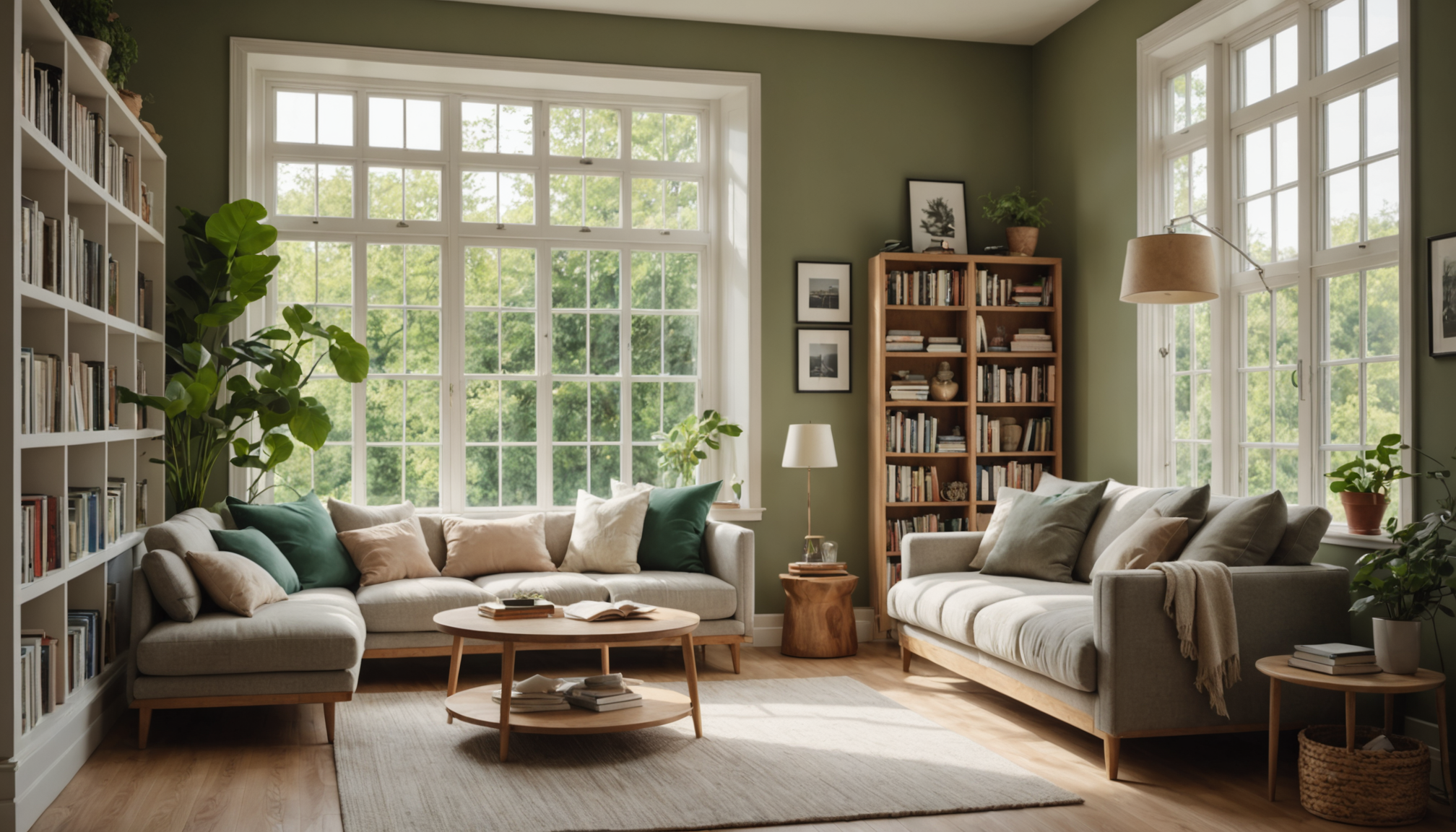 Embarking on a sunroom renovation requires careful planning to ensure the end result is both functional and beautiful. Here’s a detailed step-by-step guide to help you plan your project effectively:
1. Define Your Purpose:
– Begin by deciding how you’d like to use your sunroom. Whether as a cozy reading nook, a family entertainment area, or an indoor garden, understanding its primary function will guide the design and layout decisions.
2. Set a Budget:
– Determine an overall budget to help manage expenses and prioritize the most important elements. Factor in costs for materials, labor, permits, and unexpected expenses to avoid financial surprises.
3. Assess the Current Space:
– Evaluate the existing condition of your sunroom. Note areas in need of structural repairs, insulation improvements, or any other necessary maintenance. This assessment will inform what needs immediate attention during the renovation.
4. Research Local Building Codes:
– Check local regulations and obtain any necessary permits. Complying with codes ensures your renovation is safe and may also impact your home’s real estate value positively.
5. Design Your Layout:
– Plan the layout based on the room’s function and flow. Consider the placement of furniture, windows, and fixtures to maximize natural light and usability. Sketch multiple layouts to explore different options.
6. Consult with Professionals:
– Hire a designer or architect if needed to bring your vision to life. Their expertise can be invaluable, particularly for complex or large-scale renovations requiring structural changes.
7. Choose Quality Materials:
– Based on your budget, select durable, high-quality materials that enhance both aesthetics and functionality. Ensure your choice complements the rest of your home’s design for a cohesive look.
8. Plan for Energy Efficiency:
– Incorporate energy-efficient options like double-pane windows and insulated ceilings. Not only do these options increase comfort, but they also lower utility bills and improve the home’s eco-friendliness.
9. Schedule the Renovation:
– Create a timeline for your project, considering factors such as availability of contractors and potential weather disruptions. A clear schedule keeps the renovation on track and minimizes delays.
10. Prepare for Construction:
– Clear the space of furniture and personal belongings, and set aside a temporary area in your home for activities previously done in the sunroom. Communication with contractors during this phase is crucial to address concerns as they arise.
Each stage of planning your sunroom renovation should be thoughtfully considered, ensuring the final product not only meets but exceeds your original vision for this cherished space.
Choosing materials and styles
When selecting the best materials and styles for transforming your sunroom, it’s essential to strike a balance that accommodates both aesthetic preferences and practical needs. Begin by evaluating the durability and performance of various materials, as some options may outshine others in terms of longevity and maintenance. Opt for materials such as composite wood or high-quality vinyl for flooring; these not only withstand seasonal changes better than traditional timber but also require less intensive upkeep. The same principle applies to selecting window frames and doors—look for products that offer robust weather resistance and minimal wear over time.
The choice of materials should also reflect your desired style and design theme for the sunroom. If your aim is to create a natural, earthy ambiance, consider incorporating materials like bamboo or reclaimed wood to bring a touch of the outdoors inside. For a more modern or minimalist look, choose sleek metals and glass to accentuate clean lines and openness, while maintaining an uncluttered feel. Textures and colors play a crucial role here too—neutral tones can offer a timeless appeal, while bolder colors may inject vibrancy and personality into the space.
Lighting is another vital component when refining your sunroom’s style. The ability to harness natural light is often the centerpiece of these spaces, so strategically placed skylights or large windows can make a significant impact. Choose window treatments that enhance light control without compromising on style; solar shades or motorized blinds are excellent choices for energy efficiency and ease of use.
Furniture and decor must complement your chosen materials and support the overall atmosphere you wish to create. If the sunroom is frequently used for leisure, invest in plush, comfortable seating that invites relaxation. Accessories, such as indoor plants, can breathe life into the room, contributing to a serene, inviting environment. Additionally, throw pillows, rugs, and art pieces should cohesively tie the theme together, amplifying the room’s visual appeal without overcrowding the space.
Don’t underestimate the potential impact of innovative design trends, like biophilic design, which seamlessly blends nature-inspired elements with functional living spaces. By incorporating features such as living walls or green roofs, you not only enhance aesthetics but also promote a healthier, more invigorating environment.
Ultimately, choosing materials and styles for your sunroom requires attention to both current trends and timeless design principles. This careful consideration ensures that the renovation aligns with your vision and enhances the room’s functionality, achieving a harmonious balance that enriches your daily living and sustains your home’s value in the real estate market.
Incorporating energy efficiency
When considering energy efficiency in your sunroom renovation, your focus should be on creating a space that comfortably sustains the desired temperatures year-round, while reducing energy consumption. This approach not only aligns with sustainable living practices but can also lead to significant reductions in your energy bills over time. Begin this transformation by examining the thermal efficiency of your current sunroom setup.
One of the most impactful upgrades you can make is the installation of energy-efficient windows. Choosing double- or triple-paned windows with gas fills and low-emissivity (Low-E) coatings can drastically reduce heat loss and gain, keeping the sunroom cooler in summer and warmer in winter without heavy reliance on HVAC systems. The key is to select a window solution that offers superior insulation yet maximizes natural light, a fundamental aspect of sunroom charm.
To complement the high-performance windows, pay attention to the roofing and insulation. Installing an insulated ceiling or energy-efficient roofing materials can prevent unwanted heat transfer, providing a more consistent internal temperature. If the budget allows, consider integrating a reflective roof coating to further deflect the sun’s rays, thereby reducing cooling expenses. Sidewalls, often overlooked, should be reinforced with modern insulation solutions to prevent thermal bridging.
The use of energy-efficient lighting solutions can also contribute to a greener sunroom. Replace old fixtures with LEDs, which consume less electricity and have a long lifespan. Moreover, smart lighting systems equipped with sensors or timers ensure lights are only used when necessary, optimizing energy use even further.
Another consideration is the addition of solar-powered solutions. Installing solar shades can significantly cut down on cooling costs by blocking excessive sunlight during peak hours. For those ready to make a greater commitment to sustainability, integrating photovoltaic panels could ultimately allow the sunroom to generate its own clean energy, contributing to energy needs elsewhere in the household.
Don’t overlook the benefits of incorporating plants and other biophilic elements. Certain plant species can regulate humidity and improve air quality, creating a naturally more comfortable environment. A green roof, insulating the sunroom from above, not only promotes energy efficiency but also enhances the home’s market value by showcasing a commitment to sustainable innovation.
Finally, sync these energy-efficient features with smart home technology for a truly contemporary renovation. With the right devices, you can remotely monitor and adjust temperature, lighting, and shades, ensuring that the sunroom remains a comfortable sanctuary without excessive energy use.
By emphasizing energy efficiency in your sunroom, you transform it into an economically and environmentally sustainable haven. Such thoughtful renovations not only provide immediate comfort but also enhance your home’s appeal and functionality, making your sunroom a standout feature in the real estate market.
Adding personal touches and decor
Adding personal touches to your sunroom is the final step to truly making the space your own. After all the planning, material selection, and energy-efficient enhancements, your sunroom should reflect your personality and lifestyle. Begin by considering the types of activities you want this room to accommodate and the atmosphere you wish to cultivate. This will guide your choice of decor and personal touches that will transform the room from a well-constructed addition to a vibrant part of your home.
Start with the primary furnishings that define the functionality of the space. If you plan to use your sunroom primarily for relaxation, consider adding lounge chairs or a comfortable sofa. For an entertainment area, compact yet stylish tables and multipurpose furniture pieces can offer flexibility without overcrowding the space. Additionally, opt for weather-resistant fabrics and materials that can withstand sunlight exposure without fading or degrading—a consideration that will extend the maintenance cycle of your furnishings.
Next, focus on enhancing the ambiance with strategic use of lighting and accessories. While natural light is a fundamental aspect of a sunroom’s appeal, supplemental lighting can add warmth and versatility during evening hours or overcast days. Choose fixtures that complement your overall design theme, be it modern, rustic, or eclectic. Hanging pendant lights or chic floor lamps can provide ambient light, while string lights or lanterns offer a whimsical touch for cozy, intimate gatherings.
Incorporate decor elements that reflect your style and interests. Artworks, whether bold statement pieces or a curated collection of smaller items, can infuse the space with personality and flair. In addition, indoor plants are a perfect fit for sunrooms, thriving in the natural light and bringing a burst of color and life to the area. Consider placing potted plants at various heights or creating a vertical garden on one wall to enhance the outdoor connection.
Textures also play a crucial role in the overall feel of the sunroom. Soft rugs can define seating areas and add comfort underfoot, while various pillow textures and throws can offer individual seating customization and visual interest. These elements not only contribute to the room’s coziness but also allow for seasonal updates whenever you wish to refresh the color scheme or style.
Finally, don’t forget about storage solutions that keep the sunroom tidy and organized. Incorporating decorative baskets or built-in shelving can maintain a clutter-free space while providing easy access to books, games, or hobby supplies. The balance between functionality and aesthetics ensures your sunroom remains a practical and inviting retreat.
In conclusion, a sunroom renovation offers a unique opportunity to enhance your home by blending style, function, and energy efficiency. This inviting space, personalized with your thought-out decor and personal touches, not only becomes a favorite retreat for relaxation and connection but also adds to your home’s overall appeal and real estate value. Investing time and effort into a well-planned renovation ensures your sunroom will stand the test of time, providing enjoyment for years to come.