Weatherstripping is a fundamental solution for enhancing the insulation of your entryway, offering a cost-effective method to minimize drafts and decrease energy consumption. Over time, doors and windows can develop gaps that allow cold air to enter and heated air to escape, which can lead to increased heating costs and discomfort within your home. Implementing weatherstripping solutions can significantly improve your home’s thermal efficiency.
When considering weatherstripping options, it is important to understand the different materials and configurations available, as each offers distinct benefits depending on your specific needs and budget. Materials commonly used for weatherstripping include felt, foam tape, V-strip, door sweeps, and rubber. Each material has its merits in terms of durability, effectiveness, and ease of installation.
- Felt: Felt is one of the most budget-friendly options. It is easy to install with either glue or nails, making it a great choice for those looking to insulate their entryway without major maintenance investments. However, its lifespan is generally shorter than other materials.
- Foam Tape: Foam tape is also affordable and flexible, making it suitable for irregular gaps around doors and windows. It offers moderate durability and is simple to apply, usually featuring self-adhesive backing.
- V-Strip (Tension Seal): This type of weatherstripping is made of durable plastic or metal, providing a superior seal. It’s ideal for door frames and window tracks, offering a longer lifespan and often proving more effective in sealing larger gaps.
- Door Sweeps: Door sweeps are typically installed at the bottom of doors to seal the gap between the threshold and the door itself. This solution is excellent for keeping drafts out, especially in areas leading to colder spaces like the basement or garage.
- Rubber: Rubber weatherstripping is more durable and effective for heavy traffic areas, such as the main entryway. It can withstand considerable wear and tear and offers superior insulation compared to softer, more porous materials.
To determine the best solution for your home, consider factors such as the specific area you need to insulate, anticipated usage, and your budget. Comparing the advantages of each weatherstripping type can help make an informed decision that optimizes both cost and performance. Below is a comparison table for quick reference:
| Material | Cost | Durability | Ease of Installation | Best for |
| Felt | Low | Short | Easy | Low Budget Projects |
| Foam Tape | Low | Moderate | Very Easy | Irregular Gaps |
| V-Strip | Moderate | Long | Moderate | Door Frames |
| Door Sweeps | Moderate | Long | Moderate | Bottom of Doors |
| Rubber | High | Very Long | Moderate | Main Entryway |
Investing in the appropriate weatherstripping for your entryway is a simple yet effective measure to improve insulation and lower energy bills. Whether your priority is maintaining a comfortable temperature in your living room or kitchen or addressing gaps in an often-used entryway, selecting the right materials and techniques is crucial to achieving optimal results.
draft stoppers and door sweeps
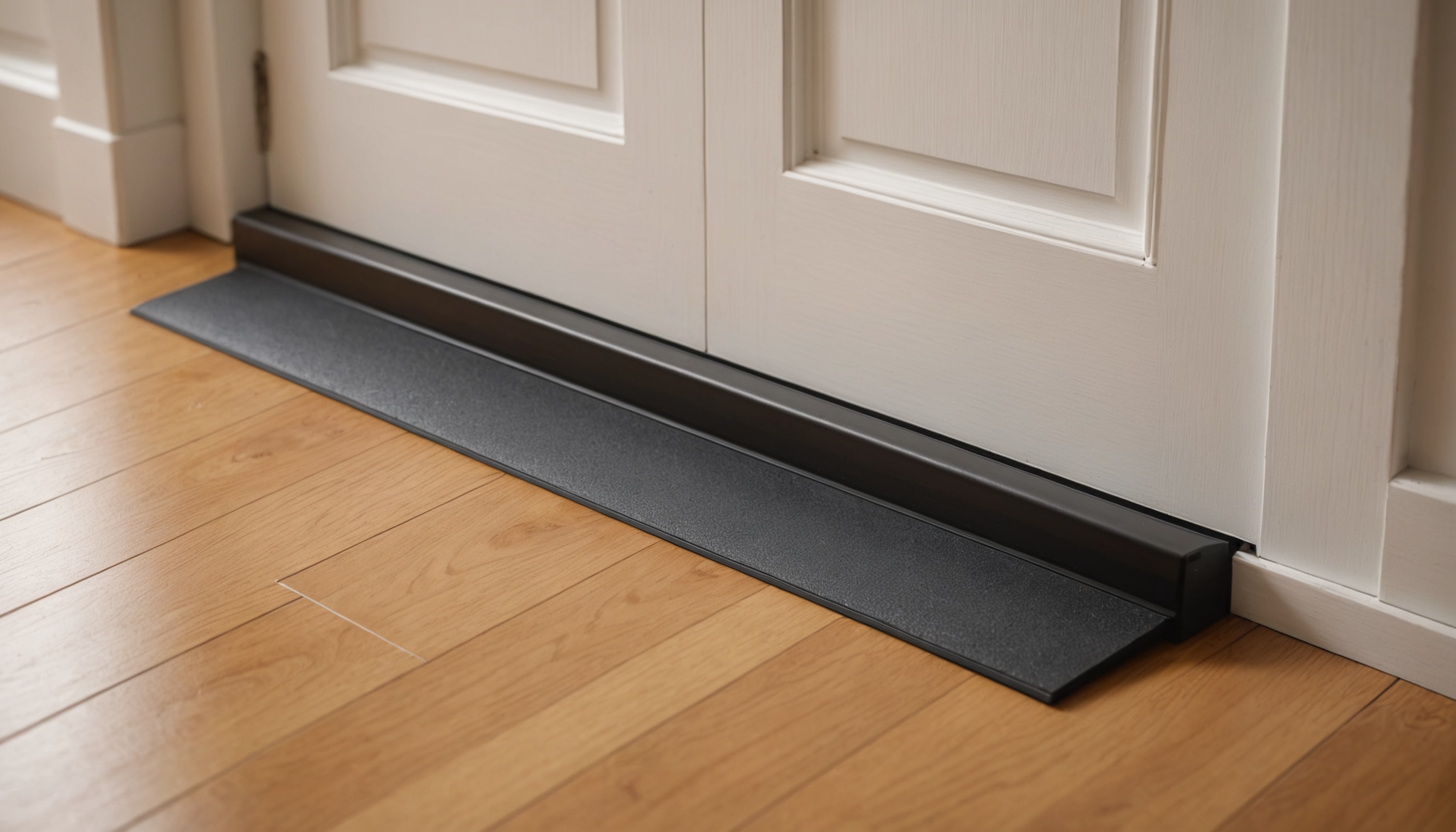 When it comes to enhancing the insulation of your entryway, investing in draft stoppers and door sweeps is an excellent step toward minimizing cold drafts and maintaining a comfortable indoor temperature. These tools are not only cost-effective but also straightforward to install, making them a practical solution for homeowners looking to improve their home’s energy efficiency.
To efficiently use draft stoppers and door sweeps, follow these detailed steps:
1. Assess the Area:
– Begin by examining the area at the bottom of your entryway door, as this is where drafts are most likely to occur. Look for visible gaps or feel for cold air entering your space.
2. Choose the Right Product:
– Draft stoppers are typically fabric-based and suitable for temporary solutions. They can be placed on the floor against the door.
– Door sweeps are more permanent solutions and are attached directly to the door, effectively sealing the gap between the door and the threshold. Determine which option best suits your needs and budget.
3. Gather Necessary Tools and Materials:
– If installing a door sweep, ensure you have a measuring tape, screwdriver, screws, and possibly a hacksaw (to cut to size, if necessary). For draft stoppers, no tools are typically required.
4. Install the Door Sweep:
– Measure the width of your door and cut the door sweep to fit perfectly across it, if necessary.
– Hold the sweep against the bottom of the door, ensuring it lightly touches the threshold but does not hinder door movement.
– Mark the appropriate spots through the holes in the sweep for the screws.
– Drill pilot holes if needed, then secure the sweep using screws.
5. Test and Adjust:
– Open and close the door to ensure the sweep does not catch on the floor and that the door operates smoothly. Adjust if necessary.
– If using a draft stopper, simply position it snugly against the closed door, ensuring it fully blocks any open gaps.
6. Maintenance:
– Regularly check your draft stopper or door sweep for signs of wear and replace them as needed. This upkeep is especially important for high-traffic entryways and areas near the kitchen, where they might receive significant use.
By effectively implementing draft stoppers and door sweeps, you can insulate your entryway against unwelcome drafts and reduce energy loss. This not only aids in maintaining a comfortable atmosphere in areas like the living room and kitchen but also contributes to lower energy bills, aligning your approach with your budget and maintenance goals.
insulated door materials
When choosing materials for your entry door, it’s essential to consider not only aesthetics but also their insulative properties. The right door material can significantly enhance your entryway’s ability to keep warm air in during the winter and resist heat in the summer, ultimately contributing to overall household energy savings. Opting for insulated door materials can bring three-fold benefits: an increase in comfort, a decrease in energy consumption, and savings on your heating and cooling bills.
One of the most effective types of insulated doors is the fiberglass model. Fiberglass doors offer superior insulation performance, often filled with insulating foam core, making them much more energy-efficient compared to traditional materials. They mimic the traditional look of wood but boast the advantage of being resistant to common issues such as warping and swelling, even in humid climates. Fiberglass doors are also low-maintenance, requiring little more than occasional cleaning to keep them in top shape. This minimizes both your ongoing maintenance efforts and costs, making them an excellent choice for busy households.
Steel doors are another fantastic option for insulation. Similar to fiberglass, steel doors often feature a foam core that boosts their thermal resistance. They are also known for their strength and durability, offering a high degree of security—a vital feature for any entryway. While more cost-effective than wood, their resilience against the elements and minimal upkeep requirements make steel doors a savvy long-term investment. To ensure their longevity, a simple schedule of cleaning and repainting when necessary will suffice, seamlessly fitting into almost any maintenance plan.
Solid wood doors, while aesthetically pleasing and traditional, tend to offer the least amount of insulation compared to fiberglass or steel alternatives. However, they can be equipped with other insulating features, such as adding a storm door, to improve their energy efficiency. While wood may require more frequent maintenance compared to other materials, such as refinishing or repainting, its natural beauty is unmatched and can be a desirable choice for those who prioritize aesthetics.
Considering insulated door materials doesn’t just stop at insulating the door itself. It’s also crucial to look at the framing materials. Quality frame materials provide additional thermal barriers, stopping unwanted cold or hot air from creeping in. Composite frames that resist wear, moisture, and extreme temperatures can enhance the overall insulation performance of your exterior doors.
Incorporating insulated door materials allows you to maintain a cozy atmosphere inside, whether that’s in your living room, kitchen, or entryway, regardless of outdoor conditions. These materials serve as an investment in comfort and energy efficiency by supporting reduced reliance on heating and cooling systems. Choose a material that aligns with both your design preferences and functional needs, ensuring longevity and minimal maintenance, while staying within your budget. By doing so, any homeowner can transform their space into a more energy-conscious and comfortable environment.
sealing gaps and cracks
A thorough inspection of your entryway to identify any gaps and cracks is a critical step towards enhancing insulation. Even the smallest cracks can significantly affect your home’s energy efficiency by allowing cold air to seep in during the winter and cool air to escape in the summer. This can result in increased energy consumption, discomfort, and higher heating and cooling bills. Fortunately, sealing these gaps and cracks is a straightforward process that can contribute significantly to both your comfort and your budget.
Start by conducting a visual inspection of the entryway, paying close attention to areas around door frames, window frames, joints, and any visible cracks. You can use your hand to feel for drafts or light a candle to see if smoke wavers near potential gaps, which can indicate a leak.
Once you’ve identified the problem areas, consider the most effective materials for sealing them. For small cracks and gaps, a caulking solution is often ideal. Silicone-based caulks provide durability and flexibility, making them perfect for varying temperatures and weather conditions. Before applying, clean the surface properly to ensure optimal adhesion, and apply the caulk evenly. Silicone caulk specifically has the added benefit of being weather-resistant, which is essential for areas exposed to the elements.
For larger gaps, spray foam insulation can be a highly effective choice. This type of insulation not only fills larger cavities but also expands to form a tight seal, providing superior thermal resistance. It’s particularly useful for spaces around window and door frames. However, exercise caution with spray foam since it expands drastically, which could warp frames if over-applied. Start with a small amount, allowing it to expand before adding more.
Another method to insulate your entryway involves using weatherstripping in combination with sealing products. Strips applied around doors and windows play a vital role in bridging gaps and offering additional insulation. This combined approach can enhance your energy-saving efforts without putting a strain on your budget.
Always remember that any sealing work should be part of an ongoing maintenance plan to ensure long-lasting efficiency. Regularly check the sealed areas for any wear, especially in frequently used spaces such as entry points to the kitchen or living areas, and reapply materials as needed. This habitual surveillance and minor upkeep not only save you money in the long run but also keep your indoor spaces warm and inviting.
By tackling gaps and cracks efficiently, you not only improve the thermal performance of your entryway but also contribute to a more comfortable living environment and a more sustainable household. This is just one piece of the puzzle in achieving comprehensive insulation, so remember to align your efforts with other strategies discussed in the article for optimal results.
energy-efficient windows and doors
When it comes to energy-efficient windows and doors, selecting the right products is crucial for enhancing your entryway’s insulation. Energy-efficient windows and doors drastically reduce the thermal exchange between your home and the outside, which can lead to maintaining a stable indoor temperature and decreasing your reliance on heating and cooling systems. This results in lower energy bills, adding value to your home over time.
Start by choosing windows with double or triple glazing. These windows consist of two or three panes of glass separated by air or gas-filled space, which provides excellent insulation. Look for windows labeled with the ENERGY STAR certification, which signifies that they meet or exceed energy efficiency guidelines. Not only do these windows help significantly reduce heat loss, but they also limit the amount of heat entering your home during warmer months, keeping spaces like your kitchen cool and comfortable.
It’s also important to consider low-E (low-emissivity) coatings on your window glass. This microscopic metallic coating reflects heat back into your home while allowing natural light to enter, enhancing comfort without the need for artificial heating or lighting. This feature is especially beneficial in living areas where you wish to maximize daylight while maintaining a cozy atmosphere.
When it comes to doors, choosing models with a fiberglass or steel construction can provide substantial energy savings. These materials offer robust insulation properties, especially when filled with polyurethane foam core. Opt for doors with thermal breaks—insulating materials placed between inner and outer surfaces— to interrupt energy flow and increase the door’s efficiency. Such features are vital in high-traffic areas like entryways, where air flow is frequently disrupted.
Adding energy-efficient storm doors to your primary entry doors can further increase thermal performance. They serve not only as additional insulation by creating an air buffer but also protect your doors from harsh weather conditions, thereby reducing maintenance needs over time.
Don’t overlook the importance of proper installation. Poorly installed windows and doors, even if they are high-performing, can lead to significant air leaks. Ensure that all installations are done by skilled professionals who can guarantee that seals are airtight and frames are flawlessly aligned without gaps. This attention to detail will complement your broader insulation strategy, safeguarding both your budget from unexpected costs and your home from the elements.
Choosing energy-efficient windows and doors is an investment that pays off in comfort and reduced utility bills, while also contributing to environmental sustainability by lowering your home’s carbon footprint. Amidst other insulation methods, it stands as a foundational step in creating an energy-conscious entryway.
In conclusion, insulating your entryway involves a combination of practical solutions that work together to enhance your home’s energy efficiency, comfort, and aesthetic appeal. From selecting the appropriate weatherstripping materials and installing draft stoppers and door sweeps, to choosing insulated door materials, sealing gaps and cracks, and investing in energy-efficient windows and doors, each step requires thoughtful consideration. By implementing these strategies, you can enjoy a more comfortable indoor environment, lower energy costs, and ultimately, a more sustainable living space.