Open shelving is an innovative way to optimize your kitchen space while adding a contemporary flair to the environment. Unlike traditional closed cabinetry, open shelving allows for an airy and accessible design, providing easy reach and visibility of your kitchenware and decor. This design approach not only enhances the overall aesthetic appeal but also aligns with the modern demand for minimalism and functionality in home design.
One of the greatest advantages of open shelving is its ability to create an illusion of spaciousness, which is particularly beneficial in smaller kitchens. By eliminating the need for bulky cabinets, open shelving makes the kitchen feel less congested and more inviting. The openness adds a sense of depth that closed cabinetry often lacks. It’s a clever real estate strategy that appeals to buyers who value both style and utility in a potential remodel of their space.
Incorporating open shelving into a kitchen remodel requires a strategic approach. Consider these actionable steps:
- Assess your storage needs and decide which items can be displayed openly. This typically includes everyday crockery, glassware, and any aesthetically pleasing kitchen items.
- Choose materials that complement your existing kitchen elements. Wood is a popular choice due to its warmth and versatility, while metal offers a sleek and modern edge.
- Integrate shelves of varying lengths and heights to accommodate different items and add visual interest.
- Ensure that the shelving is sturdy enough to hold the intended weight. Consulting with a professional can provide peace of mind when it comes to safety and durability.
When it comes to the practicalities of flooring and wall treatments, open shelving can be paired with different styles to create unique kitchen spaces. For instance, combining open shelving with rustic wooden floors might evoke a farmhouse feel, while sleek porcelain tiles can enhance a more industrial, modern aesthetic.
To effectively compare the impact of open shelving versus traditional cabinetry on your kitchen’s functionality and ambiance, consider the following table:
| Open Shelving | Traditional Cabinetry | |
| Space Utilization | Creates openness and accessibility | Can make kitchens feel closed off or cluttered |
| Aesthetic Appeal | Modern and minimalistic; visually intriguing | Classic and formal |
| Accessibility | Easy access to most-used items | Items may be harder to retrieve if poorly organized |
| Maintenance | Requires regular dusting and organization | Conceals clutter but can foster disorganization |
Overall, incorporating open shelving into your kitchen remodel can transform it into a dynamic space that embodies modern aesthetic trends while providing functional benefits. Whether your aim is to update your current kitchen or consider future real estate value, open shelving offers a stylish solution that caters to both needs.
update cabinetry for a modern touch
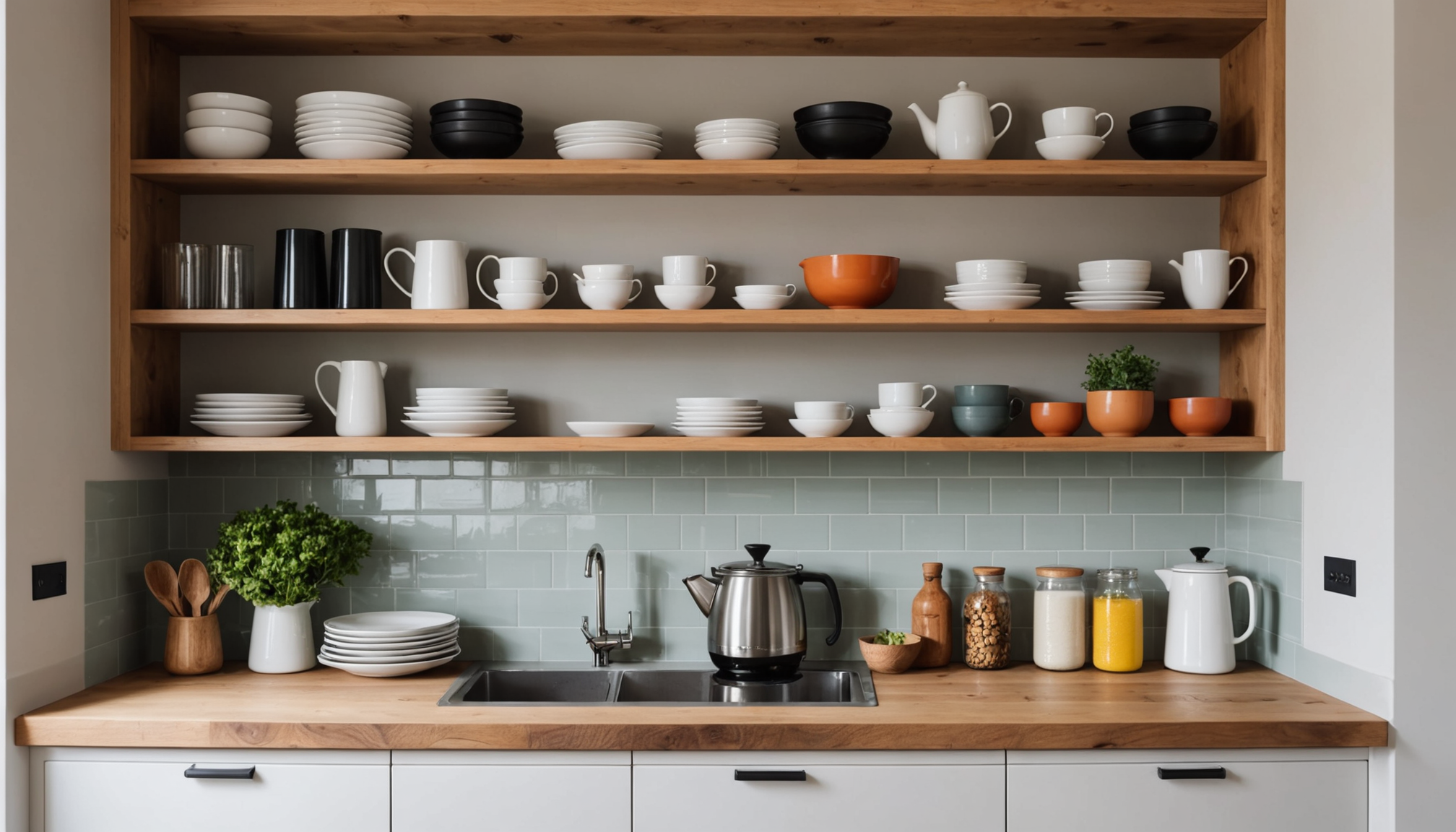 Updating cabinetry is one of the most impactful ways to bring a modern touch to your kitchen remodel. This transformation not only enhances the aesthetic appeal but also significantly increases the functionality of the space. Here’s how to approach this update step-by-step:
- Evaluate Your Current Cabinetry: Begin by assessing the state of your current cabinets. Determine if they are structurally sound or if they require a complete overhaul. Older cabinets can often be refreshed with new doors and hardware; however, cabinets that are not functioning well or are damaged may need a complete replacement.
- Choose a Modern Style: Select a cabinetry style that reflects contemporary design trends. Flat-panel doors, also known as slab doors, are iconic in modern kitchens for their clean lines. You might also consider shaker-style cabinets for a more minimalistic approach with a touch of traditional charm. Ensure that your choice complements the overall theme of your kitchen.
- Select Materials: Opt for materials that offer both durability and style. Thermofoil, laminate, and plywood are budget-friendly options with a modern look, while solid wood provides a premium and timeless appearance. Consider materials that are easy to clean and can withstand kitchen conditions, such as humidity and heat.
- Pick a Color Scheme: Decide on a color palette that enhances the spaciousness and brightness of the kitchen. Neutral colors like whites, grays, and taupes are timeless and can make the kitchen feel larger and more inviting. Alternatively, rich hues such as navy or dark green can add depth and a bold statement to the design.
- Update Hardware: Modernize your cabinetry by updating the hardware. Sleek and simple handles or knobs in finishes like matte black, brushed nickel, or polished chrome can instantly lift the look. Hardware should be consistent with the rest of the kitchen design, creating a cohesive look.
- Consider Functionality Enhancements: Incorporate elements that boost the functionality of the cabinetry, such as soft-close hinges, pull-out shelves, and integrated lighting. These features not only enhance the usability of the kitchen but also add value to the overall remodel.
- Hire a Professional or DIY: Decide whether you will undertake the cabinetry update yourself or hire a professional. While DIY can be cost-effective, a professional can offer precision and bring expert insights into optimizing space and ensuring a high-quality finish.
Each of these steps will contribute to a kitchen remodel that feels modern and functional, with cabinetry serving as the centerpiece that ties the entire space together. By thoughtfully choosing designs and materials, you can craft a kitchen that is both contemporary and enduring, appealing to your personal tastes while enhancing real estate value.
incorporate sustainable materials
Using sustainable materials in your kitchen remodel not only benefits the environment but also adds a unique, natural aesthetic to your space. By incorporating materials sourced responsibly, you’re contributing to the reduction of your kitchen’s carbon footprint while also increasing its appeal and potentially its real estate value.
When selecting materials, consider options such as bamboo, reclaimed wood, or recycled glass countertops. Bamboo is an excellent choice for kitchen flooring or cabinetry due to its rapid renewability and strength. Its beautiful grain and color variations add a warmth and modern flair to any kitchen. Additionally, reclaimed wood brings a rustic charm and a story to your kitchen, offering unique patterns and textures resulting from its previous life. This choice is ecologically smart, reducing the demand for newly harvested wood.
Recycled materials like glass or aluminum can be turned into stunning countertops or backsplashes, offering a sleek, sophisticated look while supporting environmental sustainability. Also, consider eco-friendly paints and finishes which contain lower levels of volatile organic compounds (VOCs), benefiting indoor air quality and nutritional habits for your family.
Consider investing in energy-efficient appliances and fixtures as part of the remodel. Not only will they help in reducing utility bills, but they will also modernize the kitchen by making it more functional and appealing to future buyers. Appliances with the Energy Star label ensure optimal energy savings without compromising performance. Similarly, consider low-flow faucets and LED lighting to further emphasize sustainability while maintaining functionality.
The choice of sustainable materials goes beyond aesthetics and utility; it reflects a commitment to preserving the environment for the future. Such considerations in remodeling can lead to a kitchen space that’s beautiful, contemporary, and conscientious. By choosing these materials, you are enhancing your kitchen’s design with selections that are both fashionable and responsible, which can be a great selling point in the real estate market. These materials not only serve the environment but also enrich the kitchen space with textures and stories that bespoke modern sustainable living.
enhance lighting with new fixtures
Proper lighting can dramatically transform the ambiance and functionality of your kitchen, making it one of the most effective strategies for modernizing your space. Upgrading your kitchen lighting involves more than just replacing old fixtures—it’s about creating a layered lighting design that highlights certain features, ensures adequate task lighting, and enhances the overall aesthetic appeal of your remodel.
Start by considering the different types of lighting that will suit various purposes within the kitchen. Begin with ambient lighting, which forms the foundation by providing general illumination throughout the space. Consider overhead fixtures like flush mounts or recessed lighting, which not only distribute light evenly but also blend seamlessly with a modern aesthetic. Adding dimmer switches to these fixtures can provide flexibility, allowing you to adjust the light intensity based on occasion or mood.
Task lighting is critical in areas such as countertops where food preparation occurs. Installing under-cabinet lights is a practical choice, casting focused light directly onto workspaces without shadows. LED strips or puck lights beneath cabinets can do wonders for visibility, especially in dark areas, ensuring safer, more efficient cooking.
For accent lighting, use strategically placed fixtures to draw attention to certain elements, such as a new backsplash or eye-catching decorative items. Pendant lights above an island or dining area add character and provide an opportunity to inject personal style into your kitchen design. The versatility of pendants allows you to choose from an array of designs—sleek metals, vibrant glass, or rustic wood—that align with your remodel’s theme and complement existing furniture and finishes.
Finally, don’t overlook the potential of natural light. Enhancing your kitchen’s natural illumination can be as simple as installing larger windows, adding skylights, or using light-reflecting surfaces and lighter color palettes to magnify sunlight. This not only creates an inviting atmosphere but can also reduce reliance on artificial lighting during daylight hours, contributing to energy efficiency.
Remember, when planning your lighting updates, consider both the immediate visual payoff and the long-term real estate value. A well-lit kitchen is more appealing to prospective buyers, marking it as modern and fully-functional. Whether you’re doing a full remodel or making strategic updates, focusing on the lighting can be a game-changer, offering both practical benefits and stylistic upgrades to the heart of your home.
add character with a fresh backsplash
Injecting personality and warmth into your kitchen doesn’t have to involve drastic changes; a fresh backsplash can do just the trick. This simple yet influential update can inject new life into your kitchen space without the need for major renovations. Backsplashes serve as a focal point, creating visual interest and character, while protecting walls from spills and splashes. The right choice can tie the aesthetics of your kitchen together and even become a conversation piece with guests.
When selecting a backsplash, consider the wide array of materials available. Classic options like ceramic or porcelain tiles offer durability and ease of maintenance. Their vast range of colors and patterns can meet any decor preference. For a sleek modern touch, consider glass tiles. Not only are they easy to clean, but their reflective properties can create an illusion of enhanced space and light—perfect for smaller kitchens. If you’re aiming for an eco-friendly design, recycled glass tiles provide sustainability and style simultaneously.
Natural stone backsplashes, such as marble or granite, bring an element of luxury and timeless elegance to the space. Although they require more care to preserve their beauty, the unique patterns and hues of natural stone can create a one-of-a-kind design that aligns with modern sensibilities. Metal backsplashes using materials like stainless steel or copper introduce a contemporary industrial vibe, offering both resilience and a distinctive aesthetic.
Beyond materials, consider incorporating creative patterns or textures. A herringbone or chevron pattern can add dynamic movement to your backsplash, while textured tiles can introduce depth and intrigue. Mosaic tiles allow for customization, enabling you to incorporate personal or cultural motifs that resonate with you and your family.
Installation can often be a DIY project for those with a knack for home improvements, but professional installation ensures perfect alignment and a seamless finish—important considerations if high real estate value is your goal. Regardless of who installs it, remember that a beautifully crafted backsplash not only enhances the kitchen’s aesthetic but also bolsters the overall functionality and appeal, striking a balance between style and practicality.
Updating your kitchen doesn’t necessitate an all-encompassing overhaul. By maximizing space with open shelving, modernizing cabinetry, incorporating sustainable materials, enhancing lighting, and adding character with a fresh backsplash, you can rejuvenate your kitchen into a space that is both contemporary and inviting. Each of these strategies offers an opportunity to boost aesthetic appeal while potentially increasing the real estate value of your home. With thoughtful choices, your kitchen can become a personalized reflection of your style and the heart of your home where memories are made.