When embarking on the task of building a durable outdoor enclosure, selecting the right materials is crucial to ensuring the structure not only meets your functional needs but also withstands the test of time and the elements. The choice of materials directly impacts the enclosure’s durability, longevity, and aesthetic appeal, necessitating careful consideration and planning.
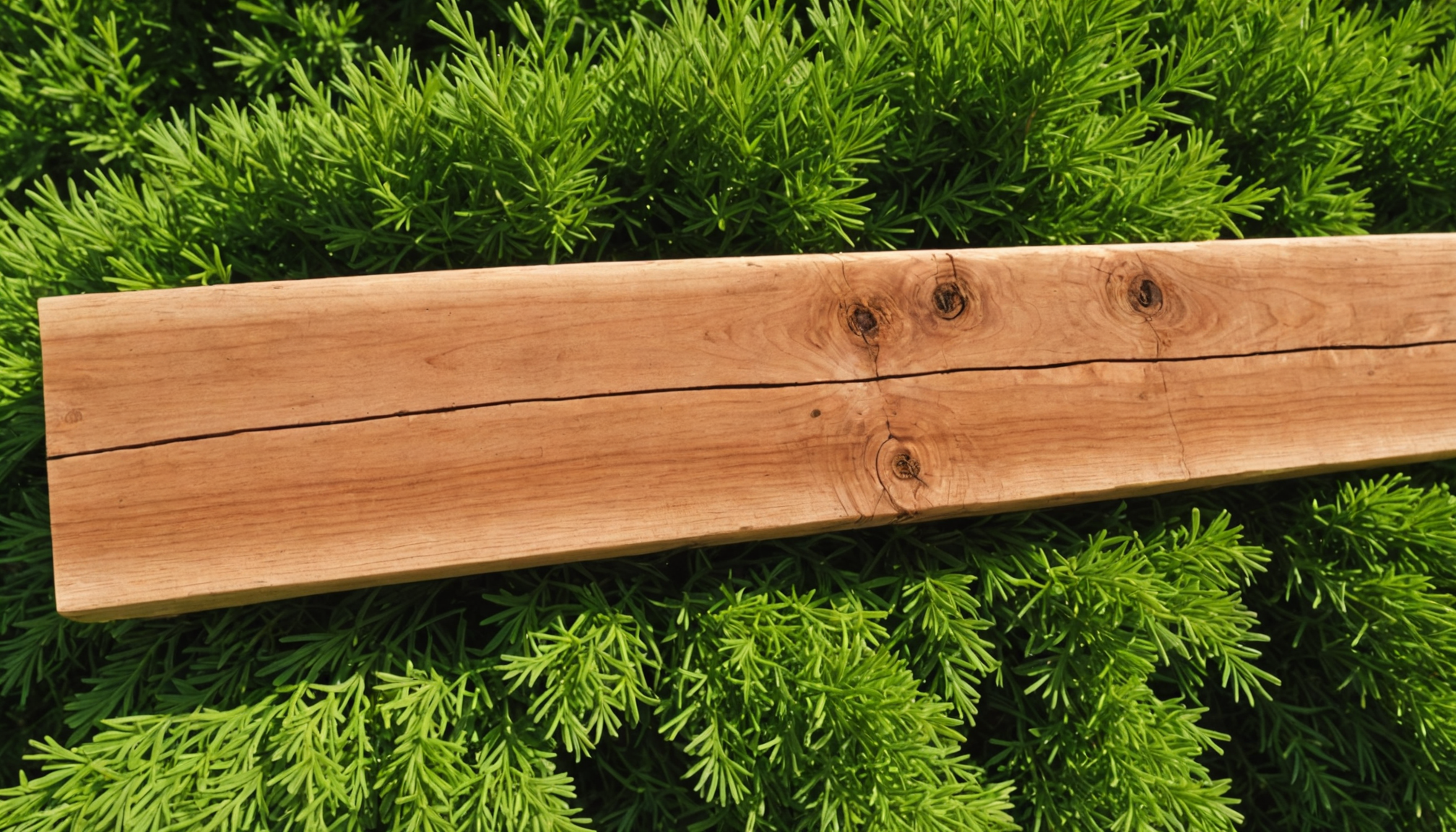
Wood is frequently the go-to choice for many builders due to its versatility and natural appearance, which seamlessly integrates with surrounding outdoor environments. Opt for pressure-treated lumber or rot-resistant species such as cedar or redwood. These types of wood offer enhanced durability against insects, moisture, and decay, making them a wise choice for outdoor constructions. For those seeking a more sustainable option, sustainably harvested or reclaimed wood adds to an eco-friendly construction approach.
Metal options bring robustness and a modern edge to outdoor enclosures. Steel and aluminum are popular choices, each offering unique advantages. Steel, known for its immense strength, can be utilized for framing, especially if dealing with large spans or heavy roofing materials. However, it is essential to treat steel with a protective coating to prevent rust when used outdoors. Aluminum, on the other hand, provides excellent resistance to rust and corrosion, making it ideal for coastal or humid environments.
Utilizing composite materials presents yet another viable alternative, blending wood fiber with plastic to create a material that mimics the appearance of wood while providing superior durability and low maintenance requirements. Composite materials are available in an array of colors and textures, offering flexibility in design without compromising on performance.
For roofs, polycarbonate sheets offer excellent UV protection and impact resistance, making them well-suited for both harsh sunlight and hail-prone areas. Another roofing option is fiberglass roofing panels, which are lightweight and easy to install, though they may require more frequent maintenance compared to other materials.
Below is a comparative table outlining the key characteristics and considerations for each of these materials:
| Material | Key Features | Pros | Cons |
| Wood | Natural look, versatile | Easy to work with, visually appealing | Requires regular maintenance |
| Steel | Strong, durable | High strength, suitable for heavy roofs | Prone to rust if untreated |
| Aluminum | Lightweight, rust-resistant | Corrosion resistance, low maintenance | Higher initial cost |
| Composite | Wood-plastic blend | Low maintenance, lasts longer | Can be costly |
| Polycarbonate Sheets | UV protection, impact resistant | Durable under sunlight, easy installation | May yellow over time |
| Fiberglass Roofing | Lightweight, weather-resistant | Easy to handle, good for varied climates | Potential for faster degradation |
Beyond structural components, fasteners, such as galvanized screws, bolts, and brackets, play a vital role in securing the structure. Using corrosion-resistant fasteners significantly reduces the chances of joint failure over time, enhancing the stability and safety of the finished enclosure.
The careful selection of materials is the foundation of a long-lasting outdoor enclosure. Balancing aesthetics, cost, and durability will enable the successful completion of a robust and visually pleasing structure, perfectly suited to its intended use and environment.
Choosing the right location
 When planning the location for your outdoor enclosure, it’s essential to consider various environmental and practical factors to ensure the structure’s long-term durability. Follow these detailed guidelines to select the optimal site:
1. Evaluate Sunlight Exposure:
– Determine how much sunlight the area receives throughout the day. Choose a location that provides the right balance of sunlight and shade, based on your intended use of the enclosure. For example, if you plan to use it as a greenhouse, maximum sunlight is beneficial, whereas for a lounging area, partial shade might be preferable.
2. Assess Wind Exposure:
– Consider prevailing wind patterns in your area. Position the enclosure in a spot that minimizes exposure to strong winds, which can cause structural stress and discomfort for users. Use natural windbreaks, such as trees or hills, to your advantage, or plan for additional man-made wind barriers if necessary.
3. Check for Flooding Risks:
– Avoid low-lying areas that may become waterlogged or flood during heavy rains. Elevate your enclosure on a slight gradient to allow for proper drainage and prevent water accumulation at the base, which can cause material degradation.
4. Look for Level Ground:
– Ensure that the ground is relatively level to simplify the construction process and enhance stability. Use a spirit level or other leveling tools to check the flatness of your chosen site. If the ground is uneven, be prepared to make necessary adjustments, such as leveling the soil or building a foundation or platform.
5. Consider Proximity to Utilities:
– If your enclosure requires connections to utilities like electricity or water, choose a location with easy access to these resources to reduce installation complexity and cost.
6. Observe Local Environmental Conditions:
– Consider the impact of local environmental conditions, such as salt air in coastal regions, which may necessitate corrosion-resistant materials. Also, observe environmental regulations that might affect your enclosure’s design or placement, such as property boundaries and zoning laws.
7. Think About Accessibility:
– Ensure that the location is easily accessible from your home and other key outdoor areas, facilitating ease of use and maintenance. Pathways leading to and from the enclosure should be clear and safe to navigate.
By meticulously choosing the right location for your outdoor enclosure, you set a solid foundation for a structure that will stand the test of time, harmonize with its surroundings, and meet your specific needs effectively.
Designing for weather resistance
Designing an outdoor enclosure that withstands various weather conditions is essential for ensuring its longevity and functionality. Start by thoroughly analyzing the specific climatic challenges your structure will face, such as intense sunlight, heavy rainfall, strong winds, or snow load. Integrating solutions to address these challenges into your design will make a significant difference in the durability and resilience of your enclosure.
For areas that experience regular rainfall, ensuring effective water management is critical. Incorporate sloped roofs to promote efficient runoff, preventing water accumulation that can lead to structural damage. Gutters and downspouts should be included to direct rainwater away from the foundation, reducing the risk of erosion and pooling. Utilize materials known for their water resistance, such as treated wood or waterproofed metals, and apply protective sealants to wood surfaces to further shield against moisture intrusion.
Regions with significant snowfall require additional design considerations to handle the weight of snow accumulation. Strengthen the supporting structures and use a roof design that facilitates snow shedding, such as steep pitches or A-frame styles, to prevent excess load that might compromise the structural integrity. Inspect and choose materials that maintain their strength even at low temperatures to ensure the enclosure can bear the additional weight.
In climates prone to strong winds or hurricanes, the key lies in designing for wind resistance. Opt for a sleek, aerodynamic layout to minimize wind impact, and anchor the structure securely to the ground using deep-set posts and auger anchors. Consider additional bracing for walls and a reinforced roof to prevent uplift. Fasteners and connectors should be heavy-duty and corrosion-resistant, ensuring they can withstand high-speed winds without failing. Where possible, windbreaks such as landscaping elements or fencing can create a buffer, reducing the force exerted directly on the enclosure.
For those battling intense sun exposure, the primary design focus should be on reducing heat absorption and increasing UV protection. Use reflective or light-colored roofing materials to deflect sunlight, keeping the enclosure cooler. Incorporate shading solutions—such as pergolas or retractable shades—alongside UV-blocking treatments for any transparent elements like polycarbonate panels. Ensuring proper ventilation through windows, louvered openings, or roof vents will facilitate air circulation, keeping interior temperatures comfortable.
Addressing weather resistance in the design phase is a proactive step ensuring your outdoor enclosure remains robust and functional, regardless of the conditions it faces. By tailoring your design to effectively combat specific weather challenges, you achieve a balance of practicality, safety, and comfort, while also significantly extending the lifespan of your structure.
Step-by-step construction guide
Starting the construction of your outdoor enclosure involves a systematic approach to ensure every phase of the build aligns with your design goals for stability, function, and resilience. A well-executed construction process begins with thorough preparation and progresses through careful execution of each step, focusing on precision and attention to detail.
Begin by laying out the foundation. Mark the outline of your enclosure on the ground using stakes and string, ensuring it aligns with your chosen location’s specifications. For a wooden structure, dig post holes at each corner and any intermediate points for support, ensuring they are deep enough to provide stability—typically around one third of the post’s length. Fill the base with gravel to improve drainage, and set the posts using concrete for enhanced stability. Ensure each post is level using a spirit level, and allow the concrete to cure fully before proceeding.
For the flooring, choose between solid foundations, such as concrete slabs, or raised platforms with wooden decking, depending on your design and soil conditions. A concrete slab offers a stable, low-maintenance base, whereas decking provides flexibility and can accommodate uneven terrain. Ensure the surface is level and properly sealed to prevent moisture intrusion.
Next, move on to constructing the walls. For wooden enclosures, build frames using pressure-treated timber, ensuring they are square and precise. These frames can be mounted directly onto the posts. Securely attach the horizontal beams ensuring they are level. If using metal or composite materials, follow the manufacturer’s instructions for assembly, ensuring all screws and joints are tightly secured to withstand movement and stress.
Attach the roofing to protect your enclosure from the elements. Depending on your choice of roofing material—be it polycarbonate sheets, corrugated metal, or shingles—begin by constructing a sturdy framework that can support the weight of the roof while also adhering to your design specifications for slope and support. Attach roof panels or tiles in an overlapping fashion to promote rainwater runoff, sealing joints with appropriate waterproofing materials to prevent leaks.
Windows, doors, and other openings should be installed with consideration for weatherproofing and security. Choose frames and sills made of rust-resistant materials and utilize weather stripping and caulking to minimize drafts and water penetration. For doors, ensure hardware is robust and designed for outdoor use to endure frequent use and varying weather conditions.
Finish by installing any additional features, such as ventilation systems, lighting, or integrated plumbing if required. Ensure all installations meet safety standards and are suitable for outdoor environments to prevent damage and ensure operational efficiency.
Throughout the process, periodically check each element for alignment and integrity, making adjustments as necessary. A methodical approach helps avoid common pitfalls and mistakes, ensuring the build progresses smoothly towards completion.
While building your outdoor enclosure may seem daunting, adhering to this comprehensive guide allows you to construct a resilient and aesthetically pleasing structure. Pay close attention to each stage of the process, ensuring a successful assembly that provides a lasting and functional space for various outdoor activities.
Maintenance tips for longevity
To maximize the lifespan of your outdoor enclosure, regular maintenance is crucial. Start by conducting routine inspections. Check for any signs of damage or wear and tear, such as cracks, warping, or rot in wooden components, and rust or corrosion on metal parts. Identifying and addressing these issues early can prevent further deterioration and costly repairs.
Reapply protective coatings to wooden surfaces as needed to defend against moisture and UV damage. Depending on the type of wood and exposure to the elements, re-staining or sealing may be required every 1 to 3 years. For metal components, touch up any chipped or scratched areas of paint or coating to avert rust formation.
Clean your enclosure regularly to prevent the buildup of debris and mold, especially in damp or shaded areas. Use a gentle cleanser suitable for the materials, such as a mild detergent for wood and a non-abrasive cleaner for metal or composite materials. Power washing can be effective for removing stubborn dirt but should be done cautiously to avoid damaging the surfaces.
Ensure ventilation systems and drainage components like gutters and downspouts remain clear of obstructions. Remove leaves and debris that can cause blockages and lead to water pooling or inadequate airflow, which can contribute to moisture-related problems.
Inspect fasteners and connections periodically to ensure they remain secure. Tighten or replace any loose or corroded screws and bolts to maintain structural integrity. Choosing corrosion-resistant hardware initially reduces maintenance frequency but does not eliminate it entirely, making these checks essential.
Regularly assess the roofing for any signs of damage or leaks. Replace worn or damaged panels or tiles promptly to prevent water ingress that can undermine the structure’s overall stability. Re-seal joints and seams in roofing materials as needed, using appropriate waterproofing products.
By implementing these maintenance routines diligently, you ensure your outdoor enclosure remains sturdy and functional for many years, allowing it to continue providing a protected and comfortable space that can be enjoyed for various outdoor activities.
In conclusion, building a durable outdoor enclosure requires careful planning and execution from selecting the right materials to regular maintenance. By considering aspects such as material selection, location, weather resistance, and construction steps, and following through with ongoing care, you ensure the longevity and functionality of your structure. With attention to detail and commitment to quality, your outdoor enclosure will serve as a reliable and aesthetically pleasing addition to your outdoor space.