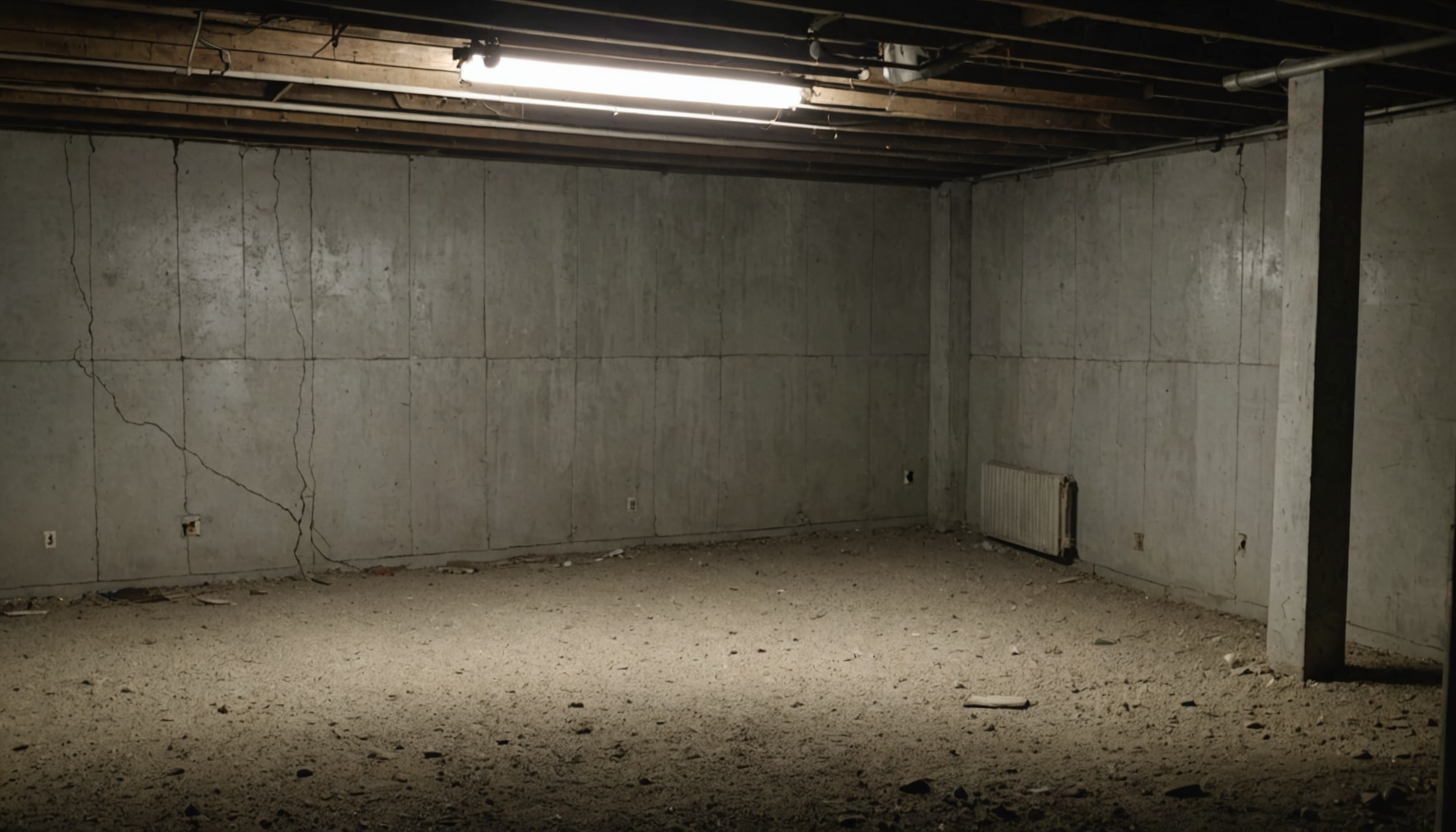
Before undertaking any renovation project, it’s crucial to first assess your basement space meticulously. A thorough assessment not only sets the foundation for your renovation plans but also helps in balancing practical needs with desired aesthetics. Begin by examining the structural aspects of your basement to determine any immediate concerns that need addressing, such as moisture problems, cracks in the walls, or uneven flooring. These issues, if not rectified early, can lead to more significant problems down the line, potentially diminishing the overall resale value of your home.
Another pivotal aspect to consider is the existing layout. Analyze the current configuration to see how it can be optimized or reimagined to better suit your needs while aligning with current design trends. If you’re considering a basement that includes functional areas such as a bathroom, it’s essential to assess the plumbing and electrical systems to ensure they can support the added features without extensive or costly upgrades. Being realistic about the condition and potential of these systems can ensure a smooth transition from planning to construction.
Equally important is assessing the amount of natural light that enters your basement. While basements typically lack abundant natural light, you can explore innovative solutions like installing larger windows or light wells if feasible. Proper lighting is pivotal in transforming your basement from a dim storage area into an inviting and usable space, thereby enhancing both your enjoyment and the basement’s contribution to the overall resale value of your home.
It is also wise to conduct a review of how much space is actually available and how it is currently used or misused. Create a list of possible uses for the basement by considering your family’s needs, whether it be a recreational area, a home office, a guest suite, or a multipurpose room. This helps prioritize the design elements and renovations that will most effectively refresh the space. Go a step further by measuring the height of the basement’s ceilings; low ceilings can constrain the types of designs and amenities possible, but with the right adjustments, even this can be creatively surmounted.
To give you a clear picture of your basement’s current status and potential, here’s a simple comparison table to log key findings and immediate action points:
| Aspect | Current Condition | Action Required |
| Structural Integrity | Minor wall cracks | Seal cracks to prevent further damage |
| Moisture Levels | High humidity | Install dehumidifier and improve ventilation |
| Natural Lighting | Limited | Consider larger windows/light wells |
| Electrical & Plumbing | Adequate for current use | Assess capacity for additional bathroom |
| Ceiling Height | 8 feet | Maximize vertical space with strategic shelving or storage |
By adequately understanding these various elements, you can tailor your renovation plans to not only meet your immediate functional needs but also follow modern trends that can enhance the aesthetic appeal and market resilience of your home. Taking the time to meticulously analyze your basement’s current state will ultimately inform smarter design choices, effective budgeting, and a successful remodeling experience.
planning the renovation
 As you embark on planning your basement renovation, a well-thought-out strategy will ensure a seamless transformation. Start by defining the primary purpose of your revamped space. Whether you envision a family entertainment area, an elegant guest suite, a home gym, or a combination of these elements, having a clear goal will guide all subsequent decisions and streamline the process.
1. Set a Budget
Begin by determining a realistic budget that aligns with your financial capabilities and renovation priorities. Consider the costs associated with labor, materials, permits, and unexpected expenses. Be sure to allocate funds for any structural updates or improvements required to resolve issues identified during your initial assessment, like moisture control and lighting enhancements. A contingency fund, typically 10-20% of your total budget, should also be included to cover unforeseen challenges during the project.
2. Design Your Layout
With your primary purpose in mind, sketch a layout that maximizes the available space while maintaining flow and accessibility. Incorporate zones that cater to different functions, such as a seating area for relaxing or a designated play area for children if applicable. Remember that open-concept layouts are on trend and can make your basement feel more spacious. Use online tools or apps to create a digital model of your design, helping you visualize the outcome and make adjustments as needed.
3. Consult Professionals
Engage with architects or interior designers to refine your design ideas and ensure your plans are feasible. Their expertise is invaluable in overcoming structural limitations, optimizing the use of space, and integrating current design trends while maintaining a focus on long-term resale value. Discuss your project timeline, from initial planning through to completion, to ensure all parties are aligned.
4. Obtain Necessary Permits
Before any construction begins, check local regulations and obtain the necessary permits to avoid legal complications. Renovations that involve significant electrical, plumbing, or structural changes often require formal approval. Ensuring compliance with municipal codes not only provides peace of mind but also enhances your home’s resale value by guaranteeing that work is done to standard.
5. Select Key Features
Determine which features are essential to achieving your desired outcome. For a basement bathroom, for instance, evaluate the extent of plumbing work required and consider water-efficient fixtures. If enhancing natural light is a priority, decide on the size and position of windows or light wells. Consider ceiling treatments or accents like recessed lighting to enhance aesthetics without compromising on ceiling height.
6. Create a Timetable
Establish a realistic timeline for your project, considering each phase of renovation—from demolition (if necessary) to final touches. Factor in potential delays, such as the availability of materials or contractor schedules, especially if elements are customized. By maintaining open communication with all involved parties, any unexpected issues can be managed promptly, ensuring smooth progression.
Following these steps will empower you to approach your basement renovation with confidence and clarity. By carefully planning every aspect, from financial considerations to design vision, you lay the groundwork for a successful transformation that meets both your personal needs and enhances your home’s market appeal.
selecting materials and finishes
When choosing materials and finishes for your basement renovation, it’s essential to keep both functionality and style in mind. The basement environment, with its unique challenges such as humidity and limited natural light, requires materials that can withstand these conditions while still offering an aesthetically pleasing appearance. Whether you’re going for a chic, contemporary look or a warm, inviting atmosphere, the right choices can dramatically enhance the finished space.
Begin with flooring, which sets the tone for the room. Given that basements are prone to moisture, opting for waterproof or water-resistant flooring is crucial to prevent damage and maintain durability. Consider materials like luxury vinyl planks or tiles, which not only mimic the luxurious look of hardwood or stone but also provide superior moisture resistance. For a cozier feel, especially if you’re creating a family room or home theater space, high-quality, moisture-resistant carpets can add warmth and comfort underfoot.
The selection of wall finishes is equally important, offering an opportunity to infuse your style preferences while ensuring practicality. Drywall remains a popular choice due to its versatility and ease of customization, allowing a myriad of paint options and textures. For a touch of sophistication, incorporate wainscoting or reclaimed wood paneling for added texture and detail. Both can significantly elevate the space, lending character without compromising on a modern esthetic. If you seek to enhance natural light reflection, using lighter paint colors or finishes can make the space appear more spacious and inviting.
Finding the right ceiling solution is critical, as basements typically have lower ceilings compared to the rest of the home. A drop ceiling can provide easy access to ductwork and plumbing while offering the option to integrate recessed lighting for a sleek and modern look. Alternatively, an exposed ceiling with painted ductwork and beams can introduce an industrial feel, which is particularly popular in contemporary design trends. In either case, incorporating creative light fixtures can transform the ambiance and lend a more personalized touch to your basement’s aesthetic.
When selecting cabinetry and storage solutions, prioritize functionality, especially if you plan to use the basement as a multifunctional space. Custom built-ins can maximize available space without encroaching on living areas, providing ample storage while maintaining a seamless design. Choosing materials like solid or engineered wood ensures durability and can be easily customized to match your desired color scheme and style.
For any newly added bathrooms or bar areas, opt for materials that offer longevity and style. Quartz countertops in these areas can resist stains and scratches, providing a durable and low-maintenance option while adding a touch of elegance. Complement these with modern fixtures and finishes, such as brushed nickel or matte black, which continue to be preferred choices in contemporary design.
By thoughtfully selecting materials and finishes, you not only enhance the visual appeal and comfort of your basement but also contribute to its overall resale value. These choices, guided by both practicality and current trends, will ensure that your basement is not merely refreshed, but transformed into a space that offers enduring value and enjoyment.
implementing the design
As you move into the practical phase of your basement renovation, implementing your carefully crafted design plans becomes the main focus. This step is where your vision transforms into reality, and meticulous execution is key to ensuring a successful outcome that aligns with your predetermined goals and budget.
Begin by coordinating with your contractor to establish clear guidelines on the workflow and timeline. Communication is crucial at this stage, so ensure that everyone involved understands the scope of the project and any specific details outlined in your plans. Regular site meetings with contractors and subcontractors can help mitigate potential issues early on, allowing you to address adjustments as needed before they affect the construction schedule or budget.
Focus on building out structural changes, such as framing new walls or adjusting existing layouts, while keeping an eye on how these changes align with your design blueprint. Ensure that the foundational elements, such as electrical wiring and plumbing systems, are installed or updated according to the specifications required for additional features, such as a newly added bathroom or enhanced lighting setups. It’s essential these systems not only meet current needs but are also aligned with future plans in case of any subsequent updates or expansions over time.
During this phase, integration of insulation and moisture barriers is critical to protect your basement from common issues like dampness and temperature fluctuations, which can be prevalent in such spaces. This step is essential for maintaining the condition of your chosen materials and finishes, as well as ensuring comfort throughout different seasons. You don’t want the effort you put into creating a warm and inviting space to be undone by inadequate environmental controls.
As you implement design elements, consider the aesthetics and functionality of each decision. For example, in areas where space might be limited, clever storage solutions like built-in cupboards or shelving can maximize usability without crowding the area. Opt for high-quality finishings that will withstand the test of time and trends, further enhancing the basement’s overall value and appeal. Thoughtfully placed lighting will also play an important role in highlighting design features, creating an atmosphere that is both practical and captivating.
Throughout this process, it’s wise to maintain a flexible mindset. Even the most meticulously planned projects face unexpected challenges, and the ability to adapt will prove invaluable. Whether it involves reselecting a material that’s popular in current design trends yet also meets practical needs, or adjusting an element of the layout to better suit unforeseen structural constraints, your decision-making should always aim for a balance of aesthetics, functionality, and long-term resale value.
Once significant elements are in place, step back and assess the space as a whole. Invite feedback from your team and even friends or family to ensure the design meets its intended purpose, which might offer fresh perspectives or innovative ideas you hadn’t initially considered. With final touches being added, attention to detail is paramount. This comprehensive approach will deliver a basement space that’s been successfully transformed, not just refreshed, ready to meet your current lifestyle while being adaptable for the future.
maintaining the revamped basement
After successfully implementing your design and enjoying the enhanced functionality and aesthetic appeal of your revamped basement, it is essential to establish a robust maintenance routine to sustain your investment over time. Begin by implementing measures to control moisture levels, which can be a common issue in basement environments. Regularly operate dehumidifiers, and ensure that any existing sump pumps or drainage systems are functioning efficiently to prevent water accumulation. Checking the seals on windows and any waterproof flooring can also safeguard against external moisture intrusions.
Keep an eye out for potential wear and tear in high-traffic areas or on frequently used fixtures and finishes. Regular cleaning and periodic inspections of materials such as flooring, cabinetry, and countertops will help maintain their appearance and integrity. Applying protective treatments or sealants to susceptible surfaces, such as wood or natural stone, can extend their lifespan and keep the space looking fresh and inviting.
It’s also important to maintain the functionality of electrical and plumbing systems to avert any disruption in your basement’s usability. Schedule routine inspections to ensure these systems remain in good working order, particularly if your renovation included complex installations like a new bathroom or advanced lighting setups. Address minor issues promptly to prevent them from escalating into more costly repairs.
In terms of aesthetics, revisit your decor choices periodically to ensure they continue to reflect your tastes and current design trends. Simple updates, such as swapping out throw pillows, rearranging furniture, or refreshing wall art, can rejuvenate the space without significant expense. Keeping an eye on design magazines and retailers can provide inspiration for minor updates that can make a big impact.
If your basement was renovated with resale value in mind, revisit the market trends every few years to evaluate if additional adjustments or upgrades could enhance its appeal even further. Small investments, such as smart home technology or energy-efficient lighting, often appeal to prospective buyers and can increase your home’s value.
By maintaining your revamped basement diligently, you preserve not only its visual allure and functional benefits but also its long-term value as part of your home’s overall appeal. This ongoing commitment will ensure that your refreshed space remains a haven of enjoyment and practicality for years to come.
In conclusion, the journey to a renewed basement involves careful planning, meticulous execution, and ongoing maintenance. By assessing your space, planning the renovation, selecting the right materials, and implementing a well-thought-out design, you will transform your basement into a valuable addition to your home. This guide has provided you the foundational steps to achieve a basement refresh that aligns with your lifestyle needs while enhancing resale potential, ensuring it remains a functional and inviting space for the future.