When choosing between a shed and a garage, space considerations play a pivotal role in the decision-making process. The amount of available space you have, both inside and outside, can significantly influence whether a shed or a garage may be more suitable for your needs.
First and foremost, it’s crucial to assess the size of your property. If you have limited yard space, opting for a smaller structure like a shed may be more viable. Sheds generally have a smaller footprint compared to garages, which makes them a great option for properties with limited land. However, if your property allows, a garage offers more interior space for storing larger items or housing a vehicle.
One of the key differences in space considerations lies in the interior capacity of each structure. Sheds can vary considerably in size, but they are generally less spacious than garages. While a shed might be perfect for storing gardening tools, bicycles, or seasonal décor, a garage can accommodate multiple uses such as vehicle storage, a workshop, or even additional storage for household items. This flexibility can be a game-changer for homeowners with varied storage needs.
Another factor to consider is accessibility. Sheds are often more flexible in their placement on a property as they can be positioned with ease on different areas of the land without the need for extensive groundwork. Meanwhile, garages typically require a stronger foundation and may involve zoning or permitting constraints that can limit placement options. Additionally, garages typically offer direct access from the driveway, which can be a major convenience for parking and unloading bulky items.
For those considering the vertical space, garages often have the advantage. High ceilings in a garage enable the installation of overhead storage solutions, providing additional space for items that are not used frequently, such as holiday decorations or sports equipment. In contrast, sheds typically have a lower roof, which can limit vertical storage options.
Below is a comparison of the space considerations for sheds and garages:
| Aspect | Shed | Garage |
| Footprint | Generally smaller, can fit in tight spaces | Larger, requires more land |
| Interior capacity | Limited; suitable for smaller items | Spacious; suitable for vehicles and larger storage needs |
| Placement flexibility | High, less groundwork needed | Lower, requires foundational work |
| Vertical storage potential | Limited due to lower roof height | High with potential for loft and overhead racks |
| Accessibility | Varies, may not provide direct driveway access | Direct driveway access, more convenient for vehicle entry |
Ultimately, when deliberating between a shed and a garage, take a comprehensive view of your current and potential space requirements. Consider not only the available land but also how the structure will integrate with your daily activities and lifestyle, ensuring that it serves your long-term needs effectively.
security and protection
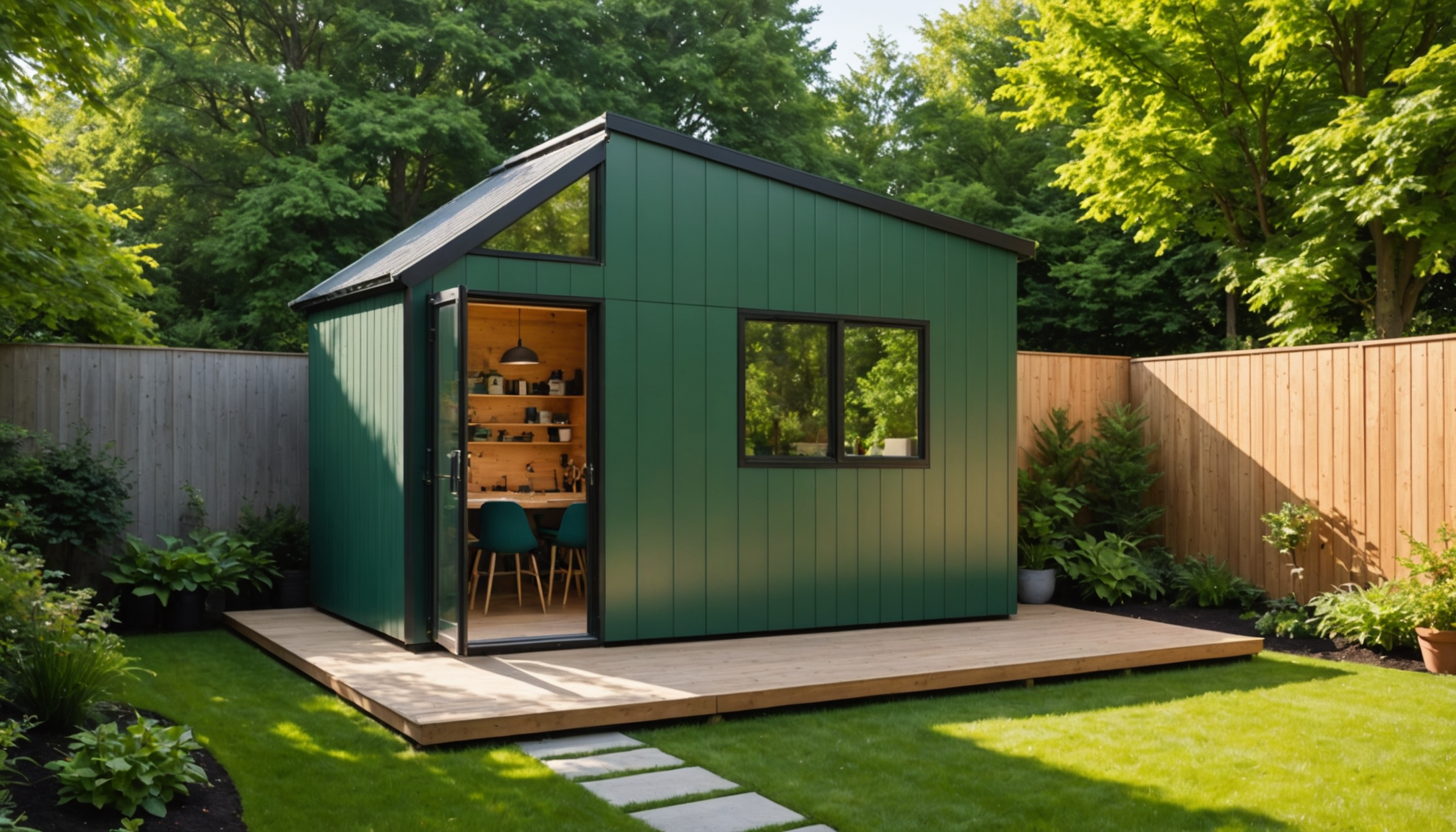 When evaluating the security and protection aspects of sheds and garages, it’s essential to take a systematic approach to understand the strengths and weaknesses of each structure. Here are some crucial considerations to ensure that your choice offers the protection and security needed for your belongings.
1. Structural Integrity:
– Garages: Typically constructed with more durable materials such as concrete and steel. These robust structures provide an inherent level of security against external forces like wind, rain, and potential intrusions. Their design is meant to withstand harsh environmental conditions, making them a more reliable option for protection.
– Sheds: Often made from wood or metal, depending on the price range and type. While some high-end sheds offer significant strength, most are not as sturdy as garages. Additional reinforcement may be needed to improve their resistance to adverse weather and unauthorized access.
2. Entry Points:
– Garages: Equipped with one or more heavy-duty doors, often featuring automatic opening systems with lockable mechanisms. Many garages also include a side door, which needs to be secured with high-quality locks. This combination makes garages less susceptible to break-ins.
– Sheds: Usually built with lighter doors that might not have the same degree of security as garage doors. Upgrading to a reinforced door or adding security bars can help in enhancing a shed’s protection against unauthorized access.
3. Windows and Ventilation:
– Garages: When they include windows, these are usually smaller and designed to be secure, sometimes featuring frosted glass to prevent easy visibility inside. Installing security film or shutters can further prevent window tampering.
– Sheds: The use of larger windows can increase the risk of forced entry and ease of visibility. To counteract this, you can apply protective mesh or install window alarms to deter intruders.
4. Locking Mechanisms:
– Garages: Benefit from advanced locking systems that integrate with home security systems. Smart locks and deadbolts can significantly boost security, and adding interior locks provides an extra layer of defense.
– Sheds: Typically come with simple lock-and-key systems. Upgrading to more sophisticated locking mechanisms like padlocks with hardened steel shanks or adding locks to hinges can improve protection.
5. Surveillance and Alarm Systems:
– Garages: Can easily be connected to home alarm systems and surveillance cameras. Motion detectors and alarm systems can alert you of any unauthorized entry or suspicious activity.
– Sheds: Stand-alone options like battery-powered cameras or motion sensor lights can be installed if the shed is not close enough to connect to the main home security system. These devices act as both a deterrent and a means of recording activity around the shed.
6. Setting and Location:
– Garages: Their proximity and connection to the house can make them easier to monitor and secure as part of your overall home security strategy.
– Sheds: Often located away from the main residence, they require independent security measures. Consideration of the surrounding environment, such as lighting and visibility from the main house, will play a significant role in their security.
By meticulously analyzing these elements, you can make informed decisions about necessary enhancements to fortify either a shed or a garage. Each offers distinct advantages in terms of security and protection, and understanding these will help ensure your possessions are as well-protected as possible.
cost comparison
When it comes to dissecting the financial aspect of choosing between a shed and a garage, several factors come into play that can significantly sway the overall cost. Understanding the cost implications can help you make an investment that aligns with both your budget and your long-term needs.
Initial Construction Costs:
– Garages: Typically, constructing a garage demands a higher initial investment. This is largely due to the materials and labor involved. The foundation, reinforced walls, roofing, and sometimes the installation of electrical systems contribute to a heftier price tag. Additionally, garages often require permits and compliance with local building codes, which can add further to the cost.
– Sheds: On the other hand, a shed usually represents a more budget-friendly option. The construction of a shed involves less intensive groundwork and materials, often using prefabricated kits that homeowners can assemble themselves, reducing labor expenses. This makes sheds an attractive option for those seeking a lower initial financial outlay.
Material and Build Quality:
– Garages: Built to last, garages typically use higher quality, durable materials that can weather harsh conditions and provide longevity. While this contributes positively to property value and aesthetics, it also raises construction costs.
– Sheds: Although typically using more economical materials, modern sheds can be ordered in a variety of finishes and features that, while costlier than basic types, still generally remain less expensive than garages. High-end sheds can bridge the quality gap, but the price will increase accordingly.
Utility and Operational Costs:
– Garages: Expect ongoing costs if your garage includes electrical wiring, heating, or cooling systems. These utility expenses can accumulate, especially if the garage is frequently used or converted into a workspace or living area.
– Sheds: Generally, sheds have fewer running costs, particularly if they lack extensive insulation or electrical setups. They might incur some minor maintenance costs, depending on construction material, but these are typically minimal compared to garages.
Maintenance and Longevity:
– Garages: Are designed for maximum durability, often requiring less frequent major maintenance. However, when maintenance is needed, costs can be higher due to complex structures and systems.
– Sheds: With periodic maintenance, sheds can yield long service lives. Routine upkeep often involves treating wood against pests and weather, or regular checks on metal structures to prevent rust, but these tasks are generally uncomplicated and inexpensive.
Resale and Equity Impact:
– Garages: Adding a garage to your property might increase your home’s market value significantly. This boost in equity can potentially offset major construction costs if you decide to sell or refinance your property.
– Sheds: While they may not add as much value as garages, well-built and maintained sheds can still offer incremental property value gains, particularly when customizations create a unique or useful outdoor addition.
In summary, the decision between investing in a shed or a garage involves weighing immediate costs against potential long-term benefits. Understandably, the allure of a garage is entangled with future paybacks such as increased property value, while a shed offers appealing upfront savings and practicality for budget-conscious homeowners. When planning, it’s beneficial to balance these financial considerations with personal needs and intended use of the space.
versatility and uses
When it comes to contemplating the versatility and potential uses of sheds and garages, it’s essential to identify how each structure can adapt to your different lifestyle requirements and activities. Both provide varied functionalities, making your choice dependent on anticipated uses and specific objectives.
Garages, with their substantial size and robust design, often serve as multifaceted spaces. Besides housing vehicles, they can seamlessly transition into a home workshop, gym, or even a man cave. The strength and insulation of a garage make it a suitable environment for activities that require stability and protection from the elements. Whether it’s carpentry, automotive repairs, or a hobby space, the strength and security offered by a garage can support heavier equipment and more intensive activities. Furthermore, many homeowners find the garage to be an ideal storage solution for motorcycles and recreational vehicles, providing ample space and security for such valuables.
Sheds, although usually smaller, possess unique versatility tailored to particular needs and constraints. For gardening enthusiasts, a shed represents an obvious choice as a potting station or garden tool storage area. Its compact nature allows homeowners to organize tools, fertilizers, and seasonal equipment easily. Beyond traditional uses, sheds can transform into quaint, separated home offices, art studios, or reading nooks that offer privacy away from the bustle of the main house. Modern shed designs allow for customizable interiors, paving the way for nuanced usages like yoga retreats or meditation spaces. The charm of a shed lies in its ability to provide a dedicated space for creative pursuit without the large commitment of a bigger structure.
Considerations surrounding climate and insulation can heavily influence intended uses as well. Garages generally offer better insulation, making them more suitable for activities in varying weather conditions. This is particularly beneficial for spaces where temperature-sensitive work or equipment is involved. On the other hand, sheds can be insulated or ventilated to improve comfort levels, turning them into flexible, seasonal spaces.
Each structure’s adaptability is not just an extension of its physical space but also its ability to conform to one’s personal life enhancements. Whether aiming for a robust multi-purpose area or a compact, focused retreat, the choice between a garage and a shed extends beyond practicality, allowing homeowners the freedom to cultivate spaces that reflect their passions and lifestyle changes over time.
In essence, consider how your current and future activities might benefit from the environment each structure provides. Understanding these versatility options will guide you to create a personalized sanctuary that enhances your quality of life and maximizes the utility of your property footprint. As you recall the overall discussion on sheds versus garages, keep in mind how each aspect influences the versatility and functionality aligned with your aspirations.
aesthetics and property value
When assessing how your property’s aesthetics and value may be affected by adding a shed or a garage, it’s important to consider both how each structure complements your home’s appearance and how it may influence your long-term investment.
Garages, often seen as an integral part of a home’s architecture, typically offer a seamless aesthetic transition. Built with materials meant to match or complement the main house—such as brick, siding, or stucco—garages tend to blend effortlessly into the property. The integration of a garage can bolster a home’s curb appeal, especially when its design aligns with the overall architectural style. The choice of doors—be it carriage-style, traditional paneled, or contemporary glass—adds a layer of sophistication. A well-constructed garage significantly contributes to a home’s marketability, as potential buyers often view it as a valuable asset. This is primarily due to its multifunctional ability, which not only meets practical storage needs but also enhances the property’s usability.
Sheds, though typically modest in size, can likewise be pivotal in enhancing a property’s value and aesthetic. Modern sheds are now available in a plethora of styles that can transform them into striking garden features. Decorative trims, color-coordinated roofs, and creative landscaping can make a shed a focal point, or blend elegantly into your backyard’s environment. Consider designs that complement features of your house, such as matching colors or materials, to maintain a cohesive visual effect across the property. The trend towards high-quality, designer sheds has sparked interest among homeowners and buyers alike, especially when these structures are highly customized and serve as unique retreats or functional spaces. While the addition of a shed may not drive home value increases to the extent garages do, it can nevertheless demonstrate a well-maintained and functional outdoor space, appealing to those with aesthetic or specific utility preferences.
Looking at both options from a broader investment perspective, garages generally offer a greater return on investment due to their perceived permanence and multipurpose functionality. They are typically viewed as extensions of the home, which can be more attractive to potential buyers. Conversely, sheds offer an added lifestyle benefit—particularly when creatively utilized as bespoke spaces—that can resonate with buyers seeking lifestyle enhancements or unique attributes.
In conclusion, the decision between a shed and a garage ultimately boils down to aligning the choice with your property’s existing aesthetic, the intended utilitarian versus aesthetic addition, and clearly understanding how each structure fits into your long-term value goals. The investment in either option should balance immediate financial realities with future aspirations, ensuring that the chosen structure enhances both your living environment and the overall value of your property in meaningful ways.