When selecting siding materials for modern homes, it’s crucial to weigh the various characteristics that each type possesses. Homeowners must consider factors such as durability, aesthetic appeal, maintenance requirements, and overall cost. By comparing these attributes across different siding materials, one can make a more informed decision that aligns with their personal preferences and budget.
One of the most popular siding materials is vinyl, known for its affordability and versatility. Vinyl siding offers a wide array of colors and textures, making it a flexible choice for many design preferences. It requires minimal maintenance and is resistant to rot and insect infestation. However, its susceptibility to extreme weather conditions and potential for fading over time may deter some homeowners.
Fiber cement siding presents another compelling option, renowned for its durability and resemblance to natural wood. Composed of a mixture of cement, sand, and cellulose fibers, this material exhibits excellent resistance to fire, pests, and harsh weather conditions. Additionally, it provides a substantial return on investment due to its longevity and minimal maintenance needs. Nevertheless, the initial installation cost can be higher compared to other options.
Wood siding holds a timeless allure, particularly for those who value a classic and natural aesthetic. While offering a warm and inviting appearance, wood requires regular upkeep to prevent rot, warping, and insect damage. Despite these maintenance requirements, the richness and authenticity of wood are unparalleled, making it a coveted choice for traditional and rustic home designs.
To aid in the decision-making process, the following table provides a comparison of these popular siding materials based on several key attributes:
| Material | Durability | Aesthetic Appeal | Maintenance | Cost |
| Vinyl | Moderate | High (varied options) | Low | Low |
| Fiber Cement | High | High (wood-like appearance) | Moderate | Moderate to High |
| Wood | Moderate to High (with maintenance) | High | High | High |
This comparison highlights that while vinyl offers affordability and simplicity, fiber cement brings robust durability at a higher initial cost. Wood, although more demanding in maintenance, provides unmatched beauty and is often selected for its aesthetic purity. By carefully evaluating these differences, homeowners can select the siding material that best suits their design vision and practical needs.
Pros and cons of vinyl siding
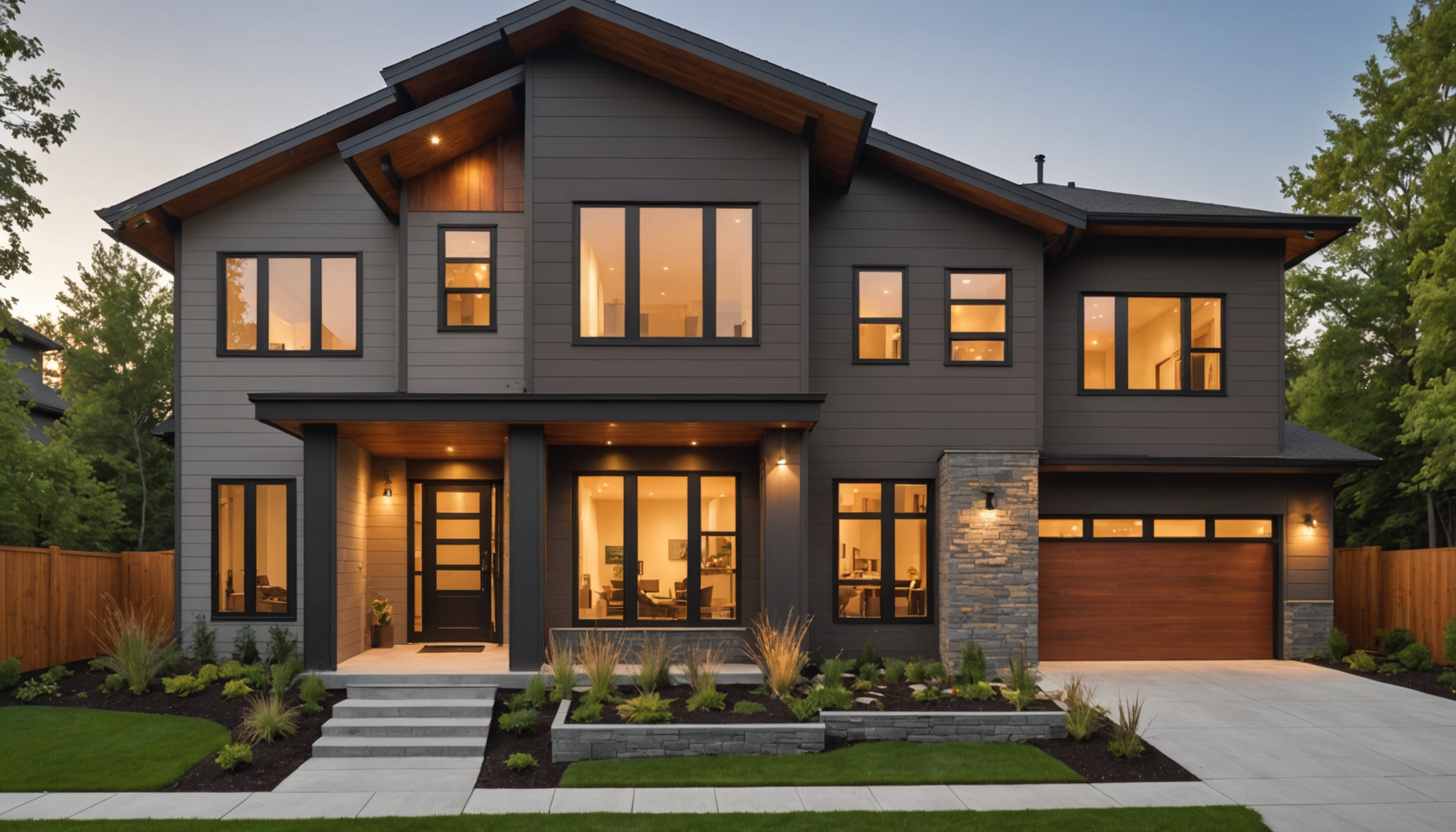 When considering vinyl siding for your home, it’s essential to thoroughly assess both its benefits and drawbacks. On the positive side, vinyl siding is often favored for its cost-effectiveness and versatility. Here’s a detailed look into its pros and cons:
1. Affordability: One of the most appealing aspects of vinyl siding is its affordability.
– It is generally less expensive than other siding materials like wood or fiber cement, making it accessible for homeowners on a budget.
– Installation costs are usually lower because it’s lightweight and easy to work with, which can save on labor expenses.
2. Versatility in Design:
– Vinyl siding comes in a wide range of colors and styles, from traditional clapboard to modern vertical patterns.
– This versatility allows homeowners to match the siding easily with their personal taste and architectural style.
3. Low Maintenance Requirements:
– Unlike wood siding, which requires regular painting and sealing, vinyl only needs occasional cleaning with soap and water to maintain its appearance.
– It does not chip or peel, reducing the need for frequent touch-ups or painting.
4. Durability and Resilience:
– Vinyl is resistant to common issues such as rot and insect infestation, which can be a significant advantage in maintaining the home’s structural integrity over time.
5. Energy Efficiency:
– Some vinyl siding products are insulated, which can enhance a home’s energy efficiency by reducing heating and cooling costs.
– Insulated options may contribute to noise reduction, making homes quieter and more comfortable.
However, potential downsides must also be considered:
1. Susceptibility to Weather Extremes:
– Vinyl siding can become brittle in extremely cold temperatures, leading to cracking.
– In very hot conditions, it may melt if exposed to a significant heat source, such as a nearby grill or reflective sunlight.
2. Fading and Discoloration:
– Over time, especially if exposed to intense sunlight, the vibrant colors of vinyl siding can fade.
– This can lead to a dull appearance, and though some newer products are treated to resist fading, it remains a concern for long-term aesthetics.
3. Environmental Concerns:
– Vinyl is made from PVC, a type of plastic that raises environmental concerns regarding its production and eventual disposal.
– It is not biodegradable, and there are limited options for recycling, contributing to landfill waste.
4. Perceived Value:
– Some homeowners feel that vinyl siding lacks the natural beauty and charm of materials like wood or stone.
– Despite advancements in texture and design, vinyl may sometimes be perceived as a lower-quality option.
When evaluating if vinyl siding is the right choice, balance these factors with your specific circumstances, such as budget constraints, climate considerations, and long-term goals. By doing so, you can determine whether its pros outweigh the cons for your particular needs.
Benefits of fiber cement
Fiber cement siding stands out as a superior choice for homeowners seeking a blend of durability, aesthetics, and functionality. One of its primary advantages is its exceptional durability. Composed of cement, sand, and cellulose fibers, it is engineered to withstand a wide range of environmental pressures, making it virtually impervious to fire, wind, and pests. For those living in areas prone to hurricanes, wildfires, or termites, this added resilience offers peace of mind, ensuring the structure’s longevity and safety.
Moreover, fiber cement siding replicates the appearance of natural wood, providing a high aesthetic appeal without the drawbacks associated with organic materials. Homeowners who desire the warm, inviting look of wood without the extensive maintenance needs often find fiber cement siding to be the perfect solution. It’s available in a myriad of textures and finishes, allowing for substantial customization that aligns with diverse architectural styles and personal tastes.
In terms of low maintenance, fiber cement siding is a clear frontrunner. Unlike wood, it doesn’t require regular painting, sealing, or the continuous battle against rot and insect damage. Instead, a simple periodic cleaning can keep it looking pristine, freeing up valuable time and resources for homeowners. This not only reduces long-term maintenance costs but also enhances its appeal for those who prioritize practicality.
Fiber cement also delivers significant environmental benefits. As a sustainable option, many manufacturers incorporate recycled materials into its composition, and it doesn’t release harmful VOCs into the environment. For homeowners conscious of their ecological footprint, this option can align with more environmentally friendly construction and renovation practices, contributing to a healthier planet.
Another considerable advantage of fiber cement is its return on investment. Despite a higher initial cost compared to vinyl or some other materials, it tends to offer a high return due to its durability and low maintenance costs, as well as its capacity to enhance curb appeal and property value. The long lifespan of fiber cement siding, often exceeding several decades, means that the upfront investment pays off over time, making it a financially sound choice for many.
Additionally, its resistance to UV damage means that the color doesn’t fade quickly, ensuring that the home maintains its look and aesthetic appeal without the necessity for frequent repainting. This resilience to elements, combined with its aesthetic flexibility and eco-friendly nature, makes fiber cement an increasingly popular choice among modern homeowners aiming to strike a balance between style, quality, and sustainability.
Timeless appeal of wood siding
Exuding a quintessential charm and warmth, wood siding has long been cherished for its timeless beauty and ability to seamlessly blend with various architectural styles. Its allure lies in the natural grains and textures that lend a unique character to each piece, creating a facade that’s both sophisticated and inviting. For homeowners seeking a classic and organic look, wood siding offers a depth of aesthetic appeal that is difficult to replicate with synthetic materials.
Beyond its visual appeal, wood siding is highly versatile, supporting an array of design possibilities. It can be painted or stained in numerous colors, allowing for a high degree of customization to suit personal tastes or to reflect changing design trends. This adaptability lends wood siding the ability to complement rustic cottage exteriors as easily as sleek, modern homes, making it a favored choice for those who prioritize bespoke design.
However, opting for wood siding also necessitates a commitment to maintenance, as it requires regular sealing, staining, or painting to protect against the elements. Without this upkeep, wood is susceptible to moisture-related issues such as rot, mold, and warping. Additionally, to preserve its integrity, measures must be taken to defend against termite and insect damage. Despite these requirements, many homeowners are willing to invest the time and effort in exchange for the distinctive aesthetic that wood siding offers.
The environmental friendliness of wood siding is another strong selling point, especially when sourced responsibly from sustainable forests. It is biodegradable and, when managed correctly, can be a renewable resource, making it an attractive choice for eco-conscious homeowners. Moreover, wood’s natural insulating properties can enhance a home’s energy efficiency by improving temperature regulation, which can potentially reduce heating and cooling costs.
Importantly, wood siding can significantly increase the perceived value of a home. Its aesthetic appeal and high-quality appearance are often associated with premium construction, potentially boosting curb appeal and resale value. For those who appreciate craftsmanship and natural beauty, wood siding provides an authentic and enduring facade that communicates a sense of heritage and refinement.
Despite its challenges, the classic charm and natural elegance of wood siding ensure its continuing popularity among homeowners and builders alike. Remember the rich history and beauty this material contributes to the architectural tapestry, bearing in mind that its enduring allure comes with responsibilities that are well worth the commitment.
Innovative eco-friendly options
In an ever-evolving market where sustainability is becoming increasingly important, innovative eco-friendly siding options are gaining momentum. These alternatives not only minimize environmental impact but also offer homeowners unique benefits tailored to modern standards of living and environmental responsibility.
Bamboo siding stands out as a frontrunner in sustainable design due to bamboo’s rapid growth cycle, making it a highly renewable resource. Its natural resistance to moisture, rot, and pests enhances its durability, making it an attractive option for eco-conscious homeowners. Bamboo also provides a distinctive aesthetic, offering a sleek, modern look with its unique grain patterns and rich coloration. As it requires minimal processing, bamboo siding maintains a smaller carbon footprint compared to more traditional materials.
Recycled metal siding is another innovative choice, favored for its longevity and recyclability. Often crafted from materials like aluminum or steel, this siding is both highly durable and weather-resistant, standing up well against extreme weather conditions. Its sleek, industrial aesthetic complements contemporary architectural designs, providing a modern yet sustainable appearance. Using recycled metals not only reduces the demand for virgin material extraction but also offers a siding solution that is fully recyclable at the end of its life, further promoting a circular economy.
Engineered wood siding, made from wood fibers and polymers, offers the visual appeal of natural wood without the associated maintenance concerns. This composite material uses low-emission adhesives, thereby reducing its environmental impact. Engineered wood siding can be manufactured from reclaimed wood products, making it a sustainable option that retains wood’s warmth and charm while providing enhanced durability and resistance to pests and rot.
For homeowners looking to reduce energy consumption, insulated siding options are increasingly popular. By integrating a layer of rigid foam insulation with traditional siding materials, these products improve home energy efficiency by reducing heating and cooling costs. Insulated siding acts as both a thermal barrier and an effective noise insulator, contributing to increased comfort within the home. Additionally, this technology can be combined with a variety of siding materials, allowing for flexibility in design while supporting greener practices.
Innovative eco-friendly siding options underscore the growing trend of adopting more sustainable building materials that meet both aesthetic desires and environmental responsibilities. As these technologies advance, they offer viable alternatives to conventional materials, aligning with the values of today’s environmentally conscious homeowners. Embracing these options not only contributes to an eco-friendly footprint but also represents a forward-thinking approach to home design, ensuring that beauty and sustainability walk hand in hand.
In conclusion, when selecting siding for modern homes, consider the distinctive features of each type along with personal needs and environmental priorities. Whether prioritizing affordability, longevity, an authentic look, or sustainability, there is a siding option available to fulfill diverse preferences. By carefully evaluating the strengths and weaknesses of these materials, homeowners can make informed decisions that enhance both the aesthetic and functional aspects of their homes, paving the way for beautiful and eco-conscious living spaces.