Your home’s siding plays a crucial role in protecting its structure and maintaining its overall appeal. However, like any other building material, it is susceptible to wear and damage over time. Being able to identify the signs of deterioration early can help you make informed decisions about whether a replacement is necessary.
One of the most evident signs of aging siding is the presence of cracks or gaps. These can occur due to prolonged exposure to harsh weather conditions, such as extreme temperatures, wind, and moisture. When left unchecked, cracks not only affect the aesthetic appeal but also allow water to penetrate, leading to further damage, mold growth, and potential structural issues.
Another indicator of siding in distress is the presence of warped or buckled panels. When exposed to intense sunlight or moisture, some materials may expand or contract. This movement can cause them to warp, affecting both the appearance and functionality. Warping often indicates underlying moisture problems or poor initial installation.
Fading and discoloration are also common signs that siding may need attention. Over time, UV rays can break down the pigmentation in siding materials, resulting in a faded or blotchy appearance. While this does not necessarily compromise the integrity of the siding, it does impact the home’s curb appeal and may signal that the siding’s protective layer has worn down.
- Rotting or decay: Particularly in wood siding, rot is a clear sign of damage. Rot weakens the siding, making it less effective at protecting your home.
- Mildew, mold, or fungus: While these can form on almost any surface, consistent growth may indicate trapped moisture beneath the siding.
- Peeling paint or wallpaper on interior walls: This may signify a moisture breach through the siding causing damage inside.
If you notice visible holes or insect activity, it is critical to investigate further. Insects like termites can burrow into siding, creating small holes. Over time, their presence can lead to significant structural damage, making it essential to address issues promptly.
Tapping on your siding might also indicate problems. If you notice sections that feel solid in one area but hollow in another, it might suggest underlying damage or the need for urgent repair. In some cases, you might also observe higher energy bills due to compromised insulation capabilities linked to the siding’s condition.
Ultimately, routinely inspecting your siding for these signs can prevent minor issues from developing into major problems, ensuring your home remains protected and visually appealing. Early detection and proactive measures can save both time and money in the long run, potentially extending the life of your current siding installation.
impact on energy efficiency
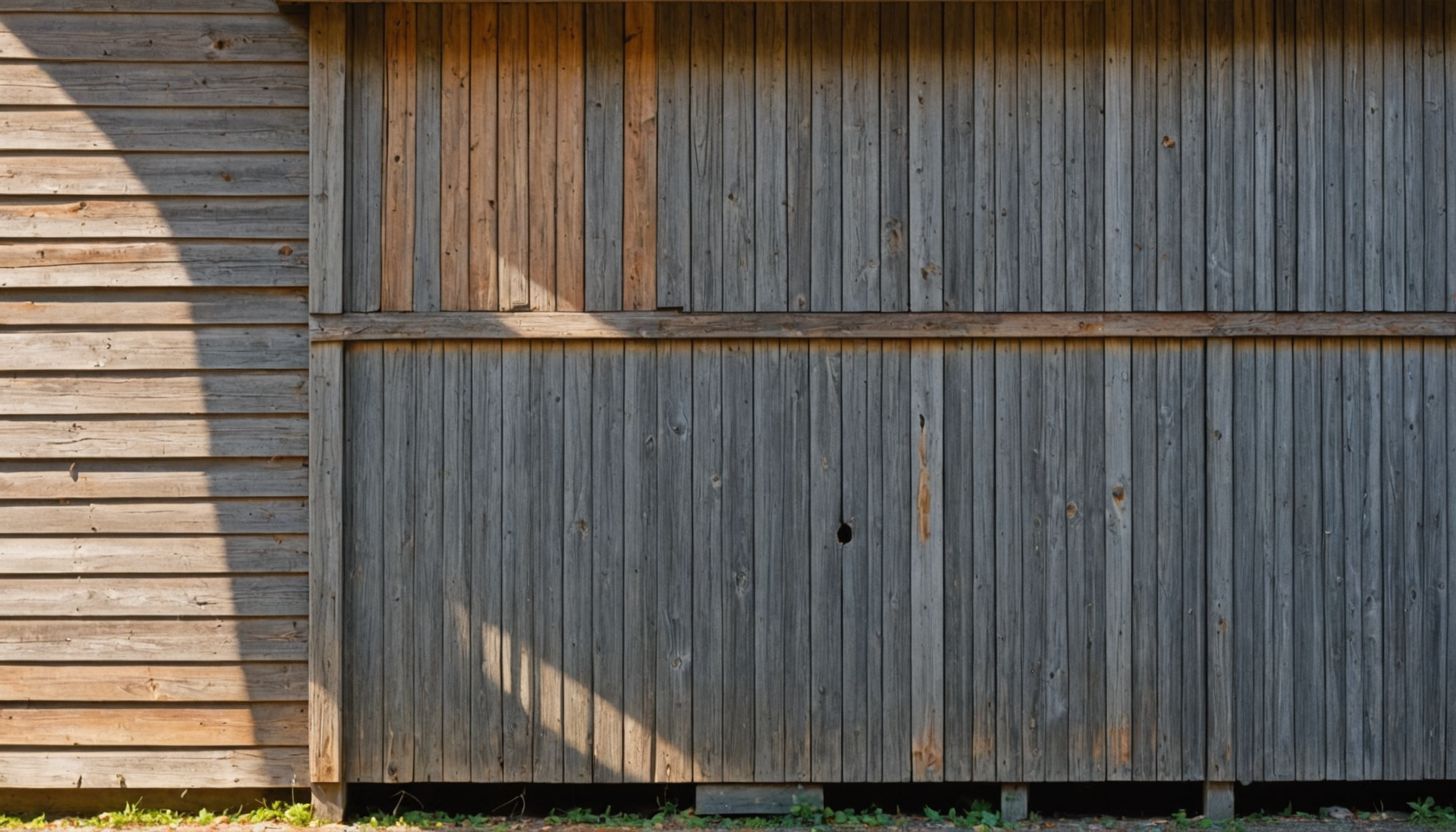 When your siding starts to falter, it doesn’t just impact the structure and appearance of your home—its efficiency can take a hit too. Energy efficiency is an essential consideration when determining whether to replace siding, as compromised siding can contribute to increased energy expenses. Here’s how it can influence your home’s energy use:
1. Insulation Capacity:
– Siding acts as a protective barrier between your home and the external environment. The integrity of this barrier directly affects how well your home can maintain its internal temperature, reducing the demand on heating and cooling systems.
– Damaged or degraded siding can create gaps that allow conditioned air to escape, making it harder for your home to maintain a stable indoor temperature. This means your HVAC system has to work harder, potentially increasing your energy bills significantly.
2. Moisture Management:
– Properly installed and intact siding is designed to manage moisture effectively, preventing it from seeping into your home’s structure. When moisture maintenance falters due to damaged siding, it can increase humidity levels inside, putting additional stress on air conditioners and dehumidifiers.
– High humidity can also decrease the perception of coolness in the air, resulting in the thermostat being set to lower temperatures than necessary, thus consuming more energy.
3. Reflective Properties:
– Many modern siding materials have been designed with reflective properties that help to regulate the temperature inside the house by deflecting the sun’s rays. Faded or degraded siding loses this ability, thus absorbing more heat in the summer, which again results in increased reliance on air conditioning.
– Over time and with exposure to elements, the finish on the siding might wear out, reducing its effectiveness in conserving energy.
4. Airflow and Ventilation:
– Gaps or cracks in the siding affect the building’s natural ventilation, not only allowing air leaks but also making it susceptible to drafts.
– Inconsistent airflow due to compromised siding affects the home’s energy efficiency, as it creates hot or cold spots that might require extra energy for heating or cooling to address comfort.
To ensure your home remains energy-efficient, pay attention to energy bill fluctuations that seem out of the ordinary, especially when they coincide with visible damages to siding. Replacing old or damaged siding can often lead to a noticeable reduction in energy costs, improving your home’s overall efficiency and comfort.
cost considerations
When it comes to considering the costs associated with replacing your siding, it’s essential to take a comprehensive view of both immediate expenses and long-term savings. The initial outlay for siding replacement can appear daunting, but weighing this against potential savings in home maintenance, energy bills, and property value enhancement can offer a more balanced perspective.
Initial Investment vs. Long-Term Savings:
Replacing siding is indeed a significant investment, but it can lead to substantial savings over time. Old or damaged siding often requires frequent repairs, which add up quickly. Investing in high-quality siding materials known for durability can reduce recurring repair costs. Modern siding can offer more effective insulation and protection, lowering the need for frequent maintenance.
Energy Efficiency Savings:
A primary financial advantage of new siding is its impact on energy costs. High-quality, well-installed siding can enhance your home’s insulation, lowering heating and cooling expenses. As discussed earlier, new siding can address air leaks and improve temperature regulation within your home, leading to decreased utility bills.
Increased Property Value:
Newly installed siding enhances curb appeal, making your home more attractive to potential buyers and possibly increasing its market value. Appraisers often factor in the condition and appearance of a home’s exterior when determining value. High-quality siding doesn’t just improve aesthetics; it signals to buyers that the home is well maintained, which can justify a higher asking price.
Potential Financial Incentives:
In some instances, upgrading to certain types of energy-efficient siding might qualify you for federal or state tax credits, rebates, or incentives from utility companies. Investigating these options can offset a portion of the replacement cost, making it a more appealing financial decision.
Cost of Delay:
Delaying siding replacement can lead to more significant expenses in the future. Compromised siding might lead to water damage and structural issues, both of which are typically costlier to fix. The longer these problems persist, the more extensive and expensive they become to repair.
When assessing the cost of replacing siding, it’s crucial to look beyond the initial price tag. Consideration of long-term savings, property value enhancement, potential financial incentives, and the prevention of future costly repairs can provide a more comprehensive understanding of the investment benefits. With this approach, replacing siding is not merely an expense; it’s a strategic decision that can boost your home’s longevity, efficiency, and value.
common materials and their lifespans
Understanding the expected lifespan of different siding materials can be crucial in planning for future replacements and gauging when upkeep efforts might no longer suffice. Here’s a closer look at the most common siding materials and what you can generally expect in terms of longevity:
Vinyl siding is a popular choice due to its affordability and minimal maintenance requirements. Under typical conditions, high-quality vinyl siding can last anywhere from 20 to 40 years. Its durability can be affected by factors such as climate and exposure to harsh weather conditions, such as extreme heat or cold. While it does not require painting, regular cleaning helps maintain its appearance over the years. Although vinyl is known for its resilience, it can become brittle over time and may crack or warp with significant temperature changes.
Wood siding offers a classic, natural look but requires more maintenance to reach its full lifespan potential of 20 to 40 years. Regular painting or staining is necessary to protect it from moisture and insect damage. High-quality woods like cedar can naturally resist decay and insects, extending the material’s lifespan. However, without proper care, wood siding can succumb to rot or termite infestations, necessitating early replacement.
Fiber cement siding is renowned for its durability and aesthetic versatility, often lasting between 25 to 50 years. It resists rot, fire, and insect damage, making it a solid choice for those willing to invest in its somewhat higher upfront cost. The material can mimic the appearance of wood while offering superior longevity and less frequent maintenance requirements. However, over time, it may require repainting as the original color fades.
Aluminum siding has seen reduced popularity with the advent of newer materials, but it remains a viable option due to its resistance to moisture and pests. It is lightweight and can endure for approximately 30 to 50 years with proper care. It can be more susceptible to denting and scratching, which affects its appearance, but re-painting can refresh the look as needed. Aluminum’s longevity makes it a cost-effective solution in environments where weather extremes put pressure on other siding materials.
Brick and stone veneer options are some of the most long-lived siding materials, with lifespans that easily exceed 50 years, and in some cases, they can last over a century. These materials are highly resistant to weathering, decay, and insect damage. While initial costs are higher, they offer timeless appeal and unmatched durability with minimal maintenance, making them excellent choices for those intending to create a long-lasting facade.
For each type, maintenance practices significantly affect longevity. Engaging in preventative care and timely repairs invariably extends the useful life and performance of your home’s siding, providing both aesthetic and functional benefits. Understanding the typical lifespan of the material you have or plan to install can better inform your maintenance schedule and replacement timeline.
maintenance tips to extend siding life
Proper maintenance can significantly prolong the life of your siding, keeping it attractive and functional for many years. One of the most effective methods is regularly inspecting your siding for signs of damage or wear. This includes checking for loose panels, cracks, or areas where caulking has deteriorated. Promptly addressing any issues ensures they don’t develop into larger, more costly problems.
Maintaining a clean exterior is essential. Use a garden hose or a pressure washer on a low setting to remove dirt, mildew, and other debris that can accumulate over time. For stubborn stains or mold, a mild detergent and a soft-bristled brush can be used. Regular cleaning will not only keep your home looking its best but also prevent substances from causing any long-term deterioration.
Trim any trees or bushes that are close to your home’s exterior. Overhanging branches can scrape against siding during windy conditions, causing physical damage. Additionally, plants too close to the walls can retain moisture against the siding, promoting mold growth and possibly causing wood rot if you have wood siding.
Gutters and downspouts should be kept clean and in good repair to facilitate proper water drainage. Overflowing gutters can lead to water cascading down your siding, increasing the risk of water damage. Make sure that water is directed away from your home’s foundation.
Paint and seal wood siding every few years. This practice protects against moisture invasion and prolongs the siding’s lifespan. Opt for high-quality paints or stains that provide UV protection, preventing fading and maintaining the siding’s visual appeal.
For homeowners with vinyl or fiber cement siding, ensure that there is ample clearance where landscaping meets the base of your siding. Proper space allows for adequate airflow around your home’s exterior, aiding in moisture management and protecting the siding from unnecessary contact with wet soil.
Through diligent cleaning, inspection, and timely repairs, you can extend your siding’s lifespan, thus maximizing your investment. Expert advice and professional services can offer additional assurance that your siding remains effective in its role to protect your home.
In conclusion, replacing your home’s siding is a major decision that involves evaluating various factors including signs of wear, energy efficiency concerns, costs, material durability, and maintenance requirements. By understanding these aspects and taking proactive steps to maintain your siding, you can ensure your home stays protected, beautiful, and energy-efficient for as long as possible. When it’s time for a replacement, careful consideration of the right materials and professional installation will maximize the benefits—protecting your investment and enhancing your home’s value.