Skylights are a delightful addition to any home, offering natural light and often enhancing the aesthetic of a room. However, understanding the potential challenges, such as leaks, can save homeowners both time and money in the long run. Identifying the common causes of these leaks is the first step in preventative maintenance and ensuring the longevity of your skylight.
One of the primary reasons skylights may develop leaks is due to improper installation. During the installation process, crucial factors such as the fitting, sealing, and alignment with the roof must be meticulously handled. A misaligned or poorly sealed skylight allows water to seep through, particularly during heavy rain or snowmelt, leading to unwanted moisture entering the home.
Another frequent cause of leaks is the wear and tear of materials over time. Skylights are typically exposed to various weather conditions, including intense sunlight, rain, snow, and temperature fluctuations. This continuous exposure can lead to degradation of the seals and flashing around the skylight. As these elements wear out, they become less effective at keeping water out. Regularly checking and maintaining these components can help prevent leaks that might arise from aging materials.
Clogged gutters and downspouts also contribute significantly to skylight leaks. When these drainage systems fail to operate efficiently, water can overflow and pool around the skylight. The excess water may eventually find its way into the home through any weak points. Routinely cleaning out gutters and ensuring they are free of debris can alleviate this problem and protect your skylight from potential damage.
Structural issues with the roof or the skylight’s placement can pose additional leak risks. If a skylight is positioned improperly, say at a low point where water naturally pools, the likelihood of leaks increases. A comprehensive inspection during roof renovations or initial installations can rule out these flaws.
| Cause of Leak | Description | Preventative Measure |
| Improper Installation | Incorrect sealing or alignment during installation. | Ensure professional installation with attention to fitting and sealing. |
| Material Wear and Tear | Over time, seals and flashing degrade. | Regular inspections and timely replacement of worn components. |
| Clogged Gutters | Overflowing water due to debris in gutters. | Regular cleaning of gutters and downspouts. |
| Structural Issues | Poor roof design or skylight positioning affecting water drainage. | Professional evaluation during installation or roof renovations. |
While these are some of the most common causes, homeowners should be proactive in addressing these issues before they escalate. Identifying the root of a potential leak not only helps in immediate rectification but also in the long-term preservation of both the roof structure and the skylight. A preventative approach, combined with an understanding of these key issues, is essential for keeping skylights leak-free and fully functional.
Choosing the right materials and installation
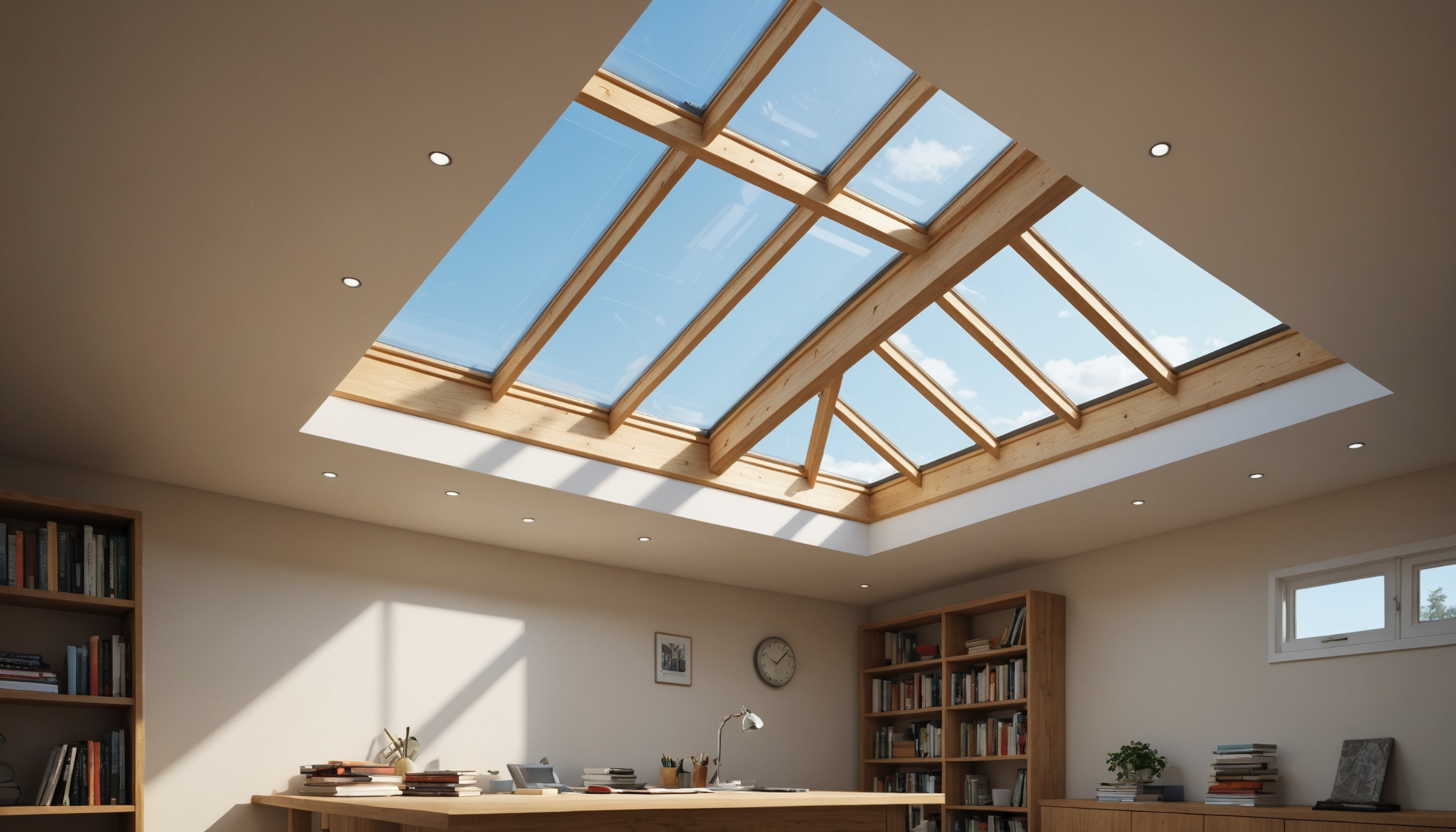 To ensure your skylight remains leak-free, selecting the right materials and overseeing a proper installation are crucial steps.
1. Selecting Quality Materials:
– Glazing Options: Start by choosing a glazing option that suits your climate and budget. Double-glazed glass is ideal for energy efficiency and durability, whereas tempered or laminated glass is better suited for areas prone to extreme weather.
– Frame Materials: Skylight frames come in various materials like aluminum, wood, and vinyl. Aluminum offers durability and strength, wood provides excellent insulation and aesthetic appeal but requires more maintenance, while vinyl is an affordable choice with low maintenance.
– Flashing Materials: Opt for high-quality flashing around the skylight. Metal flashing like stainless steel or copper is recommended for its strength and longevity.
2. Proper Installation Techniques:
– Alignment and Placement: Ensure the skylight is aligned correctly and placed in an appropriate location on the roof. Avoid low-lying areas where water is likely to accumulate.
– Sealing Techniques: Utilize high-quality sealants suitable for your climate to prevent water infiltration. Polyurethane or silicone-based sealants are commonly used for their efficacy and durability.
– Secure Fastening: All components should be securely fastened according to manufacturer instructions to withstand weather elements.
3. Professional Installation:
– Hiring a Skilled Contractor: Engage a licensed and experienced contractor to handle the installation. Request references and verify their experience with skylights specifically.
– Pre-installation Inspection: Have the contractor conduct a thorough inspection of your roof to identify any pre-existing issues that could affect the skylight installation.
– Follow Manufacturer Guidelines: Ensure that the installation follows the skylight manufacturer’s specifications to uphold warranties and guarantee optimal performance.
4. Ventilation Considerations:
– Ventilated vs. Fixed Skylights: Decide between ventilated or fixed skylights based on your needs. Ventilated skylights can help control indoor temperature and humidity levels but require additional installation considerations to prevent leaks.
Paying careful attention to these materials and installation procedures helps establish a solid foundation for a leak-free skylight. Investing in quality components and professional installation not only reduces the potential for leaks but also enhances the energy efficiency and lifespan of the skylight.
Regular maintenance and inspection tips
To maintain a skylight in optimal condition and prevent leaks, regular maintenance and inspection play a crucial role. Taking proactive steps and staying vigilant can safeguard your home against unwanted water intrusion and preserve the structural integrity of your skylight.
Begin by scheduling routine inspections at least twice a year—ideally during spring and fall. During these inspections, check the skylight’s exterior for any signs of damage or wear, such as cracks in the glass or damage to the frame and seals. If you live in an area prone to severe weather, consider performing additional inspections following any major storm events.
Monitoring and maintaining the seals and caulking around the skylight is essential. Over time, extreme temperatures and weather conditions can cause these materials to deteriorate. Look for cracks, gaps, or peeling in the sealant, as these are signs that it may need to be reapplied or replaced. Using a high-grade silicone or polyurethane sealant can provide a durable seal that withstands weather changes.
Cleaning the glass surface of your skylight regularly will not only enhance the clarity and amount of natural light entering your home, but it also offers an opportunity to inspect the skylight closely for issues. Use a non-abrasive cleaner and a soft cloth to avoid scratching the glass. For safety, it’s advisable to clean the exterior glass from the ground using an extended tool, or hire a professional.
Don’t neglect the importance of maintaining the area surrounding the skylight. This includes ensuring that nearby trees are trimmed back to prevent leaves, branches, and debris from accumulating around the skylight or potentially causing damage. Keeping the roof and gutters clean ensures water can drain effectively, minimizing the risk of pooling water that could seep into your skylight.
For skylights installed with integrated ventilation, it’s important to also check the functioning of vents and any movable parts. Test any manual or electronic opening mechanisms to make sure they operate smoothly without obstruction. If you notice any resistance or malfunction, it may be necessary to lubricate the moving parts or have them serviced by a professional.
Documenting each inspection and maintenance effort allows you to track changes over time and anticipate when more significant maintenance might be necessary. Keep a log that details each inspection, maintenance activity, and any repairs conducted. This documentation can prove invaluable for spotting trends or recurring issues and provides a comprehensive history of maintenance which can be beneficial if you decide to sell your home.
Incorporating these regular maintenance and inspection practices can significantly extend the life of your skylight and diminish the risk of leaks. This foresight not only keeps your skylights in top condition but also contributes to a comfortable, leak-free living environment.
Effective sealing techniques
Utilizing effective sealing techniques is a vital component in ensuring your skylight remains leak-free and performs optimally. These techniques focus on creating a robust barrier that prevents water intrusion, even during intense weather conditions.
Start by selecting high-quality sealants that are specifically designed for your climate and roofing materials. Polyurethane and silicone-based sealants are popular choices, renowned for their flexibility and ability to withstand temperature fluctuations and harsh environmental conditions. When applying sealant, ensure the surface is clean and dry to enhance adhesion and longevity. Gently remove any old or failing sealant using a scraper to allow the new application to adhere properly.
Proper application is crucial; it is advisable to lay down a uniform bead of sealant around the skylight’s perimeter and any flashing. Take the time to smooth the sealant evenly with a tool or finger to create a solid barrier against moisture. Be sure to check the manufacturer’s guidelines for any specific instructions on application or compatibility with other materials used in your skylight installation.
Sealing should not be a one-time effort. Regular inspection and reapplication of sealant are essential to maintain its protective effect. Look for signs of degradation, such as cracking or peeling of the sealant, which indicates that reapplication may be necessary to sustain its waterproof integrity.
Consider applying an additional layer of protection with waterproof membranes or roof paints as well. These products are designed to work in tandem with sealants, offering an extra line of defense against water infiltration. They can be particularly beneficial in areas that experience frequent rain or snow.
In scenarios where the skylight incorporates movable parts, such as ventilated models, extra attention should be paid to the seams and joints. Ensure these areas are sealed effectively while allowing any movable sections to operate without hindrance. Precision is essential to maintain functionality while guarding against leaks.
An often-overlooked aspect is ensuring that the surrounding roof area, including flashing, is watertight. Improper installation or worn-out flashing can be sources of leakage despite proper sealing of the skylight itself. Regular maintenance should include checks and adjustments of these elements to uphold a leak-proof environment.
For best results, don’t hesitate to seek professional assistance to verify your sealing techniques. A professional can provide insights into the latest products and methods available, ensuring your skylight is secured using the most effective, up-to-date practices. Taking these measures seriously not only protects your home but enhances the longevity and efficiency of your skylight, keeping your living space bright and dry over the years.
Remember, employing effective sealing techniques is a key part of the broader strategy in maintaining a leak-free skylight. Combining this with other critical practices discussed earlier equips you with a comprehensive approach to safeguarding your investment.
When to call a professional
There comes a time when seeking the help of a professional is essential for ensuring your skylight remains leak-free. While many maintenance tasks can be managed effectively by the homeowner, certain situations require expert intervention to avoid exacerbating any existing problems.
If you notice persistent leaks that recur despite your attempts to reseal or repair the skylight, it is wise to consult a professional. They are equipped with the expertise to diagnose underlying issues that may not be apparent, such as pervasive structural problems or subtle installation errors that could be contributing to the leaks.
In cases where your skylight has suffered significant damage due to storms or falling debris, a professional assessment is necessary. They can provide a thorough evaluation to determine whether repair or replacement is the better option, guiding you toward the most cost-effective and durable solution.
Another situation demanding professional attention is when you observe signs of mold or water damage around the skylight. These symptoms not only point to possible water intrusion but also indicate potential damage to the surrounding roof structure or interior ceilings. Professionals can offer a holistic evaluation and address both the skylight and any ancillary damage to ensure a comprehensive repair.
You should also consider calling a professional if your skylight requires significant mechanical component repairs, such as with vented models incorporating electric openers or blinds. A qualified technician will ensure these intricate parts are serviced correctly, maintaining their functionality and preventing further issues.
When undertaking roof renovations or replacements, it’s beneficial to involve a skylight specialist to synchronize efforts. They can oversee the integration of the skylight with new roofing materials, ensuring that all components align perfectly to prevent future leaks.
Additionally, if your skylight is aging and reaching the end of its serviceable life, a professional evaluation can help determine if it is time for an upgrade. They can recommend modern skylight options that offer improved efficiency and innovative sealing technologies, enhancing both the aesthetic and performance of your roof.
Professionals bring tools and expertise that far exceed DIY capabilities, often identifying issues that a homeowner might overlook. Regular professional inspections, complemented by your own maintenance efforts, form an effective partnership in preserving the integrity of your skylight over the years.
In conclusion, preserving the integrity of your skylight and safeguarding against leaks involves a balanced approach that encompasses proper material selection, expert installation, diligent maintenance, and timely professional intervention. By understanding the common causes of leaks, applying effective sealing techniques, and knowing when to call in the experts, you can extend the life of your skylight and enjoy a bright, leak-free environment.