Evaluating your home’s potential for solar power involves several key considerations that contribute to the efficiency and effectiveness of solar energy generation. To determine if solar power is a viable option for your residence, start by examining how your location, roof condition, and local climate affect solar panel performance.
Location plays a crucial role in the amount of sunlight your home receives. Homes located in regions with high solar insolation, or the measure of solar radiation energy received on a given surface area, are generally better candidates for solar power. For a precise assessment, it’s helpful to use online solar assessment tools or consult with a professional to understand your specific sunlight exposure and its impact.
Additionally, consider the orientation and tilt of your roof. South-facing roofs typically capture the most sunlight in the northern hemisphere, whereas north-facing roofs are favorable in the southern hemisphere. The angle or pitch of your roof also influences solar capture efficiency—ideally, the angle should be equal to the latitude of your location to optimize sunlight intake. Flat roofs can work as well, with panels mounted on adjustable frames for the best angle.
A critical factor in assessing potential is roof condition. It’s beneficial to have a roof inspection to ensure it’s structurally sound and capable of supporting the weight of solar panels. Consider the age and material of your roof; for example, asphalt shingles, metal, and tile are typically solar-friendly materials, whereas materials like wood shake might pose more challenges.
Moreover, successful solar energy generation hinges on minimizing shading from neighboring structures or trees, which can significantly reduce solar efficiency. Optimizing your roof space and ensuring panels are not shaded during peak sun hours is paramount. Employ shading analysis tools to see how these factors might impact energy output.
Lastly, consider how much electricity you need. Reviewing past utility bills will give you a clearer picture of your home’s energy consumption patterns. This data helps in estimating the size and capacity of the solar power system required to meet your needs effectively.
Here’s a straightforward comparison of factors that determine solar potential:
| Factor | Influence on Solar Potential |
| Location | Determines the amount of sunlight available; high insolation regions are optimal. |
| Roof Orientation | South-facing (northern hemisphere) captures maximum sunlight; tilt impacts effectiveness. |
| Roof Condition | A sturdy roof is essential; compatible materials include asphalt shingles, metal, and tile. |
| Shading | Minimizing shading is crucial for maximum energy capture; trees and structures should be considered. |
| Energy Consumption | Determines system size; more consumption requires larger or more efficient systems. |
Systematically evaluating these factors provides a comprehensive understanding of your home’s suitability for solar panels, enabling you to make informed decisions about transitioning to solar energy. Engaging with professionals and utilizing technological tools can offer additional insights, maximizing your investment in solar technology.
understanding the costs and benefits
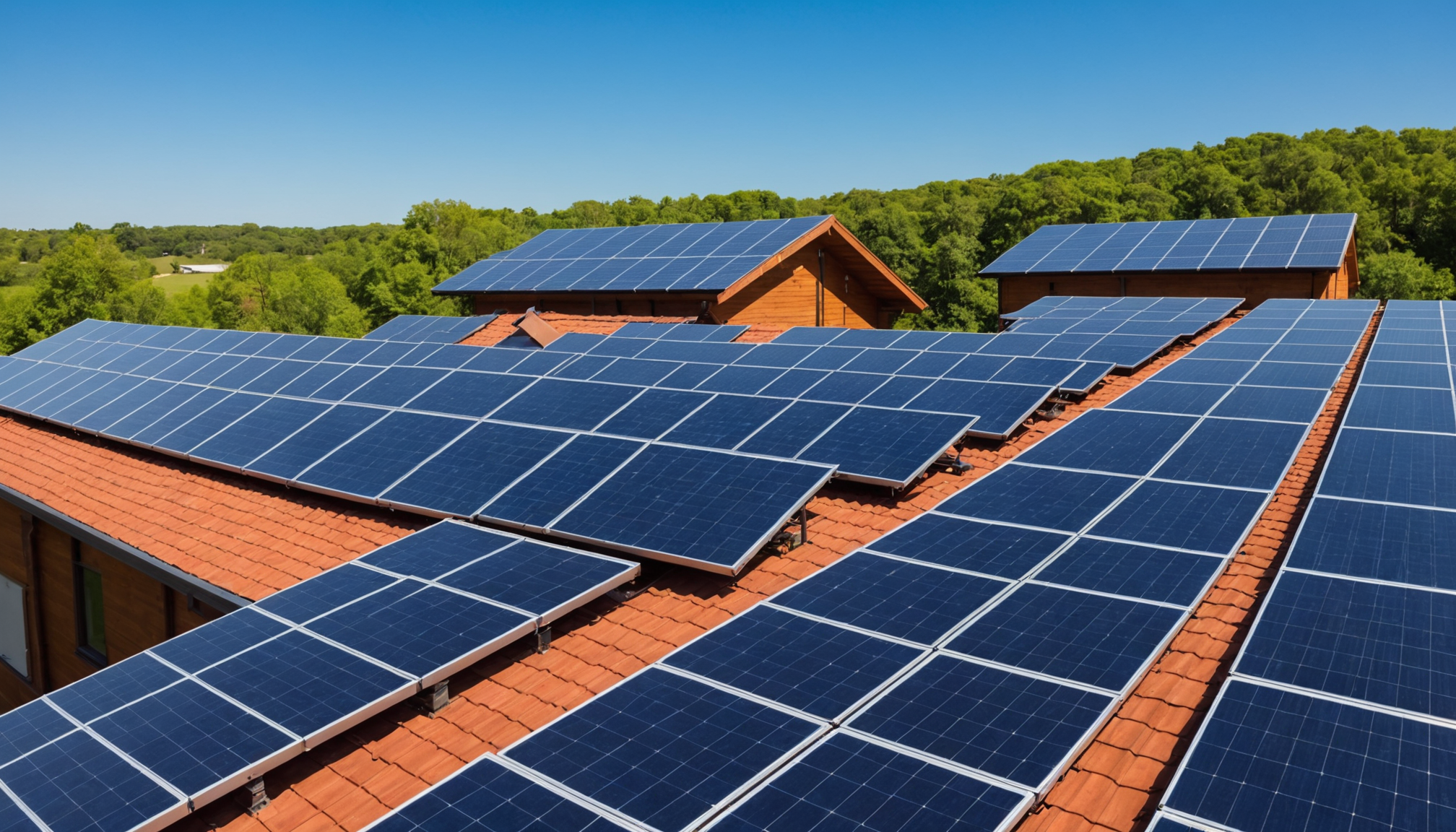 When deciding whether solar power is right for your home, understanding the associated costs and benefits is crucial. Here’s a step-by-step explanation to help you evaluate the financial implications and rewards of adopting solar energy.
1. Assess Initial Costs:
– Begin by obtaining quotes from several solar panel providers. The cost will depend on the size of your system, which is influenced by your energy needs, and the quality of the panels.
– Installation fees can vary significantly based on the complexity of the installation, roof type, and location logistics.
– Don’t forget to factor in any preparatory work needed, such as roof repairs or upgrades to your electrical system, to accommodate the new setup.
2. Estimate Tax Credits and Incentives:
– Research federal, state, and local incentives. In the U.S., the federal solar investment tax credit (ITC) can reduce installation costs significantly by offering a percentage discount on tax liabilities for the solar investment.
– Many states offer additional incentives or rebates that can further reduce the overall cost. Check local government websites or speak with your solar provider to identify all applicable incentives.
3. Calculate Long-term Savings:
– Review your current electricity bills to project potential savings over time. Solar panels can significantly decrease or even eliminate your energy bills, depending on your future consumption and system size.
– Use tools or consult with experts to estimate how long it will take for your savings to offset initial costs, often referred to as the “payback period.” A shorter payback period increases financial attractiveness.
4. Understand Payment Options:
– Consider the different payment avenues available, such as buying the system outright, solar leases, or power purchase agreements (PPAs). Each option has distinct advantages and potential drawbacks.
– Purchasing the system typically yields the highest long-term savings due to ownership benefits, including incentives. Leasing and PPAs offer lower upfront costs but may limit savings and ownership benefits.
5. Review Maintenance Costs:
– While solar systems are generally low maintenance, budgeting for periodic cleaning or minor repairs is wise. Understand warranty details provided by manufacturers to ensure necessary protections and coverage.
6. Evaluate Increase in Home Value:
– Homes with solar energy systems can see an increase in market value. Studies suggest that properties with solar panels sell more quickly and at higher prices compared to homes without.
– Look at regional market data to gauge how solar installations have impacted home valuations in your area.
7. Consider Environmental Benefits:
– Beyond the financial aspect, transitioning to solar power contributes to environmental sustainability by reducing carbon footprint and reliance on fossil fuels. Calculate the potential reduction in greenhouse gas emissions as an added benefit to using clean energy.
By systematically weighing these costs and benefits, you can form a clear picture of the financial landscape of installing a solar energy system in your home. This informed approach ensures you are fully aware of both the immediate impacts and the long-term advantages that accompany making this significant investment.
choosing the right solar system
Selecting the most suitable solar system for your home requires a nuanced understanding of various components and configurations available in the market. Your choice will largely depend on your energy needs, roof space, and budget.
Begin by determining the type of solar panels that best suit your needs. There are mainly three types: monocrystalline, polycrystalline, and thin-film. Monocrystalline panels are known for their high efficiency and sleek appearance. They tend to offer better performance in limited space, making them ideal if roof space is a constraint. Polycrystalline panels are typically more affordable, providing a good balance between efficiency and cost. Meanwhile, thin-film panels offer flexibility and a less obtrusive appearance, though they generally come with lower efficiency rates and might require more space to produce the same amount of energy as crystalline panels.
Next, consider the inverter options available. The inverter is a crucial component of the solar system, converting the direct current (DC) generated by your solar panels into the alternating current (AC) that your home appliances use. String inverters are a traditional choice, often affordable and reliable, ideal for homes with a uniform solar array and minimal shading issues. For properties with varying roof angles or shading concerns, microinverters or power optimizers are preferable as they maximize efficiency by optimizing power conversion at the panel level.
Storage solutions further enhance solar systems by allowing you to store excess energy for later use, which is particularly valuable in regions that do not have favorable net metering policies. Battery storage systems, such as lithium-ion batteries, provide a reliable way to ensure energy availability during cloudy days or at nighttime. When selecting a battery, consider its capacity, longevity, and integration compatibility with your chosen solar system. Additionally, factor in the cost of batteries, as this can significantly impact overall financial returns.
Investigate the additional technologies that can complement the solar system, such as smart energy management systems. These systems provide real-time monitoring of energy production and consumption, allowing you to maximize efficiency and savings. Some advanced systems also offer features to optimize energy use during peak pricing periods or reduce consumption automatically during low solar production times.
Ultimately, customization is key to achieving the best solar setup for your home. Partner with a reputable solar provider capable of offering a comprehensive evaluation and tailor a system that matches your residential profile. A good provider should conduct an in-depth analysis, considering factors such as shading, roof structure, future energy needs, and potential system expansions.
Investing in a solar system that’s tailored to your specific requirements assures you gain the most productivity and cost-efficiency from your solar power setup. Prioritize quality over cost by selecting high-performing components with warranties and professional installation to ensure long-lasting results. This strategic approach can transform your initial investment into a rewarding long-term commitment to renewable energy.
navigating financing and incentives
When it comes to making solar power accessible for your home, understanding the available financing options and incentives is crucial. Navigating this financial landscape can significantly influence the affordability and attractiveness of your solar investment.
Begin by exploring the varied financing methods available to you. One of the most straightforward methods is paying for the solar system outright, which, while requiring a significant upfront investment, often provides the highest return over time due to energy savings and retained ownership of the system. Alternatively, solar loans can bridge the gap between upfront costs and long-term benefits, offering the advantage of spreading payments over an extended period without compromising system ownership. Many financial institutions and solar companies offer attractive loan terms tailored for residential solar installations.
Another option is solar leasing or entering into a Power Purchase Agreement (PPA). With a lease, you pay a monthly fee to use the solar equipment, potentially with zero upfront cost. A PPA, on the other hand, allows you to buy the generated power at a predetermined rate, often lower than the local utility rate. Both methods can ease the initial financial burden and offer immediate cost savings on energy bills, though they may not provide the same level of financial benefit that outright ownership or loans offer.
Understanding the incentives available to you can also make a significant difference in reducing your solar project costs. In the United States, the federal solar investment tax credit (ITC) lets you deduct a portion of your solar energy system’s cost on your federal taxes, making the initial investment more manageable. Most states provide additional incentives, such as rebates, property tax exemptions, or performance-based incentives, which can further reduce costs or increase the financial return on your solar investment over time.
Additionally, check if local utility companies offer any incentives for solar adoption, such as net metering. This arrangement allows you to sell excess energy back to the grid, applying credits to your utility bill during times when your solar system produces more electricity than you use. These credits can be especially beneficial in providing financial relief during periods of lower sunlight.
Actionable insights from government websites and consultations with solar providers are invaluable when navigating the financial elements of solar installation. They can help demystify complex incentive structures and identify the best combination of financing options suited to your circumstances.
Remember, leveraging all available incentives and choosing the right financing method can significantly lower the cost of adopting solar technology. This comprehensive approach not only makes solar power more accessible but also maximizes the long-term benefits of your renewable energy investment, paving the way for sustainable savings and contributing positively to environmental goals.
evaluating long-term maintenance and support
Once you have installed a solar panel system on your home, understanding the long-term maintenance and support aspects is crucial to ensuring its efficiency and longevity. Though solar panels are inherently low maintenance, regular care and proactive measures can keep your system operating optimally for decades.
A primary task is regular cleaning. Over time, dirt, leaves, pollen, and other debris can accumulate on solar panels, reducing their efficiency by blocking sunlight. Depending on your location and environmental conditions, panels might only need cleaning a couple of times a year. For regions with heavy dust, pollution, or frequent bird activity, more regular cleaning might be needed. You can clean the panels yourself using water and a soft brush, or hire a professional service that uses specialized equipment to ensure optimal cleaning without damaging the panels.
Monitoring the system’s performance is another key aspect of maintenance. Many modern solar systems come equipped with online monitoring tools that allow homeowners to track energy production in real time. This data is critical for identifying any deviations from expected performance, often indicating the need for maintenance or repairs. If you notice a significant drop in output, it might be time to have your system inspected by a professional.
Regular inspections by a qualified technician are recommended to ensure all components of the solar system, including the mounting structure, inverters, and wiring, remain in good condition. These checks can identify wear and tear or potential issues before they become serious, ensuring the safety and performance of your system.
In terms of support, choosing a reliable solar provider is crucial. A good provider often offers comprehensive service packages that include warranty coverage and support for replacement parts, if necessary. Understand the terms of your warranty, which typically covers both the panels themselves and the performance guarantee. Most solar panels come with a 20- to 25-year warranty, though inverters may have a shorter warranty period, necessitating potential replacements or extra coverage.
Insurance is another element to consider. Verify with your home insurance provider that your solar installation is covered. This may involve adjusting your policy, but ensures you’re protected against damages from events like severe weather or unexpected incidents.
Solar energy’s long-term appeal lies in its ability to provide clean energy over a prolonged period with minimal intervention. By addressing maintenance proactively and ensuring strong support from your solar provider, you can enjoy the full benefits of your solar panel system, maintaining its efficiency and extending its usable life.
In conclusion, deciding if solar power is right for your home involves evaluating multiple factors, from the suitability of your property and financial incentives to the type of system tailored for your needs. While the investment in solar technology speaks to immediate energy savings and environmental responsibility, it also offers long-term economic advantages, with positive impacts on property value and reduced utility costs. Proper planning and keeping informed about maintenance needs and available support solidify the transition to solar power as a rewarding and sustainable choice for homeowners seeking to embrace renewable energy.