The concept of solar energy savings fundamentally revolves around harnessing the sun’s power to generate electricity, thereby reducing reliance on traditional energy sources. By installing solar panels, homeowners and businesses can significantly diminish their electricity costs and lessen their carbon footprint. This approach not only curtails monthly expenses but also contributes to a greater environmental cause by promoting renewable energy usage. Understanding how solar panels lead to such savings entails an exploration of both immediate and long-term benefits and the mechanics behind solar power generation.
Solar panels work by converting sunlight into electricity through photovoltaic (PV) cells. When sunlight hits the PV cells, it creates an electric field that generates electricity. This electricity can either be utilized immediately or stored for future use with the aid of solar batteries. The financial savings become evident when comparing the costs of grid electricity with the cost efficiency provided by solar power generation. With every kilowatt-hour of electricity produced by solar panels, homeowners reduce the amount of electricity they need to purchase from utility companies, thereby realizing immediate savings on their electricity bills.
The extent of these savings can vary based on several factors such as geographic location, the size and efficiency of the solar panel system, average electricity consumption, and local electricity rates. For instance, in sunnier regions with higher electricity costs, the savings potential is more significant compared to areas with less sunlight and lower grid electricity prices.
- Geographic location: Regions with abundant sunlight year-round, such as California or Arizona, offer more potential for solar savings compared to places with less consistent sun exposure.
- System size and efficiency: Larger and more efficient systems will generate more electricity, increasing savings.
- Electricity consumption: Homes that consume more electricity can potentially save more by substituting expensive grid power with solar energy.
- Local electricity rates: Higher utility rates enhance the cost savings offered by solar-generated electricity.
To illustrate these varying impacts, consider the following table showcasing potential annual savings based on different scenarios:
| Scenario | Annual Solar Generation (kWh) | Local Utility Rate ($/kWh) | Annual Savings ($) |
| Sunny Region with High Rates | 9,000 | 0.20 | 1,800 |
| Moderate Sunlight with Moderate Rates | 7,500 | 0.15 | 1,125 |
| Less Sunlight with Low Rates | 5,000 | 0.10 | 500 |
Beyond individual benefits, solar energy savings also consider the collective impact on the energy grid and environment. Distributed solar systems reduce the demand on power grids, leading to a decrease in the need for expansive electricity transmission infrastructures. This reduction in demand can contribute to lower electricity costs over time for all consumers and helps mitigate the environmental impact associated with traditional power generation methods.
Therefore, understanding solar energy savings is crucial for anyone contemplating a solar panel installation, as it enables informed decision-making that capitalizes on both immediate financial gain and broader ecological contributions. Through a comprehensive approach to energy production, solar technology offers a sustainable pathway to cost savings and environmental stewardship.
reduction in electricity bills
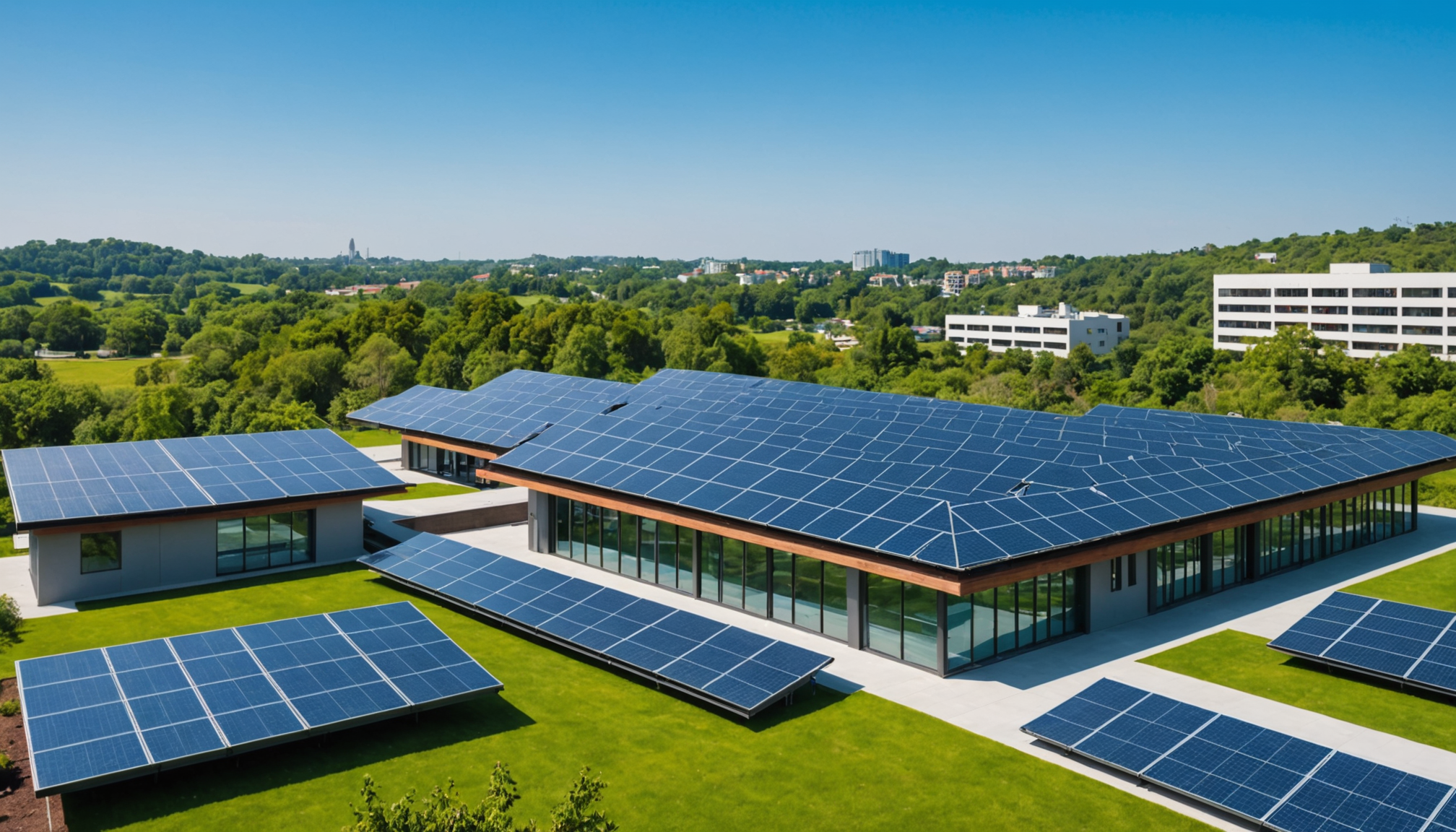 Installing solar panels can lead to significant reductions in electricity bills, providing an ongoing economic advantage for homeowners. Here’s how this process works, and how you can get the most out of your solar investment:
1. Energy Production and Consumption: Once your solar panels are installed, they begin generating electricity from the moment they receive sunlight. This electricity is used to power your home, reducing the amount you draw from the traditional power grid. This means that during daylight hours, your dependence on utility-provided electricity decreases, which directly lowers your electricity bills.
2. Net Metering: In many areas, net metering allows you to send any excess electricity your solar panels produce back to the grid. Through this process, your utility provider credits your account for excess energy generation, which can be used to offset the electricity you consume from the grid during times when your panels aren’t producing, such as nighttime or cloudy days.
- Check with your local utility provider to see if they offer net metering and understand the associated policies and rates.
- Monitor your solar system’s production through any associated apps or devices to optimize your electricity use. This ensures you know when your system is sending electricity back to the grid versus when you’re using grid power.
3. Time-of-Use Rates: Some utility companies charge different rates for electricity consumption depending on the time of day or season, known as time-of-use (TOU) rates. Solar energy can help mitigate higher costs associated with peak periods, as you can rely on your self-generated solar power during high-rate peak hours.
- Review your electricity bill to understand if your utility provider employs TOU pricing.
- Adjust your usage habits to maximize solar power consumption during peak pricing hours. Using energy-intensive appliances during sunny periods minimizes your reliance on the grid.
4. Energy Efficiency: Pairing solar panel installation with energy-saving habits and energy-efficient appliances can amplify your savings. Simple changes like using LED lighting, upgrading to energy-efficient appliances, and enhancing insulation can decrease your overall electricity consumption.
- Conduct an energy audit of your home to identify areas for improvement.
- Invest in smart thermostats and energy-efficient appliances to further reduce energy costs.
5. Regular Maintenance: Keeping your solar panels clean and regularly maintained ensures they operate at maximum efficiency, leading to more electricity production and higher savings.
- Schedule periodic cleaning of your solar panels, especially after adverse weather conditions that may deposit debris or reduce panel efficiency.
- Check for any shading from trees or nearby structures that could hinder panel performance and take necessary actions to maintain maximum sun exposure.
By strategically implementing these practices, homeowners can maximize their savings on electricity bills through efficient use of solar energy. As your reliance on grid electricity diminishes, you’ll notice a corresponding decrease in your power costs, making solar energy a smart financial investment in the long run.
tax incentives and rebates
A major financial advantage of investing in solar panels comes from the array of government-backed tax incentives and rebates available to homeowners. These financial perks are designed to make the shift to solar power more affordable and appealing, ultimately fostering wider adoption of renewable energy solutions. By taking advantage of these incentives, the initial cost barrier for solar panel installation diminishes significantly.
One of the most notable incentives is the Federal Investment Tax Credit (ITC). This federal policy allows homeowners to deduct a substantial percentage of their solar installation costs from their federal taxes. Initially set at 30%, this credit applies to both solar panel costs and associated expenses like labor and equipment. This reduction in tax liability can be a considerable relief, effectively lowering the overall expense of switching to solar energy.
State and local governments often complement the federal program with their own incentives and rebates. These can vary widely based on the region, but initiatives often include specific tax credits, refunds, or exemptions from sales tax on solar panels. Certain utility companies also offer rebates to encourage solar installation, which can further reduce upfront costs. Collectively, these local and state level incentives empower homeowners to recuperate more of their initial investment.
The potential for performance-based incentives (PBIs) adds another layer of financial encouragement. PBIs compensate homeowners based on the performance of their solar system, paying them a set amount for every kilowatt-hour (kWh) of electricity generated. This not only motivates the installation of high-efficiency systems but also provides ongoing financial gains tied directly to energy production.
Engaging with Renewable Energy Certificates (RECs) presents an additional avenue for financial benefit. When your solar system generates electricity, you earn RECs, which you can potentially sell to businesses or utility companies aiming to meet their own renewable energy goals. This creates an additional revenue stream that highlights the economic value of contributing to clean energy production.
To fully capitalize on these incentives, it’s crucial for homeowners to explore the specific offerings available in their region and systematically evaluate how they can be applied to their solar project. Engaging with a solar installation provider or a financial advisor familiar with renewable energy incentives can simplify this process and ensure that you’re maximizing every possible financial benefit.
By understanding and leveraging available tax incentives and rebates, individuals can significantly cut down the costs associated with transitioning to solar energy, allowing for a smoother and more economically viable shift towards sustainable living. These incentives not only make solar adoption more feasible but also reinforce the longer-term economic smartness of embracing renewable energy solutions.
long-term financial benefits
Investing in solar panels presents a compelling opportunity for long-term financial benefits, complementing immediate savings on electricity bills and tax incentives. One of the most significant long-term advantages is the stability it offers against fluctuating energy prices. As utility rates continue to rise over the years, generating your own electricity through solar panels safeguards you from these increases. This price stability can equate to substantial savings, especially in regions with rapid energy cost inflation.
Beyond savings, solar panels can serve as a lucrative long-term investment by effectively increasing your home’s overall value. Properties equipped with solar energy systems are often seen as more attractive on the real estate market. Buyers appreciate the prospect of lower utility bills, making solar-fitted homes not just energy-efficient but also more appealing. Studies indicate that homes with solar panels can sell faster and at a premium compared to those without. This marketability translates into a higher resale value, offering homeowners a potential financial gain should they decide to sell.
Furthermore, solar panels have a long lifespan, often exceeding 25 years, with warranties that cover panel performance over a significant period. Minimal maintenance and the durability of modern solar arrays contribute to their attractiveness as a long-term asset. This reliability ensures that the initial investment continues to yield returns for decades, contributing to financial security and making the upfront cost more justifiable over time.
Additionally, the environmental aspect of solar energy aligns with growing trends towards sustainability, reflecting favorably on property owners. As green energy solutions gain traction, having solar capabilities could not only enhance your home’s financial worth but also its ethical value. The societal shift towards sustainability is steadily translating into legislative measures that could further support property owners who have invested in renewable energy infrastructures.
In summary, beyond immediate savings and incentives, solar panels provide long-term financial benefits through energy price stability, increased property value, minimal maintenance costs, and alignment with sustainable living trends. This multifaceted financial case makes solar energy an economically sensible choice for those looking to secure both immediate and enduring financial rewards.
increasing property value
Homes with solar panels are not just energy-efficient and environmentally friendly; they also tend to boast higher market values. Research consistently demonstrates that properties equipped with solar energy systems sell at a premium compared to those that rely solely on traditional energy sources. Potential buyers are increasingly drawn to the idea of reduced electricity costs, long-term utility savings, and a reduced carbon footprint, which makes solar-installed homes more attractive. This elevated demand can lead to a faster sale and at a higher price point.
The concept of adding solar panels is akin to making any other valuable home improvement, like a kitchen remodel or a new roof. However, the advantage of solar panels lies in their dual capacity to save and generate money, significantly enhancing the home’s overall market appeal. Homes with solar installations are often appraised higher, which not only benefits the seller in terms of selling price but also provides immediate equity gains for current homeowners.
Moreover, solar panels can serve as a hedge against future energy price volatility. As electricity costs rise, the value of self-sustained energy generation becomes an increasingly important selling feature. Prospective buyers take into account the predictability and control over energy expenses that come with solar panel ownership, which contributes to their willingness to pay a premium for a solar-equipped home.
As societal awareness of and demand for renewable energy solutions continue to rise, solar panels are evolving from a niche feature to a mainstream expectation in homeownership. This growing trend reflects a broader cultural and economic shift towards sustainability, which is likely to continue increasing the desirability and value of homes with solar capabilities.
In conclusion, switching to solar energy provides an array of financial advantages, from reducing electricity bills and benefiting from tax incentives to enhancing the overall market value of your property. These perks not only translate into immediate savings but also build long-term wealth, offering an economically sound and sustainable investment that aligns with future energy trends. Embracing solar power is a smart financial decision that pays dividends both today and in the years to come.