When preparing to enhance your outdoor space with a new fence, choosing the right materials is a critical step that impacts not only the immediate appearance and functionality but also the long-term durability and value of your investment. In the world of fencing, the materials you select play a pivotal role in the overall design and effectiveness of your fence.
Start by considering the primary purpose of your fence. Are you looking for privacy, security, or merely a boundary marker? Different materials offer varied benefits. For instance, wood is a timeless choice, offering natural beauty and versatility, but it may require more frequent maintenance. Vinyl, while more expensive initially, offers low-maintenance durability, making it a cost-effective option over time.
Here’s a useful comparison to aid in selecting the right material:
| Material | Pros | Cons |
| Wood | Natural aesthetic, customizable | Requires maintenance, prone to rot |
| Vinyl | Low maintenance, weather-resistant | Higher upfront cost, limited styles |
| Metal (Aluminum or Steel) | Strong, secure, long-lasting | Potential for rust, limited privacy |
| Composite | Eco-friendly, durable, low maintenance | Expensive, heavier than wood or vinyl |
In addition to functionality, aesthetics should inform your choice of materials. Your fence will be a central part of your outdoor design, and it’s important to ensure that the chosen material complements the existing landscape and architecture. For example, a composite fence may pair beautifully with a modern home design, while a classic whitewashed wooden fence may be better suited to a traditional or farmhouse-style residence.
Moreover, consider the climate and environmental conditions of your area. If you reside in a region prone to high humidity or termites, treated wood or synthetic materials might be more appropriate to withstand such challenges, ensuring your fence remains structurally sound and visually appealing over time.
While DIY installation is an option for many homeowners, hiring pros can ensure the fence is built to withstand environmental pressures, adhere to local building codes, and achieve the desired design effect. By carefully balancing your practical needs with aesthetic goals, you can make a strategic material selection that supports both the functional and decorative ambitions for your fence project.
exploring pattern possibilities
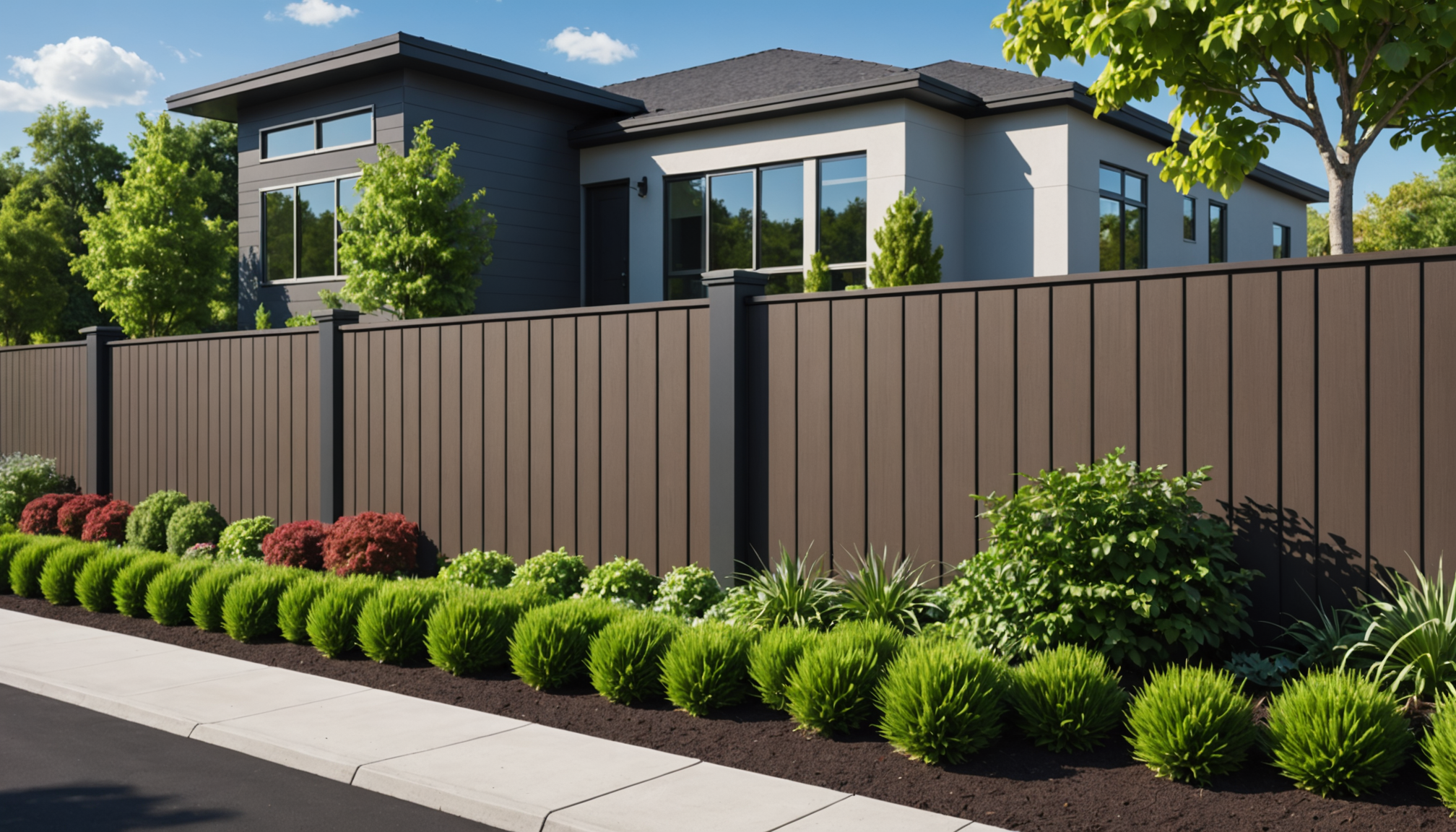 Exploring the possibilities of fence patterns opens up a world of design innovation and creativity that can dramatically transform your outdoor space. Patterns not only enhance the aesthetic appeal but also emphasize the unique character of your fence, making it both a boundary and a design statement. Here’s how you can delve into pattern options effectively:
1. Research Inspirations:
Start by exploring different pattern inspirations that suit your taste and the style of your home. Classic patterns such as picket, lattice, or shadowbox have their own charm, while more modern ones like horizontal lines or designs inspired by Japanese architecture offer a contemporary twist.
2. Evaluate Your Needs:
Consider what you want your fence to communicate. If privacy is a priority, opt for patterns that involve fewer gaps and more continuous panels. For decorative purposes, patterns like latticework can provide a more open and airy feel, allowing glimpses of your garden or yard while adding a decorative touch.
3. Draft a Design Plan:
Sketch out your vision, incorporating your chosen patterns into the overall fence design. Use graph paper or digital design tools to test out various layouts, spacing, and scales. Remember that the pattern should complement both your home’s architecture and your personal style.
4. Choose Your Materials Wisely:
The choice of materials can influence pattern outcomes. Wood, with its versatility, supports complex designs like herringbone or basketweave, while metal or vinyl may be more suited to simpler, streamlined patterns. Consider how the material’s characteristics like grain, color, and texture will impact the overall visual effect.
5. Consider Pattern Complexity and Your Skill Level:
The intricacy of the pattern can affect the ease of installation. If you are embarking on this as a DIY project, choose patterns that align with your skill level. More complex patterns might require the precision and expertise of hiring pros to achieve a polished look that does justice to your investment.
6. Test with Mock-Ups:
Before committing to a full installation, create a small-scale mock-up of your pattern on-site. This will allow you to visualize how the pattern integrates with the existing landscape and make any necessary adjustments.
7. Stay Within Budget:
Some patterns may require additional materials or labor, impacting your budget. Keep track of costs related to design choices, and prioritize elements that bring the most value and satisfaction to your overall project.
An engaging pattern can turn a simple fence into a remarkable element of your outdoor design, reflecting your style while serving your practical needs. By exploring various possibilities and carefully considering each aspect, you can create a fence that is not only functional but also artistically compelling.
incorporating color and texture
The introduction of color and texture to your fence design can significantly elevate the visual appeal and character of your outdoor space. These elements not only give personality to your boundaries but also integrate seamlessly with the surrounding environment, providing both aesthetic and functional benefits.
To begin, consider the color palette you wish to introduce. This decision should be influenced by the existing colors in your landscape, home exterior, and even your outdoor furniture. Soft, natural tones like earth browns, greens, and grays can create a harmonious blend with the landscape, offering a serene backdrop to your garden and enhancing the natural beauty of your surroundings. In contrast, bolder hues can act as eye-catching focal points, adding a modern twist or injecting a dose of exuberance that reflects your personal style.
Adding texture is another impactful way to enrich the design of your fence. Texture can be introduced through the materials themselves—the grain of wood, the rugged surface of stone, or the smooth, reflective quality of metal can all contribute unique tactile experiences. Combining materials can enhance this effect, for instance by pairing sleek metal frames with textured wooden panels or using smooth pebbles to contrast against rough-hewn stones. Each combination will create a distinct character for your fence that matches the thematic design of your entire outdoor space.
Consider integrating decorative elements such as decorative panels or inserts made of lattice or laser-cut designs. These not only break the monotony but also add intriguing shadows and light play, especially when sunlight filters through intricately patterned openings. The strategic use of plants or climbing vines can introduce lush, living textures that change with the seasons, adding depth and dynamism to the static structure of your fence.
Incorporating color and texture isn’t merely an exercise in visual appeal. These elements can also serve more practical purposes. For example, specific textures can enhance security or privacy, while colors can reflect or absorb heat to impact the fence’s thermal properties in different climates. Furthermore, hiring pros to execute these design elements can ensure the longevity and durability of your investment, customizing the application to suit both aesthetic aspirations and functional needs.
By thoughtfully blending color and texture, your fence can transcend its role as a mere boundary marker, becoming a fundamental part of your landscape design that resonates with both art and utility. In doing so, your outdoor space becomes a multifaceted extension of your home, offering both aesthetic pleasure and tangible benefits.
integrating functional elements
When designing your fence, integrating functional elements not only enhances the practicality of your structure but also adds unique character to your outdoor space. Consider blending utility with aesthetics to create a fence that reflects both your personal style and your functional requirements.
One essential element to think about is lighting. Incorporating solar-powered lights along the top of your fence can enhance safety and visibility at night, while decorative lanterns or fairy lights can create a soft, welcoming ambiance. These lighting options can align with your design vision while improving functionality. Additionally, motion-sensor lights can serve as a security feature, deterring unwelcome guests while discreetly lighting up your property.
Another engaging idea is the addition of vertical gardens or trellises. These feature green living walls that can serve both aesthetic and privacy functions. By choosing climbing plants or herbs, you can blend the natural environment seamlessly with the built structure, promoting tranquility and biodiversity right outside your home. This element can be especially beneficial if your outdoor area is limited or if you wish to bring some of the lush tranquility of a kitchen garden to your fence line.
Privacy screens are an essential functional addition for those who wish to enjoy their backyard without unwanted views from neighbors or passersby. By selecting screens that complement your fence design, you can maintain a cohesive look while achieving the desired level of seclusion. Screens can be made from various materials, including bamboo, metal, or fabric, and can be customized to fit your aesthetic and privacy needs.
Don’t overlook the potential for built-in seating or storage. Incorporating benches or storage compartments within your fence design offers convenience and maximizes the utility of your boundary. This is particularly useful for smaller yards, where space is at a premium, allowing you to store gardening tools or outdoor gear neatly out of sight.
Water features are another captivating addition to consider. A softly trickling waterfall or a small fountain integrated into your fence can create a serene atmosphere, masking street noise and providing a calming visual centerpiece to your garden design. These features draw the eye and can be focal points that elevate the overall elegance of your outdoor area.
Incorporating functional elements into your fence design presents an opportunity to create a versatile and pleasing structure that serves multiple purposes. For best results, consider hiring pros to ensure the structural integrity and optimal design execution. By thoughtfully incorporating these elements, your fence becomes an investment not just in property value, but in lifestyle enhancement, turning your outdoor area into a seamless extension of your home.
adding personalized touches
Personalizing your fence is an exciting opportunity to infuse your personality and style into your outdoor space, transforming a simple boundary into a unique expression of your aesthetic preferences. Personal touches can range from subtle embellishments to bold artistic statements, each adding distinct value and character to your fence design.
One approach to personalization is through the integration of custom artwork or creative carvings directly onto the fence panels. This could include intricate designs or family crests, which add a signature touch that sets your fence apart. For those with artistic inclinations, painting murals or themed graphics on fence sections can turn them into a canvas, transforming mundane structures into captivating works of art that spark conversation and admiration from guests.
Incorporating personalized signage is another way to add character to your fence. Whether it’s a warm, welcoming sign or personalized plaques displaying family names or addresses, these elements not only reflect your identity but also enhance the welcoming ambiance of your property. Consider employing custom metal or wooden crafted signs for durability and aesthetic cohesion with your fence materials.
Integrating a selection of decorative hardware, such as ornate hinges, latches, or cap tops, provides a chance to personalize your fence while adding functional flair. Opt for elements that echo the architectural style of your home, adding continuity and an upscale feel to the overall design. Antique or vintage pieces can introduce a sense of history and charm, appealing to those who appreciate timeless elegance.
For a more subtle but still meaningful touch, consider selecting a color scheme for your fence that holds personal significance. Whether inspired by favorite memories, family colors, or beloved landscapes, using hues that resonate with you personally adds a layer of sentimental value to the design.
Installing a series of accent lighting or lanterns that illuminate the fence with soft light can highlight personalized features effectively, showcasing them during evening hours. These lights, possibly placed alongside hanging baskets, can enhance the allure of your fence, making it a gentle and guiding element in your nighttime garden.
Hiring pros to assist in customizations can help ensure that these personalized elements are executed with precision and professionalism. From design to installation, pros can provide insights on materials, weather-proofing techniques, and design outputs that align perfectly with your vision. In doing so, your fence becomes not just an extension of your home’s design, but a heartfelt statement piece that adds immeasurable personal value to your outdoor living environment.
Conclusion: Transforming a simple fence into a work of art that reflects your style involves careful consideration of materials, patterns, colors, and personalized touches. Each step of the design process offers a chance to express creativity, ensuring the fence not only fulfills practical needs but also becomes a cherished part of your home. Whether opting for DIY or hiring pros, investing time and thought into your fence design can significantly enhance the beauty, functionality, and personal resonance of your outdoor space.