When it comes to maintaining the health and value of your home, identifying signs of damage in your attic should be a priority in your seasonal home improvement checklist. Damage in this often-overlooked space can lead to significant structural issues, expensive repairs, and potentially compromise the safety and comfort of your family. Conducting a thorough inspection can help you stay ahead of these problems, ensuring your attic remains in optimal condition.
First, examine the roofing structure from the inside. Look for any signs of sagging, which can be indicative of a weakened roof or potential leaks. Sagging areas may reveal issues with the roof’s support beams that could worsen over time. Closely observe if there are any cracks or holes in the wooden structures. Wood rot, a common problem in attics, can compromise the integrity of your home’s framework and should be addressed immediately.
Next, inspect the attic floor and any areas where stored items are kept. Check for signs of wear or any structural degradation. Small cracks or uneven areas in the flooring can suggest underlying issues with the home’s foundation or the attic’s support beams, demanding prompt attention to prevent further deterioration.
Look for any signs of staining on the walls or wooden beams. Discoloration, often yellow or brown, usually indicates water damage that could stem from a leaking roof or condensation issues. If ignored, it may lead to mold growth which can be hazardous to health and could cause extensive damage to property.
Additionally, take note of any unusual smells in the attic space. Musty or earthy odors could point towards mold or mildew, often a result of excess moisture or inadequate airflow. Implementing an olfactory inspection is practical as these issues are often detectable before they are visible.
Lastly, conduct a light test. During daylight, turn off all lights, and close any doors within the attic space. If you see streams of light shining through the roof or walls, this is a clear indication of breaches that need sealing. These gaps can lead to energy inefficiencies and invite unwanted pests, requiring immediate repair to prevent the escalation of damage.
| Sign of Damage | Potential Issue | Recommended Action |
| Sagging Roof | Weakened support beams | Professional structural assessment |
| Cracks or Holes | Wood rot or underlying structural issue | Repair or replace affected areas |
| Staining | Water damage | Identify and fix source of leak |
| Musty Odors | Mold or mildew | Improve ventilation and remove mold |
| Light Entering through Gaps | Poor insulation or entry points for pests | Seal gaps and improve insulation |
By taking the time to inspect your attic meticulously for these signs of damage, you’re not only protecting your property investment but also enhancing the comfort and safety of your home environment. Proactivity in this area is invaluable, especially as we transition through the seasons, which can exacerbate existing damage if left unchecked.
check for insulation efficiency
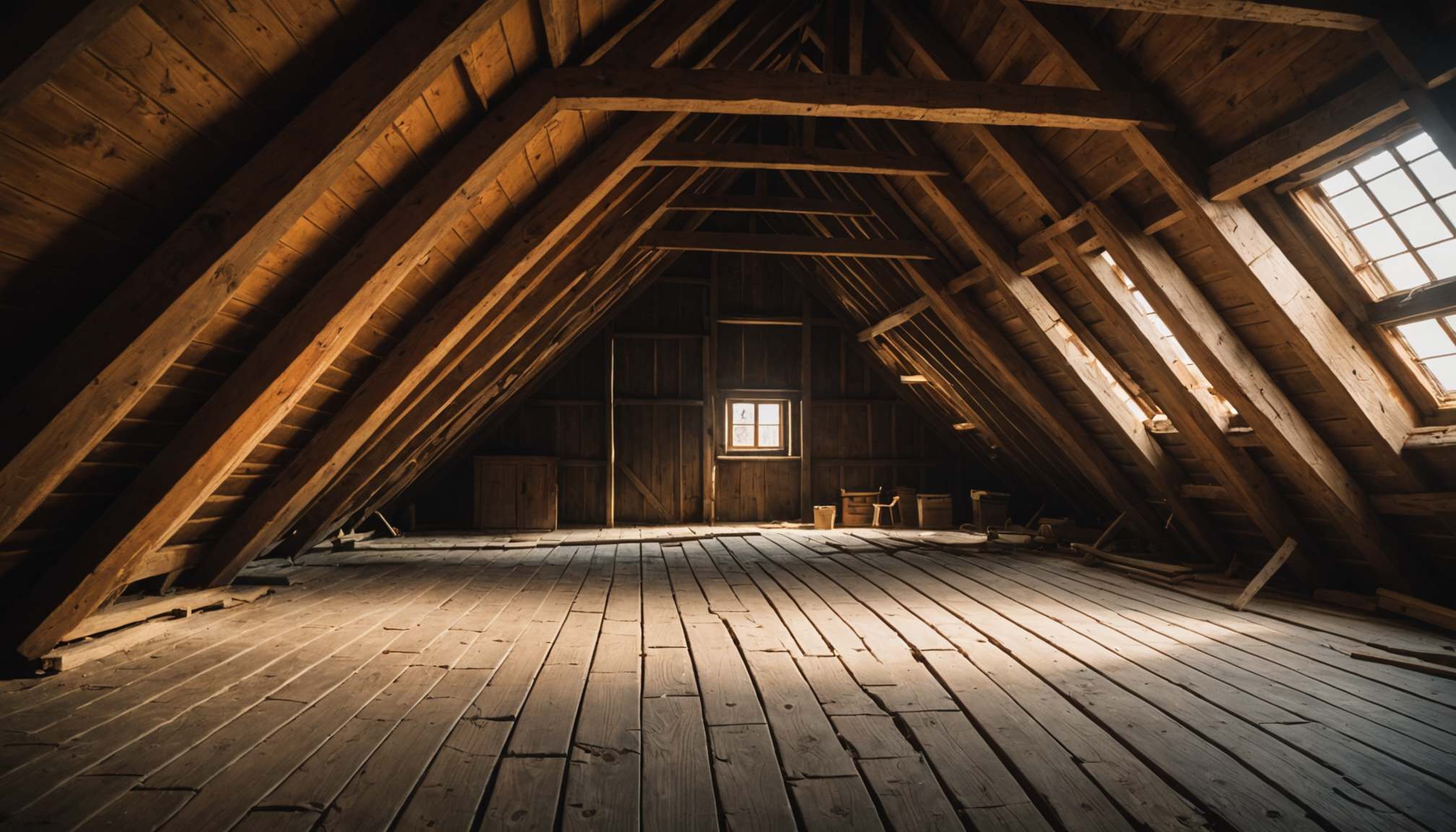 To ensure your attic is well-insulated, which is crucial for maintaining energy efficiency throughout the seasons, follow these steps carefully:
-
Determine Current Insulation Type:
Start by identifying the type of insulation currently installed in your attic. Common types include fiberglass batts, blown-in cellulose, and spray foam. Knowing what you have will help you understand its effectiveness and whether it meets your needs.
-
Measure Insulation Thickness:
Use a ruler or measuring tape to check the thickness of the attic insulation. Generally, insulation should be around 10 to 14 inches thick, depending on your climate. The thicker the insulation, the better it will be at retaining heat. Consult the Department of Energy’s guidelines for your region’s recommended R-value.
-
Inspect for Compressed or Uneven Areas:
Walk through the attic carefully and inspect for areas where the insulation has become compressed over time. This can indicate that the insulation has lost its effectiveness, leading to energy losses. Look for low spots or areas where the insulation appears uneven, as these can create thermal bridges.
-
Look for Gaps Around Peripheries:
Check the attic’s edges, particularly around roof eaves and entry points like chimneys or vents. Gaps or insufficient insulation in these areas can lead to significant heat loss. Use expanding foam or additional insulation to fill these voids.
-
Assess Air Sealing:
Adequate insulation requires proper air sealing. Examine common culprits for air leaks, such as recessed lighting fixtures, attic doors, and ductwork. Sealing these areas with weatherstripping or caulking can improve the overall efficiency of your attic insulation.
-
Check for Moisture:
Moisture in the attic can degrade insulation performance. Use a moisture meter to inspect for dampness in the insulation or structural components, which can indicate a leak or poor ventilation. Address any moisture issues promptly to prevent mold or mildew.
-
Consider Professional Evaluation:
If you’re uncertain about the condition or adequacy of your attic insulation, consider hiring a home improvement professional. They can conduct a thorough inspection, provide a detailed assessment, and recommend updates or replacements to improve efficiency.
Improving your attic’s insulation is a vital home improvement step that not only influences your family’s comfort but also impacts your energy bills throughout the seasonal changes. By taking these steps, you ensure more efficiency and effectiveness in heating and cooling your home.
inspect for pest infestations
When ensuring the health of your home, a key task involves paying close attention to unwanted guests. Conducting a thorough inspection for pest infestations is crucial, as these intruders can cause significant damage and create unhealthy living conditions. Pests favor attics for their quiet, undisturbed environments and often find their way in through tiny openings or neglected maintenance issues.
Begin by taking a careful look for visible signs of pest activity. This includes droppings or nesting materials, which can indicate the presence of rodents like mice or rats. These creatures chew through wiring and insulation, posing a fire hazard and potentially leading to costly repairs. Observing chew marks on stored boxes or exposed wooden beams can also point to a rodent problem.
Next, listen for unusual sounds. Scratching, scurrying, or gnawing noises, particularly during the night or early morning, suggest that pests are present and active. Pay close attention to these auditory cues, especially in corners and dark spaces of the attic where pests commonly hide.
Another telltale sign is unpleasant odors. A distinctive, musky scent often accompanies pest infestations, resulting from droppings or urine. This not only impacts your home’s indoor air quality but can also attract additional pests and adversely affect your family’s comfort and health.
Check for entry points around vents, ducts, and chimneys since these are common access routes for pests entering the attic. Look for holes or gaps, even as small as a dime, as rodents can squeeze through surprisingly tight spaces. Seal any discovered entry points with durable materials like metal mesh or silicone caulk to prevent access.
It’s also essential to evaluate stored items. Pests are notorious for nesting inside cardboard boxes or among cluttered belongings. Keep items stored in the attic organized and in sealed plastic containers where possible, reducing available nesting locations and making your inspection processes more straightforward.
Finally, remember to inspect for insect infestations. Termites, carpenter ants, and even wasps can cause structural damage. Wood dust or unexplained holes might indicate their presence. Take note of any insect sightings or debris, which could necessitate professional intervention.
Identifying and addressing these pest-related issues through seasonal inspections not only safeguards your attic but also protects your overall home environment. By maintaining vigilance, you can ensure your family enjoys a safer, healthier home free from unwanted critters and the damage they cause.
look for water leaks
Water leaks in the attic can lead to serious structural issues, mold growth, and increased home repair costs if left unchecked. Regular inspection is essential for catching potential problems early, thus protecting your family’s living environment and the structural integrity of your home.
Start your examination by looking for dark stains or discolorations on the attic’s ceiling and walls. These stains are telltale signs of water infiltration, often originating from the roof. Pay extra attention to the area around the chimney, vents, and other roof penetrations, as these spots are prone to leaks. Using a flashlight, carefully inspect the attic joists and beams for any signs of water trails or drips, and note if any wooden components are damp, warped, or rotting.
Next, touch the insulation. It should be dry; wet or compacted insulation loses its efficiency, leading to increased energy costs and reduced comfort levels in your home. If you discover damp insulation, this could signal a leak that needs immediate attention and may require parts of the insulation to be replaced.
In addition to visual checks, inspect during or just after a heavy rain. This is an opportune time to detect active leaks as you may notice water dripping into the attic space. Be cautious and ensure all electrical components are clear of any moisture to avoid safety hazards.
Don’t overlook the attic roof deck. Examine the underside of the attic roof during daylight. Pinholes of light peeping through can indicate places where water might also infiltrate, especially around joints and seams of the roofing material. These should be resealed as soon as possible to prevent moisture accumulation.
Finally, be aware of any musty smells, since these can be indicative of mold, often a byproduct of water leaks. Mold not only affects the attic but can also lower air quality throughout the home, posing health risks for your family. Prompt identification and remediation of mold growth is a critical step in your seasonal maintenance routine.
By regularly inspecting your attic for water leaks and maintaining awareness of the signs of moisture intrusion, you foster a proactive home improvement strategy. This diligence helps avoid costly repairs and keeps your house safe and comfortable across seasons.
assess ventilation adequacy
Proper ventilation in your attic is crucial for maintaining a healthy home environment and ensuring energy efficiency. Start by examining the airflow system in the attic. Good ventilation requires a balance between intake and exhaust vents to allow fresh air to circulate while removing stale air. This usually involves soffit vents at the attic’s lower section and ridge vents at the peak. Inspect these vents to ensure they are clear of any blockages such as dust, debris, or insulation that may impede the airflow.
Climb up to the vents for a close inspection. Look for signs of mold or mildew, which can indicate improper ventilation and accumulated moisture. Remove any debris or obstructions and clean the vent screens to maintain clear airflow. For soffit vents, ensure insulation material does not cover them, as this can trap heat and humidity, leading to potential damage over time.
Observe the attic’s temperature and humidity levels. A properly ventilated attic should be close to the temperature outside, even during extreme weather conditions. Invest in a hygrometer to measure humidity levels; excess humidity in the attic space could signal inadequate ventilation. Ideally, the attic’s humidity should be below 60% to prevent mold growth and maintain structural integrity.
Evaluate the overall ventilation efficiency by performing a smoke test. Light an incense stick near the vents and observe the smoke’s movement. Properly functioning vents should show a steady flow of smoke being drawn out of the attic. If the smoke lingers or moves erratically, it may point to ventilation issues that require professional assessment.
If you find your attic ventilation lacking, consider consulting with a home improvement expert. They can recommend solutions such as adding extra vents or upgrading to more effective modern systems to enhance airflow.
In conclusion, regular attic inspections are vital for maintaining a functional and safe living space. By focusing on key areas such as damage, insulation, pests, leaks, and ventilation, you safeguard your home and family, ensuring a healthier, more energy-efficient environment all year round. Being proactive with these checks allows you to address problems early, saving time and money in the long run.