Maximizing cabinet space in your kitchen is an essential step toward creating a more organized and functional culinary environment. By strategically utilizing every inch available, you can efficiently store your kitchen essentials while maintaining an orderly space free from clutter. Doing so not only optimizes the use of space but also reduces the time spent searching for items and enhances the overall kitchen experience.
Start by reviewing the contents of your cabinets. Remove items you rarely use or those that could be stored elsewhere. This initial decluttering sets the stage for effective organization. Once you’ve pared down to the essentials, consider implementing a system to keep everything in order. Categorize items by use, frequency, and size, establishing zones within each cabinet. For example, designate specific shelves for baking supplies, cooking spices, or seasonal dishware to ensure that everything has its place.
Incorporate stackable shelves or shelf risers to create additional layers inside your cabinets, doubling your storage capability. For lower cabinets, opt for pull-out shelves or lazy Susans to improve access to items typically buried at the back. These home improvement tools can minimize the frustration of digging through deep spaces and are well worth the investment.
If shelving isn’t enough, consider adding hooks or adhesive racks to cabinet doors. These can hold measuring cups, pot lids, or other small items that tend to consume too much space when stored traditionally. In addition, using under-shelf baskets can provide extra storage for smaller items, ensuring that no space is left unused.
The comparison table below illustrates some potential solutions, highlighting their benefits and drawbacks to help you decide the best options for your kitchen organization.
| Solution | Benefits | Drawbacks |
| Stackable Shelves | Increases vertical space, easy installation | Limited by cabinet height, may require specific measurements |
| Pull-out Shelves | Enhanced accessibility, customizable | More costly, requires installation |
| Door Hooks/Racks | Utilizes unused space, versatile | Limited weight capacity, potentially obstructive |
| Under-Shelf Baskets | Easy to relocate, no installation required | Limited to lightweight items, may reduce shelf space |
If organizing your kitchen proves overwhelming or time-consuming, consider hiring pros to assist in creating a tailored solution for your unique space. Professional organizers can provide insights and techniques drawn from experience, ensuring that every inch of your cabinets is utilized efficiently. Investing in such services can be a valuable extension of home improvement, transforming your kitchen into a model of efficiency and style.
utilize drawer dividers
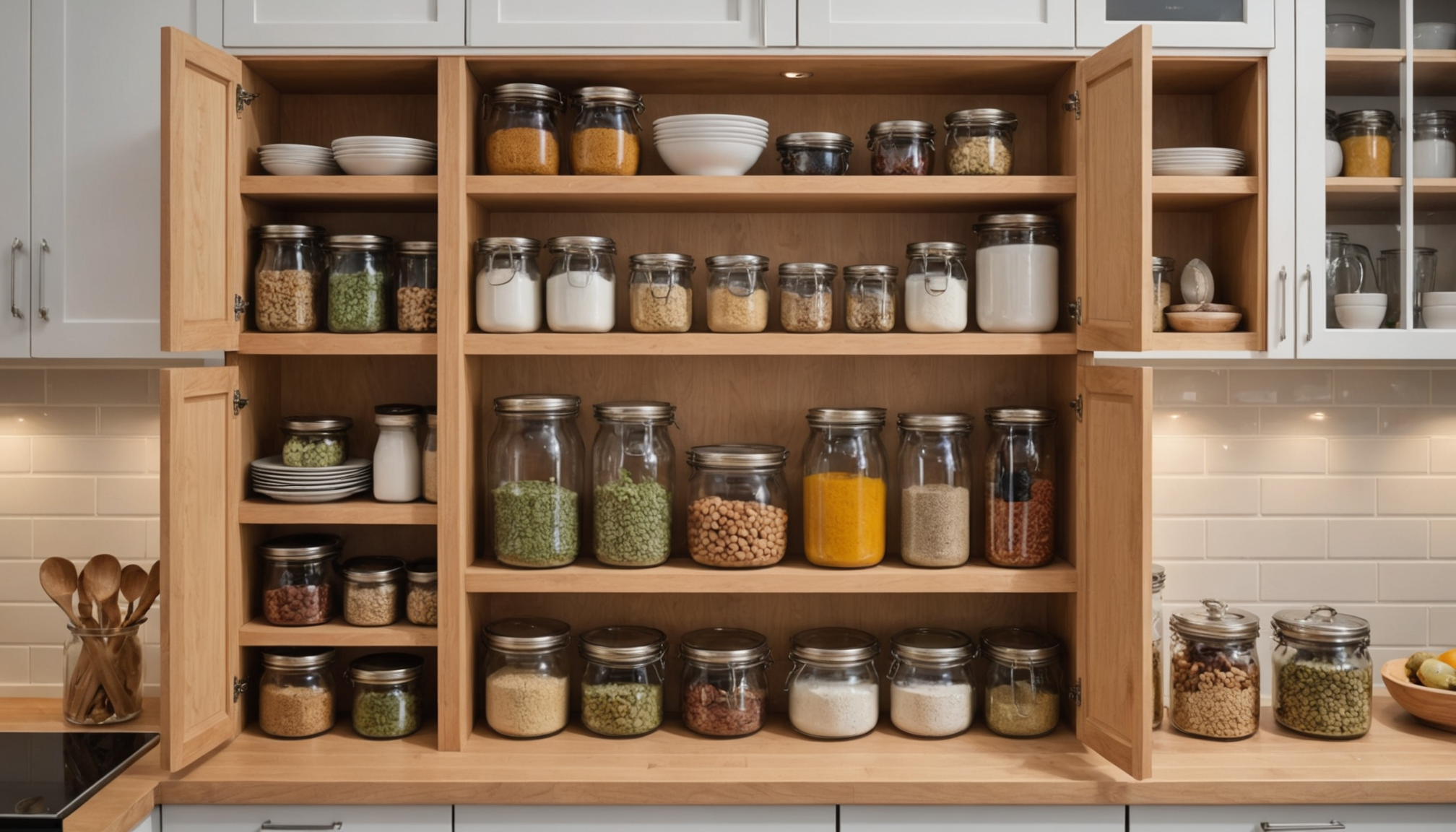 In the quest for a truly organized kitchen, drawer dividers can serve as a simple yet powerful tool to wrangle the chaos inside those deep drawers. Whether you’re dealing with utensils, cutlery, or those miscellaneous kitchen gadgets, dividers help keep everything in its place, making it much easier to find what you need when you need it. Here’s a step-by-step guide to utilizing drawer dividers effectively.
1. Empty Your Drawers: Begin by removing everything from your kitchen drawers. This might seem tedious, but it’s crucial to see exactly what you’re working with. Sort through the items, discarding anything broken or unused. This initial step is akin to hiring a professional organizer for other areas of your home improvement, setting the stage for a more manageable kitchen space.
2. Categorize Your Items: Group similar items together. For instance, all cutlery should be one group, while baking tools form another. This will help you understand how many sections you need and what size they should be.
3. Measure Your Drawers: Before purchasing dividers, measure both the width and depth of your drawers. If your drawer has an irregular shape, take note of those dimensions as well. This will ensure that you select dividers that fit perfectly and maximize the use of space.
4. Choose the Right Dividers: Depending on your preferences and the items you’re organizing, you can choose from several types of dividers. Adjustable dividers are versatile for varying drawer sizes and contents, while fixed ones provide sturdy partitions for more standardized arrangements. Opt for materials that complement your kitchen aesthetic, such as wood, bamboo, or plastic.
5. Install the Dividers: Place the dividers in your drawers according to the categories you previously set. Adjust if necessary to create a snug fit, ensuring that the contents stay in place even when drawers are opened and closed frequently.
6. Arrange Your Items: Carefully arrange your items within each section. Place frequently used utensils towards the front for easy access. Seasonal or specialty items that are less used can be positioned toward the back, keeping your go-to tools within easy reach.
7. Maintain the System: Dedicate a few minutes each week to tidy up your drawers. Return items to their designated sections and remove anything unnecessary that may have accumulated. This regular maintenance will keep your drawers efficiently organized and save you time in the long run.
By following these steps, you will not only significantly enhance the functionality of your kitchen but also add a touch of personalized orderliness that transforms everyday tasks into streamlined experiences.
implement vertical storage
Taking advantage of vertical storage solutions in your kitchen not only maximizes space but also enhances accessibility and aesthetics. This can dramatically improve storage efficiency, allowing you to utilize often-overlooked wall areas and free up precious counter and cabinet space.
Begin by assessing vertical opportunities, such as walls, backsplashes, and even the insides of doors. Installing wall-mounted shelves or racks provides immediate storage for items like pots, pans, and cooking utensils. These solutions effectively reclaim counter space, reducing clutter and creating an open, breezy feel in the kitchen. Shelves can hold decorative or frequently-used items, adding both functionality and charm to the kitchen’s atmosphere.
Magnetic strips are another innovative vertical storage solution, perfect for holding knives and metal tools. They ensure safe, easy access while keeping sharp objects out of drawers. This not only boosts safety—preventing inevitable scrambles for the right tool—but also enhances the aesthetic appeal, giving your kitchen a professional, organized look akin to what one might achieve by hiring pros for home improvement projects.
Pegboards offer an adaptable choice for vertical storage, making it easy to customize spaces for pots, pans, and various kitchen tools. They can be painted or framed to match the kitchen decor, doubling as both a functional storage solution and a decorative element. With hooks and shelves that are easy to rearrange, pegboards provide a dynamic solution for evolving storage needs.
Expanding storage upward also means considering the space inside cabinets. Incorporate hanging stemware racks for glasses or vertical dividers for baking sheets, which prevent such items from becoming tangled or hard to access. The use of cabinet door organizers is another way to stash food wraps, cutting boards, or cleaning supplies, boosting space efficiency and reducing time spent hunting for essential items.
Utilizing vertical space ensures that every inch of your kitchen is used wisely, reflecting ingenuity without overwhelming the design. Not only does it create visual interest, but it also translates into a seamless movement within the space as more often-used items are at your fingertips. Such strategic organization might even make everyday kitchen tasks more enjoyable, transforming the environment into a harmonious symphony of order and style, reminiscent of a kitchen curated through thoughtful home improvement choices, yet easily maintainable through simple, clever organization techniques.
streamline pantry organization
Taming the chaos of your pantry is a crucial step toward achieving a well-organized kitchen. When your pantry is streamlined, it not only improves your cooking efficiency but also minimizes food waste by keeping everything visible and within reach. Start by clearing everything out of your pantry and taking stock of what you have. This may seem daunting, but it’s the first key step in any effective home improvement project.
Begin by grouping similar items together, such as canned goods, dry foods, spices, and snacks. As you sort, check expiration dates and discard any items past their prime. Once items are grouped, you can create designated zones for each category. For example, a section for baking essentials might sit next to another dedicated to pasta and grains, which can drastically reduce the time spent hunting for ingredients.
Consider investing in clear, airtight containers for items such as flour, sugar, and rice. Not only does this protect your food from pests and prolong freshness, but it also provides a uniform look that makes visual scanning a breeze. Label these containers clearly—either with a label maker or simple masking tape and a permanent marker—to help identify contents quickly.
Install tiered shelving or lazy Susans for cans and jars, enabling you to make the most of deep shelves while maintaining visibility and accessibility. By implementing solutions like these, you prevent items from getting lost at the back where they might become forgotten and expire.
Additionally, take advantage of vertical space by utilizing over-the-door organizers for spices, condiments, or smaller items that can easily get mixed up or buried. These organizers can be a game-changer for seasonal goods, keeping things like holiday baking supplies or summer barbecue essentials neatly contained for when they’re needed.
Don’t forget the power of baskets and bins, especially for snacks or individually packaged items. These keep things from tumbling out of place and make it easier to grab what you need without upsetting the order of the space.
If you find that organizing your pantry is still a cumbersome task, consider hiring pros to plan an optimal layout tailored to your needs. Professional organizers can provide invaluable insights and practical solutions, leveraging their experience to transform your pantry into a model of efficiency and functionality.
Maintaining this system is vital. Schedule periodic checks to assess inventory and keep the area neat. Regular maintenance can save time and money by avoiding over-purchasing and ensuring items don’t reach expiration unnoticed. Embrace these pantry organization strategies, and relish in the ease they bring to your culinary adventures.
optimize countertop use
In many kitchens, the countertops serve as a pulse of activity, where meal preparations, quick bites, and family gatherings frequently collide. Optimizing their use not only enhances functionality but also adds to the overall aesthetic appeal of the kitchen. The key is to balance accessibility with open, clutter-free spaces that make your kitchen inviting and efficient.
Begin by clearing your countertops of non-essential items. Appliances that are seldom used, such as that bulky mixer or bread maker, should find a home inside cabinets or in a designated appliance garage. Reserve countertop space for frequently-used items like the coffee maker or toaster, ensuring they are positioned for convenient access during your daily routine. This approach reflects the essence of intentional home improvement, where practicality meets style.
Consider using vertical storage solutions to lift items off the countertops, thereby freeing up valuable space. Wall-mounted shelves or racks can accommodate cooking oils, spiced assortments, or decorative touches, keeping them within reach but off the counter. Magnetic knife strips or utensil racks are other great options that streamline functionality and allow for open counter areas that invite culinary creativity.
Implement a tray or a lazy Susan to gather related items in one cohesive spot, like your morning coffee essentials or everyday seasonings. This not only corals clutter but makes it easy to transport a group of items elsewhere if needed. Utilizing such organizational tools is a kitchen game-changer, transforming potential chaos into harmony with simple, thoughtful placement.
Smart use of under-cabinet lighting can illuminate the work area and highlight the beauty of clear, uncluttered surfaces. Such lighting solutions can create a warm ambiance, promoting a more inviting atmosphere for cooking and interacting with family and guests.
Keeping countertops organized and optimized involves regular re-evaluation of what truly needs to be present. This might mean a seasonal rotation of certain items according to your cooking style or changing preferences. Implement these strategies consistently, and your countertop will become a model of sleek, functional design, reflecting a professional approach free from hiring pros while embracing self-improvement philosophies akin to those found in other home improvement efforts.
In conclusion, organizing your kitchen doesn’t have to be a daunting task. By maximizing cabinet space, using drawer dividers, implementing vertical storage, streamlining pantry organization, and optimizing countertop use, you can create a kitchen that is both functional and aesthetically pleasing. These strategies not only enhance efficiency but also reflect your personal style, turning your kitchen into a harmonious and inviting space where meal preparation becomes a joy and maintaining order becomes second nature.