Before diving into any kitchen renovation project, it’s essential to thoroughly assess your current kitchen layout. Understanding the strengths and weaknesses of your existing setup can ensure that you’re making informed decisions that enhance both functionality and aesthetics.
Start by evaluating the flow and efficiency of your kitchen space. Consider how you navigate while meal prepping, cooking, and cleaning. A well-laid-out kitchen can drastically reduce unnecessary movements and improve the overall culinary experience. Ask yourself questions like: Is the work triangle (the relationship between the sink, stove, and refrigerator) optimized? Does the current layout allow for easy access to frequently used appliances and tools?
Next, take stock of your storage solutions. Insufficient storage is a common issue that can clog a kitchen’s efficiency. Examine your cabinetry layout and internal shelving systems. Could additional cabinetry, adjustable shelving, or a pantry provide more functional storage? Conversely, are there spaces devoted to storage that could be better utilized for other purposes? A strategic investment in smart storage solutions now could alleviate future clutter and make daily kitchen tasks more straightforward.
The current microclimate within your kitchen should also be considered. Elements like light, ventilation, and even insulation can affect your comfort and how you utilize the space. Does the kitchen receive ample natural light, or is it overly dependent on artificial lighting? Is the ventilation adequate, especially when considering newer, often more powerful appliances? The role of insulation can’t be overlooked here, as it affects both the kitchen’s energy efficiency and comfort levels.
Once you have a comprehensive understanding of what your current kitchen offers, pinpoint areas where changes are needed or desired. This foundational step is key not only in creating a budget but also in deciding if specific aspirations, like integrating smart home technology, are feasible within your current layout. Smart home features like automated lighting and voice-activated appliances can elevate your kitchen experience but may require structural adaptations.
Evaluating the potential for expansion or reconfiguration is another critical aspect. If space constraints or outdated design are significant limitations, consider conducting a feasibility analysis for expanding the kitchen’s footprint or reconfiguring walls to create an open-plan design. Often, removing a non-load-bearing wall or replacing bulky fixtures with space-efficient alternatives can transform the usability of the space.
To assist in visualizing changes and assessing potential materials and renovation styles, consider constructing a comparison table of key kitchen elements:
| Feature | Current Status | Improvement Opportunities |
| Work Triangle | Functional but inefficient | Optimize for better flow |
| Storage | Limited | Consider adding pull-out shelves |
| Lighting | Artificial light reliance | Incorporate skylights for natural light |
| Ventilation | Minimal | Upgrade to energy-efficient range hood |
| Insulation | Poor | Enhance with modern materials for temperature control |
Your evaluation of the current layout will serve as the foundation upon which all other renovation decisions are based, guiding your journey toward a dream kitchen that meets both current needs and future aspirations.
Choosing the perfect design style
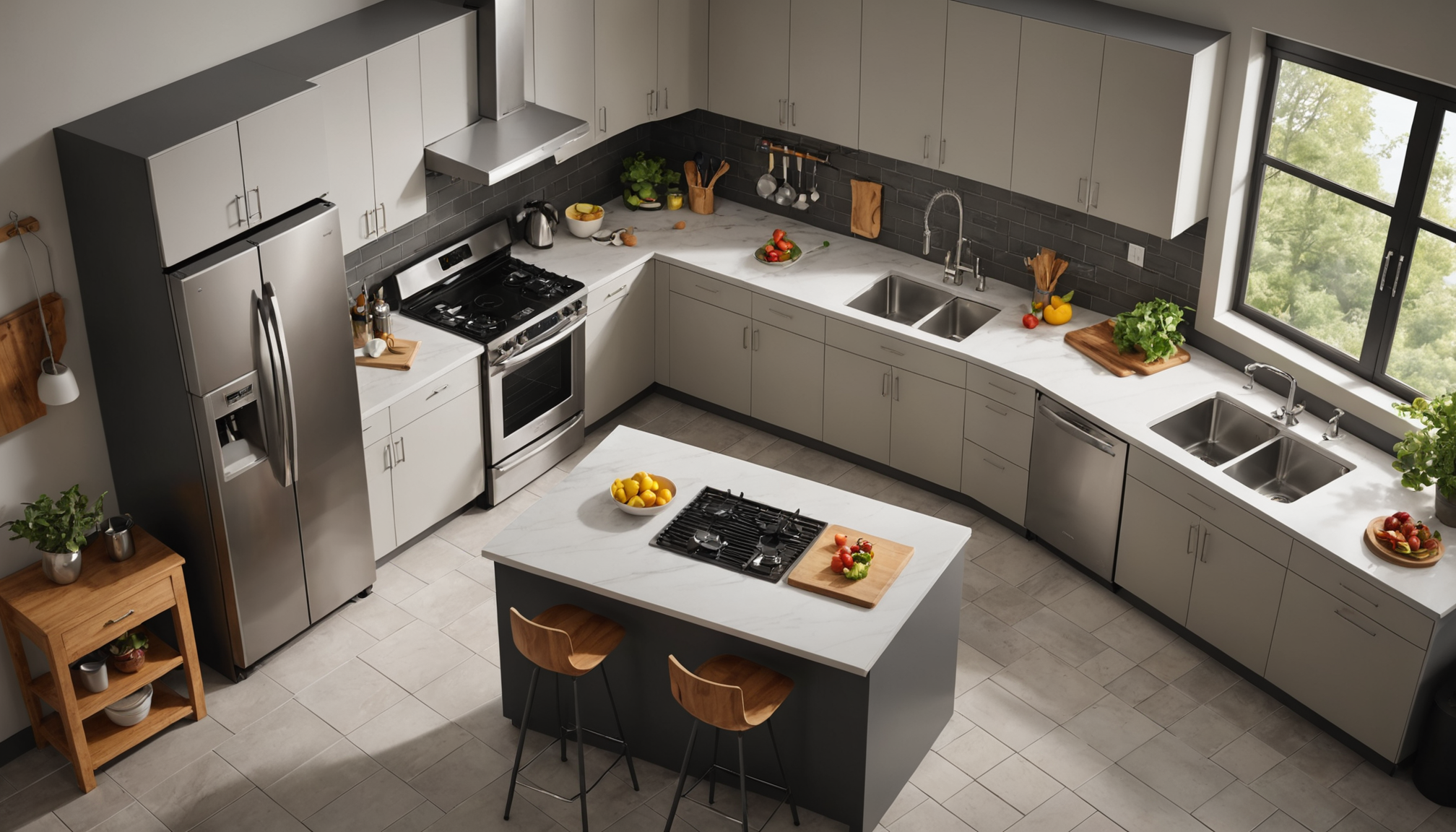 When envisioning the ideal transformation for your kitchen, one vital step is choosing a design style that not only reflects your personal taste but also enhances the functionality of the space. A well-chosen design style acts as a cohesive thread that unifies elements like cabinetry, countertops, and flooring, creating an ambiance that is both inviting and efficient.
1. Explore Popular Design Styles:
– Begin by familiarizing yourself with current kitchen design trends. Styles like modern, traditional, farmhouse, industrial, or coastal each offer distinct aesthetics and functionalities.
– Consider if a minimalist design aligns with your need for simplicity and clean lines, or if a rustic farmhouse style resonates with your love for warmth and coziness.
– Evaluate the balance between aesthetic appeal and practicality. For instance, a chic industrial kitchen may incorporate durable materials like steel and concrete that not only offer visual interest but also represent a sound investment in longevity.
2. Create a Mood Board:
– Collect inspiration from magazines, online platforms like Pinterest, or home design shows. Save images that speak to you and begin to notice common themes or elements.
– Consider creating a physical or digital mood board to visualize your ideas together. This aids in identifying preferred color palettes, textures, and materials.
– Allow your mood board to guide decisions on cabinetry finishes, backsplash designs, and countertop materials, be it quartz, granite, or wood.
3. Complementary Color Schemes:
– Choose colors that harmonize with your home’s existing aesthetic or create a refreshing contrast. Neutral colors like whites or grays can complement a modern style, while bold colors might accentuate more eclectic tastes.
– Test paint samples in the kitchen’s natural light to ensure your chosen hues work well in the space.
4. Select Functional Features:
– Beyond aesthetics, prioritize features that enhance kitchen usage. A style that accommodates smart home technologies, such as automated lighting or touch-free faucets, can provide the convenience and efficiency modern life demands.
– If space is a priority, select design styles incorporating sleek, space-saving solutions like pull-out pantries or built-in appliance garages.
5. Balance Form and Function:
– Design elements should improve the kitchen’s functionality. Opt for flooring that is easy to maintain yet stylish, such as vinyl or tile, which are both durable and visually appealing.
– Consider the arrangement of different elements within the chosen style. Evaluate how the placement of fixtures, like lighting and cabinetry, aligns with the flow and ergonomics of your culinary activities.
6. Consider Future Adaptability:
– Choose a style that can adapt to future changes or trends. Neutral bases with bold, changeable accents allow for easy updates.
– Be mindful of how evolving smart home innovations might integrate into your chosen design, ensuring that the style remains relevant as technology advances.
7. Consult a Design Professional:
– While personal tastes drive your choices, consulting with a kitchen designer or interior decorator can refine your decisions and ensure practical execution.
– Professionals can offer insights into optimizing light and space, ensuring that every inch of your kitchen serves its purpose without compromising the intended style.
Incorporating these guidelines will help you navigate through the myriad of choices, ensuring the design style you choose enriches both the aesthetic and functionality of your new kitchen.
Selecting modern appliances and fixtures
When it comes to upgrading your kitchen, choosing the right appliances and fixtures is a crucial decision that can significantly impact both the functionality and aesthetic appeal of the space. Modern appliances not only offer enhanced performance but also integrate seamlessly into your desired design style, creating a cohesive and efficient culinary environment.
Firstly, focus on energy efficiency. Opting for appliances with high Energy Star ratings is a smart investment, as they consume less power, helping you save on utility bills in the long run. Consider replacing older models that may be lagging in energy efficiency with newer, smarter alternatives. This not only reduces energy consumption but also aligns with eco-friendly practices, benefiting both your household and the environment.
Another aspect to consider is the integration of smart home technology into your kitchen. Modern appliances today often come equipped with smart features that enhance convenience and control. For example, Wi-Fi-enabled refrigerators can monitor temperature settings and alert you when groceries are running low. Similarly, smart ovens with touchscreen interfaces allow you to program cooking times and temperatures with precision, making meal preparation more efficient. These technologies also add a layer of safety by offering features like automatic shut-off, providing peace of mind when you’re busy or away from home.
Next, evaluate the fixtures in your kitchen. This includes faucets, lighting, and cabinet handles, which are essential for defining the space’s character and functionality. Touchless faucets are particularly popular, promoting hygiene by reducing the need for direct contact, a feature especially beneficial in busy households. As for lighting, incorporating LED fixtures not only reduces energy consumption but can also enhance the atmosphere of your kitchen, with options that range from bright task lighting to softer ambient illumination.
Moreover, the material choice for your appliances and fixtures can influence maintenance and longevity. Stainless steel remains a popular choice for its durability and sleek, timeless look that complements various design styles. However, don’t shy away from considering other materials that may offer easier maintenance or a unique aesthetic that aligns with your vision.
In addition to functionality, consider how your appliance and fixture choices fit into the broader aesthetic of your kitchen. Consistency in finishes and colors helps create a cohesive look, while accentuating the design style you’ve chosen. Whether your preference leans towards an all-white palette for a modern chic vibe or a combination of rich, textured metals for an industrial appeal, the right combination can elevate the entire space.
Ultimately, selecting modern appliances and fixtures involves balancing aesthetics with practical requirements, ensuring that your new kitchen not only looks stunning but also functions efficiently. By making informed choices and considering the integration of energy-efficient and smart home features, your kitchen renovation can become a lasting investment in both style and sustainability.
Budgeting for your kitchen renovation
Embarking on a kitchen renovation is an exciting journey, yet one crucial element that can often make or break the project is budgeting. Crafting a realistic and comprehensive budget sets the financial foundation that supports your vision and ensures a successful transformation without any unexpected financial strain.
Start by determining the scope of your renovation. Are you planning a small upgrade, or is a complete revamp necessary to replace outdated features and improve functionality? By clearly defining your goals and priorities, you can allocate funds accordingly, focusing on elements that provide the most significant return on investment. Consider using a spreadsheet or budgeting app to track expenditures and allocations, ensuring that every dollar is accounted for.
When developing your budget, don’t forget to factor in essential costs like permits and inspection fees, which are necessary for compliance with local regulations. Furthermore, it’s wise to allocate a contingency fund—typically around 10% to 20% of the total budget—to address unforeseen expenses or deviations from the original plan. This safety net can help prevent disruptions and allow your project to proceed smoothly.
Consider the materials and finishes that will complete your kitchen makeover. While it might be tempting to spring for luxury materials like marble countertops or high-end appliances, it’s essential to balance your ambitions with practical considerations. Look for alternatives that offer similar aesthetic qualities or functional benefits at a lower cost. For instance, quartz can provide a similar look to granite or marble with less maintenance and often at a more affordable price point.
Labor costs constitute another significant aspect of your budget. Whether hiring a professional contractor or opting for a more DIY approach, it’s crucial to factor in the time, expertise, and quality of work provided. Engaging reputable professionals might require a higher upfront investment but often translates into more durable and precise outcomes, potentially saving money on future repairs or adjustments.
In the realm of fixtures and fittings, smart home technology presents an intriguing opportunity to enhance both functionality and energy efficiency. While the initial expense might be higher, these innovations can lead to considerable savings over time. For example, investing in smart thermostats and lighting systems can optimize energy consumption, while touchless faucets and smart appliances offer convenience that ties seamlessly into modern living.
Additionally, consider the role of insulation in your kitchen remodel. Ensuring walls, floors, and ceilings are properly insulated can contribute to energy efficiency and comfort, making it a wise long-term investment. With enhanced climate control, your kitchen can remain a hospitable space year-round, potentially reducing heating and cooling costs throughout your home.
By approaching your kitchen renovation with thoughtful budgeting practices, you’ll be well-prepared to create a space that fits your lifestyle needs while remaining financially sustainable. Ultimately, a well-planned budget not only safeguards your investment but also empowers you to realize the dream kitchen you’ve envisioned.
Hiring professional contractors for quality work
Hiring the right professional contractors is integral to ensuring a high-quality kitchen renovation. The expertise and skills of a seasoned contractor can make a significant difference in the execution of your kitchen’s transformation, turning your design aspirations into reality while adhering to both budgetary and time constraints.
Begin your search by gathering recommendations from trusted sources, such as friends, family, or online reviews on reputable contractor websites. Personal referrals often provide insight into a contractor’s reliability and the quality of their work, offering reassurance as you proceed with your project. Exploring portfolios or completed projects on contractor websites can also give you a sense of their style and strengths, helping you determine if they align with your vision for your revamped kitchen.
Interview multiple candidates to find the one that best fits your project requirements. During the interview process, be sure to ask about their previous experience with kitchen renovations, ensuring they’ve handled projects of a similar scope. Discuss expectations around timelines, project management practices, and communication methods to ensure clarity and alignment. Establishing a strong rapport with your contractor is important, as open and transparent communication will be crucial throughout the renovation process.
It’s also essential to discuss budgetary constraints upfront with your contractor to avoid any financial surprises. A detailed and itemized quote should be provided, including the costs of materials, labor, and potential contingencies. This transparency allows you to make informed decisions and prioritize spending on aspects that matter most to your lifestyle and design vision. Communicating your budget early helps the contractor develop a feasible plan to realize your dream kitchen without overstepping financial limits.
Review contracts thoroughly, paying attention to terms regarding payment schedules, project deadlines, and warranties for both workmanship and materials. Clear terms protect both parties and set a professional tone for the project. In addition, verifying all contractor licenses and insurance coverage is critical for protecting your home and investment against possible accidents or damages. A legitimate contractor will have no reservations in presenting proof of these credentials.
Don’t shy away from discussing specific aesthetic and functional elements, such as the integration of smart home technology or innovative insulation solutions. These modern features not only enhance the kitchen’s functionality but also add value to your home. Professional contractors can offer guidance and suggestions on how best to implement these advanced solutions seamlessly into your renovation plans.
Once work commences, periodic check-ins and milestone reviews can keep everyone on the same page and address any concerns proactively. Monitoring progress and maintaining an ongoing dialogue can also ensure that the renovation adheres to your original intentions and critical changes are managed effectively without disrupting the workflow.
Hiring professional contractors represents a significant step in the kitchen renovation process. Their expertise, coupled with thoughtful planning and effective communication, elevates your vision into a practical and beautiful reality. Ultimately, choosing the right contractor can transform your kitchen into a space that reflects both your style and the demands of modern living.