When embarking on the journey to automate your sunroom, selecting the right automation systems is crucial to achieving both comfort and convenience. The integration of smart technologies into your sunroom can transform it into a versatile and energy-efficient space. However, the variety of options available can be overwhelming, thus necessitating a strategic approach in making well-informed decisions to maximize the benefits of home improvement projects.
To begin with, it’s essential to assess your specific needs and preferences. Consider what aspects of your sunroom you wish to automate, such as lighting, climate control, shading, or security. Understanding these needs will help narrow down the plethora of available systems and technologies. For a comprehensive approach, consider systems that seamlessly integrate with one another, contributing to a cohesive smart home ecosystem.
Next, evaluate compatibility and interoperability. Your chosen systems should be compatible with existing smart home platforms, such as Apple HomeKit, Google Assistant, or Amazon Alexa, ensuring ease of control and management from your preferred devices. This consideration not only enhances usability but also future-proofs your sunroom, making it adaptable to advancements in technology.
When examining the technical capabilities, pay attention to features and specifications such as user-friendly interfaces, scalability, and remote access. Systems with intuitive interfaces make it easier for users to program and adjust settings as needed. Opting for scalable options allows for the integration of additional features later, such as new sensors or automation devices.
| Criteria | Importance | Considerations |
| Compatibility | High | Works with existing platforms and devices |
| User Interface | Medium | Ease of use and configuration settings |
| Features | High | Remote access, customization, and scalability |
| Cost | Medium | Initial investment vs. long-term savings |
| Support and Warranty | Medium | Availability of customer support and duration of warranty |
The cost is another pivotal factor to consider. While automating can represent a significant upfront investment, the long-term benefits often outweigh these initial expenses. Energy efficiency, increased property value, and enhanced living comfort are notable advantages that justify the investment in automation systems.
Finally, consider the role of professional installation versus DIY. While many smart home systems offer straightforward installation, hiring pros may ensure optimal performance and installation that adheres to safety standards. Professionals bring expertise that can help avoid common pitfalls and ensure your system functions as intended from day one.
By thoughtfully evaluating these aspects, you can confidently move forward with creating a seamless automation strategy for your sunroom, turning it into a smart, efficient, and highly functional space that meets your lifestyle needs.
Incorporating smart lighting solutions
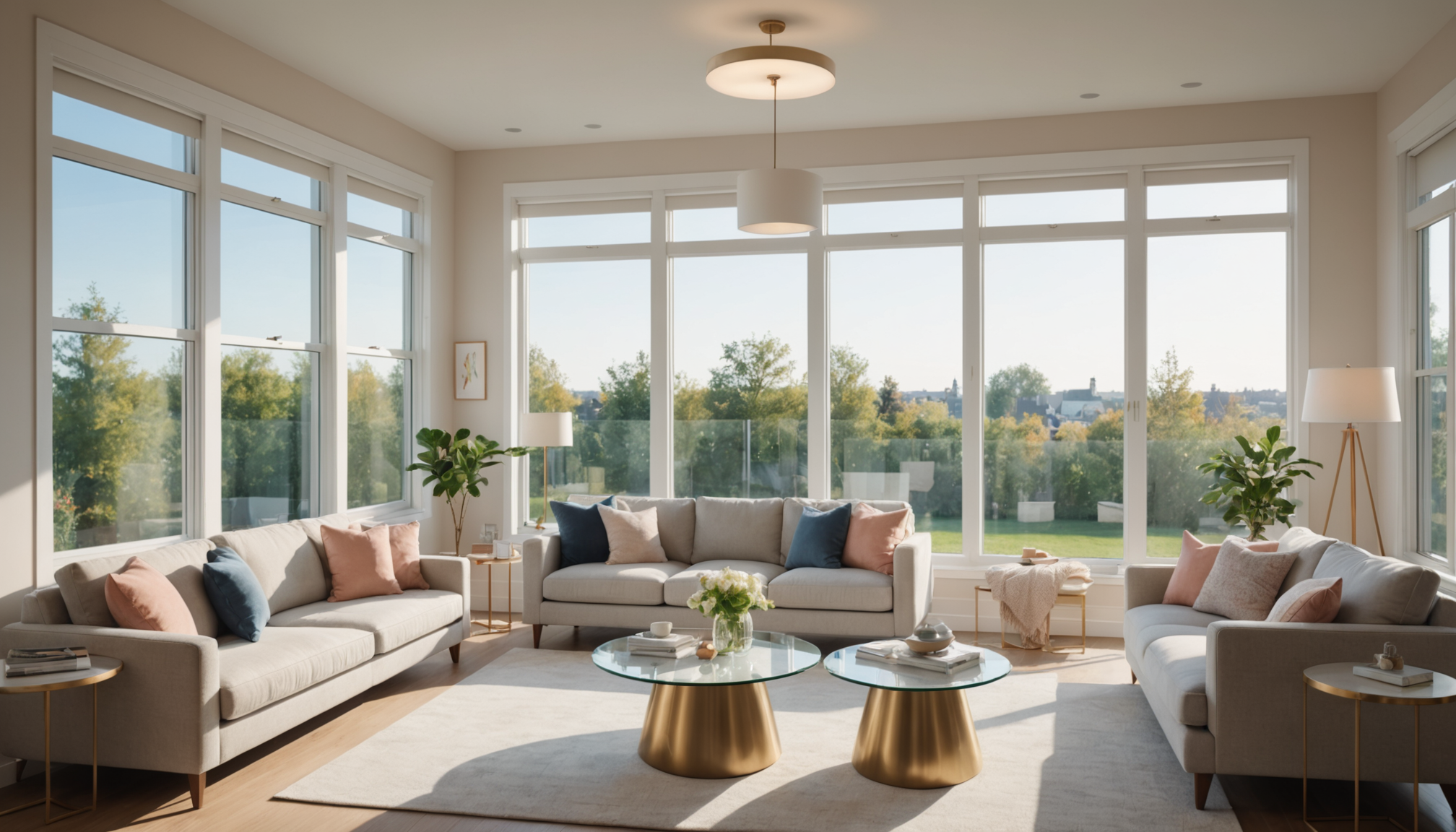 To effectively incorporate smart lighting solutions into your sunroom, you need to take a strategic approach that balances technological capability with aesthetic appeal and functional utility. Here’s how you can proceed with automating your sunroom’s lighting in a comprehensive and user-friendly manner.
1. Assess Your Lighting Needs:
– Begin by evaluating the natural light your sunroom receives throughout the day. This will help you determine the type and number of artificial lighting fixtures required. Consider how the sunroom is used during different times of the day and what kind of lighting would be beneficial—whether for reading, entertaining, or simply creating a warm ambiance.
2. Choose the Right Smart Lighting System:
– Explore options like smart bulbs, LED strips, and integrated lighting systems. Smart bulbs, such as those from Philips Hue or LIFX, can change colors, adjust brightness levels, and schedule timings, all controllable via a smartphone app or voice commands.
– Make sure the system you select is compatible with your existing smart home platform, ensuring seamless integration and control using devices like smartphones or voice assistants such as Amazon Alexa or Google Assistant.
3. Plan the Layout and Design:
– Decide on the placement of lighting fixtures, considering areas that need focused lighting, such as reading corners or dining spaces, and those where ambient lighting is sufficient. A well-planned layout will enhance both functionality and the aesthetic value of the sunroom.
4. Install and Configure Smart Lighting Devices:
– If you’re comfortable with DIY projects and have a basic understanding of electrical installations, many smart lighting solutions can be installed without professional help. However, hiring pros can ensure safety and optimal performance, especially for complex setups involving multiple types of fixtures and control systems.
– Follow manufacturer instructions to connect the lighting devices to your home network. Use the corresponding app to configure different settings, including brightness levels, color options, and timers.
5. Optimize with Smart Controls and Scheduling:
– Utilize the automation features of smart lighting systems by setting schedules that align with your daily routines. For example, schedule lights to gradually brighten in the morning as you sip your coffee in the sunroom or dim in the evening when it’s time to relax.
– Explore setting up scenes or modes for various activities, like a ‘reading mode’ with focused light on a particular spot or a ‘party mode’ that changes colors and lighting patterns.
6. Monitor and Adjust for Energy Efficiency:
– Smart lighting not only enhances comfort and aesthetic but also contributes to energy efficiency. Use energy consumption data provided by many smart lighting systems to monitor and adjust usage patterns, reducing unnecessary power consumption.
– Opt for LED options, as they are more efficient and long-lasting compared to traditional lighting solutions, further aiding in the long-term savings on your energy bills.
By meticulously planning and implementing smart lighting solutions, you’ll transform your sunroom into a dynamic, multipurpose space that not only meets your lighting needs but also enhances your overall smart home experience.
Integrating climate control features
Incorporating smart climate control features into your sunroom can significantly enhance comfort and energy efficiency, transforming it into a versatile extension of your home that’s enjoyable year-round. At the heart of this automation is the ability to maintain optimal temperatures effortlessly, regardless of the season. By utilizing advanced climate control systems, you can automate heating, cooling, and ventilation, allowing your sunroom to be a comfortable retreat at any time of the day.
Start by selecting a smart thermostat that integrates seamlessly with your existing smart home ecosystem. These devices go beyond merely controlling temperature; they learn your family’s schedule and preferences, automatically adjusting settings to maximize comfort and minimize energy consumption. Look for options from reputable brands like Nest or Ecobee, which offer intuitive interfaces and compatibility with other smart home devices, ensuring that the system can be controlled remotely via a smartphone app or a voice assistant like Amazon Alexa.
Integrating temperature sensors in strategic locations within your sunroom is vital to gaining a comprehensive understanding of its unique climate needs. These sensors provide real-time data to your smart thermostat, allowing it to make precise adjustments based on the current environmental conditions. With the ability to monitor temperature fluctuations, the system can respond promptly to changes in sunlight exposure or weather conditions, ensuring that the indoor climate remains consistent and comfortable.
Ventilation is another crucial aspect to consider when automating your sunroom’s climate control. Smart ceiling fans and motorized windows can be programmed to work in tandem with your thermostat, improving airflow and reducing the need for artificial heating and cooling. By automating these functions, the system can circulate fresh air when appropriate, enhancing air quality and reducing reliance on HVAC systems, which ultimately contributes to increased energy savings.
The inclusion of predictive technology in these smart systems is a game-changer for energy management. Instead of relying solely on scheduled settings, predictive algorithms analyze patterns and external data like weather forecasts to preemptively adjust settings. For instance, your sunroom’s climate control can be calibrated to pre-cool the space on a particularly hot day or slightly warm it before a cold front arrives, ensuring comfort while using energy efficiently.
Lastly, for those who prefer a touch of personal interaction, some systems offer the capability to customize climate preferences based on individual needs. Different zones within the sunroom can be adjusted independently, enabling people to tailor their environment to suit varied activities or personal comfort levels.
By harnessing the power of smart climate control systems, you not only automate the process of regulating temperatures and airflow but also significantly enhance the overall comfort and usability of your sunroom. These upgrades can elevate your living experience, making your sunroom a cherished spot for relaxation or socializing, while also optimizing energy use, ultimately leading to substantial savings on utility bills.
Automated shading and privacy options
In the realm of sunroom automation, shading and privacy solutions stand out as essential components for creating a comfortable and versatile space. The ability to control light and privacy at the touch of a button or even automatically, thanks to smart home technology, enhances both the functionality and aesthetic appeal of your sunroom. Let’s delve into ways to automate these features for a seamless experience.
To begin with, consider the plethora of automated shading devices available today. Motorized blinds and shades can be a game-changer for your sunroom, offering precise control over the amount of sunlight that enters the space. These systems can be controlled using a smartphone app, remote control, or voice commands via a smart assistant, providing ease of use and integration with your existing smart home ecosystem. For example, blinds can be programmed to close during the sun’s peak hours to keep the room cool and protect your furniture from UV damage, then open automatically as the sun sets to enjoy evening views.
When selecting motorized shading systems, it’s important to choose materials that support your sunroom’s design and functional goals. Consider shades made from light-filtering fabrics for a subtle, diffused light that maintains privacy while offering a view of the outdoors. Alternatively, opt for blackout shades if complete privacy and darkness are desired, useful for turning your sunroom into a cozy cinema space during the day or aiding sleep comfort for multipurpose use.
Privacy is another critical aspect to address when automating your sunroom. Smart window films present a modern solution by allowing windows to transition from transparent to opaque with a simple command. This electrochromic technology not only bolsters privacy but also aids in controlling lighting and reducing glare. Such films can be integrated with your chosen smart home system, easily managed through apps or automation schedules based on your preferences and daily routines.
Automation extends further with the inclusion of sensors that optimize shading performance. Incorporating light and temperature sensors allows your shading system to react in real-time to environmental conditions. For instance, shades can lower automatically when the sun reaches a certain intensity, reducing the need for air conditioning and contributing to energy efficiency. These proactive measures ensure that your sunroom remains a comfortable haven regardless of external conditions, reinforcing your broader home improvement objectives.
Additionally, if you prefer a hands-off approach, hiring pros for installation can save time and ensure that your system functions flawlessly. Professionals bring expertise in integrating shading and privacy solutions into a cohesive smart home setup, ensuring compatibility with existing systems and avoiding potential installation pitfalls.
Through careful selection and integration of automated shading and privacy features, you can transform your sunroom into a sophisticated space that adapitates to your needs throughout the day. These enhancements not only elevate your sunroom’s usability but also contribute to a comprehensive smart home environment, ensuring that your automated sanctuary is as efficient and user-friendly as possible.
Enhancing security with smart technology
A key aspect of sunroom automation that shouldn’t be overlooked is enhancing security with smart technology. In a world where peace of mind is invaluable, investing in intelligent security solutions for your sunroom is both a practical and strategic move. These advancements transform your sunroom from a mere extension of your home into a fortified sanctuary that integrates seamlessly within your overall smart home system.
One of the most effective ways to enhance security is through the implementation of smart locks and sensors. Smart locks provide access control and can be operated remotely via mobile apps, allowing you to secure your sunroom door from anywhere. They offer real-time notifications and logs to keep track of who enters and exits, adding an extra layer of security without compromising on convenience. For instance, coupled with geo-fencing technology, your sunroom’s smart lock can automatically lock when you leave the neighborhood and unlock upon your return.
Integrate these locks with smart sensors placed on windows and doors to prevent unauthorized access. These sensors alert you via smartphone notifications or alarms if they detect unexpected movements or openings, keeping you informed of any potential security breaches. Pairing sensors with automated lighting systems enhances security further; for example, lights can be programmed to turn on when motion is detected, simulating occupancy and deterring potential intruders.
Cameras play an essential role in monitoring and securing your sunroom. High-definition smart cameras equipped with night vision and two-way audio allow for constant surveillance, ensuring that nothing goes unnoticed. These cameras can be accessed in real-time through dedicated apps, giving you a clear view of both the interior and exterior of your sunroom at any hour. The ability to receive specific alerts based on motion detection ensures that you are promptly informed of unusual activities, allowing for timely interventions.
Moreover, consider integrating a comprehensive security system that includes smart glass with electrochromic technology. These systems can automatically become opaque during certain hours for added privacy, doubling as both security and privacy enhancements. Combined with advanced algorithmic interpretations of environmental data, your sunroom can smartly transition into a secured zone when necessary, aligning with your broader home improvement intentions.
For those new to smart technology, hiring pros to install and integrate these devices can provide a seamless setup and optimize performance. Professionals bring a wealth of experience, ensuring compatibility across devices and preventing technical mishaps during installation. This expert guidance is crucial in creating a cohesive smart security ecosystem within your sunroom.
By automating security features, you transform your sunroom from merely an attractive space into an intelligent part of your smart home, incorporating cutting-edge technology to protect what matters most. Embracing these technologies ensures that your sunroom becomes a secure and sophisticated haven for relaxation and family gatherings, while significantly bolstering the overall security posture of your home.
In conclusion, automating your sunroom with thoughtful integration of smart technologies transforms it into a dynamic, secure, and energy-efficient retreat. By carefully selecting the right systems and solutions—from lighting and climate control to shading and security—you create a seamless smart home ecosystem tailored to your lifestyle. Investing in these advancements not only enhances your sunroom’s functionality and aesthetic appeal but also elevates your overall living experience, adding value and comfort to your home.